What Chair Is Best for Pelvic Floor Problems?
Pelvic floor discomfort affects millions of people worldwide—often silently. Whether it’s postpartum recovery, incontinence, pelvic pain, or muscle weakness, choosing the right chair can make a world of difference. The good news? There are several seating options that can help relieve pressure, support healing, and even strengthen muscles.
Let’s dive deep into the best chairs for pelvic floor problems and why EMS pelvic floor chairs are becoming the gold standard in rehabilitation.
Understanding Pelvic Floor Problems
What Are Pelvic Floor Disorders?
Pelvic floor disorders refer to issues where the pelvic muscles are too weak, too tight, or injured. These muscles support the bladder, uterus, and bowel, so when they weaken, symptoms like leaking, pain, or reduced muscle control appear.
Common Causes of Pelvic Floor Weakness
Pregnancy and childbirth
Aging
Heavy lifting
Chronic coughing
Obesity
Hormonal changes
Why Sitting Position Matters
Poor seating increases pressure on the pelvic muscles. Over time, this pressure can worsen discomfort, reduce circulation, and weaken support structures.
How the Right Chair Helps Support the Pelvic Floor
Proper Posture and Pelvic Support
A good chair encourages neutral spine alignment—reducing unnecessary pressure on the pelvic area.
Pressure Reduction for Sensitive Areas
Ergonomic surfaces distribute weight evenly, preventing excess pressure on the perineum and pelvic floor muscles.
Improving Blood Flow and Muscle Activation
Supportive chairs help boost circulation and prevent stiffness, allowing the muscular system to work more efficiently.
Types of Chairs Recommended for Pelvic Floor Issues
Ergonomic Office Chairs
Designed for long hours of sitting, these chairs promote spine alignment and reduce pelvic strain.
Saddle Chairs
Their open-hip angle reduces pressure on the pelvic region while keeping the spine upright.
Kneeling Chairs
They shift weight to the shins, minimizing pelvic compression.
Pelvic Health Cushions & Support Seats
Donut cushions, wedge cushions, and gel pads help relieve pressure on the perineum.
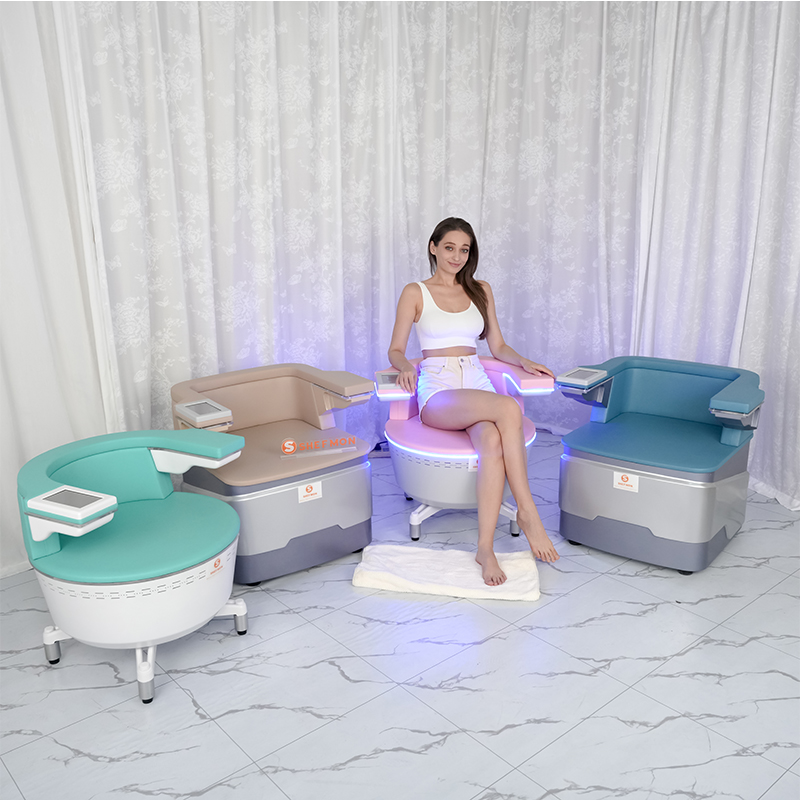
EMS Pelvic Floor Therapy Chairs (Medical Grade)
These chairs use electromagnetic energy to trigger deep pelvic muscle contractions—ideal for severe weakness or postpartum recovery.
The Best Chair for Severe Pelvic Floor Problems: EMS Pelvic Floor Chair
What Is an EMS Pelvic Floor Chair?
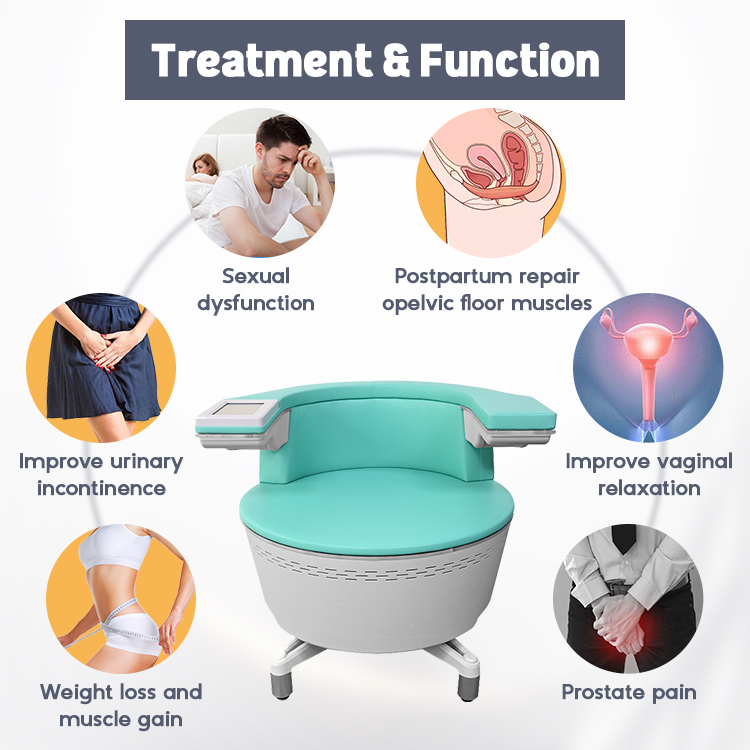
It’s a non-invasive medical device that uses high-intensity focused electromagnetic technology to stimulate pelvic floor muscles.
How Electromagnetic Therapy Works
The chair sends electromagnetic pulses through the pelvic area, causing supramaximal contractions—far stronger than regular Kegels.
Benefits for Pelvic Floor Rehabilitation
Strengthens weak pelvic muscles
Helps reduce urinary incontinence
Improves muscle control
Offers postpartum recovery support
Very comfortable—patients stay fully clothed
Clinical Results and Who Should Use It
Perfect for:
Postpartum women
Seniors
Individuals with incontinence
People with pelvic muscle weakness
Physiotherapy clinics seeking effective treatment tools
Why EMS Pelvic Floor Chairs Are Becoming the #1 Choice
Non-Invasive Treatment
No surgery. No discomfort. Just sit and let the device do the work.
High Muscle Contraction Rate
A single 30-minute session can deliver over 12,000 deep muscle contractions.
Pain-Free and Comfortable Sessions
Patients simply sit and relax.
Suitable for Postpartum, Incontinence & Weak Muscle Cases
It is one of the few solutions clinically effective for all these conditions.
SHEFMON EMS Pelvic Floor Chairs: Top Professional Options
SHEFMON offers two advanced pelvic floor chairs trusted by clinics and rehabilitation centers.
SHEFMON E0435 – Women’s Postpartum Repair EMS Chair
Key Features
Designed specifically for women’s pelvic floor recovery
Comfortable therapeutic seating surface
Electromagnetic energy for deep muscle contractions
Non-invasive and safe for daily treatments
Benefits for Women’s Health
Faster postpartum recovery
Strengthens weakened muscles
Helps reduce leaks and discomfort
SHEFMON E0436 – Pelvic Floor Muscle Rehabilitation EMS Chair
Product Link: https://shefmon.com/product/e0436-electromagnetic-stimulation-pelvic-floor-muscle-rehabilitation-ems-chair/
Technical Highlights
High-intensity focused electromagnetic field
Adjustable intensity to suit various conditions
Commercial-grade durability for clinics
Advantages for Clinics & Physiotherapy Centers
Easy to use
Provides measurable results
Attracts more patients seeking non-invasive therapies
How to Choose the Right Chair for Pelvic Floor Issues
Level of Pain or Weakness
Mild discomfort? Ergonomic chairs or cushions may be enough.
Severe weakness? EMS chairs provide the strongest results.
Daily Usage Requirements
If sitting long hours, consider ergonomic or saddle chairs.
Budget and Treatment Goals
EMS pelvic floor chairs cost more but offer medical-level treatment and fast improvement.
Additional Tips to Improve Pelvic Floor Health
Correct Sitting Posture
Keep hips slightly higher than knees and avoid slouching.
Kegel Exercises
Daily Kegels help strengthen pelvic muscles naturally.
Avoiding the Worst Sitting Habits
Sitting too long
Crossing legs
Leaning forward excessively
Conclusion
Choosing the best chair for pelvic floor problems depends on your symptoms, daily needs, and recovery goals. While ergonomic and specialty chairs offer relief and improved posture, EMS pelvic floor chairs provide medical-grade rehabilitation—making them the top choice for postpartum recovery, incontinence, and severe muscle weakness.
For clinics or individuals seeking fast, non-invasive improvement, SHEFMON’s EMS pelvic floor chairs deliver outstanding results backed by modern technology and professional design.
FAQs
1. What is the best chair for pelvic floor problems?
For severe weakness or postpartum recovery, EMS pelvic floor chairs offer the best results.
2. Are saddle chairs good for pelvic floor issues?
Yes, they reduce pelvic pressure and improve posture.
3. How long should I sit on an ergonomic chair?
Take breaks every 45–60 minutes to keep muscles active.
4. Are EMS pelvic floor chairs safe?
Yes, they are non-invasive, painless, and clinically used worldwide.
5. Can sitting too long worsen pelvic floor issues?
Absolutely—prolonged sitting increases pressure and weakens the muscles over time.