










Introduction to EMS Technology
Electrical Muscle Stimulation—better known as EMS—has become a buzzword in the beauty and aesthetics world. From toned abs to lifted cheeks, EMS promises muscle activation without sweat or surgery. Sounds almost too good to be true, right? Well, like any technology, EMS comes with both strengths and weaknesses.
If you’re considering EMS for facial sculpting or planning to invest in professional EMS devices, understanding the downsides is just as important as knowing the benefits.
Let’s break it all down—honestly, clearly, and without the hype.
What Is EMS (Electrical Muscle Stimulation)?
EMS works by sending controlled electrical impulses through the skin to stimulate muscle contractions. These impulses mimic the signals your brain naturally sends to muscles during movement.
Think of it like a shortcut: instead of doing facial exercises in front of a mirror, EMS activates the muscles for you.
Why EMS Is Popular in Aesthetic Treatments
EMS has exploded in popularity because it’s:
Non-invasive
Needle-free
Fast
Requires little to no downtime
In facial aesthetics, EMS targets deeper muscle layers that topical skincare can’t reach, making it attractive for lifting and contouring treatments.
How EMS Works on Facial Muscles
Facial EMS focuses on stimulating muscles like the zygomaticus, masseter, and orbicularis oris—muscles responsible for expressions, firmness, and contour.
EMS vs Microcurrent vs RF
EMS: Strong muscle contractions, deeper stimulation
Microcurrent: Gentle cellular activation, skin tightening
RF: Heat-based collagen remodeling
EMS is more intense than microcurrent and focuses more on muscle structure than skin surface.
The Growing Use of EMS in Facial Sculpting
Clinics increasingly use EMS to create a “natural lift” without injectables. It’s especially popular for jawline definition and cheek lifting.
However, popularity doesn’t mean perfection—and this is where downsides come in.
Main Benefits of EMS (Quick Overview)
Before we dive into the negatives, here’s why people still love EMS:
Improved muscle tone
Enhanced facial contours
Temporary lifting effect
No needles or surgery
But now, let’s talk about the other side of the coin.
What Are the Downsides of EMS?
1. Temporary Results
This is the biggest drawback.
EMS results are not permanent. Once treatments stop, muscles gradually return to their original state. Think of it like going to the gym—stop training, and muscles lose tone.
Maintenance sessions are required, which means:
Ongoing time commitment
Long-term cost
2. Muscle Fatigue and Discomfort
EMS contracts muscles repeatedly. While safe when done correctly, it can cause:
Muscle fatigue
Tightness
Mild discomfort during treatment
Some clients describe it as “weird but tolerable.” Others may find it uncomfortable, especially during initial sessions.
3. Not Suitable for Everyone
EMS is not universal.
People who should avoid EMS include those with:
Pacemakers
Metal implants in the treatment area
Epilepsy
Pregnancy
This limits the client pool for clinics offering EMS services.
4. Risk of Overstimulation
Too much EMS can backfire.
Overuse or incorrect intensity settings may lead to:
Muscle imbalance
Facial stiffness
Unnatural expressions
More stimulation does not mean better results.
5. Inconsistent Results Across Skin Types
Results vary depending on:
Age
Muscle density
Skin laxity
Lifestyle
EMS works best on mild to moderate sagging. Severe skin laxity may need RF, HIFU, or surgical options.
EMS Side Effects You Should Know
Skin Redness and Tingling
Temporary redness is common and usually fades within hours. Tingling sensations are normal but should never be painful.
Muscle Soreness
Just like post-workout soreness, facial muscles may feel tired after treatment—especially for first-timers.
Headaches or Facial Tightness
Rare, but possible if intensity is too high or protocols are incorrect.
EMS Safety Concerns and Contraindications
Who Should Avoid EMS Treatments
EMS should be avoided by clients with:
Cardiac conditions
Neurological disorders
Active skin infections
Medical Conditions to Consider
Always perform a thorough consultation. EMS is powerful—respecting safety protocols is non-negotiable.
Can EMS Age the Face If Used Incorrectly?
This is a common fear—and it’s partially valid.
Overuse and Muscle Imbalance
Excessive stimulation can create unnatural tension, especially in the lower face.
Importance of Correct Protocols
When used correctly by trained professionals, EMS does not age the face. Poor technique is the real enemy here.
EMS vs Traditional Facial Treatments
EMS vs Botox
EMS tones muscles
Botox relaxes muscles
They do opposite things. EMS won’t replace Botox, but they can complement each other.
EMS vs HIFU and RF
EMS focuses on muscles.
HIFU and RF focus on skin tightening and collagen.
Combination treatments often deliver the best results.
How to Reduce the Downsides of EMS
Proper Device Selection
Not all EMS devices are created equal. Professional-grade machines provide:
Stable energy output
Adjustable intensity
Safety controls
Correct Treatment Frequency
Less is more. Proper intervals prevent overstimulation.
Professional Training Matters
Technique matters as much as technology. Well-trained operators minimize risks and maximize results.
Why Professional EMS Devices Perform Better
Controlled Energy Output
Professional machines offer precise control, reducing discomfort and side effects.
Advanced Safety Systems
Built-in monitoring systems ensure consistent and safe stimulation.
Recommended EMS Facial Devices by SHEFMON
Magface EMFace Muscle Stimulators Machine
The Magface EMFace Muscle Stimulators Machine by SHEFMON is designed for professional facial lifting and muscle activation with enhanced safety and comfort.
🔗 https://shefmon.com/product/magface-emface-muscle-stimulators-machine-for-sale/
Key strengths:
Multi-level intensity control
Stable electromagnetic output
Designed for clinics and med spas
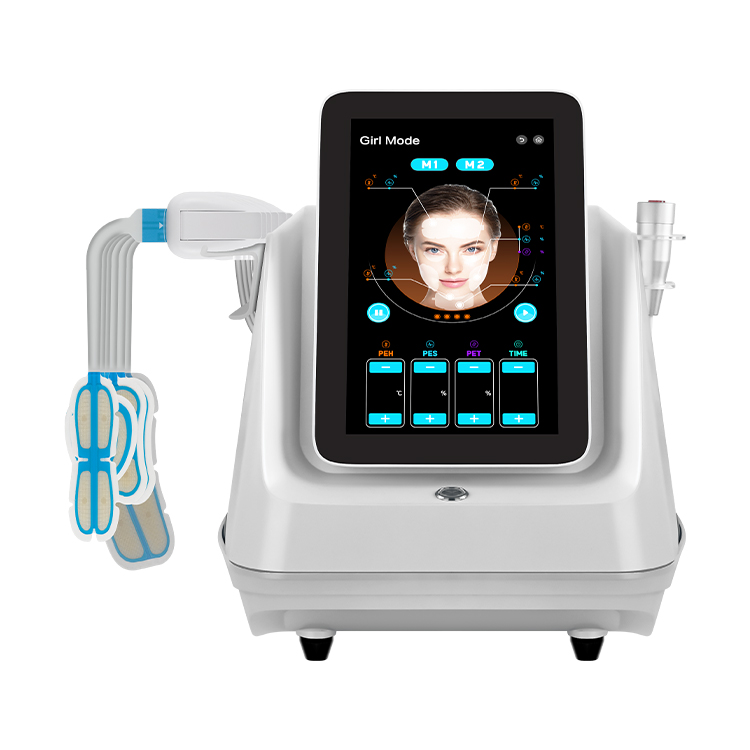
SHEFMON EMFace EMS Face Sculpting & Lifting Device
This advanced EMS facial sculpting device combines muscle stimulation with ergonomic applicators for precise facial contouring.
🔗 https://shefmon.com/product/shefmon-emface-ems-face-sculpting-lifting-microcurrent-device/
Why clinics love it:
Targeted facial muscle engagement
Reduced discomfort
Professional-grade durability
These devices help minimize EMS downsides when used correctly.
Who Is EMS Best For?
Ideal Candidates
Mild to moderate skin laxity
Clients seeking non-invasive lifting
Those committed to maintenance sessions
Realistic Expectations
EMS enhances—not replaces—natural facial structure. Managing expectations is key.
Final Thoughts on EMS Downsides
EMS is powerful, effective, and innovative—but not magic. Its downsides mainly stem from misuse, overuse, or unrealistic expectations.
When performed with professional devices, proper protocols, and honest consultations, EMS remains a valuable tool in modern aesthetics.
Like fire, it’s amazing when controlled—and risky when not.
FAQs
1. Is EMS safe for the face?
Yes, when performed with professional equipment and proper protocols.
2. How long do EMS facial results last?
Results are temporary and require maintenance sessions.
3. Can EMS replace Botox or fillers?
No. EMS works on muscles, while injectables work differently.
4. Does EMS hurt?
It may feel strange or mildly uncomfortable, but it should never be painful.
5. How can I reduce EMS side effects?
Use professional devices, proper settings, and trained operators.