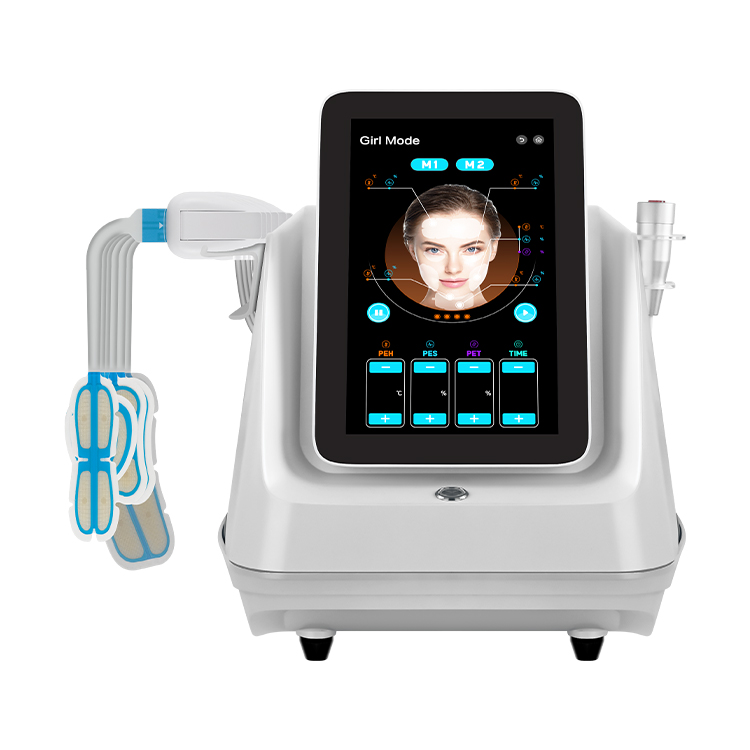










Physiotherapy has long been a cornerstone of pain management, rehabilitation, and functional recovery. However, with the rapid advancement of medical technology, Shockwave & Physiotherapy Therapy has emerged as a powerful alternative to traditional physiotherapy methods. Clinics and rehabilitation centers now face an important question: does combining shockwave and advanced physiotherapy technologies deliver better results than conventional physiotherapy alone? This article explores the key differences, clinical outcomes, and treatment advantages to help practitioners and patients make informed decisions.
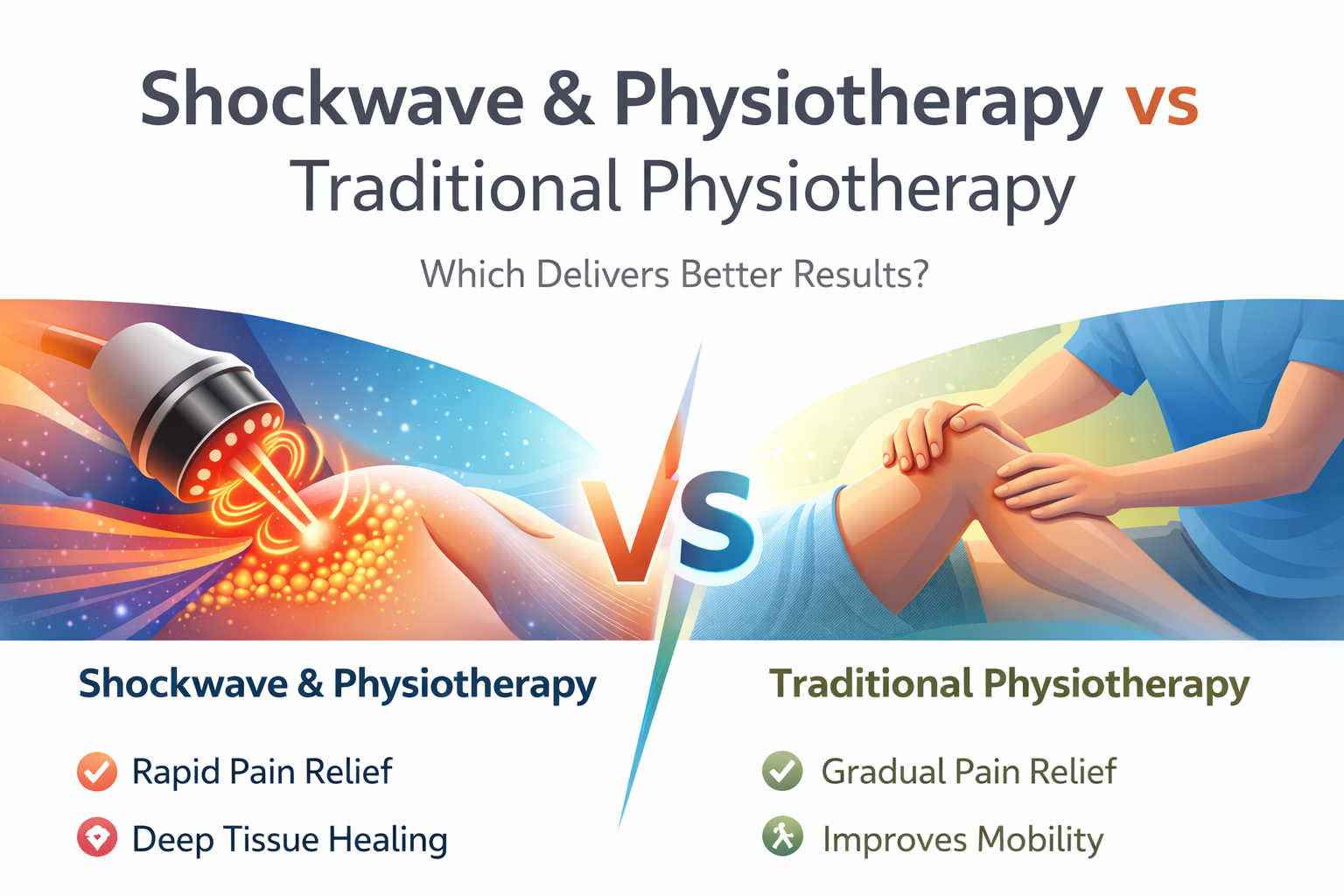
1. Understanding Traditional Physiotherapy
1.1 What Is Traditional Physiotherapy?
Traditional physiotherapy focuses on manual therapy, therapeutic exercises, stretching, massage, heat or cold therapy, and basic electrotherapy. These methods aim to restore movement, reduce pain, and improve strength through repeated sessions and progressive physical training.
Traditional physiotherapy is effective for many mild to moderate conditions, particularly in early-stage injuries, postural problems, and general mobility issues. However, its success often depends on patient compliance, long treatment cycles, and gradual progress over time.
1.2 Limitations of Conventional Approaches
While traditional physiotherapy plays an essential role in rehabilitation, it may be less effective for chronic pain, calcified tissues, deep musculoskeletal disorders, and long-standing sports injuries. In such cases, pain relief can be slow, and patients may experience plateaus despite consistent treatment.
2. What Is Shockwave & Physiotherapy Therapy?
2.1 The Role of Shockwave Technology
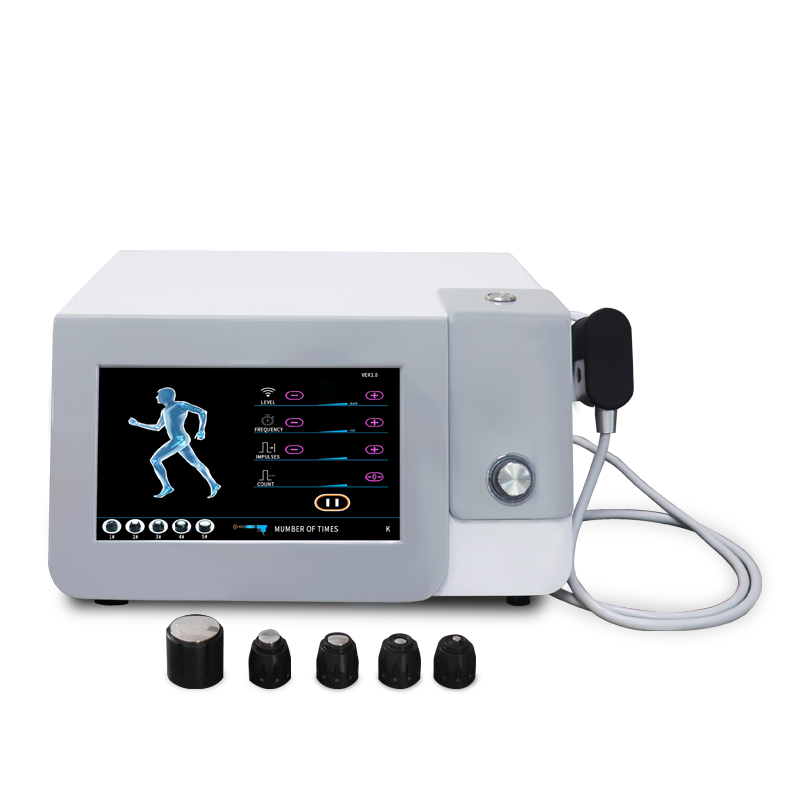
Shockwave therapy uses high-energy acoustic waves generated through ballistic or electromagnetic principles to target pain sources directly. These waves penetrate deep into tissue, stimulating cellular repair, dissolving calcium deposits, and improving blood circulation.
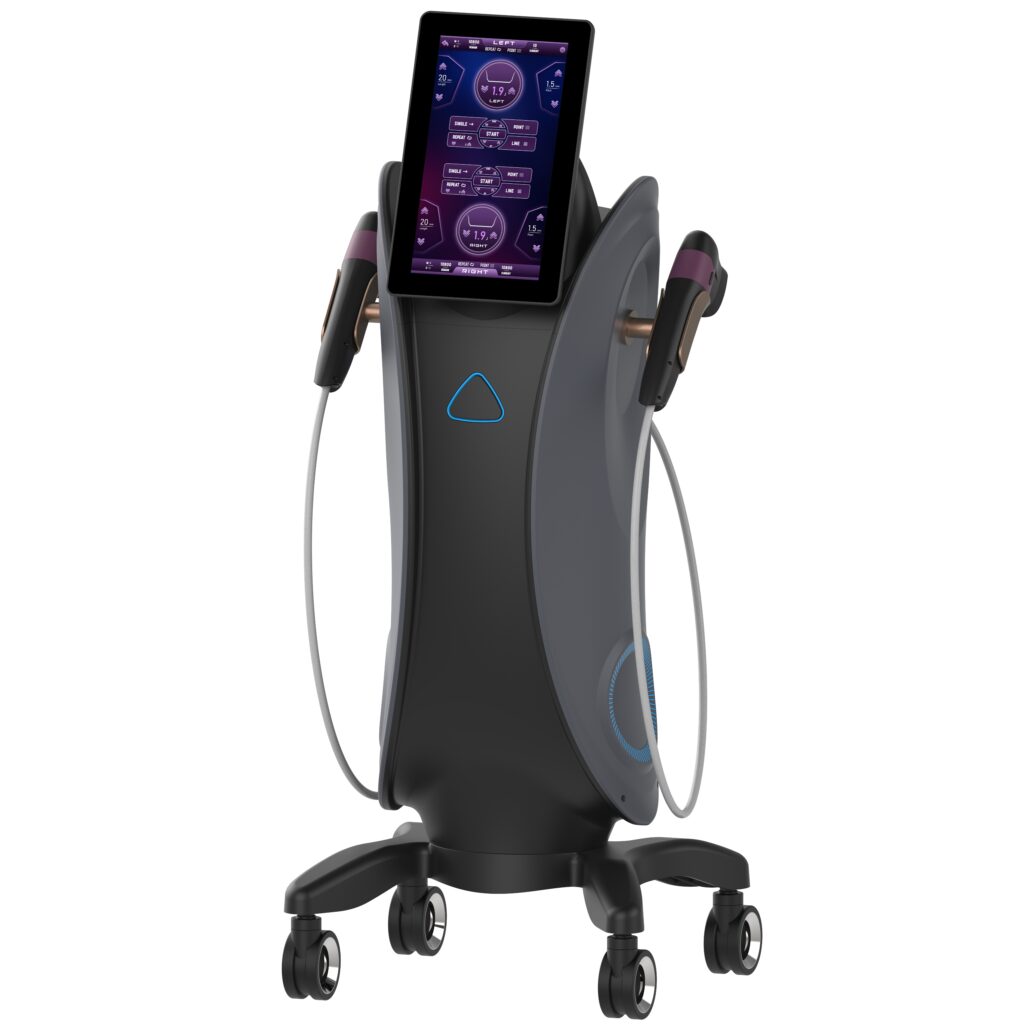
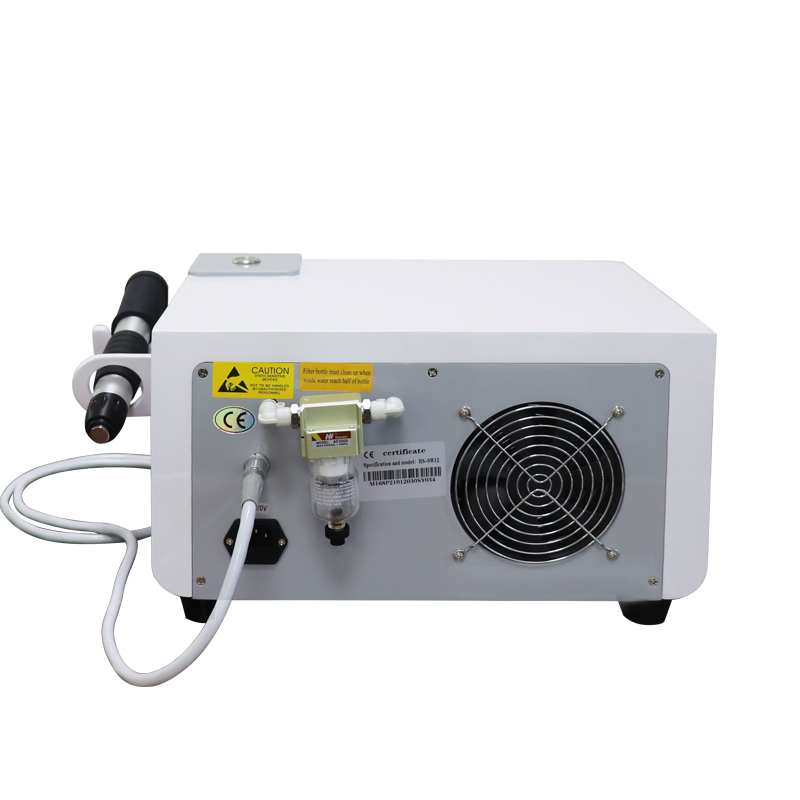
Advanced systems such as the SW12 ESWT Pain Relieve Focus Shockwave Treatment Tecar Shock Wave Laser Therapy apply frequencies from 1–21 Hz and can reach depths of up to 8 cm, making them particularly effective for chronic tendon, joint, and periosteal conditions.
https://shefmon.com/product/sw12-eswt-pain-relieve-focus-shockwave-treatment-tecar-shock-wave-laser-therapy/
2.2 Integration with Modern Physiotherapy
Shockwave & Physiotherapy Therapy does not replace physiotherapy but enhances it. Shockwave reduces pain and tissue resistance quickly, allowing physiotherapy exercises to be more effective and less painful. This integration shortens rehabilitation cycles and improves overall treatment outcomes.
3. Treatment Effectiveness: A Direct Comparison
3.1 Pain Relief Speed
Traditional physiotherapy often requires multiple sessions over weeks to achieve noticeable pain relief. In contrast, shockwave-based therapy stimulates nerve modulation and vascularization almost immediately, with many patients reporting improvement after just a few sessions.
Shockwaves create controlled microtrauma that triggers healing responses at different energy levels, delivering pain relief, tissue regeneration, and functional recovery simultaneously.
3.2 Tissue Regeneration and Healing Depth
Traditional physiotherapy primarily affects superficial tissues unless combined with aggressive manual techniques. Shockwave therapy, however, reaches deep tissues and periosteal structures, making it more effective for calcific tendinitis, plantar fasciitis, and chronic muscle damage.
4. Functional Recovery and Rehabilitation Outcomes
4.1 Range of Motion and Mobility
By reducing tissue stiffness and inflammation, shockwave therapy improves joint flexibility more rapidly. Patients often regain range of motion sooner, allowing physiotherapists to introduce active rehabilitation earlier compared to traditional methods alone.
4.2 Muscle and Soft Tissue Performance
Traditional physiotherapy strengthens muscles gradually, but pain can limit exercise intensity. Shockwave therapy reduces pain at its source, enabling more efficient muscle activation and faster functional restoration.
5. The Added Value of Magneto Therapy
5.1 Why Clinics Combine Magnetotherapy with Physiotherapy
Modern Shockwave & Physiotherapy Therapy often incorporates magnetotherapy to further enhance recovery. Pulsed magnetic fields stimulate cellular metabolism, increase oxygen absorption, and accelerate tissue regeneration at the cellular level.
5.2 Clinical Benefits of High-Intensity Magneto Therapy
Devices such as the A0247E PMST NEO Physio Magneto Therapy Machine For Pain Relief deliver up to 4T field strength, making them suitable for pain reduction, sports injury recovery, and post-operative rehabilitation.
https://shefmon.com/product/a0247e-pmst-neo-physio-magneto-therapy-machine-for-pain-relief/
Magneto therapy complements both shockwave and physiotherapy by reducing swelling, improving circulation, and restoring metabolic balance, especially in chronic or complex cases.
6. Patient Experience and Treatment Efficiency
6.1 Treatment Comfort and Compliance
Traditional physiotherapy relies heavily on patient motivation and tolerance to discomfort. Shockwave & Physiotherapy Therapy reduces pain faster, which improves patient compliance and satisfaction.
6.2 Fewer Sessions, Better Results
Because shockwave therapy addresses root causes such as calcification, poor circulation, and chronic inflammation, treatment plans often require fewer sessions compared to traditional physiotherapy alone. This benefits both clinics and patients by saving time and resources.
Conclusion
Shockwave & Physiotherapy Therapy consistently delivers superior outcomes for chronic pain, deep tissue injuries, sports rehabilitation, and calcified conditions. Traditional physiotherapy remains valuable for maintenance, mobility training, and long-term functional improvement, but when used alone, it may be slower and less effective for complex cases.
The most successful clinics adopt a combined approach, using shockwave and advanced physiotherapy technologies to achieve faster pain relief, deeper healing, and more sustainable recovery outcomes. As patient expectations and clinical standards continue to rise, Shockwave & Physiotherapy Therapy is increasingly recognized as the modern benchmark for effective rehabilitation and pain management.