




Introduction to Advanced Skin Resurfacing Technology
Why Non-Invasive Aesthetic Treatments Are Booming
Walk into any dermatology clinic or medical spa today and you’ll notice something interesting—patients are increasingly choosing non-invasive cosmetic procedures instead of traditional surgical treatments. The reason is simple: people want effective results without the long recovery times, surgical risks, or significant discomfort associated with older aesthetic procedures. In the past decade, laser technology has emerged as one of the most powerful tools for skin rejuvenation, delivering visible improvements in wrinkles, acne scars, pigmentation, and skin texture without cutting the skin.
Laser resurfacing treatments work by stimulating the body’s natural healing mechanisms. Instead of manually removing damaged skin through surgery or chemical peels, lasers trigger controlled micro-injuries that encourage the skin to regenerate itself. This process boosts collagen, elastin, and healthy skin cell production. The result is smoother, firmer, and younger-looking skin. Many dermatologists now consider laser therapy the gold standard for treating aging skin because it balances safety, effectiveness, and convenience.
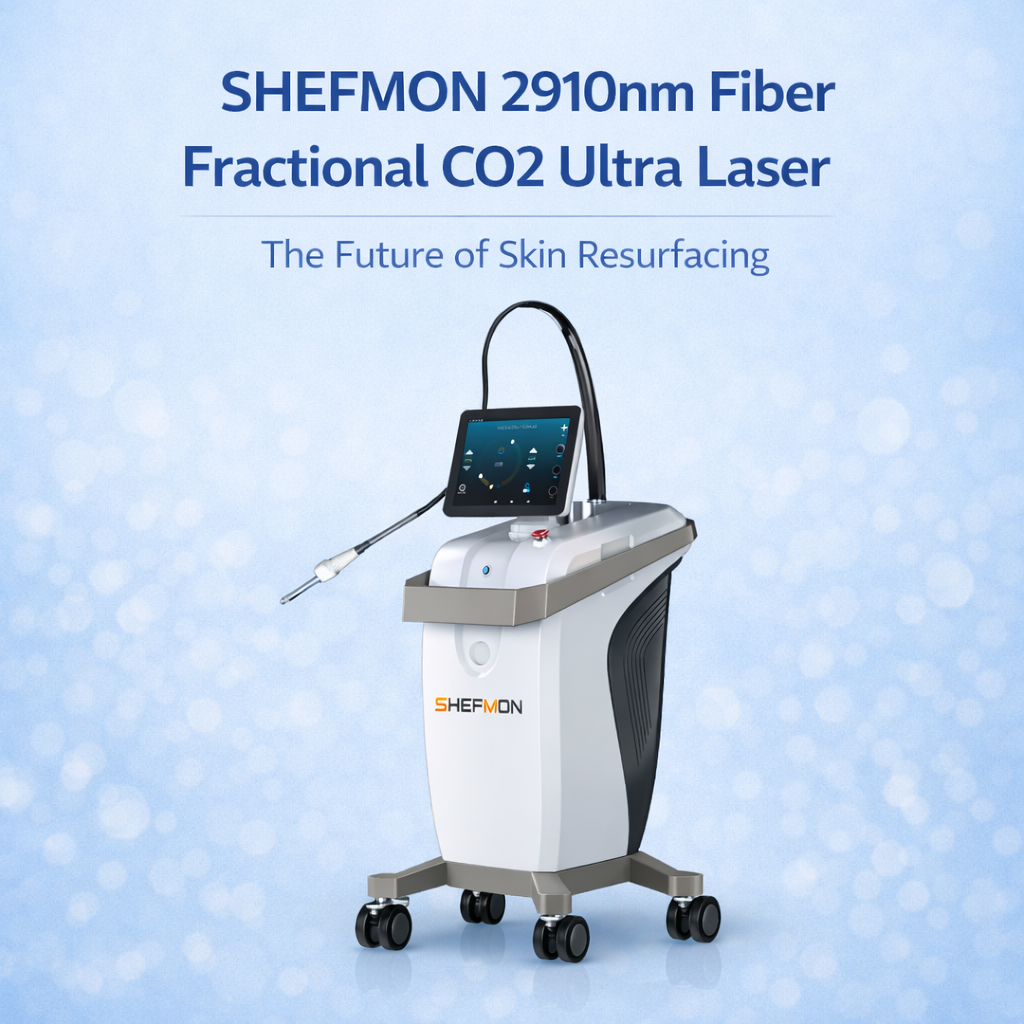
Among the newest technologies making waves in the aesthetic industry is the 2910nm fiber fractional CO2 laser. Unlike traditional CO2 lasers that can cause longer downtime and higher thermal damage, this advanced wavelength offers a more precise and controlled treatment approach. Devices like the SHEFMON 2910nm Fiber Fractional CO2 Ultra Laser combine fractional laser delivery with fiber technology, creating a modern solution for clinics seeking powerful yet patient-friendly skin resurfacing systems.
The Rise of Fiber Fractional Laser Systems
Traditional laser systems often relied on gas tubes or bulky optical components, which sometimes resulted in unstable energy delivery or maintenance issues. Fiber laser technology changed the game by using optical fibers to transmit laser energy more efficiently and accurately. This design improves beam quality, enhances stability, and reduces energy loss during treatment.
Fiber fractional laser systems also allow practitioners to create thousands of microscopic treatment zones within the skin. Instead of damaging large areas, the laser only targets small columns of tissue, leaving surrounding skin intact. This “fractional” approach dramatically reduces downtime while still stimulating powerful collagen remodeling beneath the surface.
Today’s aesthetic clinics are increasingly investing in fiber fractional lasers because they offer an excellent balance between clinical effectiveness and patient comfort. For example, a typical treatment session with a 2910nm fiber laser can take as little as 20 minutes, while still delivering noticeable skin rejuvenation results.
This shift toward smarter, more precise laser systems has opened the door to a new generation of devices designed for dermatologists, aesthetic clinics, and beauty equipment distributors. One standout example in this category is the SHEFMON fiber fractional CO2 laser platform, which represents a modern approach to laser resurfacing technology.
What Is the SHEFMON 2910nm Fiber Fractional CO2 Ultra Laser
Overview of the Technology
The SHEFMON 2910nm Fiber Fractional CO2 Ultra Laser is an advanced medical aesthetic device designed for professional skin resurfacing, anti-aging treatments, and scar reduction. It utilizes a specialized 2910nm wavelength combined with fractional laser delivery to treat multiple layers of the skin simultaneously—from the epidermis to the mid-dermis.
Unlike conventional CO2 lasers, which typically operate at a wavelength around 10,600nm, this newer wavelength focuses more precisely on water molecules within the skin. Because human skin contains a high percentage of water, the laser energy can be absorbed efficiently, allowing targeted treatment without excessive heat diffusion.
During treatment, the device emits short, concentrated pulses of laser energy that remove damaged epidermal cells while delivering controlled thermal energy into the dermis. This dual-action mechanism not only resurfaces the skin but also stimulates natural collagen production, leading to long-term improvements in firmness and elasticity.
Think of the process like renovating a house rather than demolishing it. The laser removes damaged exterior layers while reinforcing the structural foundation beneath. Over time, the skin rebuilds itself stronger, smoother, and more radiant.
Key Components of the System
The performance of a laser device depends heavily on its internal components and engineering design. The SHEFMON system integrates several advanced features that enhance both treatment efficiency and clinical results. These include precision fiber laser delivery, intelligent scanning systems, and adjustable energy parameters.
The fiber-based delivery system ensures stable laser output and uniform beam distribution across the treatment area. This helps practitioners maintain consistent results across different skin types and treatment zones. Additionally, the system allows adjustable pulse energy, scanning patterns, and treatment density, giving clinicians the flexibility to customize treatments for individual patient needs.
Many modern clinics also appreciate the intuitive touchscreen interface and integrated cooling systems, which improve patient comfort during treatment. The cooling technology helps reduce surface heat while allowing the laser energy to penetrate deeper layers where collagen remodeling occurs.
Together, these components create a laser platform that is both powerful and adaptable, making it suitable for a wide range of dermatological and aesthetic applications.
Understanding the 2910nm Wavelength
Why This Wavelength Targets Skin Effectively
In laser dermatology, wavelength determines how deeply a laser penetrates the skin and which biological structures it interacts with. The 2910nm wavelength is particularly effective because it targets water molecules—the primary component of human skin tissue.
When laser energy at this wavelength reaches the skin, it is absorbed almost immediately by water in the epidermis and dermis. This absorption allows the laser to vaporize damaged skin cells while simultaneously delivering thermal stimulation to deeper layers. The process encourages the body’s natural healing response, triggering increased production of collagen, elastin, and hyaluronic acid.
Clinical observations have shown that treatments using 2910nm fiber lasers can significantly improve acne scars and skin texture with minimal side effects. In one analysis of scar treatments, improvements were observed across several scar types, including atrophic acne scars and traumatic scars. Patients experienced only mild and temporary side effects such as redness and swelling, typically resolving within a few days.
This controlled balance between precision and effectiveness is what makes the 2910nm wavelength particularly attractive for skin resurfacing procedures.
Differences Between 2910nm and Traditional CO2 Lasers
Traditional CO2 lasers have been used for decades in dermatology. They are highly effective for deep resurfacing but often come with significant downtime and post-treatment redness. Because they deliver more thermal damage, recovery periods can last weeks or even months in severe cases.
The 2910nm fiber laser, on the other hand, offers a gentler approach. Its energy absorption profile allows more precise ablation with less surrounding thermal damage. This means patients can achieve similar skin improvement results with significantly shorter recovery periods.
The following table highlights the key differences between these two technologies.
| Feature | 2910nm Fiber Fractional Laser | Traditional CO2 Laser |
|---|---|---|
| Wavelength | 2910 nm | 10,600 nm |
| Energy delivery | Fiber optic | Gas tube |
| Thermal damage | Lower | Higher |
| Downtime | 3–5 days | 7–14 days or more |
| Treatment precision | High | Moderate |
These advantages make fiber fractional lasers increasingly popular among dermatology clinics seeking advanced yet patient-friendly treatment systems.
How Fiber Fractional CO2 Laser Technology Works
Fractional Micro-Thermal Zones Explained
To understand fractional laser technology, imagine aerating a lawn. When you punch tiny holes into soil, the surrounding grass remains intact while the roots regenerate stronger. Fractional lasers use a similar principle.
Instead of treating the entire skin surface, the laser creates thousands of microscopic treatment columns known as micro-thermal zones. Each column stimulates collagen production and skin renewal, while untouched surrounding tissue accelerates healing.
This fractional approach provides several advantages:
Faster healing times
Lower risk of complications
Reduced patient discomfort
Consistent skin regeneration
Because the untreated skin acts as a natural healing reservoir, patients experience faster recovery compared to traditional resurfacing treatments.
Dual Action: Skin Resurfacing and Collagen Remodeling
The technology behind the SHEFMON fiber fractional CO2 laser delivers two powerful effects in a single treatment pass.
First, the laser precisely removes damaged surface cells through controlled ablation. This process eliminates dull skin, uneven texture, and superficial scars. The result is a smoother and brighter complexion.
Second, thermal energy reaches deeper dermal layers, where it stimulates fibroblasts to produce new collagen and elastin fibers. This process—known as neocollagenesis—gradually tightens the skin and improves elasticity.
Over the following weeks and months, patients often notice progressive improvements in skin quality. Fine lines soften, acne scars become less visible, and the overall skin tone becomes more even.
This combination of instant resurfacing and long-term rejuvenation is one of the reasons fractional laser treatments remain among the most requested aesthetic procedures worldwide.
Benefits of the SHEFMON 2910nm Fiber Fractional CO2 Laser
Faster Recovery and Minimal Downtime
One of the biggest concerns for patients considering laser treatments is downtime. Nobody wants to hide at home for weeks waiting for redness and swelling to fade. This is where the 2910nm fiber fractional technology truly shines.
Because the laser creates micro-thermal zones instead of removing large sections of skin, recovery times are significantly shorter. Many patients experience only mild redness and swelling for two to five days before returning to normal activities. This quick recovery makes the treatment appealing to busy professionals who want effective results without disrupting their daily routines.
Precision, Safety, and Consistent Results
Precision is everything in aesthetic treatments. Too little energy and the results are minimal; too much and the risk of complications increases. Fiber fractional laser systems provide highly stable energy output, ensuring that each treatment pulse delivers the intended amount of energy.
This consistency helps practitioners achieve predictable results across different skin types and treatment areas. It also reduces the risk of unwanted side effects such as hyperpigmentation or scarring.
For clinics, these advantages translate into higher patient satisfaction and better treatment outcomes, which ultimately lead to stronger business growth.
Treatment Applications and Clinical Uses
Acne Scar Treatment
Acne scars can be incredibly difficult to treat because they involve structural damage beneath the skin surface. Fractional laser technology targets these deeper layers, stimulating collagen production that gradually fills in depressed scar tissue.
Over a series of treatments, patients often see smoother skin and reduced scar depth.
Wrinkle Reduction and Skin Tightening
As we age, collagen production slows down, leading to wrinkles and sagging skin. Fractional laser treatments stimulate fibroblast activity, encouraging the body to produce new collagen fibers that tighten and strengthen the skin.
This makes the technology particularly effective for treating fine lines around the eyes, mouth, and forehead.
Pigmentation and Texture Improvement
Uneven skin tone, sun damage, and enlarged pores are also common concerns addressed by fractional laser resurfacing. By removing damaged skin cells and promoting new cell growth, the treatment helps restore a smoother, brighter complexion.
Why Clinics and Distributors Choose SHEFMON Beauty Equipment
OEM & ODM Customization Options
A major advantage of working with SHEFMON is the company’s strong focus on OEM and ODM customization. Clinics, distributors, and brand owners can customize machine designs, branding, and software interfaces to match their business identity.
Customization options may include:
Custom logo and branding
Interface language and software design
Machine housing color and design
Treatment parameter presets
This flexibility allows partners to launch their own branded aesthetic equipment without developing technology from scratch.
Global Manufacturing and Quality Control
SHEFMON has built a reputation as a reliable beauty equipment manufacturer with years of industry experience. The company’s factory and R&D teams focus on developing innovative aesthetic devices that meet global safety and performance standards.
With a strong emphasis on quality control, product testing, and international distribution, SHEFMON equipment is used in clinics and aesthetic centers across many countries.
Conclusion
The SHEFMON 2910nm Fiber Fractional CO2 Ultra Laser represents a significant advancement in modern skin resurfacing technology. By combining fractional laser delivery with fiber-optic precision, the system offers a powerful yet patient-friendly solution for treating wrinkles, scars, pigmentation, and overall skin aging.
Compared to traditional CO2 lasers, the 2910nm wavelength delivers more controlled energy with less thermal damage, leading to shorter recovery times and improved patient comfort. The technology’s ability to stimulate collagen remodeling while resurfacing the skin makes it one of the most versatile tools available in aesthetic medicine today.
For dermatology clinics, med spas, and distributors seeking a high-performance laser system with customization options, the SHEFMON platform offers a compelling combination of innovation, reliability, and business potential.
FAQs
1. Is the 2910nm fiber fractional CO2 laser treatment painful?
Most patients report only mild warmth or tingling during the procedure. Topical anesthetic creams are commonly applied before treatment to ensure maximum comfort.
2. How many sessions are required to see results?
Some improvements can be seen after one treatment session, but optimal results usually require two to three treatments depending on the skin condition being addressed.
3. How long does recovery take after the procedure?
Recovery typically takes three to five days, during which patients may experience mild redness or swelling before the skin begins to heal and regenerate.
4. What skin concerns can this laser treat?
The treatment is commonly used for acne scars, wrinkles, enlarged pores, uneven skin tone, pigmentation, and general skin rejuvenation.
5. Is the treatment suitable for all skin types?
With proper parameter settings and professional operation, the treatment can be adapted to suit various skin types and tones.