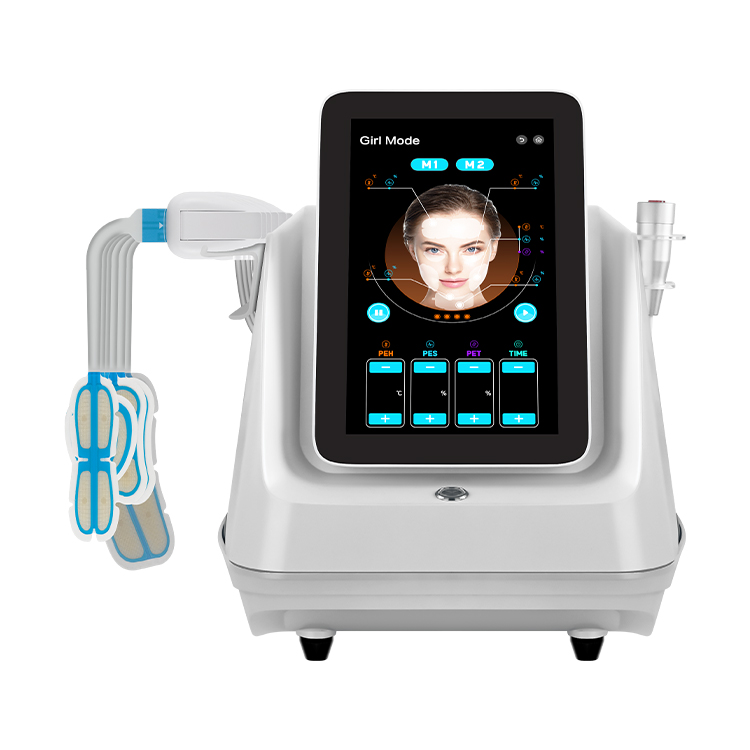
Pelvic floor dysfunction has become a widely recognized health concern affecting women and men of various ages, particularly after childbirth, surgery, or due to aging. Traditionally, treatment options were limited to physical therapy exercises or invasive surgical procedures. However, in recent years, the landscape of pelvic health has changed dramatically with the rise of non-invasive pelvic floor treatments. These approaches are gaining popularity not just because they reduce recovery time and discomfort, but because they provide effective care solutions accessible in outpatient and at-home settings. From technological advancements to changing patient preferences, several factors contribute to this trend.

1. Understanding Pelvic Floor Dysfunction and Treatment Needs
1.1 What Is Pelvic Floor Dysfunction?
The pelvic floor consists of muscles, ligaments, and connective tissues that support pelvic organs like the bladder, uterus, and rectum. Dysfunction in this area can lead to symptoms such as urinary incontinence, pelvic pain, organ prolapse, and reduced sexual function. These symptoms impact quality of life and affect millions of individuals worldwide.
Understanding the complexity of pelvic floor issues has encouraged both clinicians and patients to seek treatments that are not only effective but also comfortable and accessible.
1.2 Why Traditional Treatments Fall Short
Conventional pelvic floor rehabilitation often relies on pelvic floor exercises (Kegels), biofeedback, or, in severe cases, surgical intervention. While physical therapy has benefits, it requires consistent effort over months and depends heavily on patient compliance. Surgery, on the other hand, involves risks, anesthesia, and extended downtime, making it an undesirable option for many.
This gap between effectiveness and patient experience has led to greater interest in non-invasive alternatives.
2. Technological Advancements Fueling Growth
2.1 Electromagnetic Stimulation for Pelvic Floor Rehabilitation
One major driver of the popularity of non-invasive pelvic floor treatments is the development of electromagnetic stimulation technologies. Devices that use электромагнитные импульсы to stimulate pelvic muscle contractions provide targeted therapy without the need for needles, incisions, or extensive manual therapy.
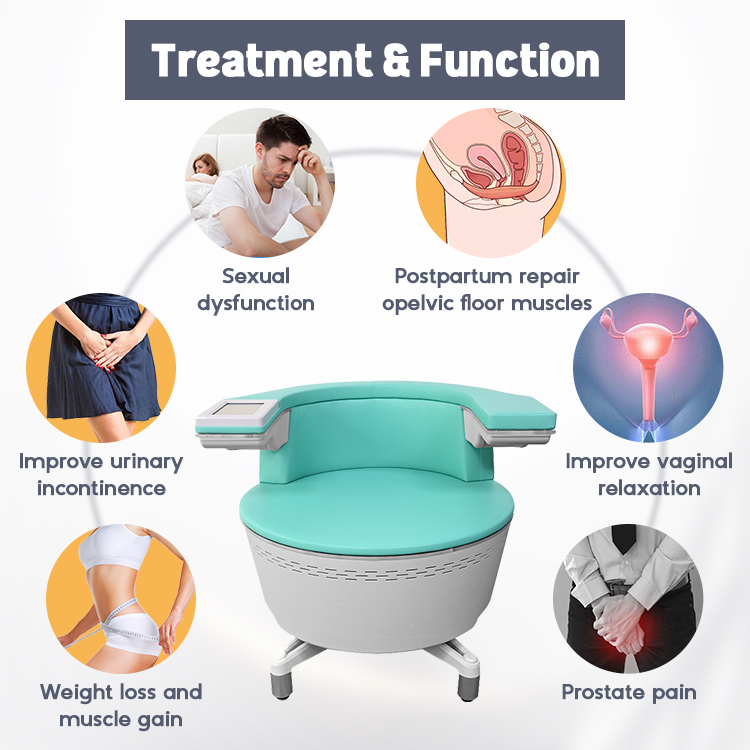
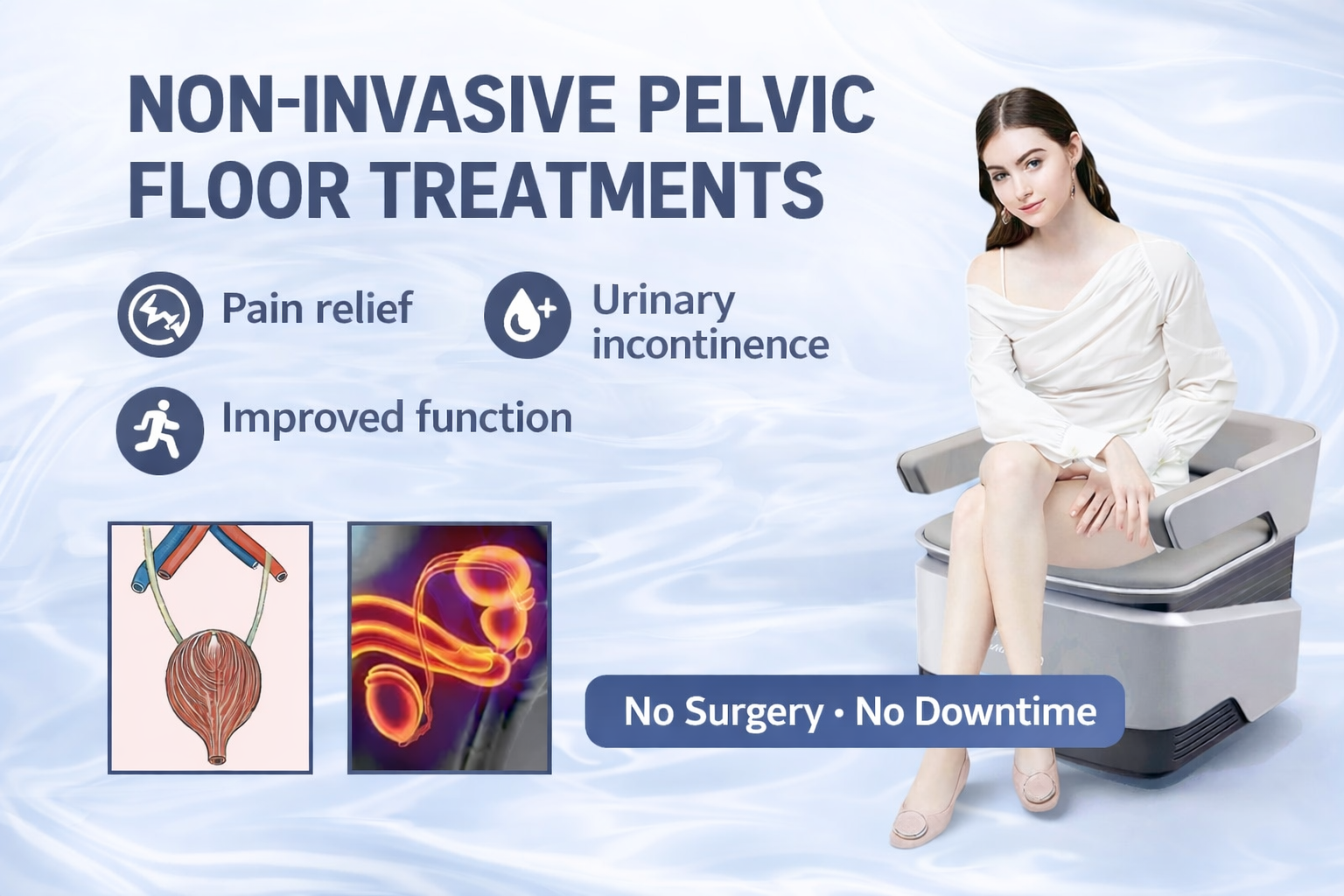
For example, next-generation systems such as the Women’s Postpartum Repair EMS Chair (Pelvic Floor Chair) combine ergonomic design with EMS stimulation to support postpartum recovery comfortably.
https://shefmon.com/product/e0435-womens-postpartum-repair-new-ems-chair-pelvic-floor-chair-ems-seat-ems-pelvic-floor-muscle-stimulator/
2.2 Clinic-Grade EMS Chairs
Other sophisticated devices, like the Электромагнитная стимуляция мышц тазового дна, реабилитация с помощью кресла для ЭМС-стимуляции., offer professional-level stimulation programs that can be used in medical clinics and wellness centers. These technologies enable clinicians to deliver customized treatment protocols tailored to individual muscle tone and therapeutic goals.
https://shefmon.com/product/e0436-electromagnetic-stimulation-pelvic-floor-muscle-rehabilitation-ems-chair/
3. Advantages of Non-Invasive Pelvic Floor Treatments
3.1 Comfortable and Low-Risk Procedures
Non-invasive treatments are generally comfortable and have a favorable safety profile compared to invasive surgeries. Sessions typically last 15–30 minutes and involve minimal discomfort. There is no recovery downtime, allowing patients to resume daily activities immediately after treatment.
This low-risk aspect makes these treatments particularly appealing to individuals who want effective results without disrupting their routines.
3.2 Suitable for a Wide Range of Patients
Non-invasive pelvic floor therapy is suitable for women post-childbirth, individuals experiencing mild to moderate urinary incontinence, and even those beginning preventative care for age-related muscle weakening. Because these treatments are non-surgical, they can be used earlier in the care spectrum, possibly preventing progression to more severe dysfunction that requires surgery.

Машина emsculpt на продажу до и после скульптурирования тела 2024
4. Increased Patient Awareness and Acceptance
4.1 Education and Information Availability
With the rise of digital health education, patients are now more informed about pelvic floor health than ever before. Online resources, patient communities, and medical platforms provide comprehensive information about symptoms, treatment options, and success stories. This increased awareness motivates individuals to seek help earlier and pursue non-invasive alternatives.
4.2 Reduced Stigma Around Pelvic Health
Historically, pelvic floor issues were considered taboo or embarrassing to discuss. However, the conversation around pelvic health has shifted significantly. Open discussions in women’s health communities, maternity care settings, and social media have helped normalize pelvic floor concerns—making it easier for individuals to explore treatment options without hesitation.
5. Evidence of Effectiveness and Clinical Support
5.1 Research and Clinical Validation
Numerous studies affirm the effectiveness of non-invasive pelvic floor stimulation in improving muscle strength, reducing incontinence, and enhancing overall pelvic support. Electromagnetic stimulation has been shown to elicit muscle contractions that are difficult to achieve with voluntary exercises alone.
Clinicians increasingly rely on this evidence to recommend non-invasive treatments as part of personalized pelvic floor rehabilitation programs.
5.2 Integration with Multidisciplinary Care
Non-invasive treatments are often integrated into broader care plans that include physical therapy, lifestyle modifications, and strength conditioning. This comprehensive approach enhances outcomes and encourages consistent patient engagement.
6. Accessibility and Cost Considerations
6.1 Expanded Availability Across Settings
Pelvic floor EMS devices are now available in various care settings—from specialized women’s health clinics to community wellness centers. Some manufacturers also offer home-use units designed for safe personal use under professional guidance. This accessibility expands care options for patients who may not have easy access to clinical facilities.
6.2 Cost-Effectiveness Compared to Surgery
While surgical interventions can be expensive and carry additional costs related to anesthesia, hospitalization, and recovery time, non-invasive pelvic floor treatments present a more affordable option with compelling long-term value. When covered by insurance or offered through care plans, these therapies can be cost-effective alternatives.
Заключение
Non-invasive pelvic floor treatments are gaining popularity due to technological innovation, improved patient awareness, and an enhanced understanding of pelvic health. Compared to traditional approaches, these therapies offer comfort, safety, and effectiveness with little to no downtime. As technologies like Скорая помощь pelvic stimulation continue to advance, and as conversations around pelvic health become more open, adoption of non-invasive treatments is expected to grow even further. By providing solutions that are accessible, validated by research, and tailored to individual needs, non-invasive pelvic floor treatments are redefining how clinicians and patients approach pelvic rehabilitation in today’s healthcare landscape.