Лазер hair removal has become one of the most popular non-invasive aesthetic treatments worldwide, offering long-term hair reduction with improved comfort and efficiency compared to traditional methods. However, one of the most common questions from clients and practitioners alike is: what skin tones and hair types are suitable for laser hair removal? The effectiveness and safety of laser treatments largely depend on how laser wavelengths interact with melanin in both the skin and hair. Understanding these factors is essential for choosing the right technology and setting realistic expectations.
1. How Laser Hair Removal Works
1.1 The Role of Melanin
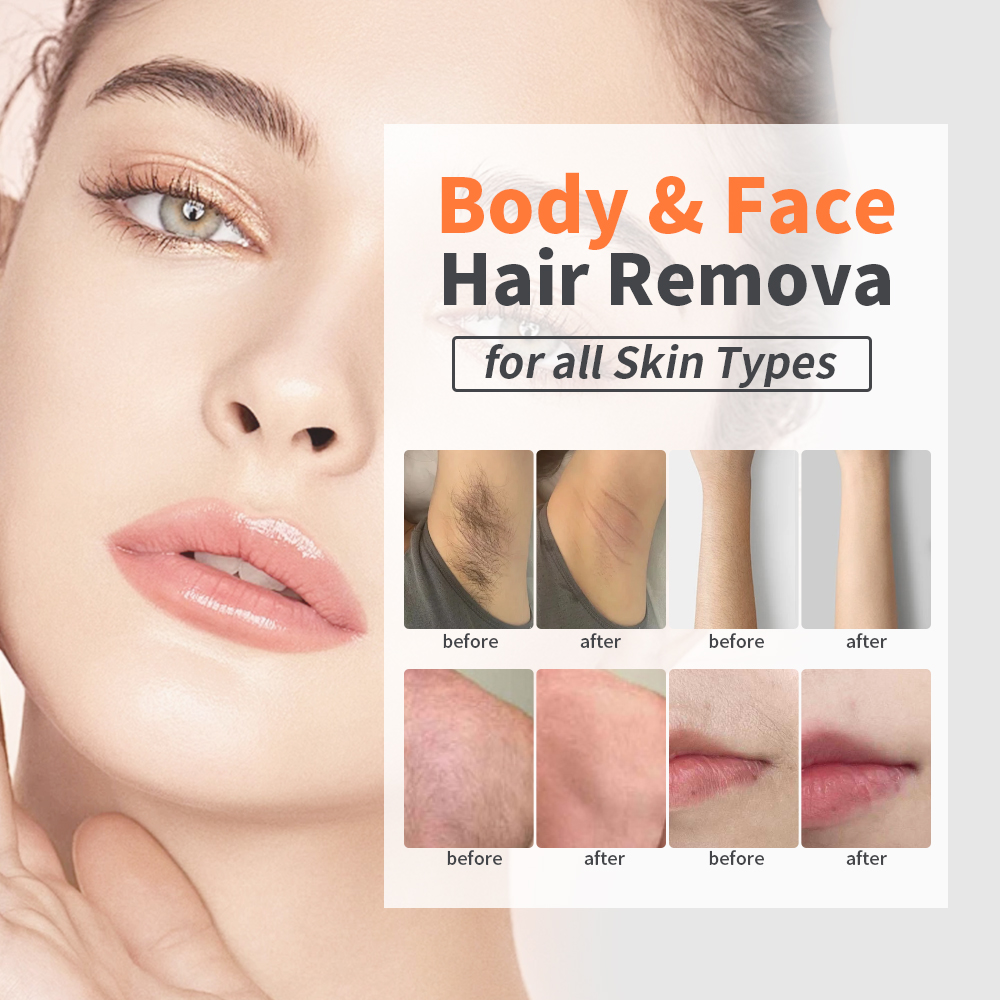
Laser hair removal works through a process called selective photothermolysis. The laser emits light energy that is absorbed by melanin in the hair shaft. This energy is converted into heat, which damages the hair follicle and inhibits future growth while minimizing impact on surrounding tissue. Because melanin is the primary target, both hair color and skin tone play a critical role in treatment outcomes.
1.2 Why Wavelength Matters
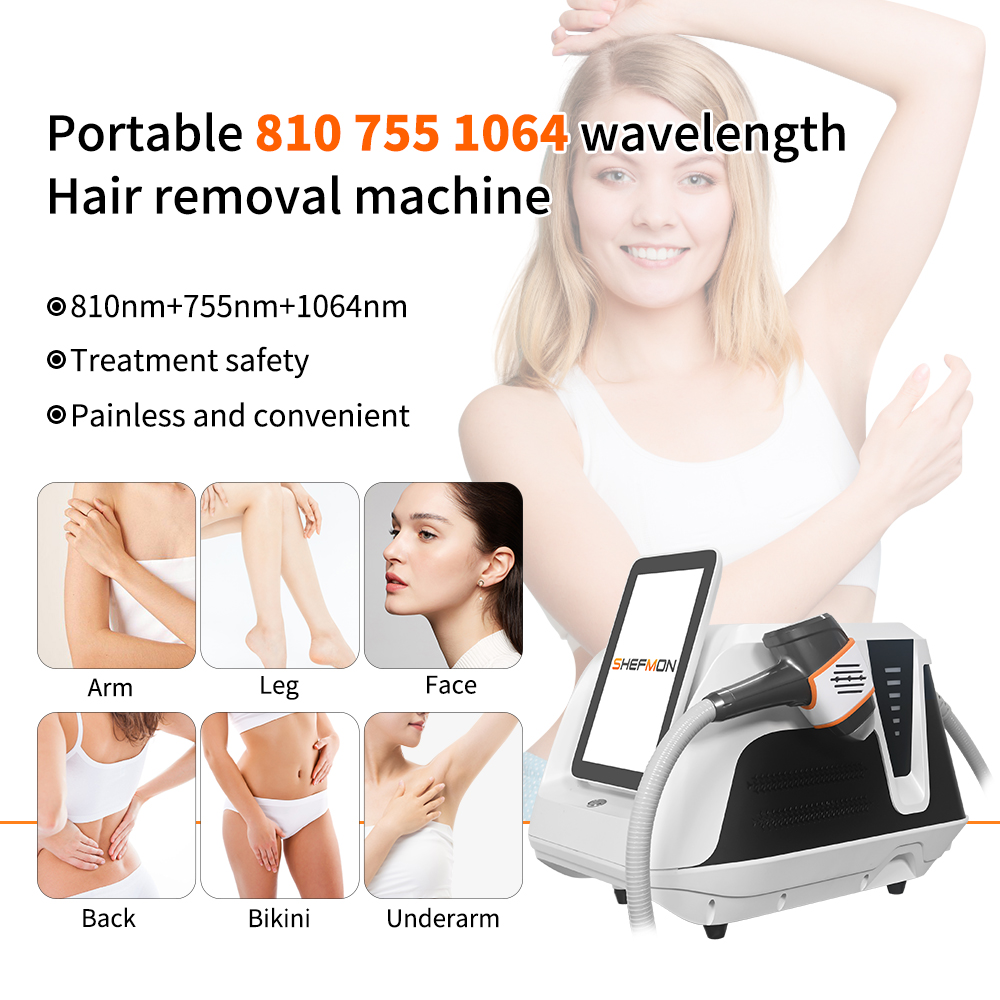
Different laser wavelengths penetrate the skin at different depths and interact with melanin in varying ways. Advanced diode laser systems use multiple wavelengths to safely and effectively treat a broader range of skin tones and hair types by balancing absorption and penetration depth.
Multi-wavelength systems such as the 755/810/940/1064nm Diode Laser Hair Removal Beauty Machine are designed to optimize results across diverse client profiles by combining several clinically proven wavelengths in one platform.
https://shefmon.com/product/a0426-755-1064-810-940nm-diode-laser-hair-removal-beauty-machine/
2. Suitable Skin Tones for Laser Hair Removal
2.1 Light to Medium Skin Tones
Clients with light to medium skin tones (generally Fitzpatrick skin types I–III) are traditionally considered ideal candidates for laser hair removal. The contrast between darker hair and lighter skin allows the laser to effectively target hair follicles with minimal risk of skin overheating or pigmentation changes.
Wavelengths such as 755nm and 810nm are particularly effective for these skin tones, as they offer strong melanin absorption and efficient follicle damage.
2.2 Medium to Dark Skin Tones
Modern laser technology has significantly expanded treatment options for medium to dark skin tones (Fitzpatrick IV–VI). Longer wavelengths, especially 1064nm, penetrate deeper into the skin and bypass much of the epidermal melanin, reducing the risk of burns or post-inflammatory hyperpigmentation.
Advanced diode laser platforms that incorporate longer wavelengths allow practitioners to safely treat darker skin tones while maintaining effective hair reduction results.
3. Hair Types Best Suited for Laser Hair Removal
3.1 Dark, Coarse Hair
Dark and coarse hair responds best to laser hair removal because it contains a high concentration of melanin. The laser energy is readily absorbed, leading to more efficient follicle damage. Areas such as the legs, underarms, bikini line, and beard region typically show excellent results with fewer sessions.
3.2 Medium Hair Thickness
Medium-thickness hair can also respond well to laser treatment, although it may require additional sessions compared to very coarse hair. Proper energy settings and treatment intervals are key to achieving consistent reduction in these cases.
3.3 Fine or Light-Colored Hair
Fine hair and light-colored hair (blonde, red, gray, or white) contain significantly less melanin, making them more challenging to treat with laser technology. While some modern systems can partially improve outcomes for lighter hair, results are generally less predictable, and complete hair removal may not be achievable.
4. Matching Laser Technology to Skin and Hair Types
4.1 Multi-Wavelength Advantage
One of the biggest advancements in laser hair removal is the development of devices that combine multiple wavelengths in a single system. This allows practitioners to customize treatments based on individual skin tone and hair characteristics, improving safety and consistency.
Professional systems like the A0423 Laser Hair Removal Machine are designed to support flexible treatment protocols and accommodate a wide range of client needs through adjustable parameters and advanced cooling technologies.
https://shefmon.com/product/a0423-laser/
4.2 Cooling and Safety Features
Integrated cooling systems are essential for protecting the skin during treatment, especially for darker skin tones or sensitive areas. Effective cooling minimizes discomfort and reduces the risk of adverse effects, allowing higher energy delivery when appropriate.
5. Factors That Affect Treatment Results
5.1 Hormonal Influence
Hormonal imbalances can affect hair growth patterns and may influence how well laser hair removal works. Conditions such as polycystic ovary syndrome (PCOS) can lead to increased hair growth, requiring additional sessions or maintenance treatments.
5.2 Treatment Area and Hair Growth Cycle
Hair grows in cycles, and laser hair removal is most effective during the active growth (anagen) phase. Because not all hairs are in this phase at the same time, multiple sessions spaced several weeks apart are necessary to achieve optimal results regardless of skin tone or hair type.
5.3 Practitioner Experience
Proper assessment of skin type, hair color, and medical history is critical. Skilled practitioners adjust laser settings accordingly to ensure both safety and effectiveness, especially when treating darker skin tones or mixed hair textures.
6. Who May Not Be Ideal Candidates
6.1 Very Light or White Hair
Clients with white or gray hair typically do not respond well to laser hair removal due to the absence of melanin. Alternative methods such as electrolysis may be more suitable in these cases.
6.2 Recently Tanned Skin
Tanned skin increases epidermal melanin levels, raising the risk of side effects. Most practitioners recommend waiting until the tan fades before undergoing laser hair removal.
Заключение
Laser hair removal can be effective for a wide range of skin tones and hair types when the correct technology and protocols are used. While dark hair and lighter skin tones remain the most responsive, modern multi-wavelength diode laser systems now allow safe and effective treatment for medium to dark skin tones as well. Understanding how skin tone, hair color, and laser wavelength interact helps clinics deliver personalized treatments and realistic expectations. With proper assessment, advanced equipment, and professional operation, laser hair removal remains a versatile and reliable solution for long-term hair reduction across diverse client populations.