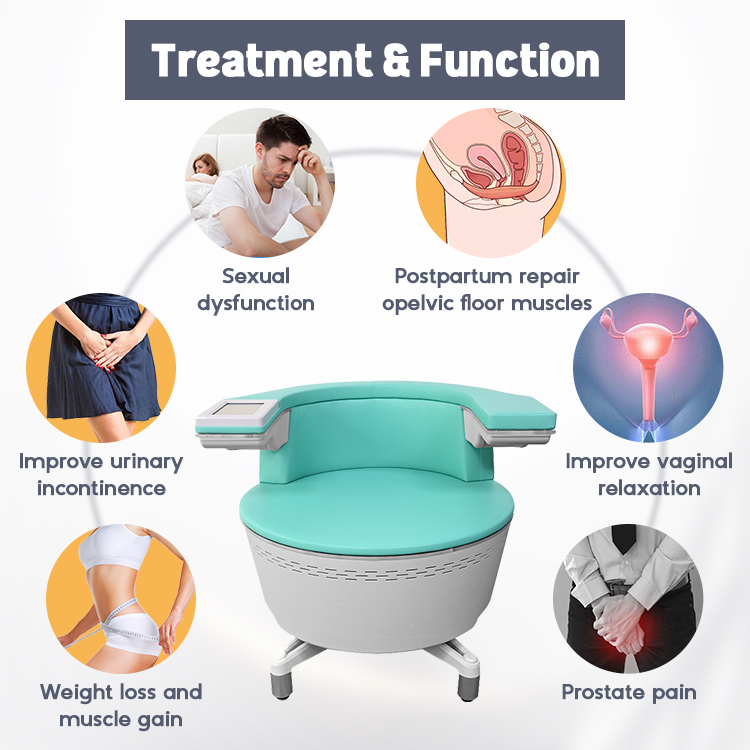










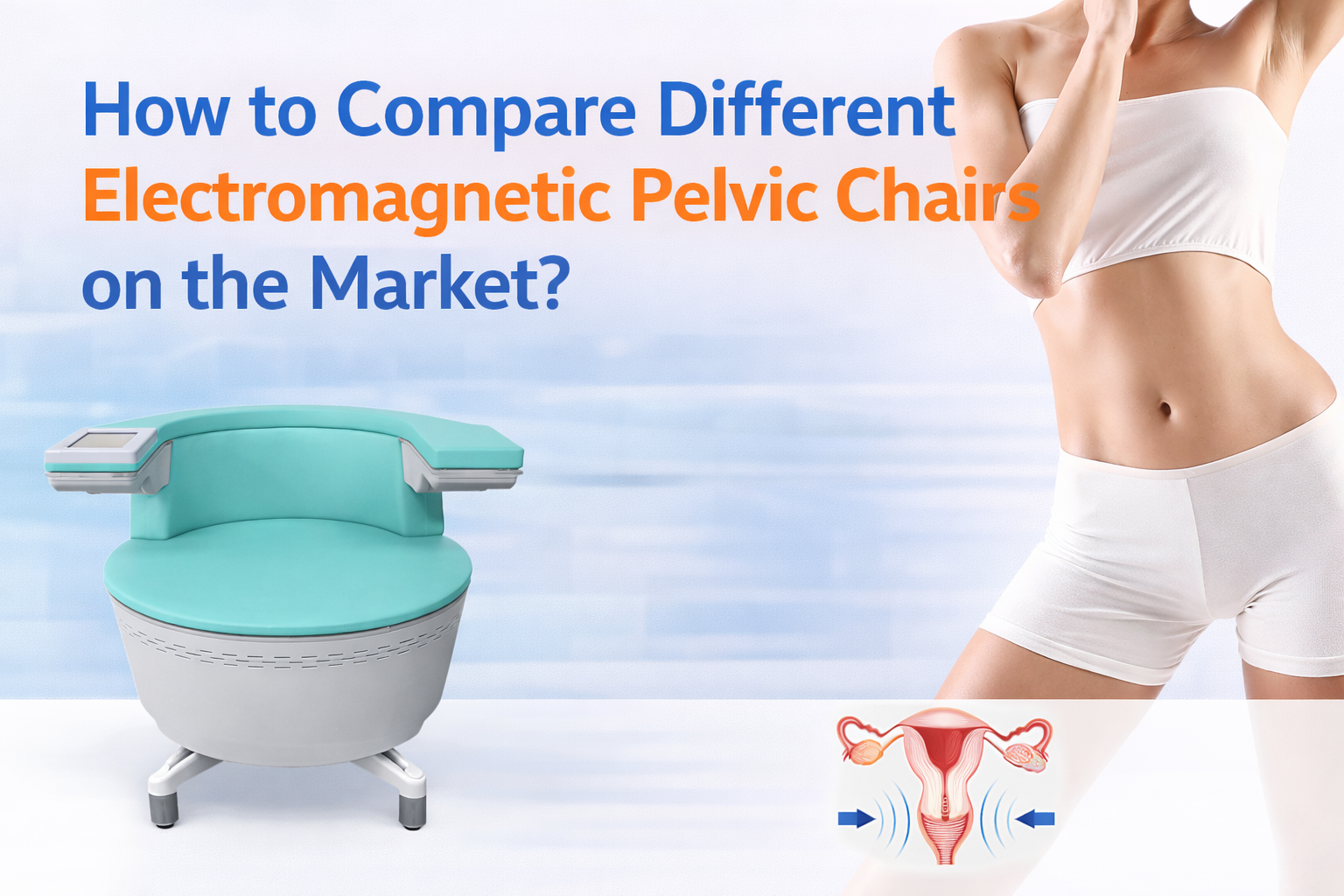
Electromagnetic pelvic chairs have gained popularity in clinics and wellness centers due to their non-invasive approach to pelvic floor muscle stimulation. They are widely used for postpartum recovery, incontinence support, pelvic muscle strengthening, and overall pelvic health maintenance. As the market expands, multiple models with varying features, technologies, and capabilities have become available. Comparing these devices effectively helps buyers choose solutions that best match clinic goals, patient needs, treatment efficiency, and return on investment.
1. Understanding Electromagnetic Pelvic Chairs
1.1 What Electromagnetic Pelvic Chairs Do
Electromagnetic pelvic chairs use pulsed electromagnetic field stimulation (PEMF) or electrical muscle stimulation (EMS) to non-invasively activate deep pelvic floor muscles. This technology causes repeated muscle contractions, improving strength, coordination, and blood circulation without requiring active physical exercises from the patient.
1.2 Core Benefits Compared to Traditional Therapy
Compared to manual pelvic floor training or pelvic physical therapy, electromagnetic pelvic chairs offer hands-free stimulation, consistent force delivery, and time-efficient sessions. They can be particularly beneficial for patients who struggle with voluntary muscle activation or have limitations performing traditional exercises.
2. Key Factors to Consider When Comparing Models
2.1 Stimulation Technology and Intensity Levels
A primary aspect of comparison is the stimulation technology used. Some devices rely on basic pulsed electromagnetic fields, while others incorporate advanced frequency modulation and intensity control. Higher flexibility in frequency and pulse width enables customized treatment protocols for different pelvic issues, from mild postpartum weakness to chronic incontinence.
The Электростимуляционное кресло для восстановления после родов у женщин is designed with specialized stimulation patterns tailored for postpartum pelvic realignment, muscle coordination, and relaxation.
https://shefmon.com/product/e0435-womens-postpartum-repair-new-ems-chair-pelvic-floor-chair-ems-seat-ems-pelvic-floor-muscle-stimulator/
2.2 Muscle Activation Depth and Treatment Areas
Depth of muscle activation determines which muscle layers are stimulated. Some chairs are optimized for superficial muscle engagement, while advanced systems deliver deeper electromagnetic penetration to reach pelvic floor muscles more effectively. Buyers should evaluate whether the device can target the intended muscle groups based on their clinic’s patient demographic.
The Электромагнитная стимуляция мышц тазового дна, реабилитация с помощью кресла для ЭМС-стимуляции. offers a balanced stimulation depth suitable for rehabilitation and strength enhancement across a broader range of pelvic conditions.
https://shefmon.com/product/e0436-electromagnetic-stimulation-pelvic-floor-muscle-rehabilitation-ems-chair/
2.3 Treatment Programs and Presets
Another point of differentiation lies in pre-programmed treatment modes. Leading devices often include multiple presets such as strengthening, endurance, relaxation, and muscle retraining programs. These preset options save time during clinical operations and help standardize treatment quality across patients.
2.4 User Interface and Controls
A user-friendly interface reduces training time for staff and minimizes operational errors. Touchscreen panels, intuitive software menus, and easy-to-read treatment dashboards improve usability. Some models also offer remote control or app connectivity for increased convenience.
3. Design and Ergonomics
3.1 Seating Comfort and Adjustability
Ergonomic design directly impacts patient comfort and treatment compliance. Look for chairs with well-padded seats, adjustable angles, and lumbar support. Patients undergoing multiple sessions or those with mobility challenges benefit from thoughtful design features.
3.2 Portability and Footprint
For clinics with limited space or high patient throughput, size and mobility of the device matter. Compact chairs with integrated wheels or easy repositioning features enhance flexibility in treatment rooms.
4. Safety Features and Clinical Reliability
4.1 Built-In Safety Protocols
Reliable electromagnetic pelvic chairs incorporate safety protocols such as automatic shut-off, real-time intensity monitoring, and overheat protection. These features protect both patients and equipment.
4.2 Material Quality and Certification
Medical-grade materials and compliance with safety standards ensure long-term durability and regulatory trust. Buyers should check for any relevant certifications or quality assurance documentation that accompanies the devices.

5. Treatment Efficacy and Patient Experience
5.1 Consistency in Treatment Delivery
Consistent muscle activation and reproducible sessions contribute to clinical success. Electromagnetic chairs with programmable session tracking help clinicians monitor progress and adjust protocols as needed.
5.2 Patient Comfort and Feedback
Patient sensation during electromagnetic stimulation varies depending on intensity and muscle sensitivity. Devices with gradual intensity build-up and customizable patient comfort settings enhance acceptance and satisfaction.
6. Cost, Warranty, and After-Sales Support
6.1 Price vs. Feature Balance
Comparing price points relative to features helps clinics assess value for money. Basic models may be suitable for small practices, while advanced units with multiple modes and deeper stimulation may justify higher investment for specialty clinics.
6.2 Warranty Coverage and Service
Longer warranty periods, extended service plans, and responsive technical support reduce operational risk. Reliable after-sales support ensures faster troubleshooting and maintenance.
7. How to Make an Informed Purchase Decision
7.1 Define Clinic Needs and Patient Base
Start by outlining the primary clinical goals — whether it’s postpartum recovery, incontinence management, or general pelvic strengthening. Matching device capabilities to real patient needs avoids over-investment in features that may not be used.
7.2 Evaluate Case Studies and Clinical Evidence
Look for case studies, user feedback, and clinical trial results where available. Real-world performance often provides insights beyond technical specifications.
7.3 Compare Long-Term Operational Costs
Beyond the purchase price, consider operating expenses such as electricity consumption, consumables, service contracts, and staff training time. A slightly more expensive machine with lower operating costs may prove more economical in the long run.
Заключение
Comparing different electromagnetic pelvic chairs on the market requires a multi-dimensional evaluation: technology, muscle activation effectiveness, design ergonomics, safety, cost, and overall user experience. By carefully assessing stimulation depth, treatment programs, user interface, patient comfort, and after-sales support, clinics can select a solution that aligns with their therapeutic goals and business needs. Whether choosing a postpartum-focused model or a general pelvic rehabilitation chair, informed comparisons help ensure effective patient outcomes and high clinical satisfaction.