









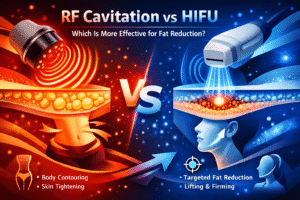


Non-invasive body contouring has become a core service in modern aesthetic clinics, and among the most discussed technologies are RF cavitation and HIFU. Both aim to reduce localized fat and improve body shape without surgery, yet they work in very different ways and deliver different types of results. Understanding which is more effective for fat reduction depends on treatment depth, target areas, patient comfort, and long-term goals.
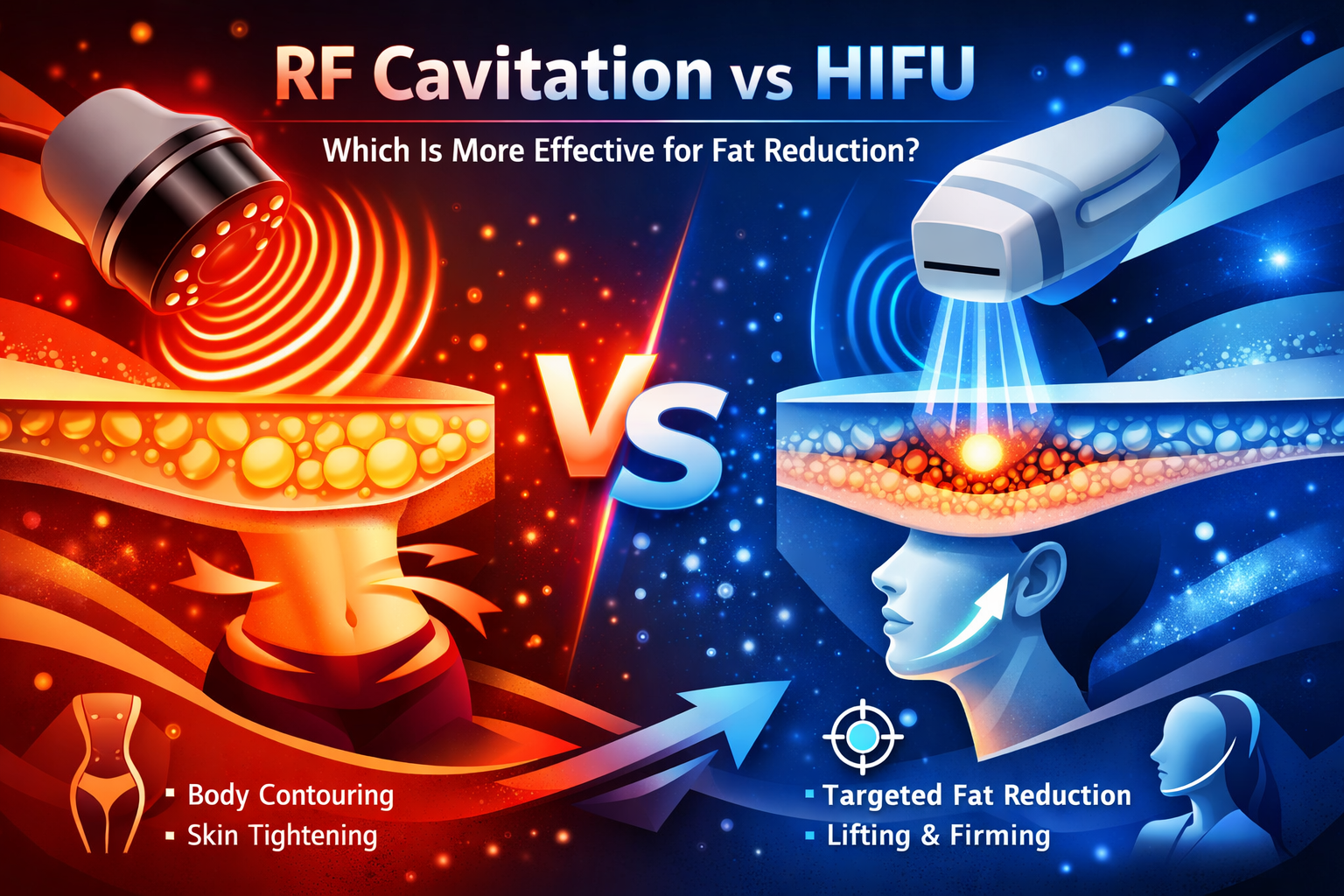
1. Understanding RF Cavitation for Fat Reduction
1.1 How RF Cavitation Works
RF cavitation combines radio frequency energy with complementary technologies such as low-level laser and EMS to gradually reduce fat volume. RF energy generates controlled deep heat, typically around 36–45°C, which increases blood circulation, accelerates metabolism, and helps shrink fat cells rather than destroying them instantly. Over multiple sessions, the body naturally metabolizes the released fatty acids through the lymphatic system.
1.2 Why Clinics Use RF Cavitation for Body Slimming
Clinics often choose RF cavitation for clients seeking visible but gradual fat reduction with skin tightening benefits. It is especially suitable for areas like the abdomen, thighs, arms, waistline, and hips, where fat is superficial and spread over a larger surface. Multi-handle systems allow simultaneous treatment of several zones, improving efficiency and client comfort.
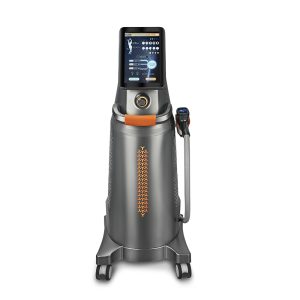
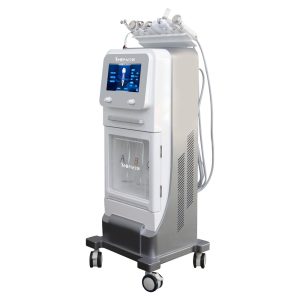
A good example of this approach is a multifunctional RF cavitation system that integrates RF, EMS, and lipo laser to enhance fat reduction, lymphatic drainage, and skin elasticity in one treatment protocol.
https://shefmon.com/product/3-in-1-super-lipolaser-rf-ems-muscle-stimulator/
1.3 Fat Reduction Results with RF Cavitation
RF cavitation is not designed for rapid fat destruction. Instead, it delivers consistent circumference reduction, smoother skin texture, and improved firmness over a series of sessions. Clinics recommend it for clients who value comfort, minimal downtime, and progressive results that look natural.
2. Understanding HIFU for Fat Reduction
2.1 How HIFU Targets Fat Cells
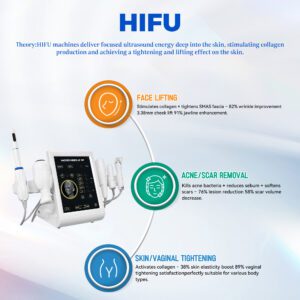
HIFU uses high-intensity focused ultrasound to deliver concentrated energy at precise depths beneath the skin. This energy creates thermal coagulation points that can damage fat cells directly while leaving surrounding tissue intact. The body then gradually removes these damaged cells over several weeks.
2.2 HIFU’s Strength in Localized Fat Reduction
Clinics tend to recommend HIFU when fat deposits are more localized and resistant, such as double chin areas, lower abdomen bulges, or stubborn pockets that do not respond well to diet and exercise. Because HIFU penetrates deeper layers, it can also tighten the SMAS or deep connective tissues, offering a lifting effect alongside fat reduction.
2.3 Limitations of HIFU for Full-Body Slimming
While HIFU can be effective, it is not ideal for large-area fat reduction. Treatments can be more intense, and the number of shots per session is limited. As a result, clinics rarely rely on HIFU alone for full-body contouring programs.
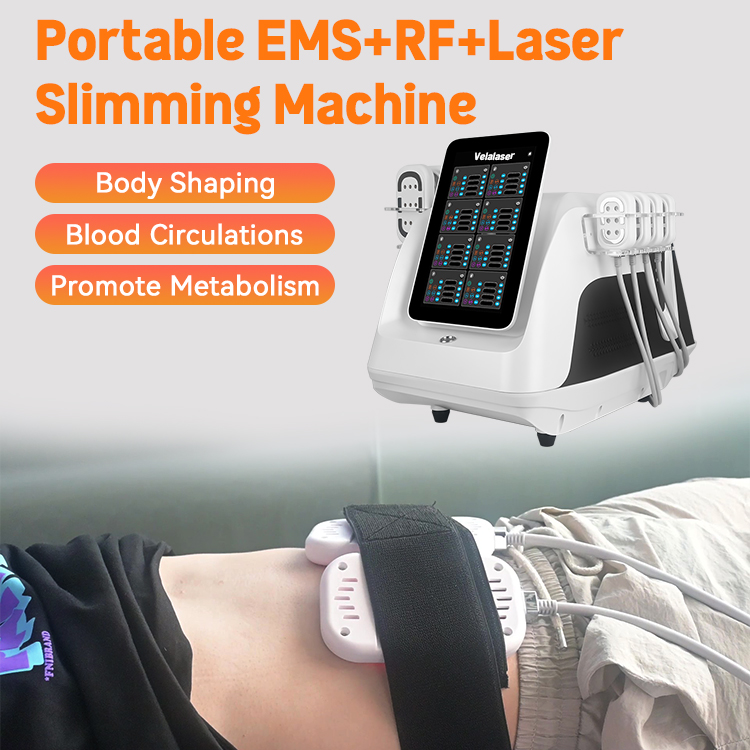
Velalaser 3 In 1 Super Lipolaser RF Ems Muscle Stimulator Slimming Machine
3. RF Cavitation vs HIFU: A Clinical Effectiveness Comparison
3.1 Effectiveness by Fat Type and Location
For diffuse, soft fat across large body areas, RF cavitation is generally more effective and practical. It treats surface and mid-level fat consistently while improving skin quality. For compact, localized fat deposits, HIFU may deliver stronger fat reduction per session due to its focused energy delivery.
3.2 Comfort, Safety, and Repeatability
RF cavitation is widely considered more comfortable, making it suitable for repeated treatments and long-term body shaping plans. HIFU treatments can involve more discomfort and are usually spaced farther apart. Clinics often factor this into their recommendations, especially for first-time body contouring clients.
3.3 Skin Tightening as a Supporting Factor
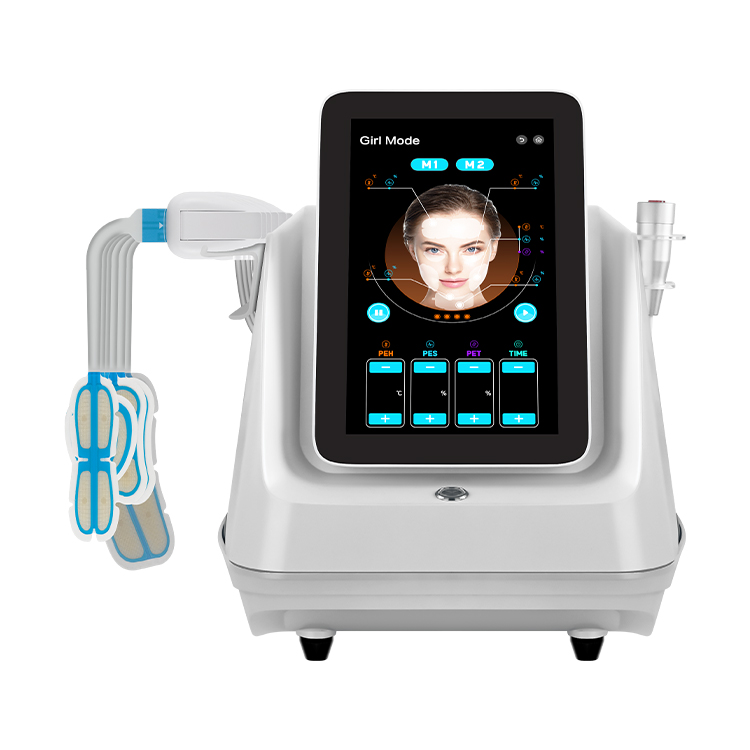
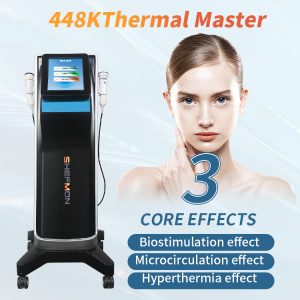
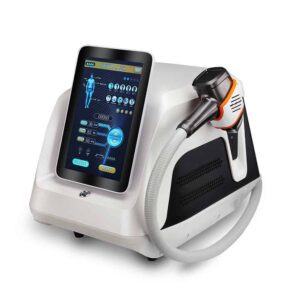
An important reason clinics favor RF cavitation is its reliable skin tightening effect. As fat volume decreases gradually, RF stimulates collagen regeneration, reducing the risk of loose skin. Advanced monopolar RF systems are also used independently for tightening and cellulite reduction, reinforcing RF’s role in fat reduction programs.
https://shefmon.com/product/448k-tecar-vertical-monopolar-rf-lifting-machine/
4. Which Treatment Do Clinics Recommend Most Often?
4.1 RF Cavitation for Long-Term Body Contouring
Most clinics recommend RF cavitation as the foundation of fat reduction programs. Its ability to treat multiple areas simultaneously, combined with lymphatic drainage and skin tightening, makes it suitable for a wide range of body types and goals.
4.2 HIFU as a Targeted Enhancement
Rather than replacing RF cavitation, HIFU is often used as a targeted solution for specific problem areas. Clinics may combine both technologies in advanced treatment plans, using RF cavitation for overall slimming and HIFU for stubborn fat pockets.
5. Choosing the Right Technology for Fat Reduction Goals
5.1 Client Expectations and Treatment Planning
Effectiveness is not only about technology but also about matching expectations. Clients seeking gradual, natural-looking fat reduction with improved skin tone usually respond better to RF cavitation. Those aiming to address small, defined fat bulges may benefit more from HIFU.
5.2 Why Many Clinics Prefer RF Cavitation Overall
From a clinical perspective, RF cavitation offers flexibility, safety, and consistent results across diverse body areas. Its repeatability and comfort make it easier to integrate into ongoing wellness and body contouring programs.
In conclusion, RF cavitation is generally more effective for overall fat reduction due to its ability to treat larger areas comfortably while enhancing skin firmness and metabolism, whereas HIFU excels in reducing localized, stubborn fat deposits with deeper energy penetration. Rather than choosing one over the other, clinics often achieve the best outcomes by selecting the technology—or combination of technologies—that aligns with the client’s body type, fat distribution, and long-term aesthetic goals.