









Non-invasive body contouring and skin tightening treatments have become increasingly popular, and among the most discussed technologies are RF Cavitation and HIFU. Although both aim to improve body shape and skin firmness, they work in very different ways and are suitable for different needs. Understanding their core differences is essential for clinics, practitioners, and end users who want safe and effective results.
1. What Is RF Cavitation?
1.1 Core Technology Behind RF Cavitation
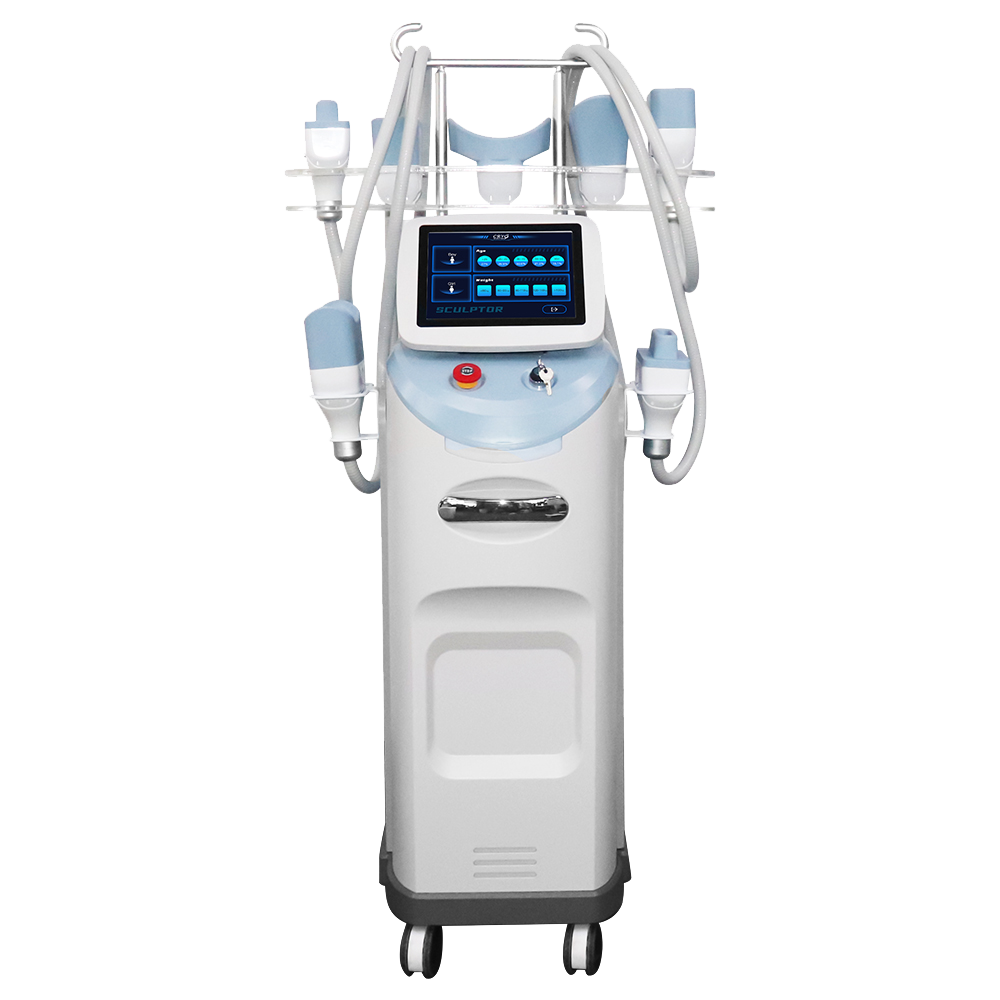
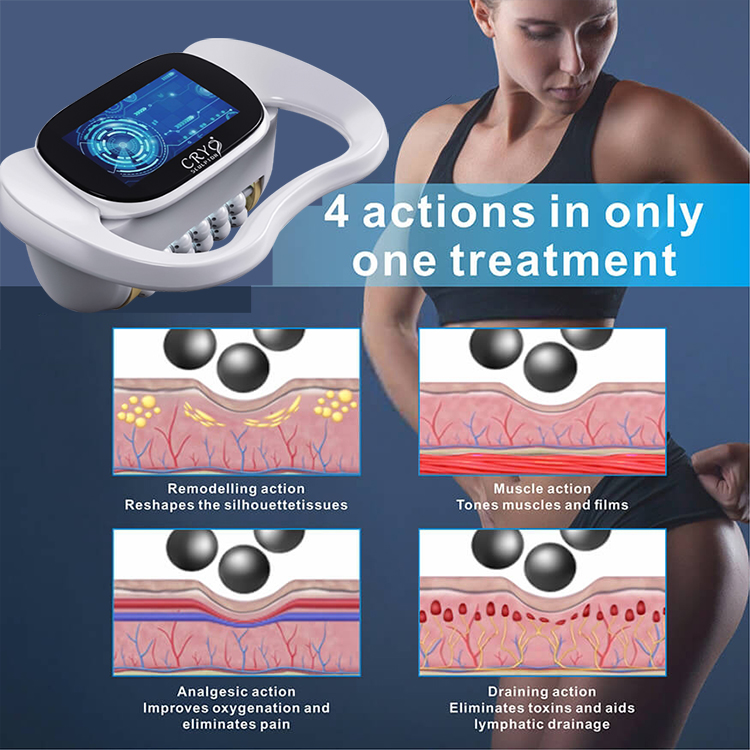
RF Cavitation typically combines radio frequency (RF) energy with low-level laser or EMS technology to target fat reduction and skin tightening at the same time. RF generates controlled deep heat in the dermal and subcutaneous layers, usually maintaining temperatures between 36–45°C. This heat stimulates collagen regeneration, improves blood circulation, and enhances skin elasticity. Cavitation or lipo laser components temporarily disrupt fat cell membranes, allowing fat to be metabolized naturally through the lymphatic system.
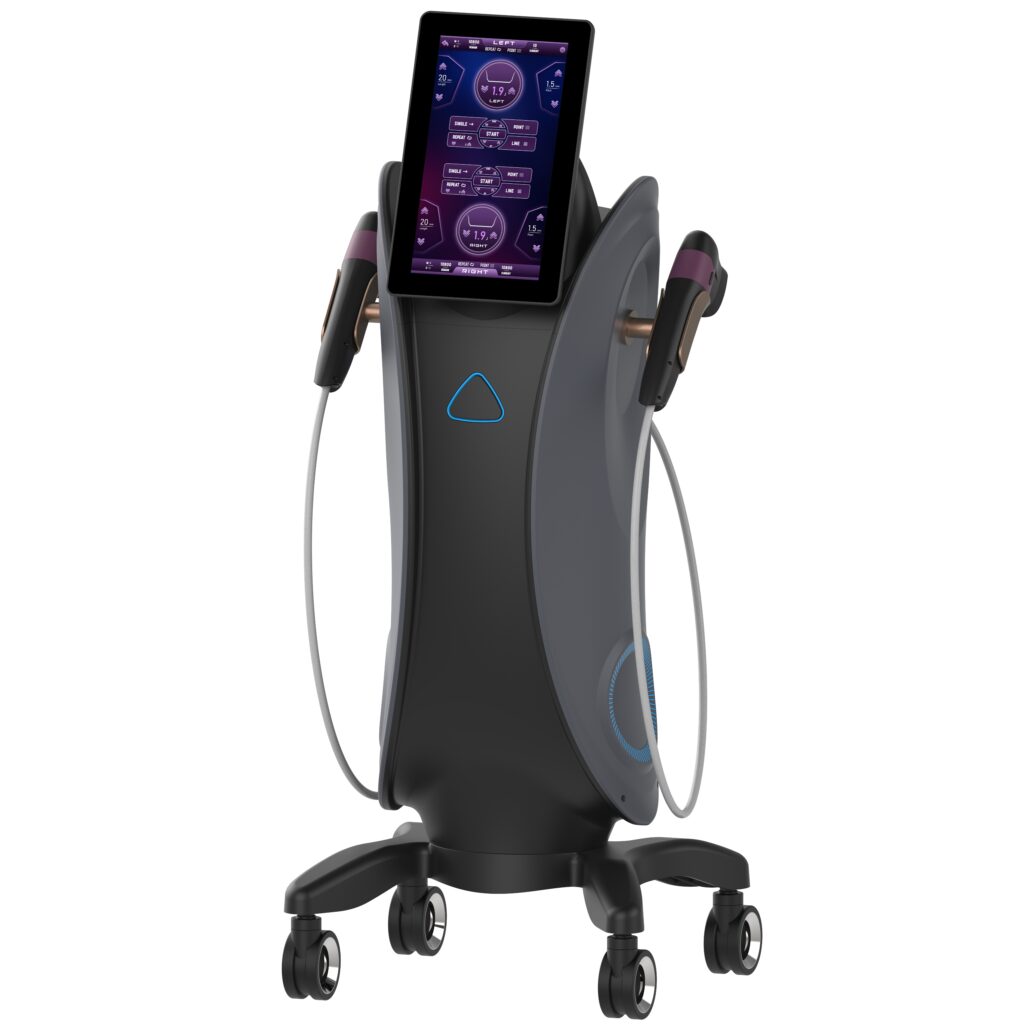
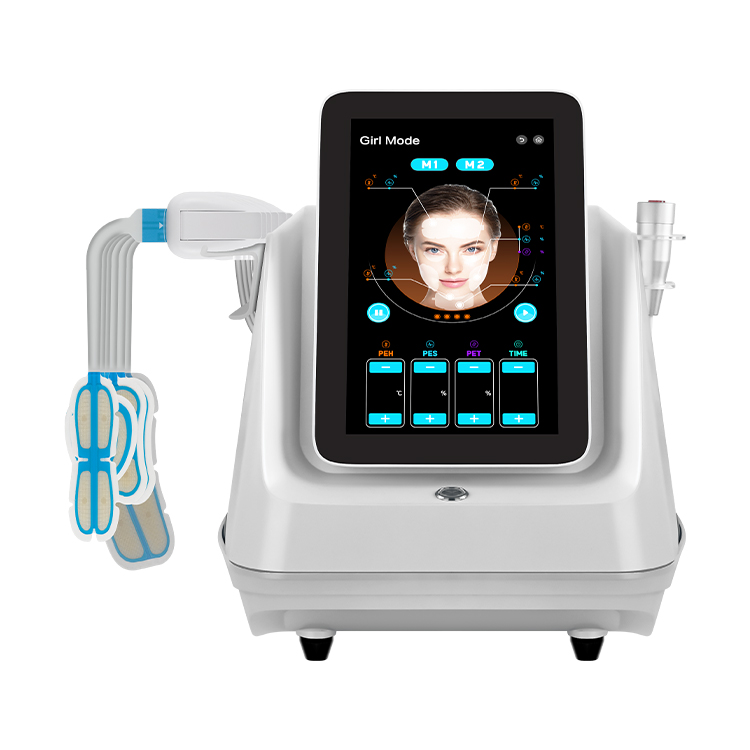
A representative example of this technology is the 3-in-1 Super Lipolaser RF EMS Muscle Stimulator, which integrates RF, EMS, and 650nm red lipo laser into one system, allowing simultaneous fat reduction, muscle stimulation, and skin tightening in a single session.
https://shefmon.com/product/3-in-1-super-lipolaser-rf-ems-muscle-stimulator/
1.2 Treatment Sensation and Recovery
RF Cavitation treatments are generally comfortable. Most clients feel warmth from RF and a mild tingling or muscle contraction from EMS. There is little to no downtime, making it suitable for regular body contouring sessions. Mild redness or temporary muscle soreness may occur but usually resolves quickly.
2. What Is HIFU?
2.1 Core Technology Behind HIFU
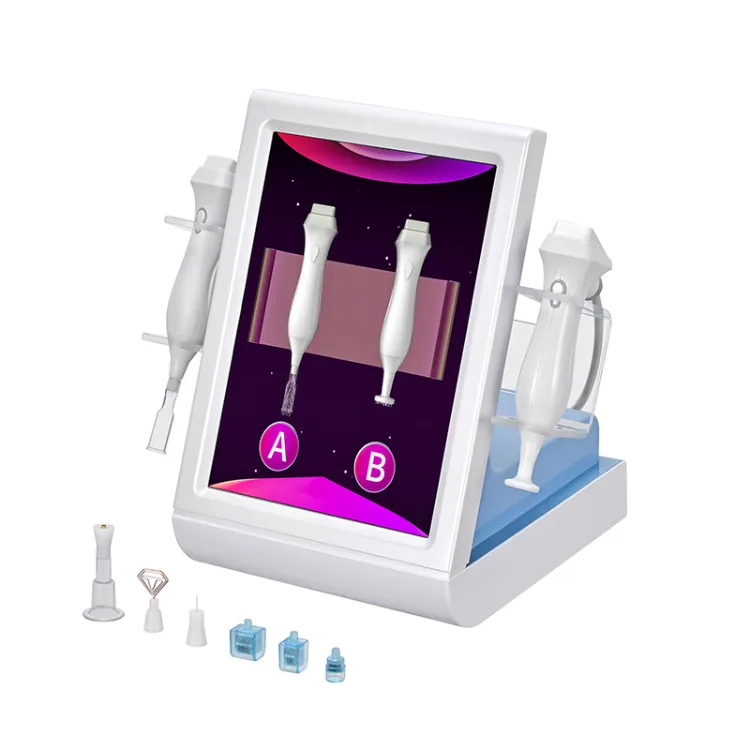
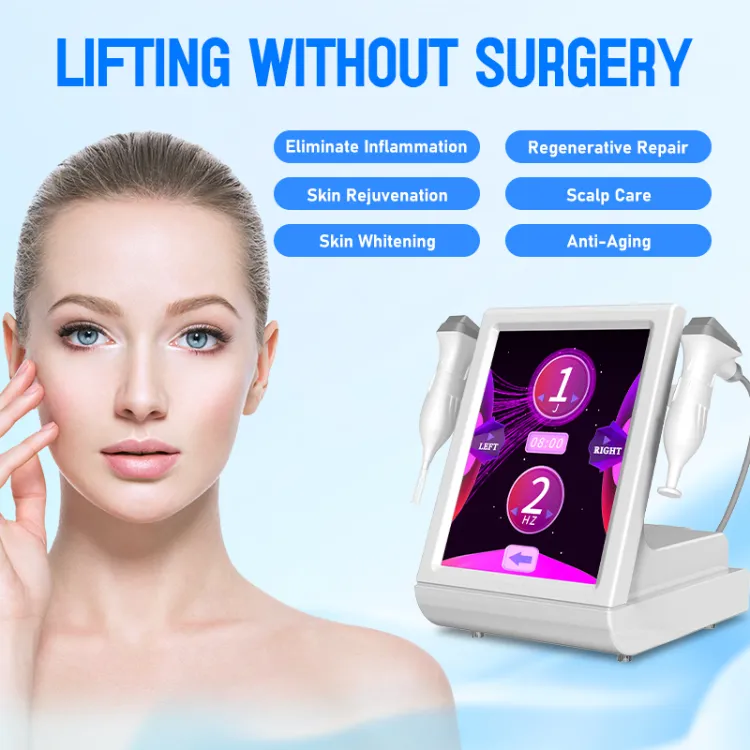
HIFU, or High-Intensity Focused Ultrasound, uses focused ultrasound waves to deliver energy at precise depths beneath the skin. Unlike RF, which heats tissue broadly, HIFU concentrates energy at specific focal points, creating thermal coagulation zones that stimulate collagen remodeling. This makes HIFU particularly effective for skin lifting and tightening, especially on the face, jawline, and deeper tissue layers.
2.2 Treatment Sensation and Recovery
HIFU treatments are more intense than RF Cavitation. Patients may experience sharp heat or tingling sensations during treatment. While downtime is still limited, some swelling, tenderness, or soreness can last for several days. Results typically develop gradually over weeks to months as collagen rebuilds.

portable hifu face wrinkle remove machine
3. RF Cavitation vs HIFU: Key Differences Explained
3.1 Treatment Depth and Target
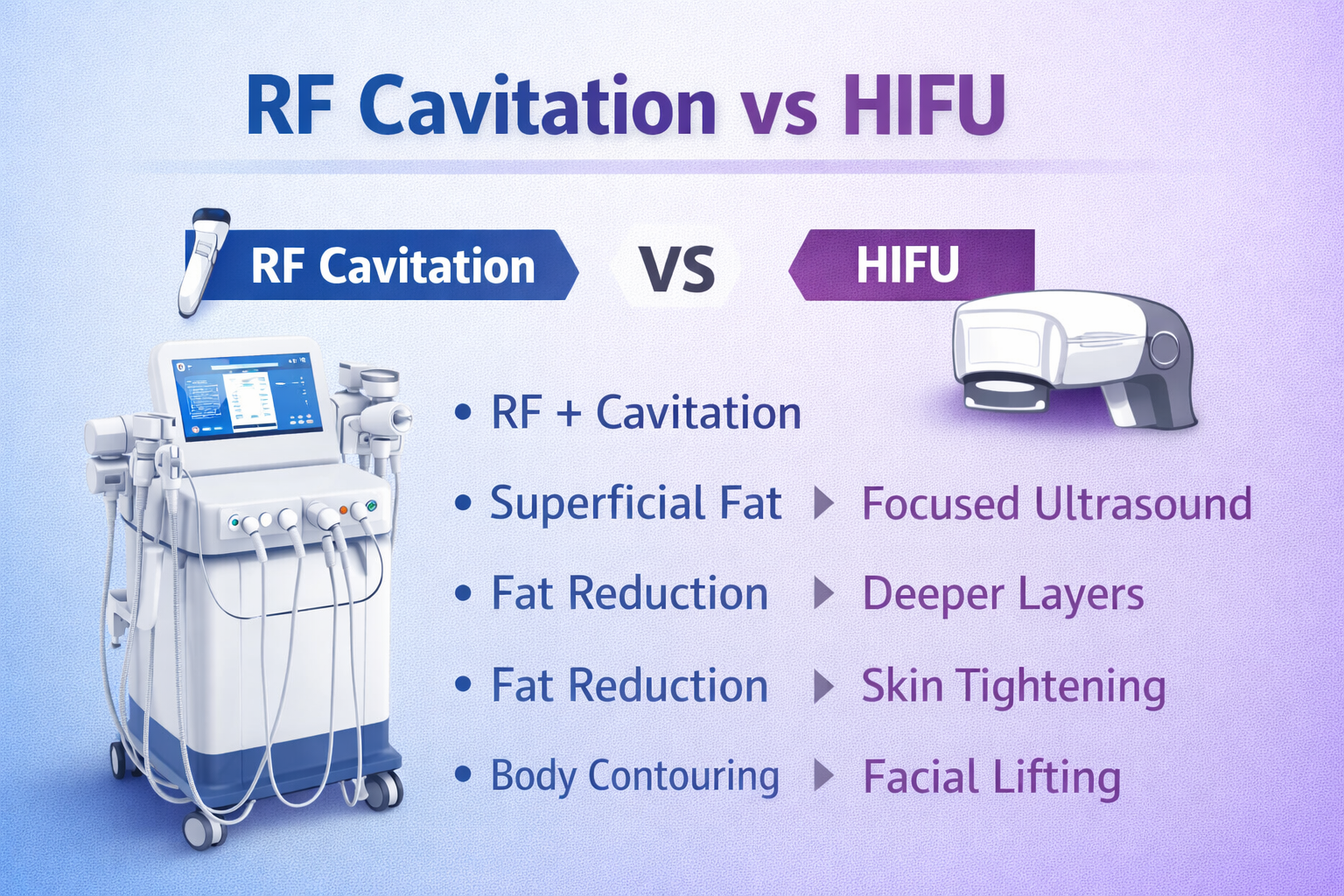
RF Cavitation works across a broader area and focuses on superficial to mid-level fat layers and the dermis. It is ideal for reducing localized fat, smoothing cellulite, and improving skin texture. HIFU, on the other hand, targets deeper structural layers, such as the SMAS layer in facial treatments, making it better for lifting and firming rather than fat reduction.
3.2 Fat Reduction vs Skin Lifting
If the main goal is body slimming and fat reduction, RF Cavitation has a clear advantage. By shrinking fat cells and enhancing lymphatic drainage, it delivers visible contouring results. HIFU is not primarily a fat reduction technology; its strength lies in lifting sagging skin and improving firmness, especially in facial applications.
3.3 Comfort and Treatment Frequency
RF Cavitation treatments are typically painless and can be repeated weekly or biweekly as part of a treatment course. HIFU sessions are usually spaced further apart, often once every few months, due to the intensity of energy delivered.
4. Safety and Side Effects Comparison
4.1 RF Cavitation Safety Profile
RF Cavitation is considered very safe when operated correctly. Potential side effects include mild redness, warmth, or temporary muscle soreness from EMS. Because the energy levels are moderate and controlled, the risk of burns or pigmentation issues is low when proper protocols are followed.
4.2 HIFU Safety Profile
HIFU is also safe in professional hands but has a narrower margin for error. Incorrect depth settings or excessive energy may cause discomfort, nerve irritation, or uneven results. This makes practitioner experience especially important when performing HIFU treatments.
5. Treatment Areas and Versatility
5.1 RF Cavitation Applications
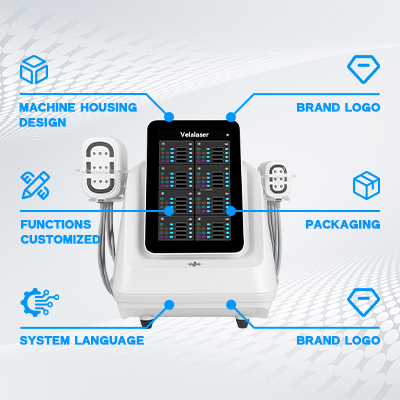
RF Cavitation is highly versatile and suitable for multiple body areas, including the abdomen, waist, thighs, arms, and back. Systems with multiple handles allow simultaneous treatment of large areas, improving efficiency for body contouring clinics.
5.2 HIFU Applications
HIFU is most commonly used on the face, neck, and smaller body areas where skin lifting is the primary goal. While some HIFU devices are designed for body use, treatments are generally slower and more focused compared to RF Cavitation systems.
6. Choosing the Right Technology
6.1 When RF Cavitation Is the Better Choice
RF Cavitation is ideal for clients seeking non-invasive fat reduction, improved skin elasticity, and body shaping with minimal discomfort and no downtime. It is also well-suited for clinics that want a multifunctional device offering high treatment flexibility.
6.2 When HIFU Is the Better Choice
HIFU is better for clients whose main concern is skin laxity rather than fat accumulation. It is particularly effective for facial lifting and long-term collagen remodeling.
7. Can RF Cavitation and HIFU Be Combined?
In advanced aesthetic clinics, RF Cavitation and HIFU are sometimes combined in staged treatment plans. RF Cavitation can be used first to reduce fat and improve skin quality, followed by HIFU to enhance lifting and firmness. This approach allows practitioners to address both contour and structure for more comprehensive results.
Conclusion
RF Cavitation vs HIFU is not about which technology is superior overall, but which is more suitable for specific goals. RF Cavitation excels in body slimming, comfort, and versatility, while HIFU stands out for deep skin lifting and tightening. Understanding these key differences helps practitioners design better treatment plans and helps clients achieve realistic, satisfying results.