









Non-surgical facial lifting treatments have become increasingly popular for people who want to improve skin firmness and reduce wrinkles without undergoing invasive procedures. Among the most widely discussed technologies are HIFU (Ultrassom Focalizado de Alta Intensidade) e Ultherapy, both of which use ultrasound energy to stimulate collagen production and tighten the skin. Although these treatments share similar principles, they differ in technology, cost, availability, and treatment results. Understanding the pros, cons, pricing, and outcomes of each option can help clinics and clients choose the most suitable anti-aging solution.
1. What Is HIFU and How Does It Work?
HIFU, or High-Intensity Focused Ultrasound, is an advanced aesthetic technology designed to deliver focused ultrasound energy deep into the skin layers. The energy targets the SMAS (Sistema Muscular Aponeurótico Superficial) layer, which is the same layer addressed in surgical facelifts. By heating this layer at precise depths, HIFU triggers the body’s natural collagen regeneration process, resulting in gradual skin tightening and lifting.
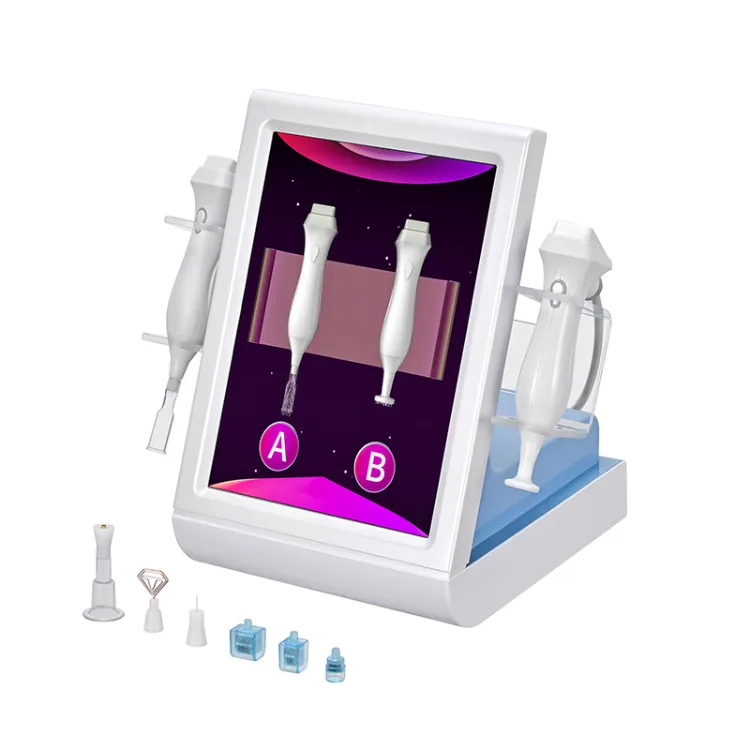
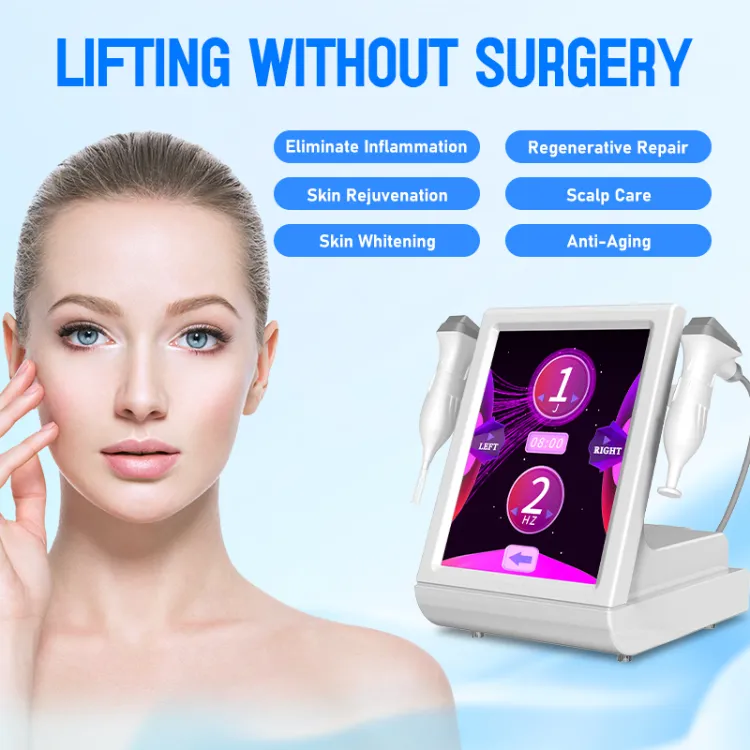
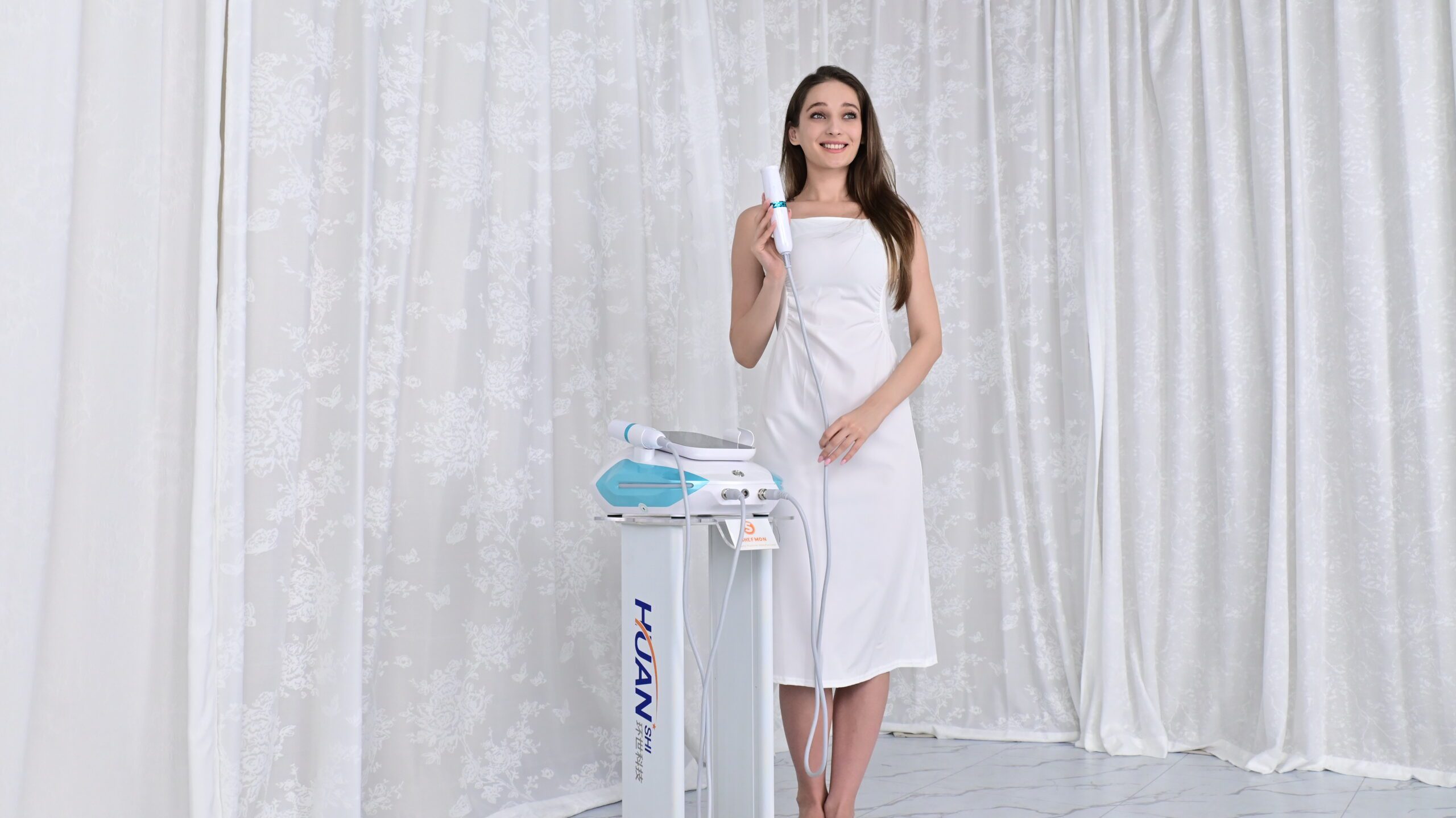
Modern HIFU devices often provide multiple treatment depths such as 1.5 mm, 3.0 mm, and 4.5 mm, allowing practitioners to treat different areas of the face and body effectively. Many professional clinics use advanced systems that combine ultrasound with additional features such as radio frequency to improve treatment outcomes. For example, machines like the A0270 Máquina Vmax HIFU Antienvelhecimento com Radiofrequência are designed to enhance skin tightening and wrinkle reduction through multi-layer energy delivery, making them suitable for facial lifting and anti-aging treatments.
https://shefmon.com/product/a0270-anti-aging-vmax-hifu-machine-with-radio-frequency/
1.1 Key Benefits of HIFU
One of the main advantages of HIFU treatments is their versatility. HIFU devices can be used for facial lifting, wrinkle reduction, jawline contouring, and even body tightening. Treatments typically take between 30 and 60 minutes depending on the treatment area, and there is minimal downtime.
Another benefit is that results develop gradually as collagen production increases over time. Most patients begin noticing visible improvements within two to three months after treatment.
1.2 Potential Drawbacks of HIFU
Despite its benefits, HIFU treatments may not provide immediate dramatic results like surgical facelifts. Some patients may require multiple sessions to achieve optimal outcomes. Additionally, results depend heavily on the quality of the device and the practitioner’s experience.
2. What Is Ultherapy?
Ultherapy is a specific branded ultrasound-based treatment that uses micro-focused ultrasound technology to lift and tighten skin. It is widely known for being FDA-cleared for lifting the brow, chin, neck, and improving lines and wrinkles on the chest.
Unlike many generic HIFU systems, Ultherapy uses real-time ultrasound imaging, allowing practitioners to visualize the tissue layers during treatment. This imaging capability helps ensure energy is delivered precisely to the targeted skin depth.
2.1 Advantages of Ultherapy
One of Ultherapy’s biggest advantages is its reputation and clinical validation. Because it is a well-known branded treatment, many patients trust it as a safe and proven anti-aging solution.
Ultherapy treatments also typically require only one session for noticeable results, although follow-up treatments may be recommended depending on individual skin conditions.
2.2 Limitations of Ultherapy
However, Ultherapy treatments are usually more expensive than HIFU treatments due to the brand name, proprietary technology, and specialized equipment. In addition, clinics must purchase specific Ultherapy systems, which can significantly increase operational costs.
3. Key Differences Between HIFU and Ultherapy
Although both technologies rely on ultrasound energy, several key differences distinguish them.
3.1 Technology and Equipment
HIFU refers to a broader category of ultrasound-based aesthetic devices produced by various manufacturers. These devices can vary in energy output, treatment heads, and additional technologies.
Ultherapy, on the other hand, is a single proprietary system with standardized protocols and imaging guidance.
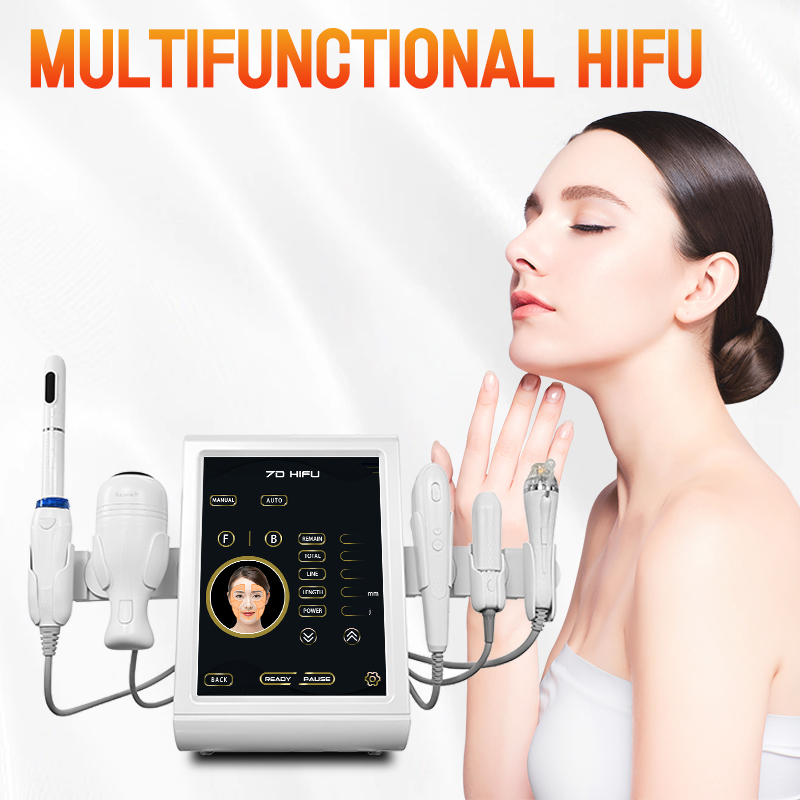
Advanced multi-functional HIFU platforms such as the A0205 9D 7D Focused HIFU Machine 5 in 1 offer multiple treatment modes and cartridge options, making them suitable for both facial and body treatments in aesthetic clinics.
https://shefmon.com/product/a0205-9d-7d-focused-hifu-machine-5-in-1/
3.2 Treatment Flexibility
HIFU systems typically provide more flexibility for clinics because they can include different treatment depths, interchangeable cartridges, and body-contouring capabilities.
Ultherapy treatments are more standardized and focus mainly on facial lifting and skin tightening.
3.3 Cost Differences
Cost is another major factor when comparing HIFU and Ultherapy.
Ultherapy sessions can cost significantly more per treatment due to the branded technology and consumables. HIFU treatments are often more affordable for both clinics and clients, making them accessible to a wider audience.
4. Treatment Results and Effectiveness
Both HIFU and Ultherapy aim to stimulate collagen production and improve skin elasticity. Results usually appear gradually over several weeks to months as the body naturally produces new collagen fibers.
4.1 Expected Results
Typical results from these treatments include:
Improved skin firmness
Reduction of fine lines and wrinkles
Lifting of the brow and jawline
Better facial contour definition
Most patients experience visible improvements within 8 to 12 weeks, with full results appearing after about three to six months.
4.2 Duration of Results
Results from both treatments can last between 12 and 18 months depending on the patient’s age, skin condition, and lifestyle habits. Maintenance treatments are often recommended annually to sustain the lifting effect.
5. Which Treatment Is Better?
Choosing between HIFU and Ultherapy depends on several factors, including treatment goals, clinic budget, and patient expectations.
HIFU treatments are often preferred by clinics looking for versatile devices that can perform multiple procedures such as facial lifting, wrinkle reduction, and body contouring. Ultherapy may be preferred by patients seeking a well-known branded treatment with standardized protocols.
Ultimately, both technologies provide effective non-surgical lifting solutions, and the final choice depends on individual needs and clinical preferences.
Conclusão
Both HIFU and Ultherapy represent advanced ultrasound technologies that offer effective alternatives to surgical facelifts. While Ultherapy is recognized for its branded technology and imaging guidance, HIFU systems provide greater flexibility, affordability, and multi-functional capabilities for aesthetic clinics. By understanding the differences in technology, cost, advantages, and expected results, practitioners and clients can make informed decisions when selecting the most suitable skin tightening treatment. As demand for non-invasive anti-aging procedures continues to grow, both HIFU and Ultherapy will remain important solutions in modern aesthetic medicine.