










Non-invasive fat reduction has become one of the most competitive areas in aesthetic medicine. Among the many technologies available today, congelamento de gordura e fat cavitation are two of the most commonly compared methods. Both promise fat reduction without surgery, needles, or downtime—but they work in very different ways. So which one actually works better? The answer depends on treatment goals, body type, and expectations.
1. Understanding Fat Freezing (Cryolipolysis)
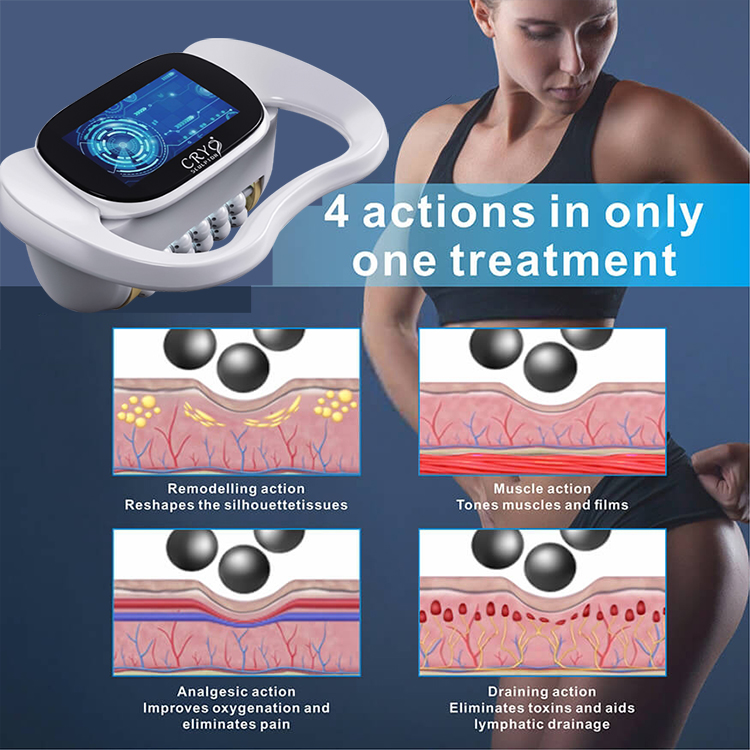
Fat freezing, scientifically known as cryolipolysis, is a technology that reduces fat by exposing it to controlled cold temperatures.
1.1 How Fat Freezing Works
Fat cells are more sensitive to cold than surrounding tissues. When cooled to temperatures between approximately -1°C and -15°C, fat cells crystallize and undergo apoptosis, a natural and irreversible cell death process. Over the following weeks, the body metabolizes and eliminates these dead fat cells naturally.
1.2 Key Advantages of Fat Freezing
Fat freezing targets stubborn fat that does not respond well to diet or exercise. It is especially effective on areas such as the abdomen, flanks, thighs, arms, and back. Because the destroyed fat cells are permanently removed, results can be long-lasting when combined with a healthy lifestyle.
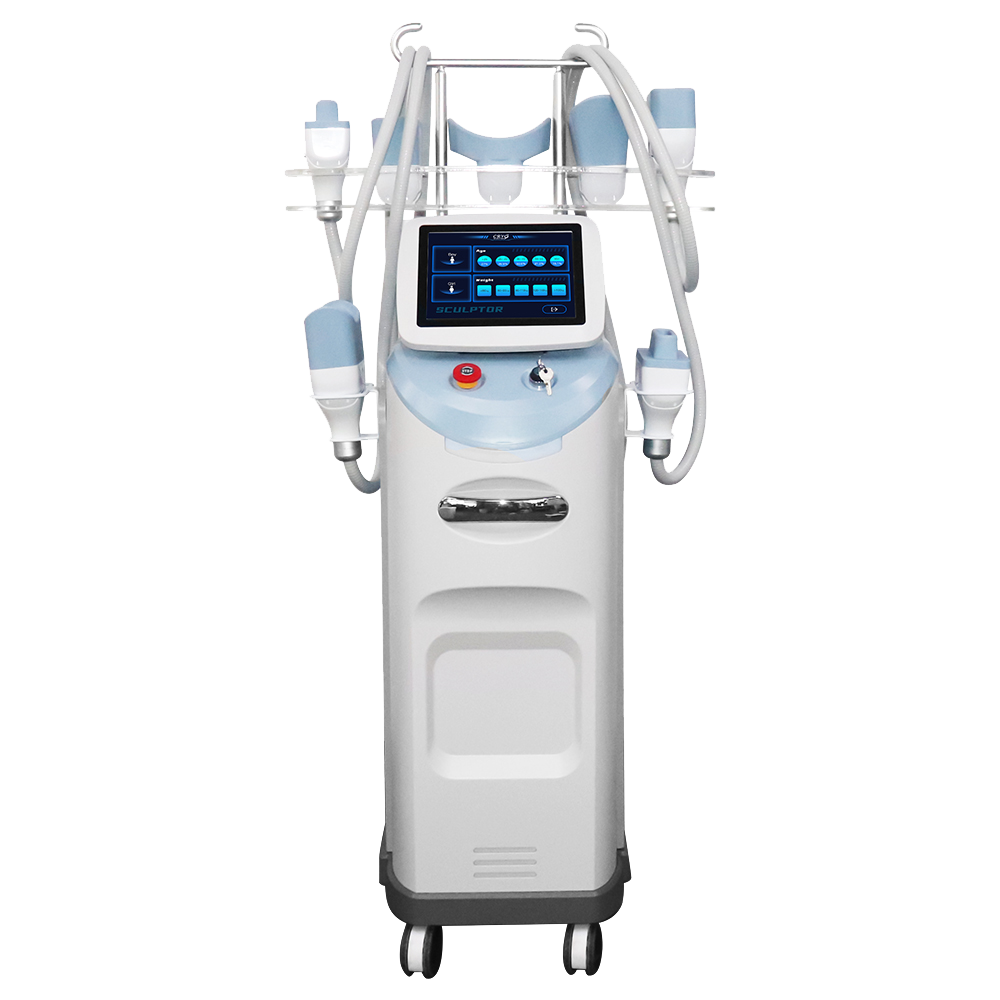
Modern cryolipolysis systems have significantly improved safety and efficiency. Advanced 360-degree cooling technologies ensure even temperature distribution, reducing treatment time and improving outcomes.
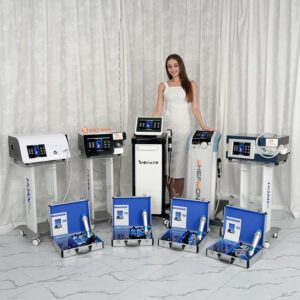
https://shefmon.com/beauty-machines/cryolipolysis/
2. Understanding Fat Cavitation
Fat cavitation, also known as ultrasonic cavitation, uses sound waves rather than cold to break down fat.
2.1 How Fat Cavitation Works
This technology uses low-frequency ultrasound waves to create pressure changes in fat cells. These pressure waves cause fat cell membranes to rupture, releasing fatty acids and glycerol. The body then processes and eliminates these substances through the lymphatic system.
2.2 Key Advantages of Fat Cavitation
Fat cavitation treatments are generally painless and relaxing. Sessions are relatively short, and many clients enjoy the massage-like sensation. Cavitation is often used for overall body slimming and mild fat reduction, particularly in softer fat areas.

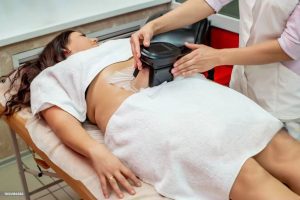
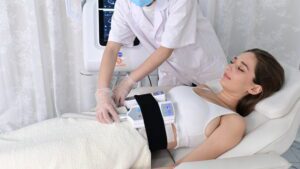
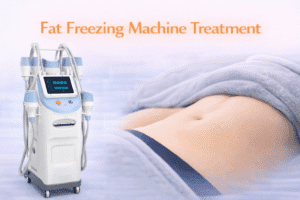
tratamento com máquina de criolipólise shefmon
3. Fat Freezing vs Fat Cavitation: Core Differences
Although both treatments are non-invasive, their mechanisms and results differ significantly.
3.1 Treatment Precision
Fat freezing is highly targeted. Applicators suction specific fat bulges and freeze them directly. Fat cavitation, by contrast, affects a broader area and may be less precise in contouring stubborn fat pockets.
3.2 Result Timeline
Cryolipolysis delivers gradual but noticeable results, often after one session, with continued improvement over several weeks. Fat cavitation usually requires multiple sessions, and results may be more subtle and dependent on lifestyle factors.
3.3 Permanence of Results
Fat freezing permanently destroys fat cells. Fat cavitation reduces fat cell volume but does not always eliminate fat cells completely, meaning results may be less durable.
4. Safety and Comfort Comparison
Safety is a major concern for any aesthetic treatment.
4.1 Safety of Fat Freezing
Modern cryolipolysis machines are equipped with temperature sensors and multiple safety mechanisms to protect the skin and underlying tissues. When performed correctly, fat freezing is considered very safe with minimal side effects such as temporary redness or numbness.
4.2 Safety of Fat Cavitation
Fat cavitation is also non-invasive and safe when used appropriately. However, because it relies on lymphatic drainage, clients must maintain good hydration and metabolism to support effective fat elimination.
5. Which Treatment Works Better for Different Goals?
Não existe uma resposta única para todos.
5.1 Best Choice for Stubborn Fat
Fat freezing is generally more effective for stubborn, localized fat that resists diet and exercise. Its targeted approach and permanent fat cell reduction make it ideal for body contouring.
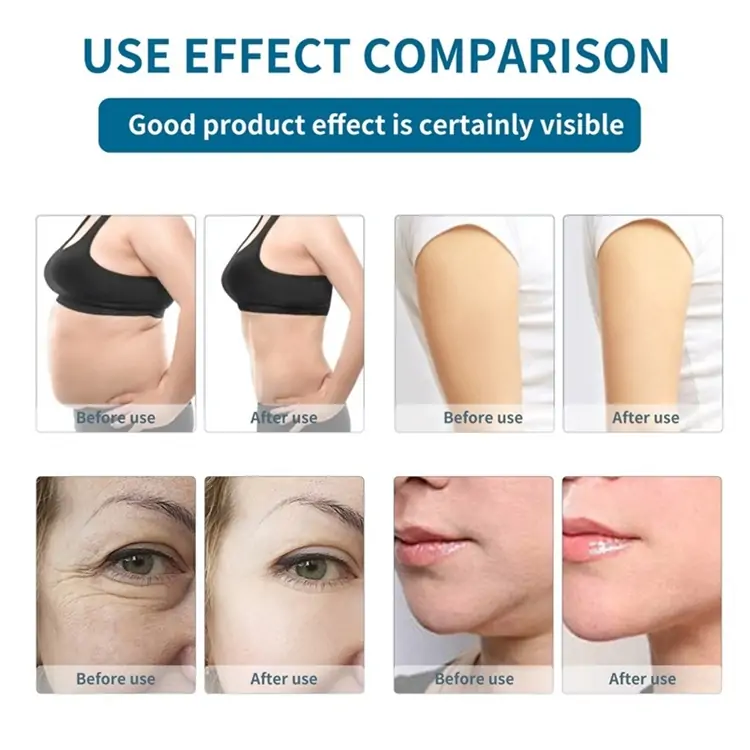
resultados de cavitação ultrassônica antes e depois
5.2 Best Choice for Overall Slimming
Fat cavitation works better for general slimming and body smoothing, particularly for clients who prefer gentle treatments and are willing to commit to multiple sessions.
6. Clinical and Business Considerations
From a clinic perspective, treatment versatility matters.
6.1 Why Many Clinics Prefer Fat Freezing
Cryolipolysis machines offer higher perceived value, fewer required sessions, and stronger client satisfaction due to visible, long-lasting results. Advanced systems also allow multiple applicators to work simultaneously, increasing efficiency.
6.2 Combining Fat Freezing and Fat Cavitation
Many professional clinics combine both technologies. Fat freezing removes stubborn fat, while fat cavitation enhances lymphatic drainage and refines final results, creating a more comprehensive body sculpting solution.
Conclusão
So, which works better—fat freezing or fat cavitation? If the goal is precise, long-lasting fat reduction, fat freezing clearly stands out. If the goal is gentle body slimming and relaxation, fat cavitation can be a good option. Ultimately, the best results often come from choosing the right technology for the right purpose—or combining both for optimal body contouring outcomes.
Perguntas frequentes
1. Is fat freezing better than fat cavitation?
Fat freezing is generally more effective for stubborn fat and long-term results.
2. How many sessions are needed for fat cavitation?
Most clients require multiple sessions to see visible changes.
3. O congelamento de gordura dói?
Most people feel cold and suction initially, but discomfort is usually mild and temporary.
4. Are results from fat cavitation permanent?
Results can be temporary if lifestyle habits are not maintained.
5. Can fat freezing and fat cavitation be combined?
Yes, combining both treatments often leads to enhanced and more refined results.
Please don’t forget to leave a review.