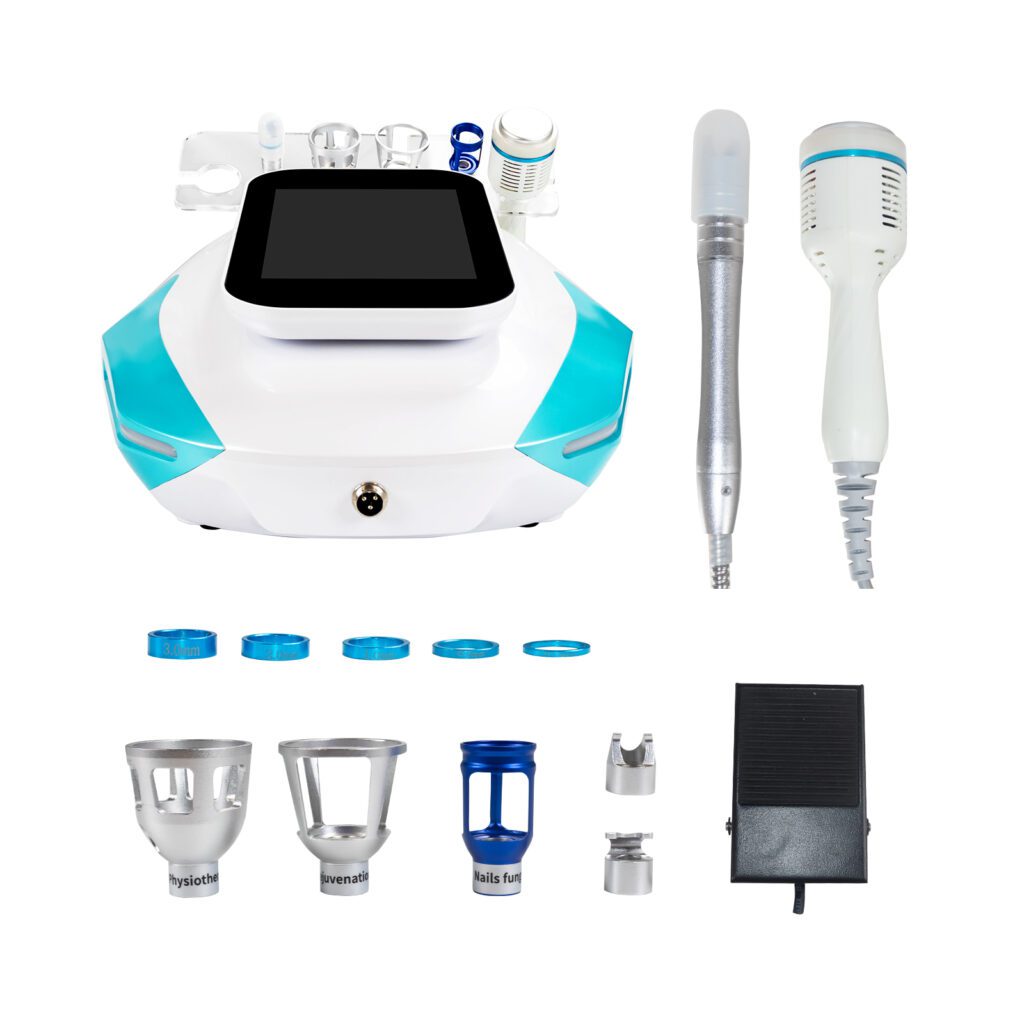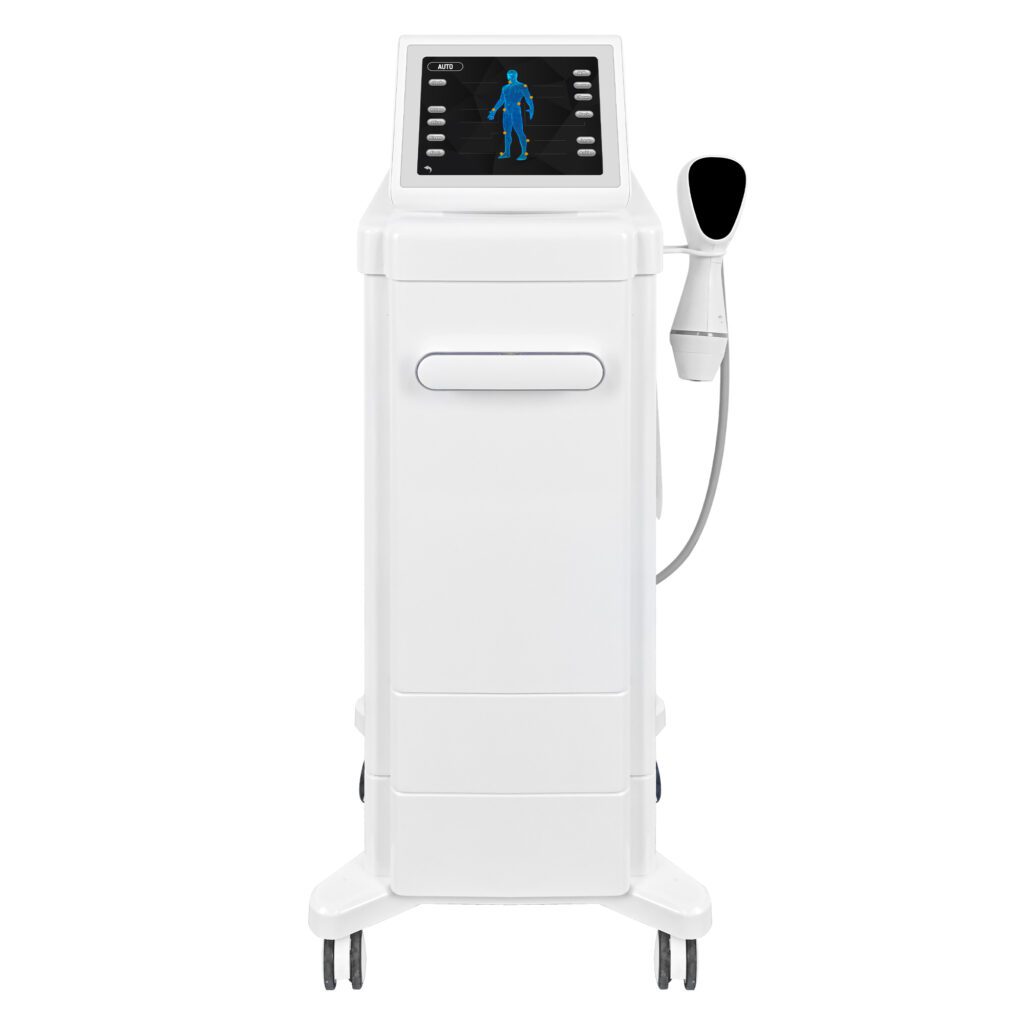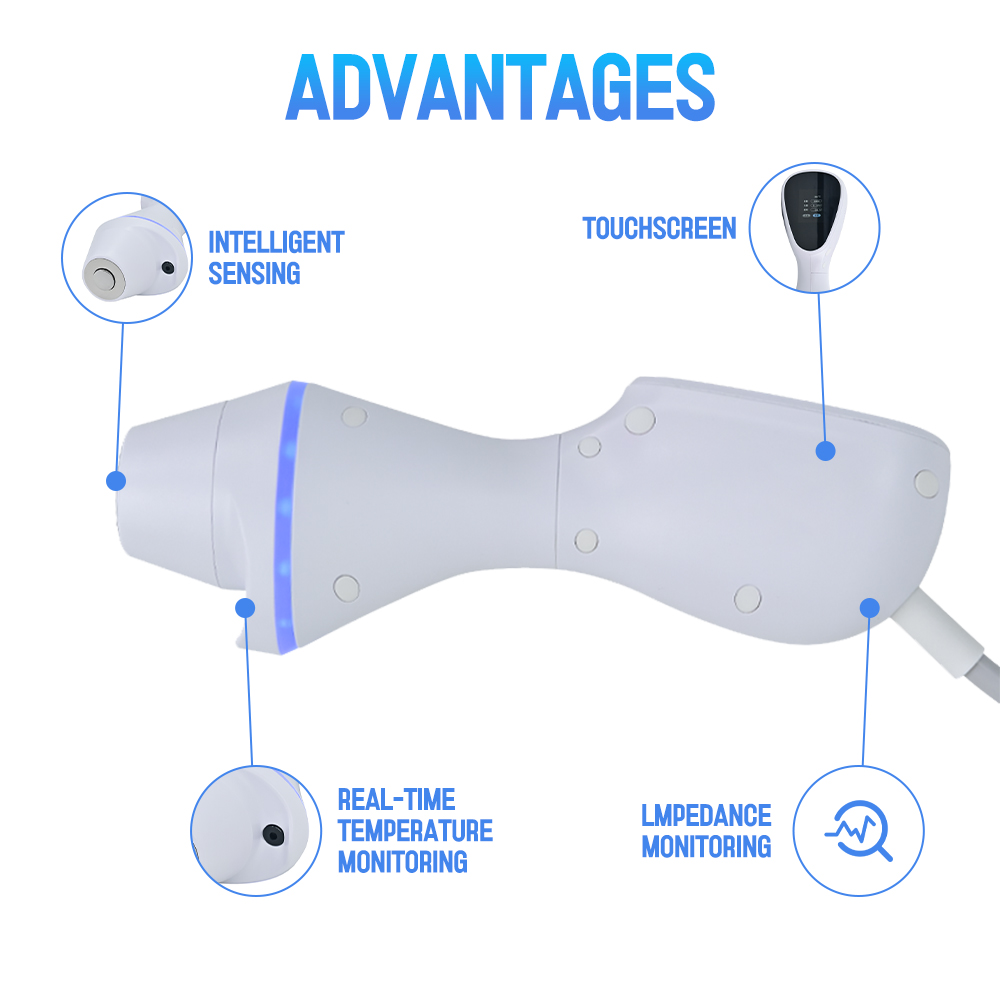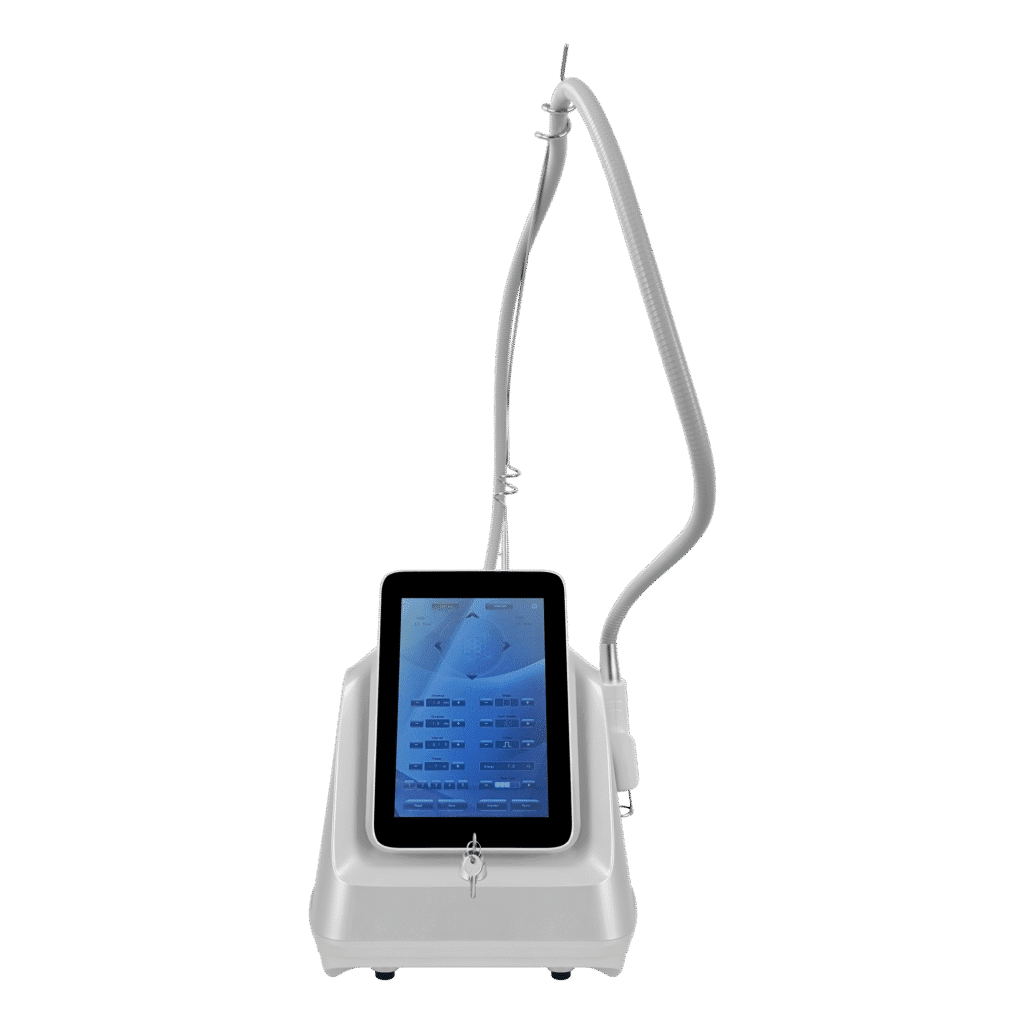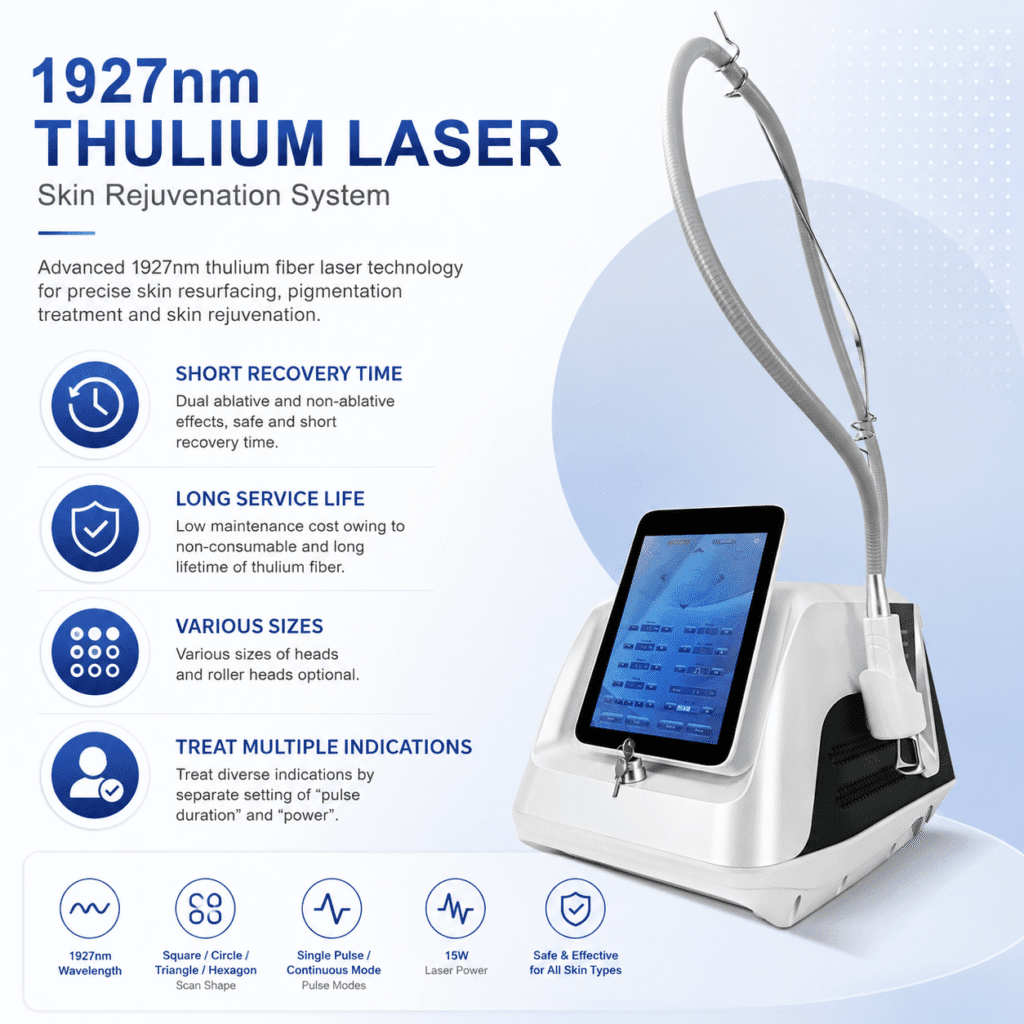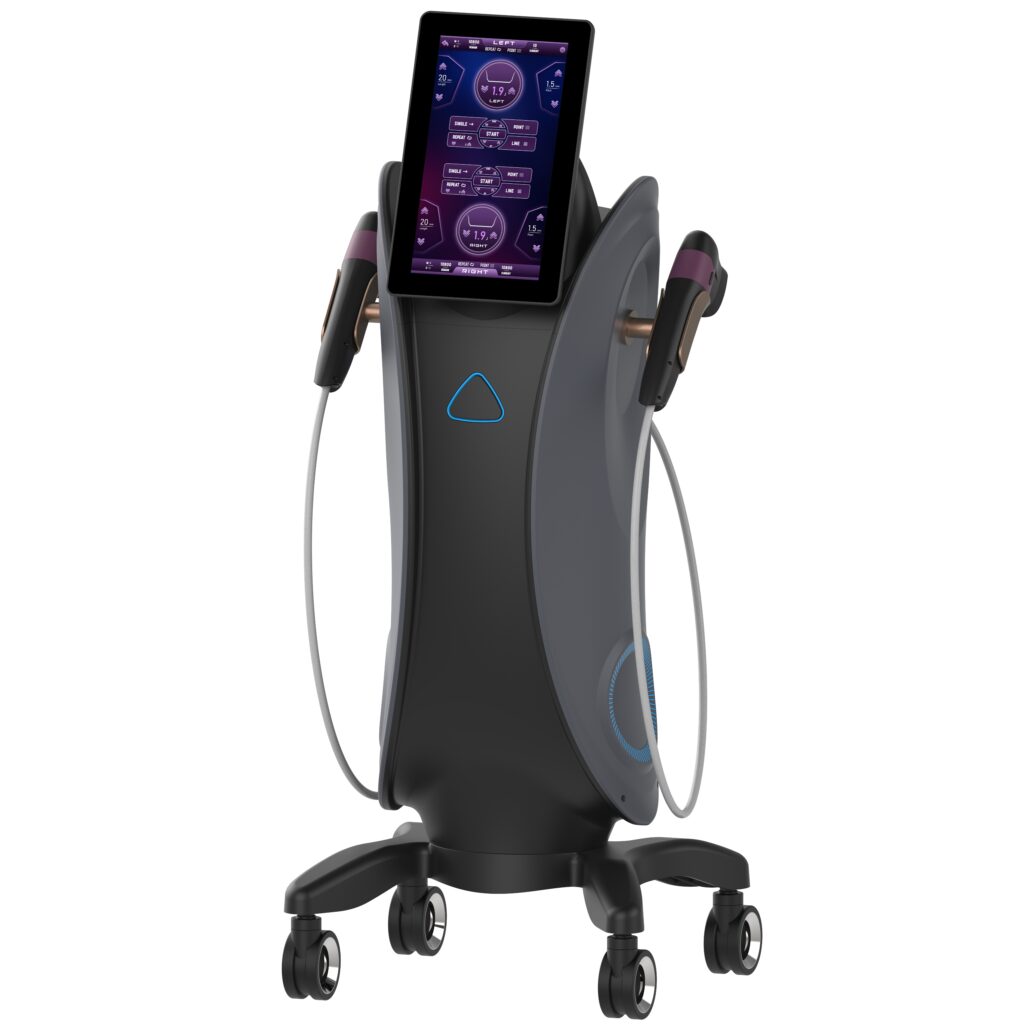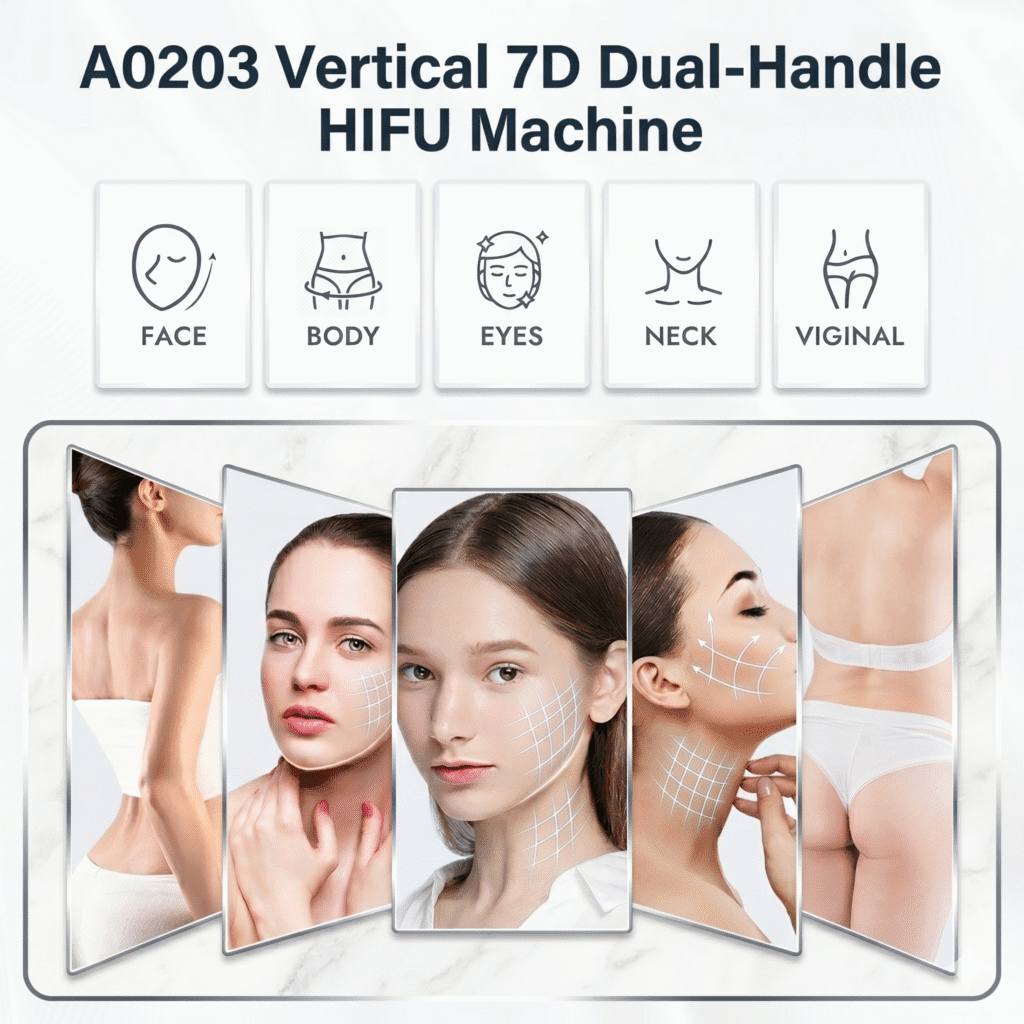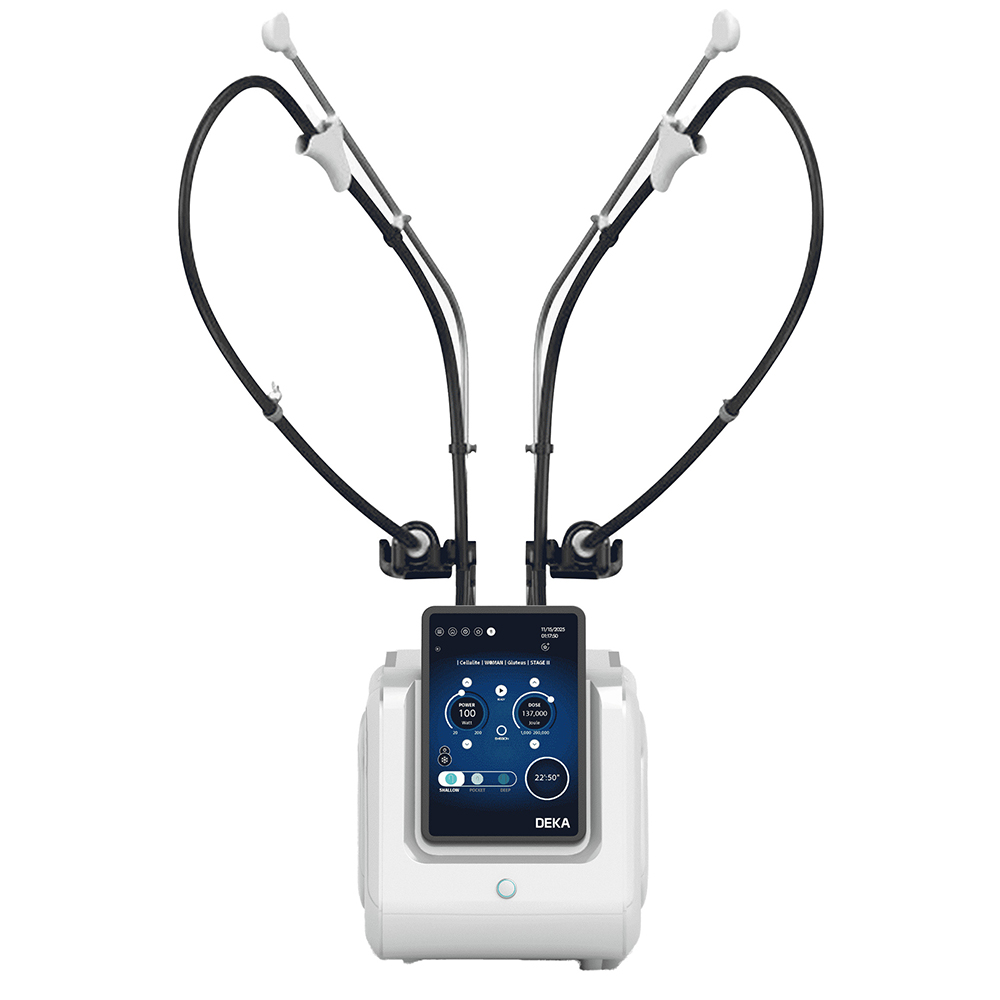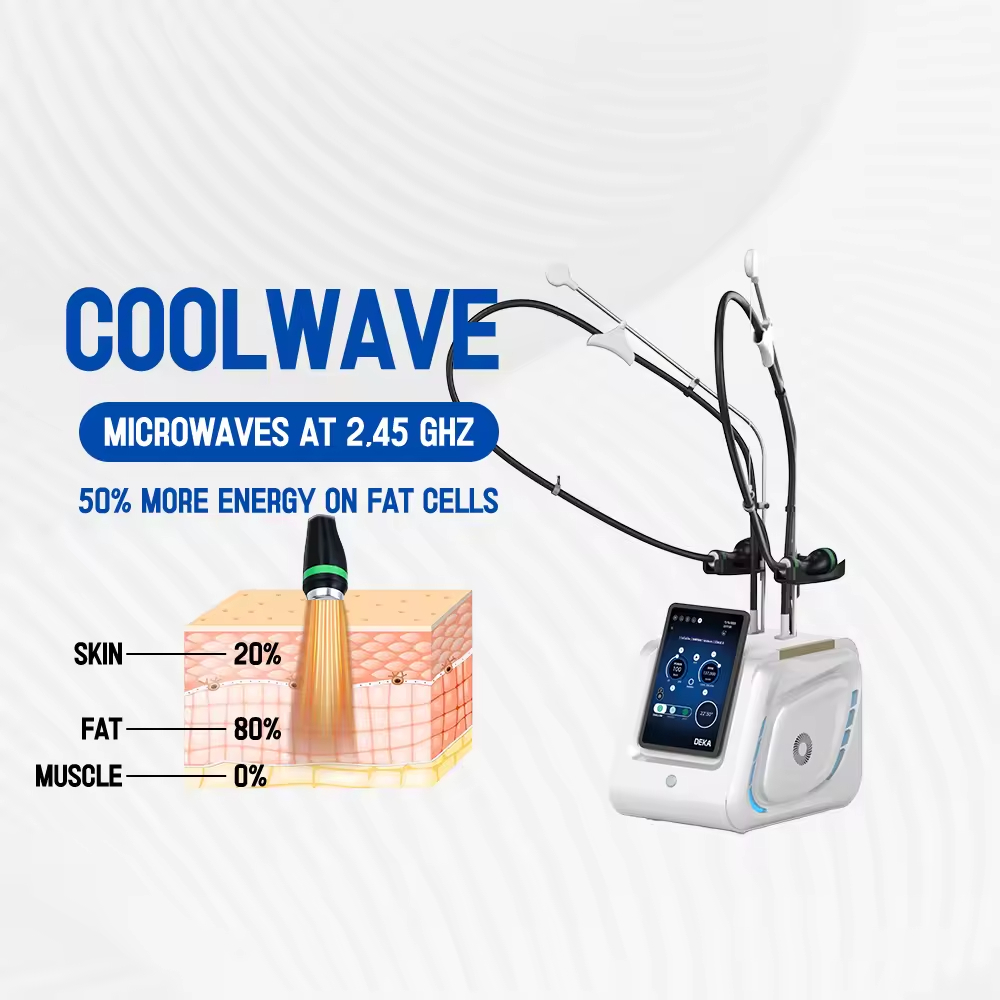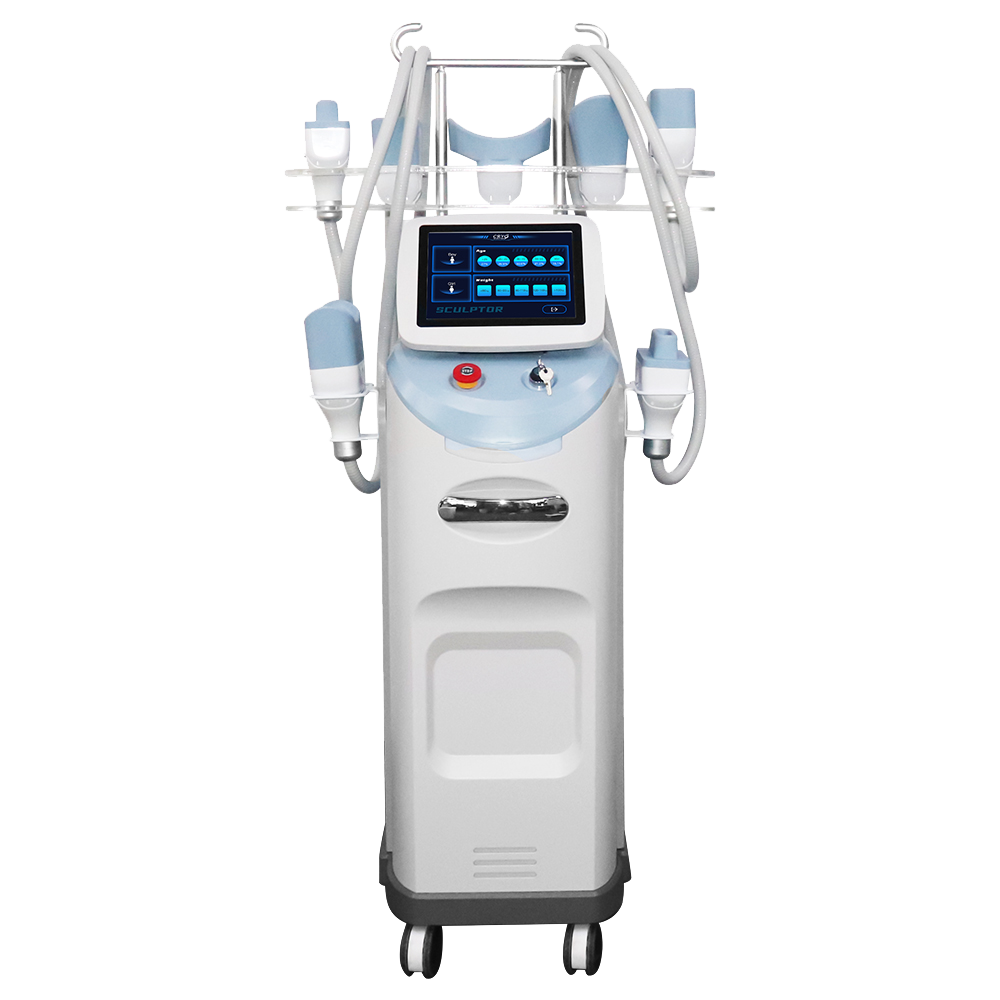










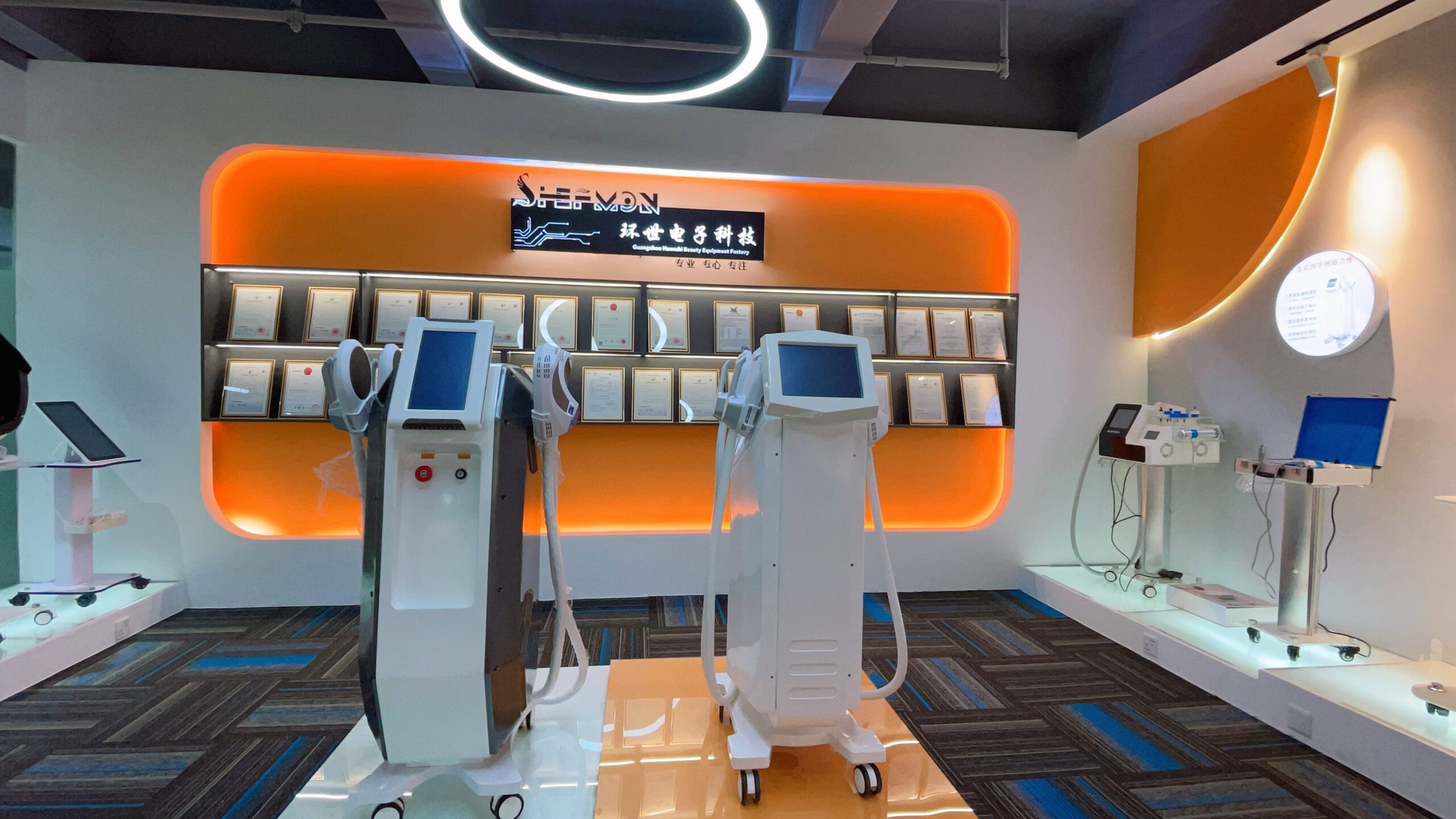
No nossa fábricaAcreditamos que um processo completo de P&D é a base de equipamentos estéticos profissionais. Além da tecnologia avançada, a verdadeira competitividade de um produto advém de um desenvolvimento estruturado, uma sólida capacidade de engenharia e a proteção da inovação a longo prazo. Com uma equipe de P&D experiente, investimento contínuo e diversas tecnologias patenteadas, garantimos que cada dispositivo seja desenvolvido com foco em desempenho, segurança, usabilidade e viabilidade de mercado. Um processo completo de P&D nos permite transformar ideias em produtos confiáveis e escaláveis para os mercados estéticos globais.
1. Pesquisa de Mercado e Desenvolvimento de Conceito
Todo projeto de P&D começa com uma pesquisa de mercado aprofundada para garantir que o produto seja impulsionado por necessidades clínicas e comerciais reais.
1.1 Análise de Mercado e Validação da Demanda
Nossa equipe de P&D estuda as tendências estéticas globais, as demandas por tratamentos e o feedback de distribuidores, clínicas e parceiros de marca. Essa análise nos ajuda a identificar lacunas tecnológicas, expectativas de desempenho e dificuldades enfrentadas pelos usuários, garantindo que os novos produtos atendam às necessidades do mundo real, e não apenas a conceitos teóricos.
1.2 Definição do Conceito e Posicionamento do Produto
Com base em análises de mercado, definimos o conceito do produto, o escopo de aplicação e a direção técnica. Um posicionamento claro ajuda a determinar se o dispositivo se concentra no rejuvenescimento da pele, na modelagem corporal, na energia de radiofrequência, na estimulação eletromagnética ou em tecnologias combinadas, estabelecendo uma base sólida para o desenvolvimento futuro.
2. Design de Aparência e Engenharia Estrutural
Os equipamentos estéticos profissionais devem combinar confiabilidade funcional com uma aparência profissional e diferenciada.
2.1 Iniciação do Projeto de Design Industrial e Aparência
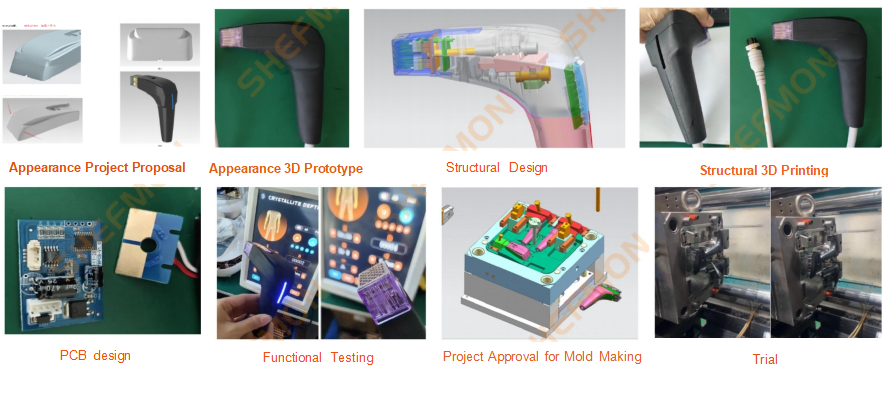
Nossos designers desenvolvem conceitos de revestimento de equipamentos que se alinham aos ambientes clínicos e à identidade da marca. Os projetos de design passam por etapas estruturadas, incluindo esboços conceituais, iniciação do projeto e protótipos 3D, garantindo consistência visual e usabilidade ergonômica.
2.2 Projeto Estrutural e Prototipagem 3D
Os engenheiros estruturais concentram-se no layout interno, na dissipação de calor, na estabilidade dos componentes e na durabilidade a longo prazo. Os protótipos estruturais em 3D permitem verificar as estruturas internas antes da produção dos moldes, reduzindo os riscos de desenvolvimento e melhorando a eficiência da produção.
3. Desenvolvimento de Tecnologia Essencial e Inovação Patenteada
O desenvolvimento tecnológico está no centro do nosso processo de P&D, apoiado pela inovação contínua e pela proteção da propriedade intelectual.
3.1 Projeto de PCB e Arquitetura do Sistema
Nossos engenheiros projetam PCBs e sistemas de controle personalizados, adaptados aos requisitos funcionais de cada dispositivo. A arquitetura do sistema prioriza a estabilidade da saída, o controle preciso de energia e a longa vida útil, garantindo desempenho de nível profissional.
3.2 Integração de Tecnologia Patenteada
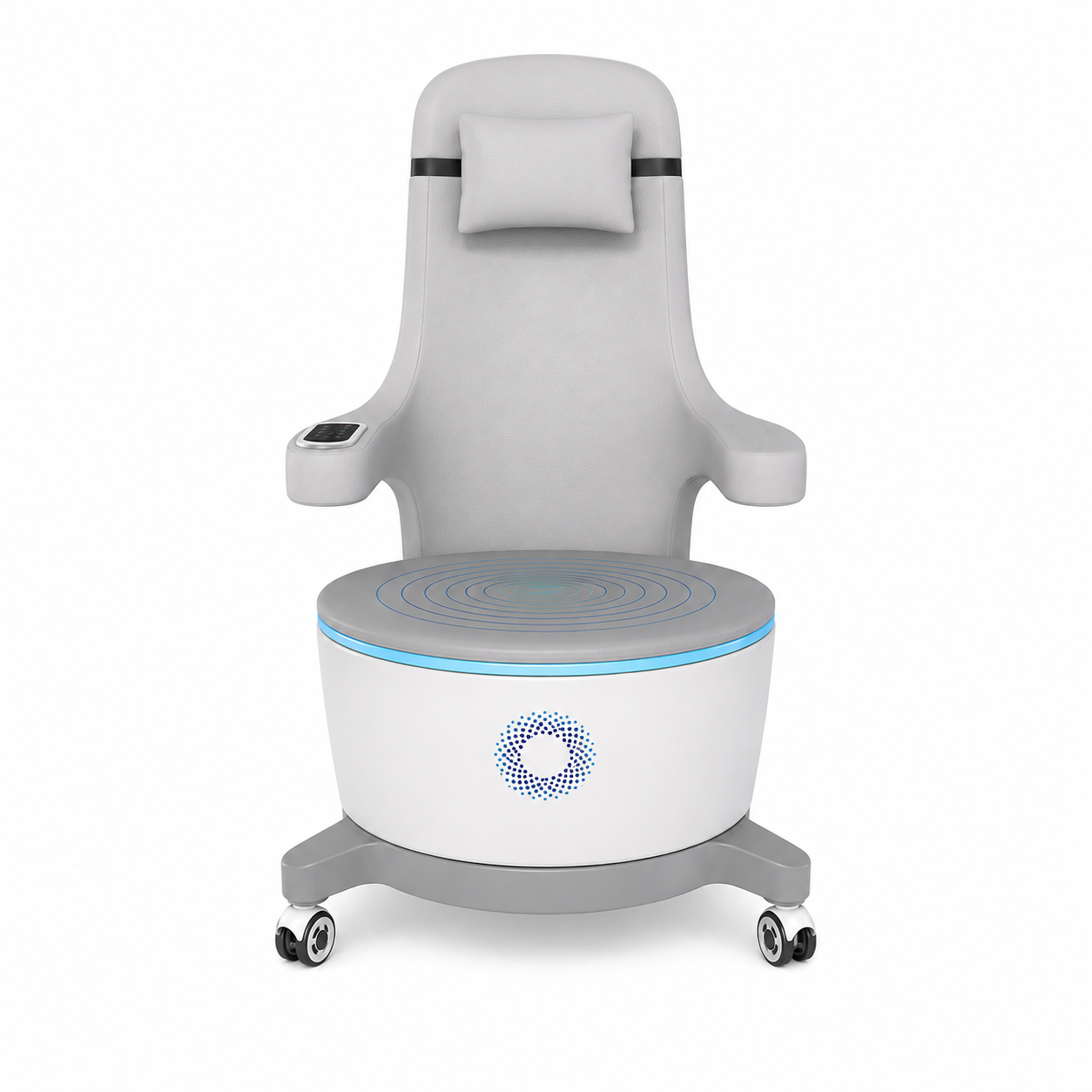
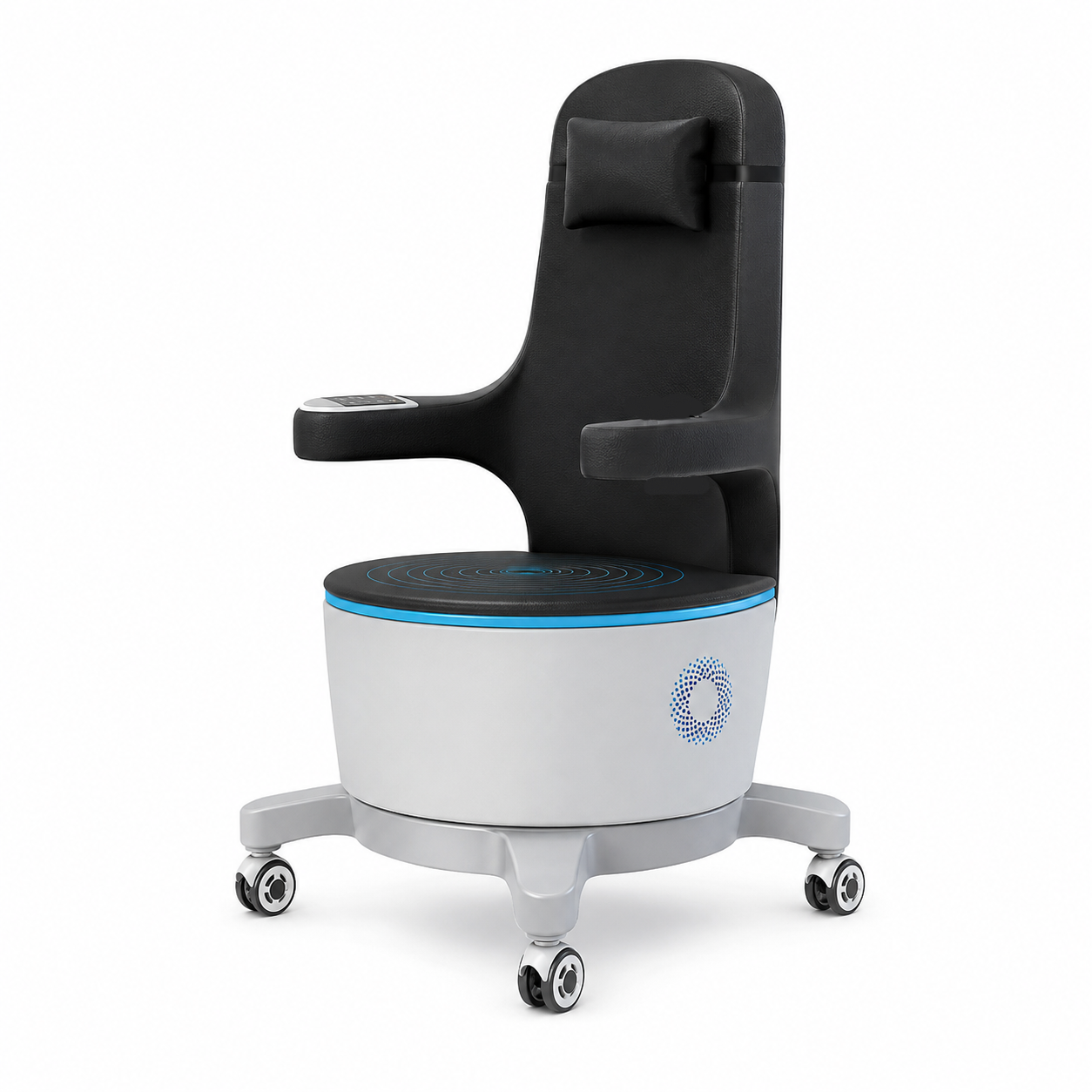
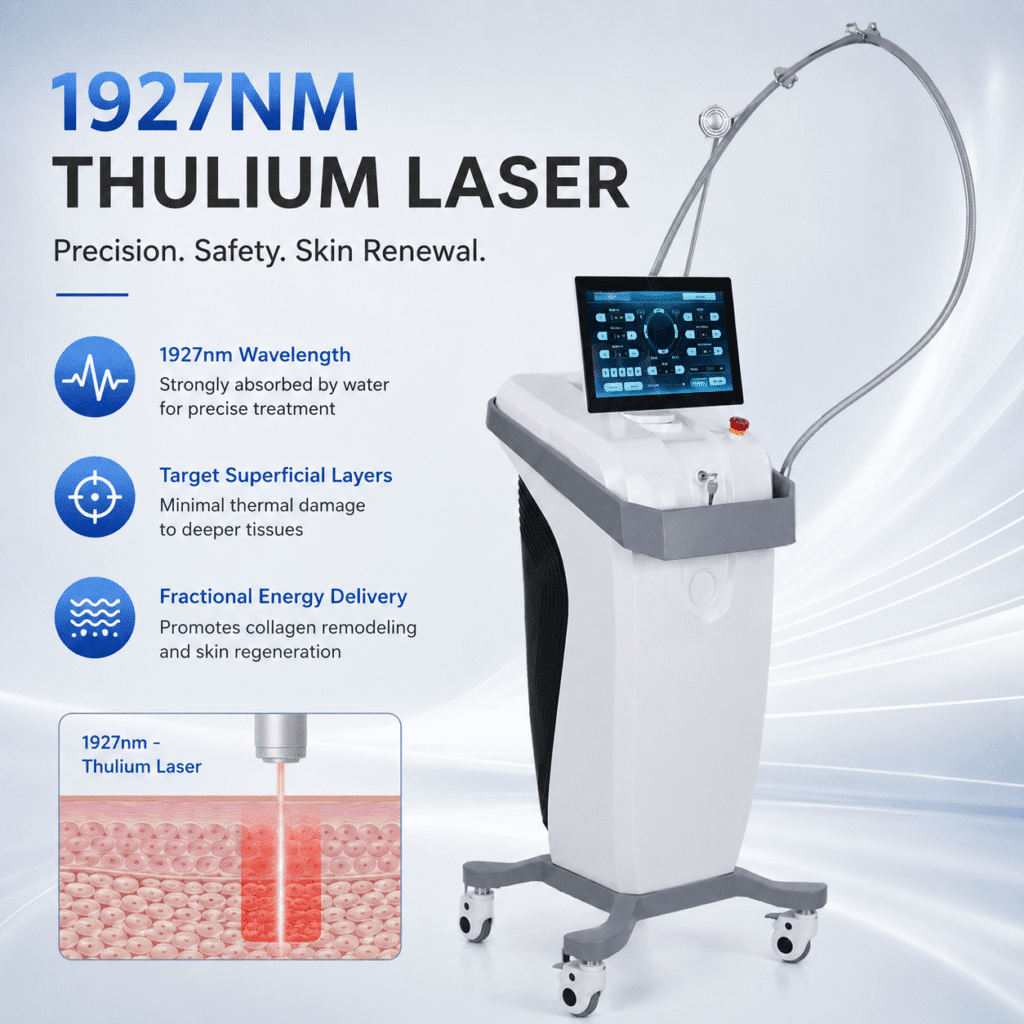
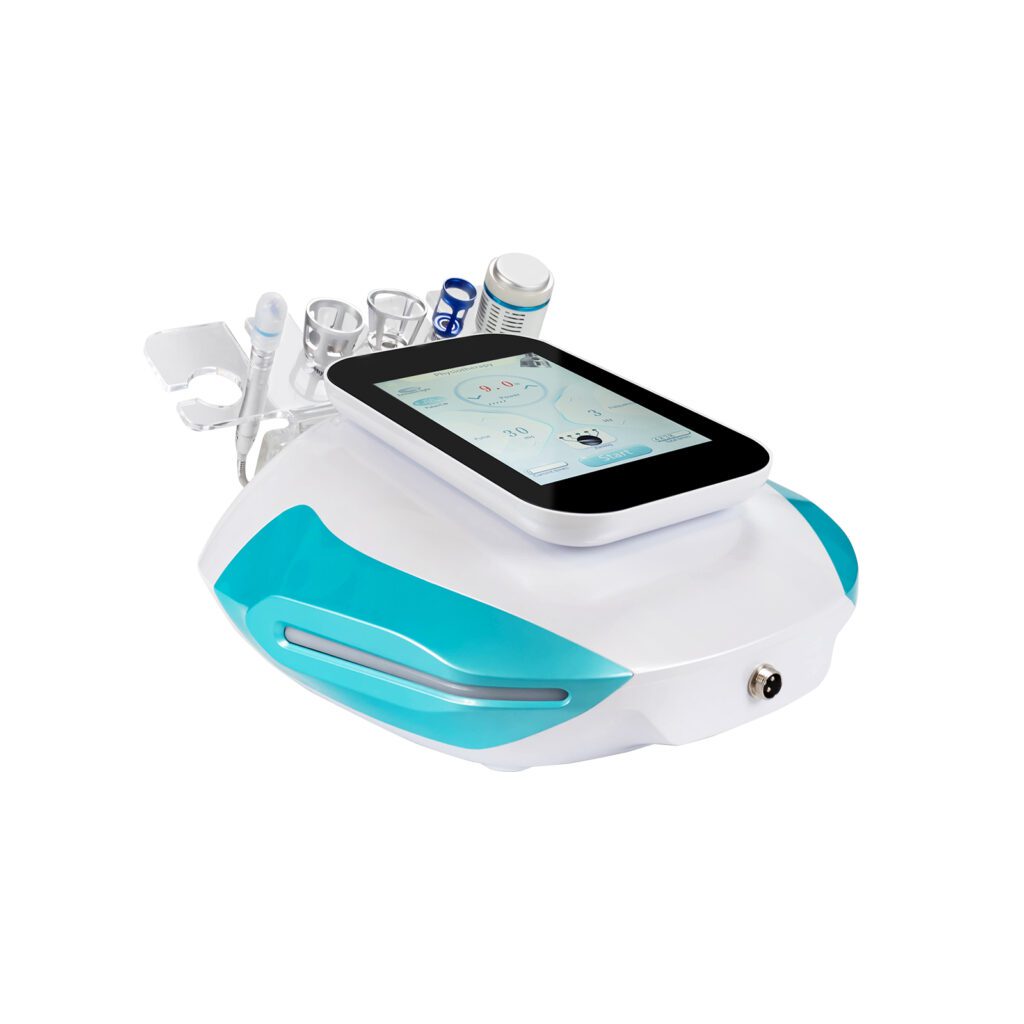
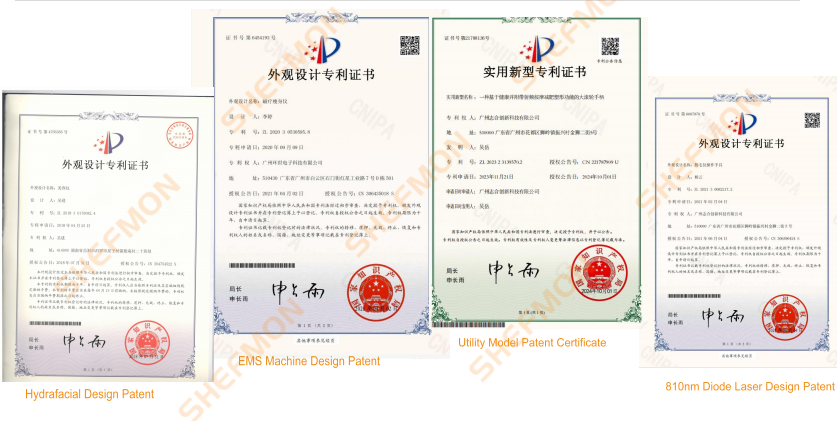
Nossas conquistas em P&D são protegidas por diversas patentes, incluindo patentes de design do Hydrafacial, patentes de design de máquinas EMS, patentes de modelo de utilidade e uma patente de design de laser de diodo de 810 nm. Essas patentes representam inovação comprovada em aparência, estrutura e tecnologia funcional, garantindo que nossos produtos sejam legalmente protegidos e tecnologicamente diferenciados em mercados competitivos.
4. Testes Funcionais e Verificação Clínica
Antes de entrar em produção, cada dispositivo passa por uma validação rigorosa para garantir segurança e eficácia.
4.1 Testes Funcionais e de Segurança
Os protótipos são submetidos a testes funcionais abrangentes, incluindo estabilidade de saída, resistência do sistema e verificação de proteção de segurança. Testes de envelhecimento prolongado simulam o uso a longo prazo para identificar riscos potenciais logo no início da fase de desenvolvimento.
4.2 Avaliação Clínica e Avaliação de Desempenho
Os dispositivos são avaliados em ambientes clínicos ou de tratamento simulado para verificar a eficácia do tratamento, o conforto do usuário e a estabilidade operacional. O feedback clínico desempenha um papel crucial no aprimoramento dos parâmetros de desempenho e na garantia da confiabilidade no mundo real.
5. Produção Experimental e Testes de Mercado.
Um processo profissional de P&D faz a ponte entre o desenvolvimento e a fabricação por meio de produção experimental controlada.
5.1 Aprovação de Moldes e Testes de Amostras
Após a aprovação do projeto e dos testes, os moldes são desenvolvidos e amostras de teste são produzidas. Os testes das amostras verificam a consistência da aparência, a precisão estrutural e a viabilidade da montagem em condições reais de produção.
5.2 Testes de mercado com clientes cooperativos
Os dispositivos selecionados são distribuídos a clientes cooperados para testes de mercado. Clínicas e parceiros fornecem feedback direto sobre usabilidade, desempenho do tratamento e estabilidade do sistema. Esta etapa garante que os produtos funcionem de forma confiável fora do ambiente de fábrica.
6. Feedback do cliente e melhoria rápida
O feedback dos clientes é considerado um fator crítico em nosso ciclo de P&D.
6.1 Análise e Soluções de Problemas no Mesmo Dia
Quando os clientes relatam problemas como comportamento da interface ou desempenho funcional, nossa equipe de P&D responde rapidamente. O processamento ágil do feedback nos permite analisar problemas, otimizar soluções e atualizar projetos antes da produção em massa.
6.2 Otimização do projeto antes do escalonamento
Todas as melhorias baseadas no feedback são implementadas antes da produção em massa. Isso garante que os produtos finais atendam aos padrões profissionais e minimize os riscos pós-venda.
7. Produção Piloto e Fabricação em Massa
A fase final de P&D concentra-se na escalabilidade e na estabilidade da produção.
7.1 Validação da Produção Piloto
A produção piloto verifica os fluxos de trabalho de produção, a consistência da qualidade e a eficiência. Esta etapa garante que os projetos patenteados e as funções personalizadas possam ser fabricados em escala de forma confiável.
7.2 Transição para a Produção em Massa
Após a aprovação do projeto piloto, os produtos entram em produção em massa com especificações padronizadas, procedimentos de controle de qualidade e documentação, concluindo o ciclo de vida de P&D.
Conclusão
Um processo completo de P&D para equipamentos estéticos profissionais integra pesquisa de mercado, design industrial, desenvolvimento de tecnologia essencial, inovação patenteada, testes rigorosos e colaboração com o cliente. ShefmonEssa abordagem estruturada garante que cada dispositivo seja tecnologicamente avançado, legalmente protegido, clinicamente eficaz e pronto para produção em larga escala. Apoiado por engenheiros experientes, investimento contínuo em P&D e múltiplas patentes, nosso sistema de P&D fornece equipamentos estéticos confiáveis e preparados para o futuro para parceiros globais.