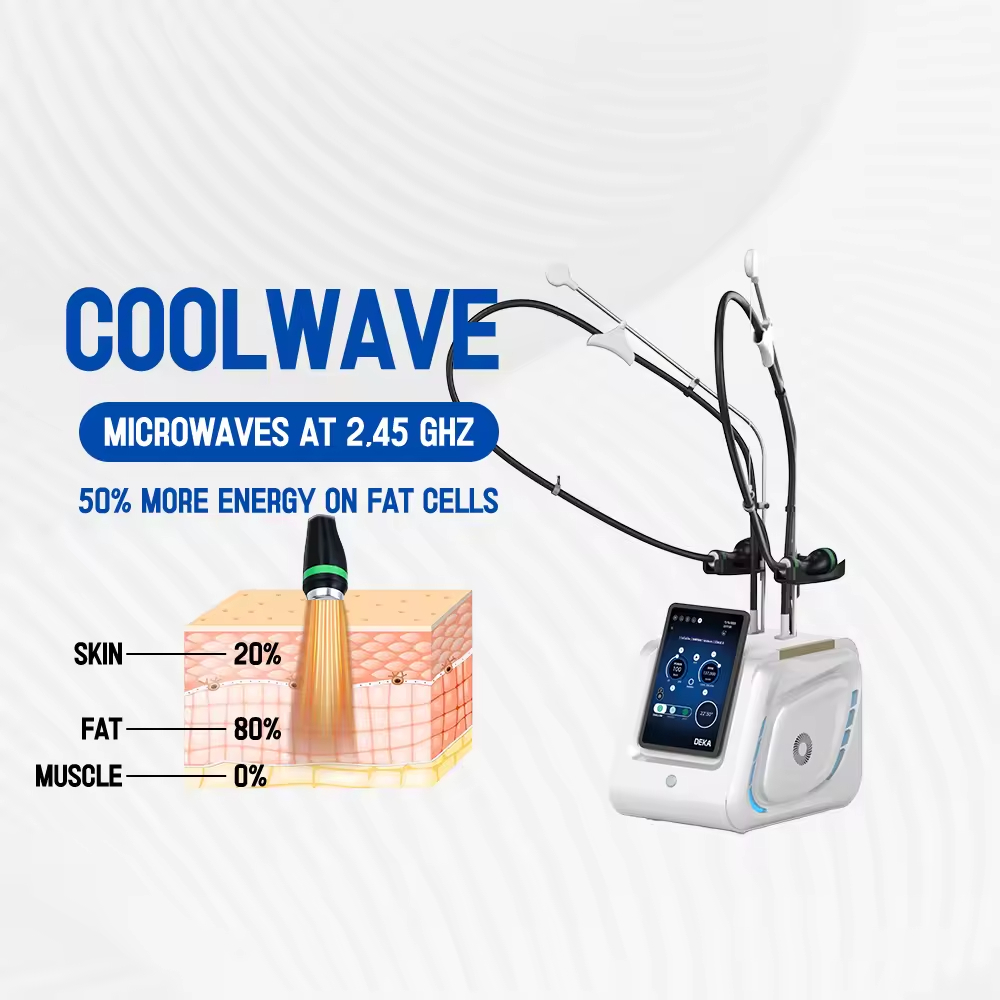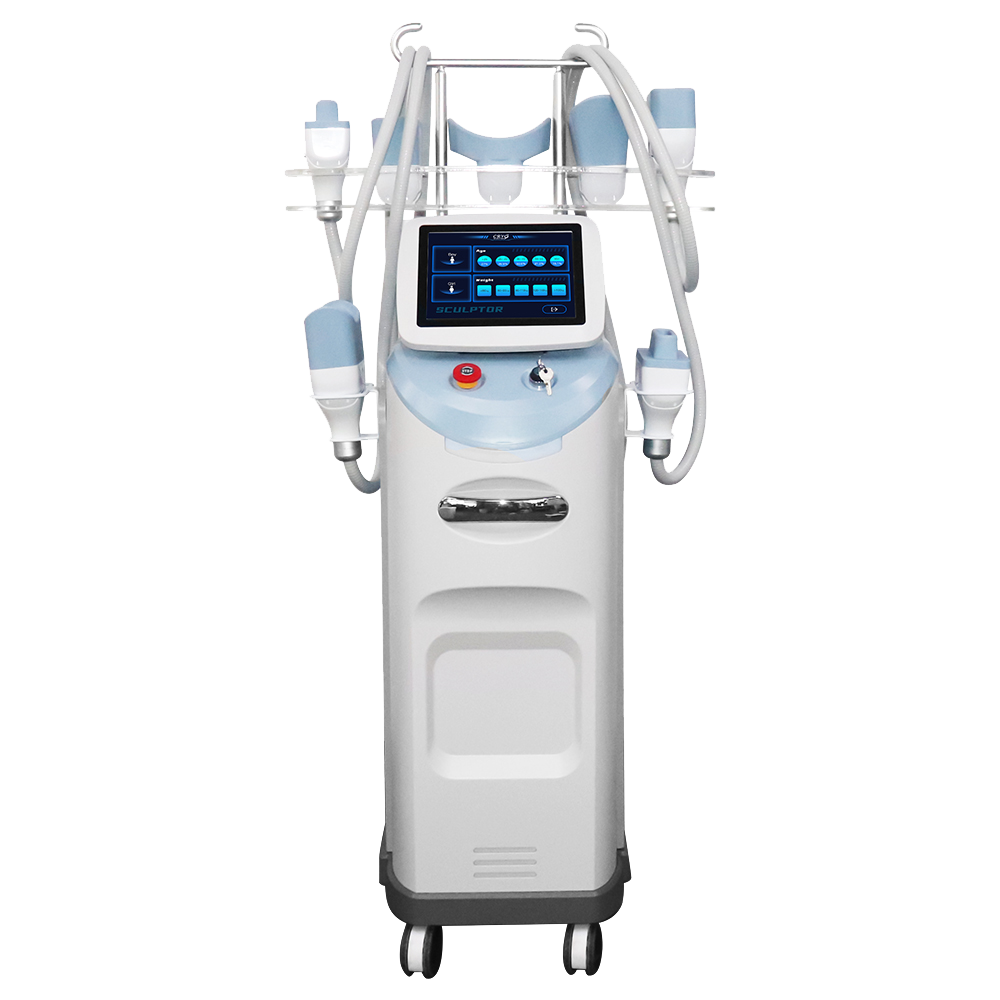










Com o aumento da popularidade dos tratamentos não cirúrgicos de contorno corporal e firmeza da pele, as clínicas são frequentemente questionadas sobre qual tecnologia oferece melhores resultados: radiofrequência cavitacional ou HIFU. Ambas são amplamente utilizadas em práticas estéticas profissionais, porém atuam de maneiras muito diferentes e são recomendadas para necessidades distintas dos clientes. Compreender como as clínicas avaliam essas tecnologias ajuda os profissionais a escolherem a solução mais adequada e auxilia os clientes a estabelecerem expectativas realistas.
1. Compreendendo a cavitação por radiofrequência na prática clínica
1.1 Como funciona a cavitação por radiofrequência
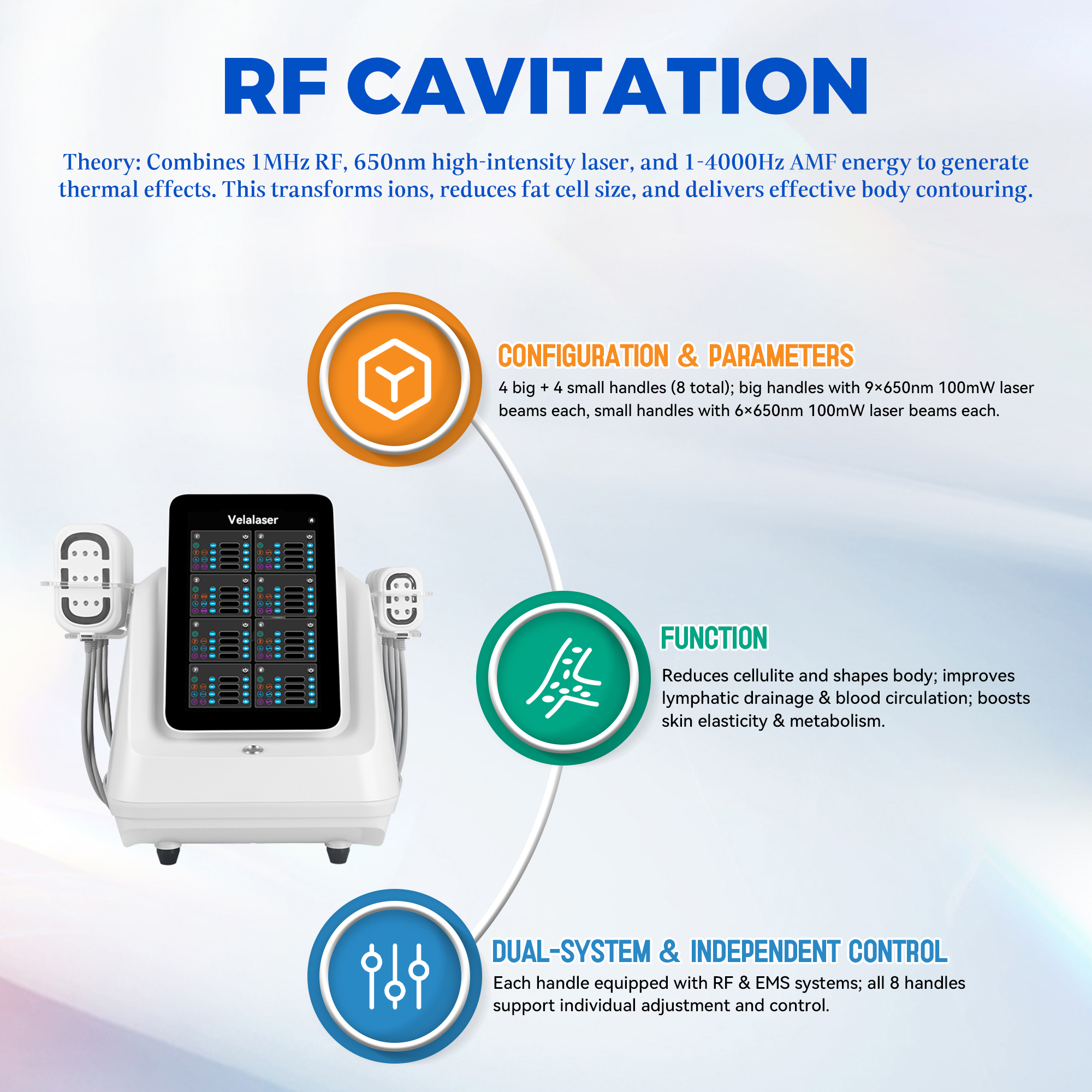
A cavitação por radiofrequência combina energia de radiofrequência com tecnologias complementares para promover simultaneamente a redução de gordura e o rejuvenescimento da pele. A radiofrequência gera calor profundo e controlado nas camadas dérmica e subcutânea, geralmente atingindo temperaturas que estimulam a regeneração do colágeno e ajudam a reduzir as células de gordura. Quando combinada com modalidades como laser de baixa intensidade e eletroestimulação muscular (EMS), os tratamentos de cavitação por radiofrequência tornam-se mais abrangentes.
1.2 Por que as clínicas recomendam a cavitação por radiofrequência
Clínicas costumam recomendar a cavitação por radiofrequência para clientes que buscam emagrecimento corporal gradual, melhora da elasticidade da pele e contornos visíveis sem tempo de recuperação. É especialmente popular para tratar áreas maiores do corpo, como abdômen, coxas, braços e cintura. As sessões de cavitação por radiofrequência são confortáveis, podem ser repetidas e são adequadas para clientes que preferem resultados progressivos ao longo de vários tratamentos.
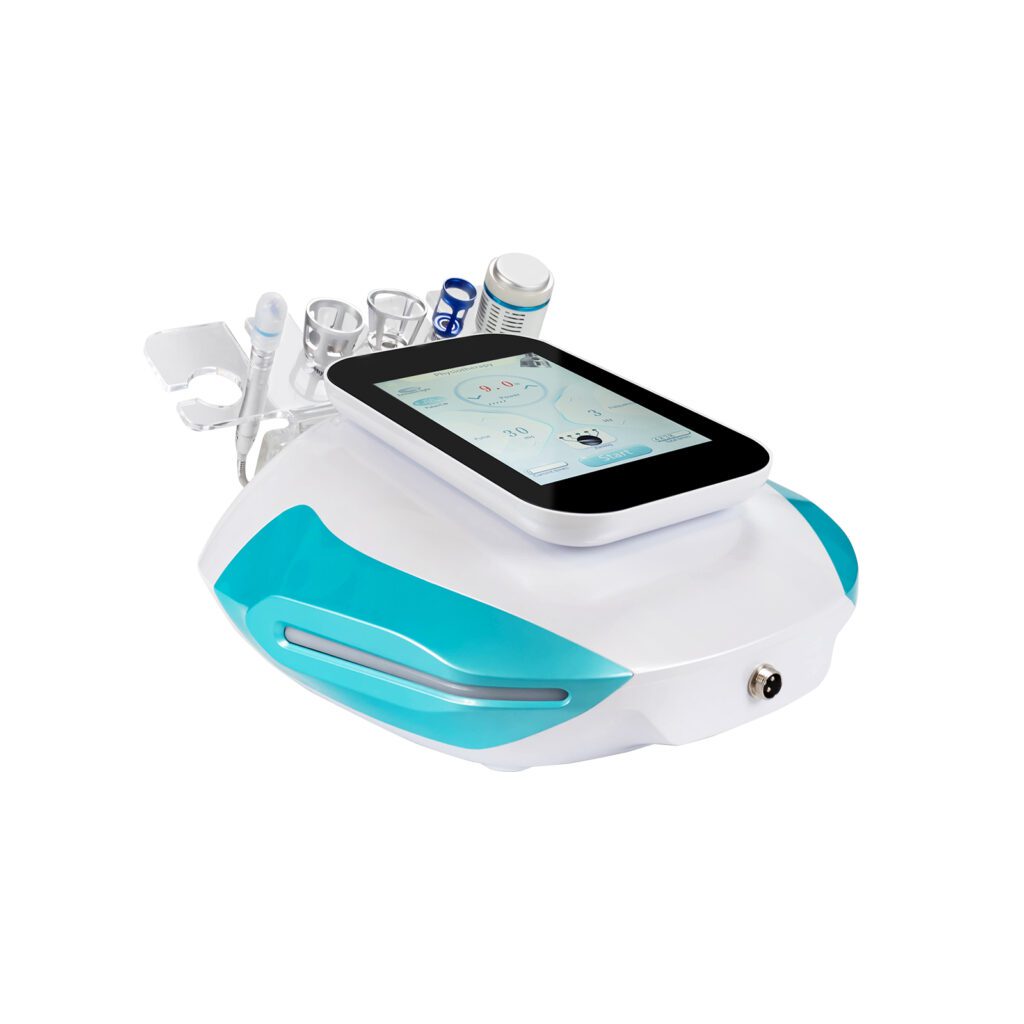
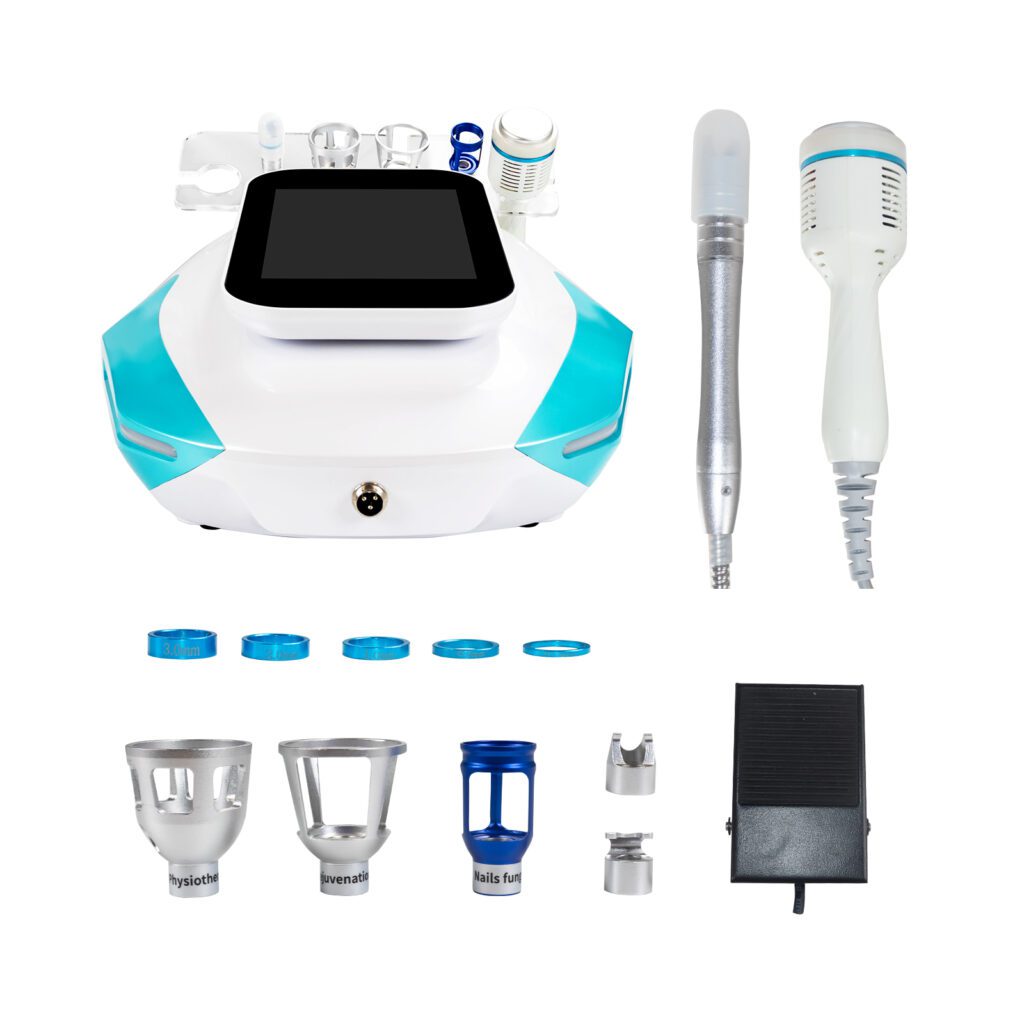
Equipamentos profissionais como o sistema 3 em 1 de radiofrequência, eletroestimulação muscular e lipolaser permitem que as clínicas ofereçam estimulação multicamadas em uma única sessão, combinando redução de gordura, drenagem linfática e tonificação muscular em um único procedimento. Essa versatilidade é um dos motivos pelos quais a cavitação por radiofrequência continua sendo uma das técnicas favoritas das clínicas.
https://shefmon.com/product/3-in-1-super-lipolaser-rf-ems-muscle-stimulator/
2. Compreendendo o HIFU na prática clínica
2.1 Como funciona a tecnologia HIFU
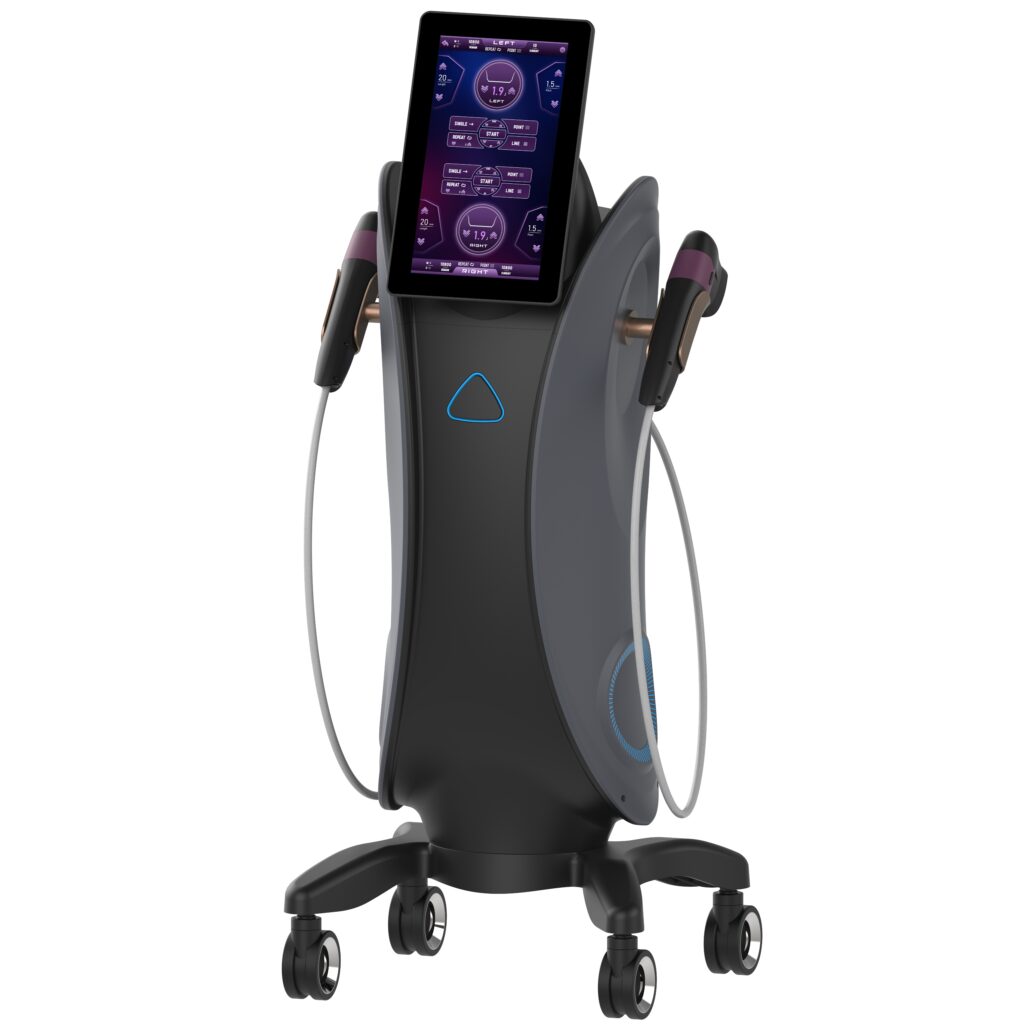
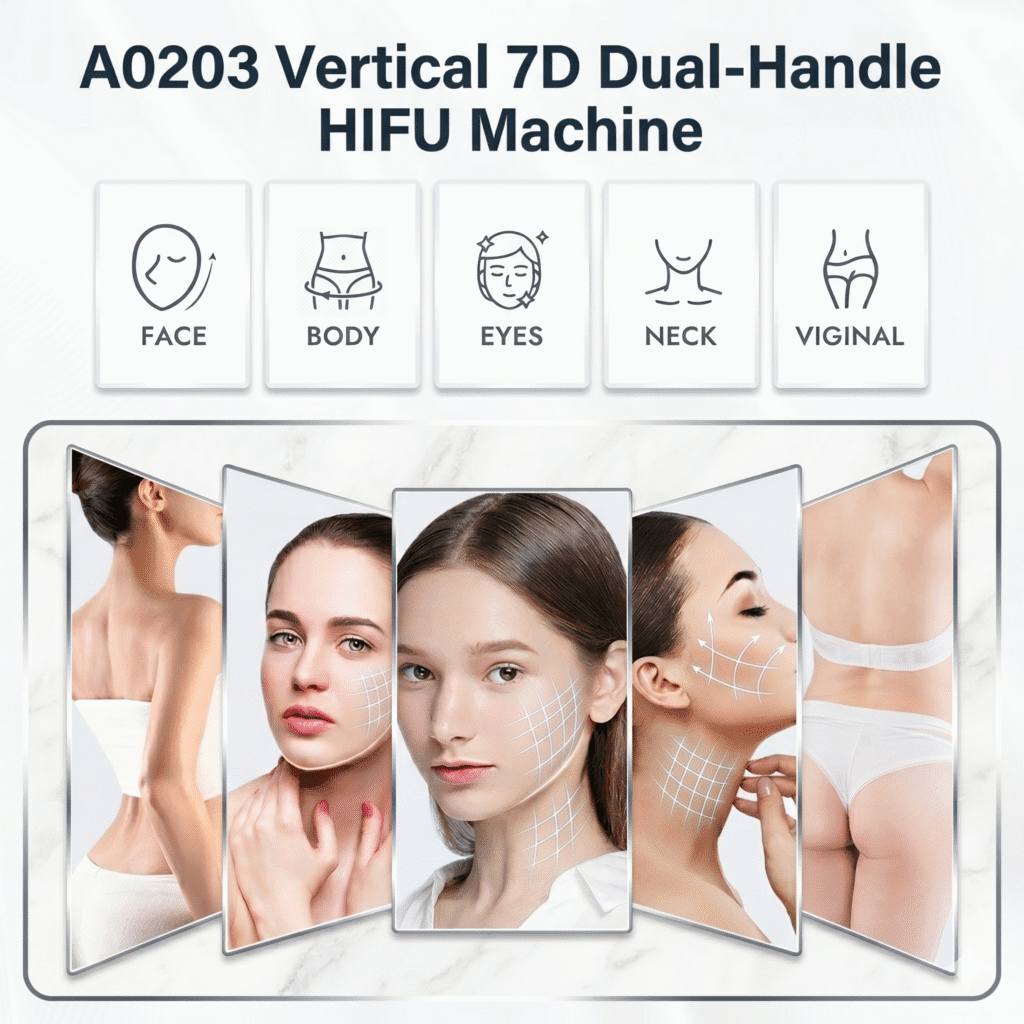
O ultrassom focalizado de alta intensidade (HIFU) utiliza energia ultrassônica focalizada para penetrar profundamente nas camadas de tecido sem danificar a superfície da pele. Ao contrário da radiofrequência (RF), que espalha o calor de forma mais difusa, o HIFU concentra a energia em profundidades precisas, criando pontos de coagulação térmica que desencadeiam a contração do tecido e a remodelação do colágeno.
2.2 Por que as clínicas recomendam o HIFU
As clínicas geralmente recomendam o HIFU para clientes que buscam um efeito lifting e firmador visível, principalmente no rosto, contorno da mandíbula, pescoço e áreas localizadas do corpo. O HIFU costuma ser escolhido quando os clientes desejam resultados mais expressivos com menos sessões. É considerado mais uma solução de "lifting não cirúrgico" do que um tratamento gradual de emagrecimento corporal.
Como o HIFU atinge camadas estruturais mais profundas, as clínicas o posicionam como uma opção premium para flacidez da pele, em vez de redução primária de gordura. O tratamento exige habilidade do operador e controle preciso dos parâmetros, o que também influencia as recomendações das clínicas.
3. Cavitação por radiofrequência vs. HIFU: Principais diferenças que as clínicas devem considerar.
3.1 Objetivos do tratamento
As clínicas recomendam a cavitação por radiofrequência quando o objetivo é o contorno corporal, a redução da celulite e a firmeza geral da pele. O HIFU é recomendado quando a principal preocupação é o lifting da pele flácida ou a melhora dos contornos faciais.
3.2 Conforto e tempo de recuperação durante o tratamento
Os tratamentos de cavitação por radiofrequência são amplamente considerados confortáveis, produzindo uma sensação de calor com mínimo desconforto. Os pacientes podem retornar às suas atividades diárias imediatamente. O HIFU, embora também não invasivo, pode causar um leve desconforto durante o tratamento e sensibilidade temporária após a sessão, o que as clínicas explicam durante as consultas.
3.3 Áreas de Tratamento
A cavitação por radiofrequência é preferida para áreas maiores do corpo e programas de tratamento corporal completo. O HIFU é mais comumente usado para zonas específicas, como o rosto, o pescoço e depósitos de gordura localizados. Algumas clínicas utilizam ambas as tecnologias em diferentes planos de tratamento, em vez de escolher exclusivamente uma delas.

4. Por que muitas clínicas combinam sistemas baseados em radiofrequência em vez de optar apenas pelo HIFU?
4.1 Demanda multifuncional em clínicas modernas
Clínicas modernas frequentemente priorizam dispositivos que podem tratar múltiplas preocupações com uma única plataforma. Sistemas baseados em radiofrequência com tecnologias adicionais como eletroestimulação muscular (EMS) e laser permitem que as clínicas tratem gordura, pele e músculo simultaneamente, aumentando o valor do tratamento e a satisfação do cliente.
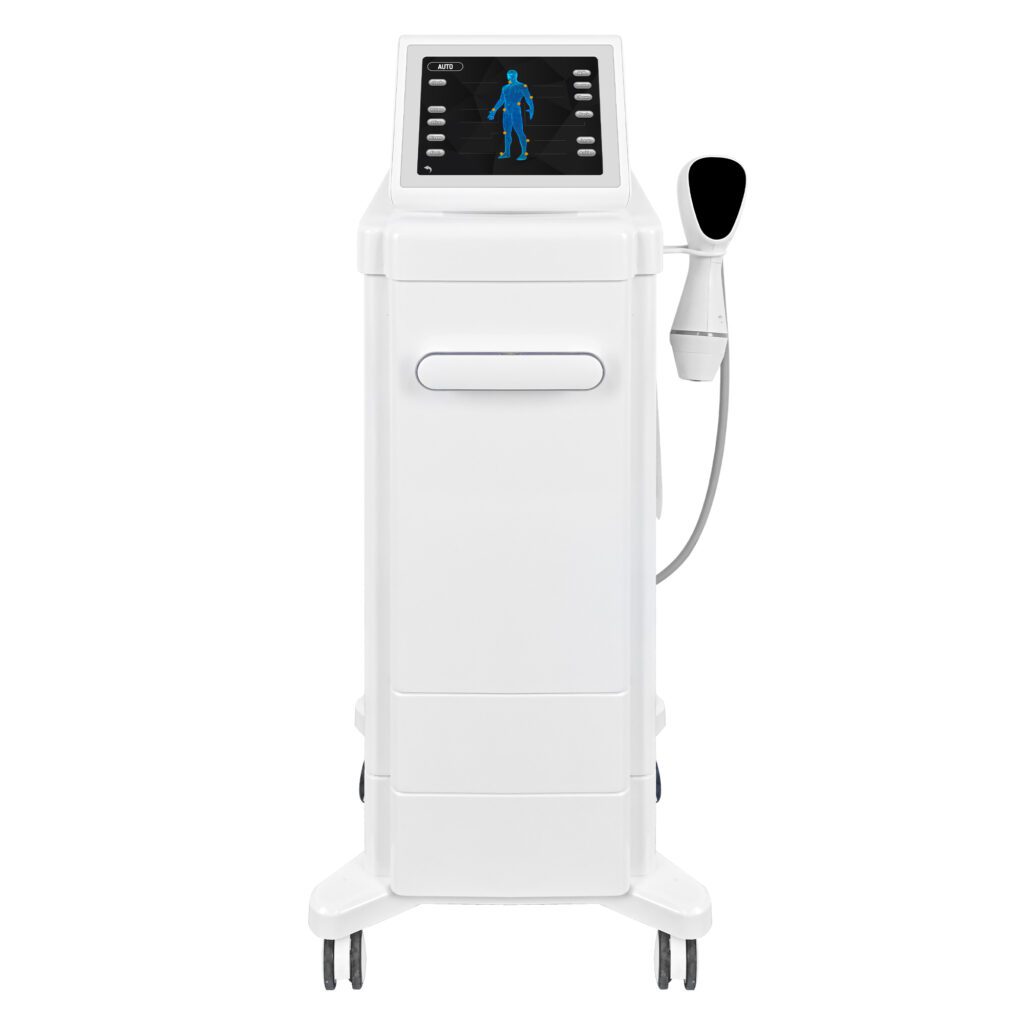
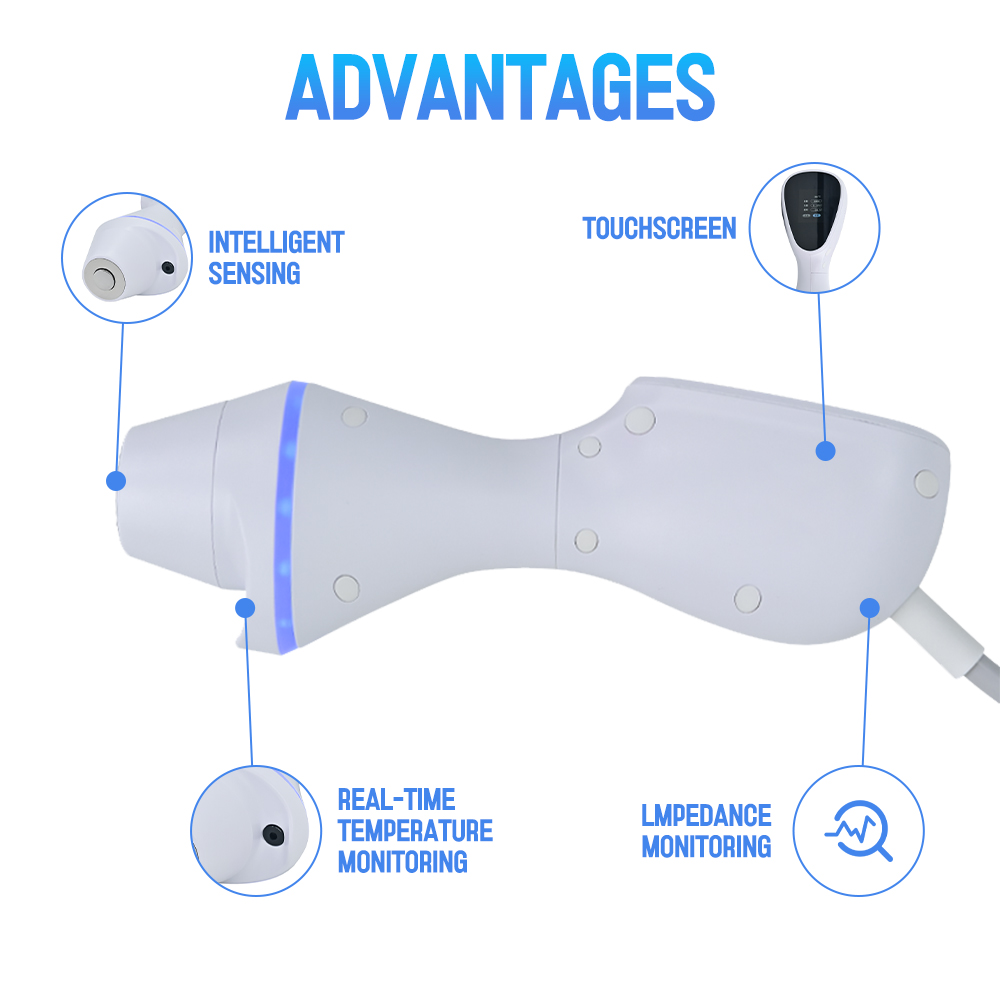
Sistemas avançados de radiofrequência, como a radiofrequência monopolar com tecnologia TECAR, também são usados para lifting facial, emagrecimento corporal e até fisioterapia, tornando-os investimentos altamente versáteis para clínicas.
https://shefmon.com/product/448k-tecar-vertical-monopolar-rf-lifting-machine/
4.2 Considerações sobre negócios e retenção de clientes
Do ponto de vista comercial, os tratamentos de cavitação por radiofrequência incentivam visitas recorrentes, vendas de pacotes e relacionamentos de longo prazo com os clientes. O HIFU, por outro lado, é frequentemente comercializado como um tratamento menos frequente e de alto impacto. As clínicas escolhem com base em seu modelo de serviço, público-alvo e estratégia de receita.
5. Segurança e adequação sob a perspectiva clínica
5.1 Adequação do Cliente
As clínicas recomendam a cavitação por radiofrequência para uma ampla gama de clientes, incluindo aqueles que nunca fizeram tratamentos estéticos. É adequada para diversos tipos de pele e áreas do corpo. O HIFU é recomendado de forma mais seletiva, com uma avaliação cuidadosa da espessura da pele, sensibilidade e objetivos do tratamento.
5.2 Gestão de Riscos
Ambas as tecnologias são consideradas seguras quando realizadas corretamente. As clínicas valorizam os sistemas de radiofrequência (RF) pelo seu controle de temperatura previsível e baixo risco. O HIFU exige técnica precisa, e as clínicas enfatizam o treinamento do operador para garantir resultados consistentes.
Conclusão
As clínicas não consideram a cavitação por radiofrequência e o HIFU como tratamentos intercambiáveis, mas sim como soluções complementares que atendem a objetivos diferentes. A cavitação por radiofrequência é geralmente recomendada para contorno corporal completo, firmeza da pele e programas de emagrecimento de longo prazo devido ao seu conforto, versatilidade e possibilidade de sessões repetidas, enquanto o HIFU é preferido para lifting localizado e firmeza estrutural mais profunda, onde são necessários resultados mais fortes e concentrados. Ao adequar a tecnologia às expectativas do cliente, à área a ser tratada e à intensidade de resultados desejada, as clínicas podem alcançar resultados mais seguros e maior satisfação.