What Is the Pelvic Floor?
Think of your pelvic floor as a hammock of muscles stretched between your hips. It supports your bladder, bowel, and reproductive organs while helping control urination, bowel movements, and even sexual function. When this hammock is tight and strong, everything stays in place. When it weakens? Things get… uncomfortable.
Why Pelvic Floor Dysfunction Is More Common Than You Think
Pregnancy, aging, obesity, surgery, and even chronic sitting can weaken pelvic muscles. Many people assume symptoms like urinary leakage or pelvic heaviness are “normal.” They’re common—but not normal. And they’re definitely treatable.
What Is a Pelvic Floor Physiotherapy Chair?
Definition and Core Concept
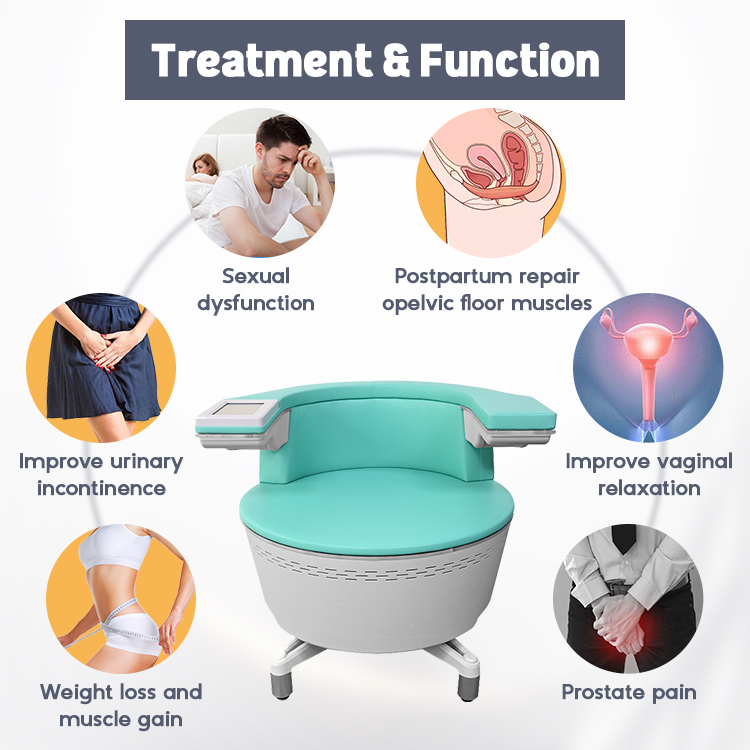
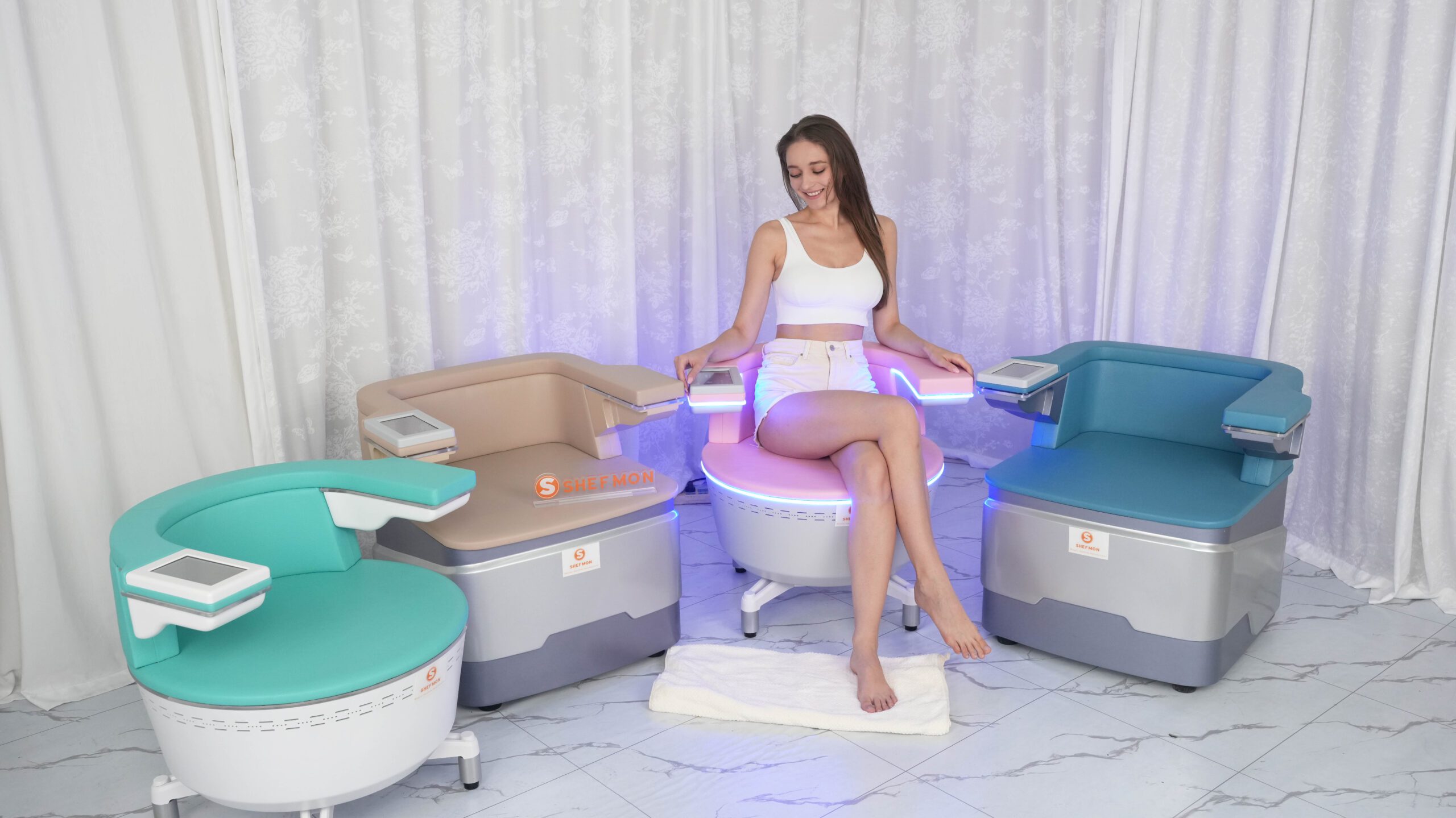
A pelvic floor physiotherapy chair is a medical-grade device that uses high-intensity electromagnetic stimulation (HIFEM or similar technology) to trigger thousands of pelvic floor muscle contractions in a single session. You simply sit fully clothed while the chair works.
How It Differs from Traditional Pelvic Floor Therapy
Traditional therapy often involves manual guidance, internal devices, or exercises like Kegels—which many people do incorrectly. The chair removes guesswork by activating muscles automatically and deeply, reaching areas voluntary contractions simply can’t.
How a Pelvic Floor Physiotherapy Chair Works
Electromagnetic Stimulation Explained
The chair emits focused electromagnetic waves that pass through clothing and skin to stimulate pelvic floor nerves. These nerves signal muscles to contract intensely and repeatedly.
Muscle Contraction and Neuromuscular Re-Education
Each session can produce tens of thousands of supramaximal contractions. That’s like doing years of Kegels in under 30 minutes—without breaking a sweat.
Deep Muscle Activation Without Effort
You don’t squeeze. You don’t concentrate. You just sit. The chair reaches deep muscle fibers that are otherwise difficult to activate voluntarily.
Key Benefits of a Pelvic Floor Physiotherapy Chair
Non-Invasive and Pain-Free Treatment
No probes. No needles. No downtime. It’s as simple as sitting in a chair and letting technology do its thing.
Time-Efficient Therapy Sessions
Sessions typically last 20–30 minutes. Perfect for busy schedules and clinics aiming for high patient throughput.
Improved Muscle Strength and Control
Stronger pelvic muscles mean better bladder control, improved core stability, and enhanced quality of life.
Conditions Treated with a Pelvic Floor Physiotherapy Chair
Urinary Incontinence
Stress, urge, and mixed incontinence respond exceptionally well. Many patients notice improvements after just a few sessions.
Postpartum Recovery
After childbirth, pelvic muscles often feel “lost.” The chair helps reconnect brain-to-muscle signals and rebuild strength safely.
Pelvic Pain and Weakness
Weak muscles can lead to instability and discomfort. Strengthening restores balance and support.
Sexual Health Improvement
Improved muscle tone often leads to enhanced sensation and confidence—for both women and men.
Pelvic Floor Physiotherapy Chair for Women
Pregnancy and Postpartum Applications
From prevention during pre-pregnancy to recovery after delivery, this chair supports women through every stage.
Menopause-Related Pelvic Issues
Hormonal changes can weaken pelvic tissues. Chair-based therapy offers a drug-free solution.
Pelvic Floor Physiotherapy Chair for Men
Prostate Surgery Recovery
After prostate procedures, urinary control is a major concern. Chair therapy accelerates recovery by reactivating weakened muscles.
Male Urinary Incontinence
Yes, men experience it too. And yes, this chair helps—quietly and effectively.
Clinical vs. Home-Use Pelvic Floor Chairs
Professional Medical Devices
Clinical chairs deliver higher intensity, customizable protocols, and faster results under professional supervision.
At-Home Options: Pros and Cons
Home devices offer convenience but lower power. They’re helpful for maintenance, not replacement of clinical therapy.
What a Typical Treatment Session Looks Like
Preparation and Positioning
Patients sit upright, fully clothed. No prep required.
Session Duration and Sensations
You’ll feel rhythmic contractions—strong but not painful. Many describe it as strange but comfortable.
After-Treatment Expectations
No downtime. You can return to daily activities immediately.
Safety, Comfort, and Contraindications
Is It Safe for Everyone?
Generally safe, but medical screening is essential.
Common Contraindications to Know
Not suitable for patients with pacemakers, metal implants in the pelvic area, or during pregnancy unless approved by a doctor.
Pelvic Floor Physiotherapy Chair vs Kegel Exercises
Effectiveness Comparison
Kegels rely on correct technique. The chair eliminates human error and delivers consistent, measurable results.
Why Many Patients Prefer Chair-Based Therapy
No embarrassment. No effort. Better compliance.
Results Timeline: When Will You See Improvements?
Short-Term Results
Some patients notice reduced leakage after 2–3 sessions.
Long-Term Benefits
After a full treatment course (usually 6–8 sessions), results can last months with maintenance.
Choosing the Right Pelvic Floor Physiotherapy Chair
Technical Specifications to Look For
Adjustable intensity
Medical certifications
Ergonomic seat design
Customization and Intensity Levels
Personalized programs deliver better outcomes for different patient needs.
Pelvic Floor Physiotherapy Chair in Modern Clinics
Growing Demand in Physiotherapy and Aesthetic Clinics
Pelvic health is no longer taboo. Clinics offering chair therapy stand out instantly.
Business Benefits for Clinics
High ROI, minimal staffing, and strong patient satisfaction make it a smart investment.
Cost and ROI Considerations
Treatment Cost for Patients
Typically more affordable than surgery or long-term medication.
Investment Value for Clinics
One device can serve hundreds of patients with minimal overhead.
The Future of Pelvic Floor Physiotherapy Technology
Trends and Innovations
Smarter software, AI-driven protocols, and integrated diagnostics are shaping the future.
Integration with Holistic Pelvic Care
Expect more combination therapies for faster, longer-lasting results.
Conclusion
The pelvic floor physiotherapy chair is changing the way pelvic health is treated—quietly, comfortably, and effectively. Whether you’re a patient seeking relief or a clinic looking to upgrade services, this technology delivers real results without the discomfort of traditional methods. Sometimes, the best therapy really is just sitting down.
Frequently Asked Questions (FAQs)
1. How many sessions do I need with a pelvic floor physiotherapy chair?
Most people see results after 6–8 sessions, depending on condition severity.
2. Is the treatment painful?
No. The sensation feels like strong muscle contractions, not pain.
3. Can men use a pelvic floor physiotherapy chair?
Absolutely. It’s highly effective for male urinary incontinence and post-prostate surgery recovery.
4. Do I need to undress for the session?
No. You remain fully clothed during treatment.
5. Are the results permanent?
Results can last several months. Maintenance sessions help prolong benefits.