









Pelvic floor muscle training (PFMT) plays a vital role in maintaining core stability, bladder control, and overall pelvic health for women at different life stages. From postpartum recovery to menopause-related changes, the pelvic floor muscles support key organs such as the bladder, uterus, and intestines. When these muscles weaken, everyday activities like coughing, exercising, or even standing for long periods can become uncomfortable or problematic. Understanding what pelvic floor muscle training is—and why it matters—helps individuals and clinics make informed decisions about prevention, recovery, and long-term wellness.
1. What Are Pelvic Floor Muscles and Their Function?
Pelvic floor muscles form a supportive sling at the base of the pelvis. They are responsible for holding pelvic organs in place and coordinating functions such as urination, bowel movements, and sexual response.
1.1 Core Support and Organ Stability
Strong pelvic floor muscles help maintain proper positioning of the bladder, uterus, and rectum. When muscle tone decreases, conditions such as bladder prolapse or reduced pelvic stability may occur, affecting daily comfort and confidence.
1.2 Role in Bladder and Bowel Control
Pelvic floor muscles actively control the opening and closing of the urethra and anus. Weakness in this muscle group is closely linked to stress urinary incontinence, which can appear during coughing, sneezing, laughing, or physical exercise.
2. Why Pelvic Floor Muscle Training Matters
Pelvic floor muscle training is not only corrective but also preventive. Regular and effective training helps maintain muscle strength, coordination, and endurance.
2.1 Postpartum Recovery and Muscle Restoration
Pregnancy and childbirth place significant strain on pelvic floor muscles. Training helps restore muscle tone, improve control, and reduce the risk of postpartum urinary leakage. It also supports faster recovery of pelvic stability after delivery.
2.2 Aging, Hormonal Changes, and Menopause
As women age, hormonal changes can affect tissue elasticity and muscle strength. Pelvic floor training helps counteract these changes by improving muscle tension, increasing blood flow in the pelvic region, and supporting vaginal health during and after menopause.
3. Traditional Pelvic Floor Training and Its Limitations
Kegel exercises are the most widely known form of pelvic floor muscle training. While effective in theory, they often face challenges in real-life application.
3.1 Difficulty in Correct Muscle Activation
Many individuals struggle to correctly identify and contract the pelvic floor muscles. Incorrect technique or inconsistent practice reduces the effectiveness of traditional exercises.
3.2 Compliance and Long-Term Consistency
Pelvic floor exercises require regular repetition over long periods. Without guided stimulation or feedback, many people discontinue training before achieving meaningful results.
4. Advanced Pelvic Floor Muscle Training with Electromagnetic Technology
Modern pelvic floor muscle training has evolved with the introduction of non-invasive electromagnetic stimulation technology, which addresses many limitations of traditional exercises.
4.1 How Electromagnetic Pelvic Floor Training Works
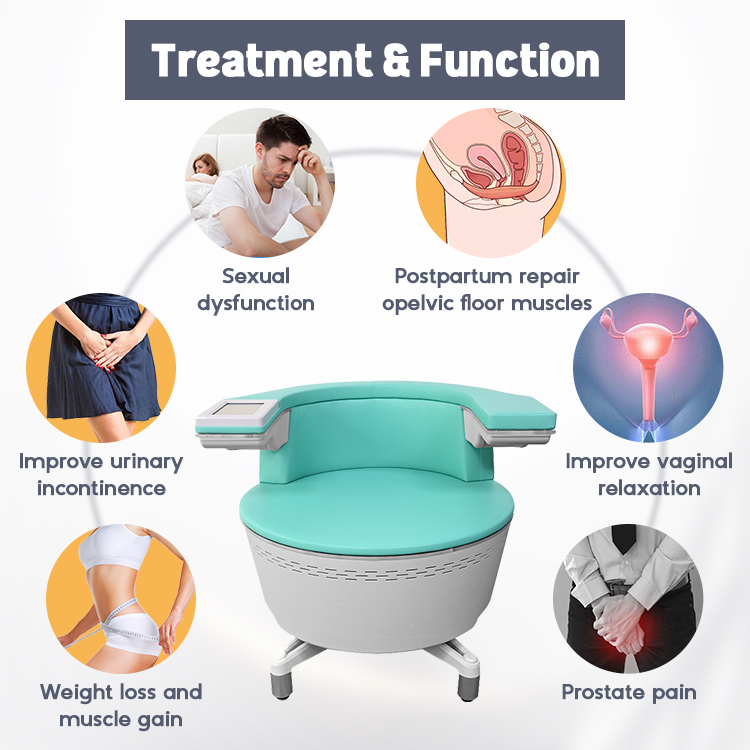
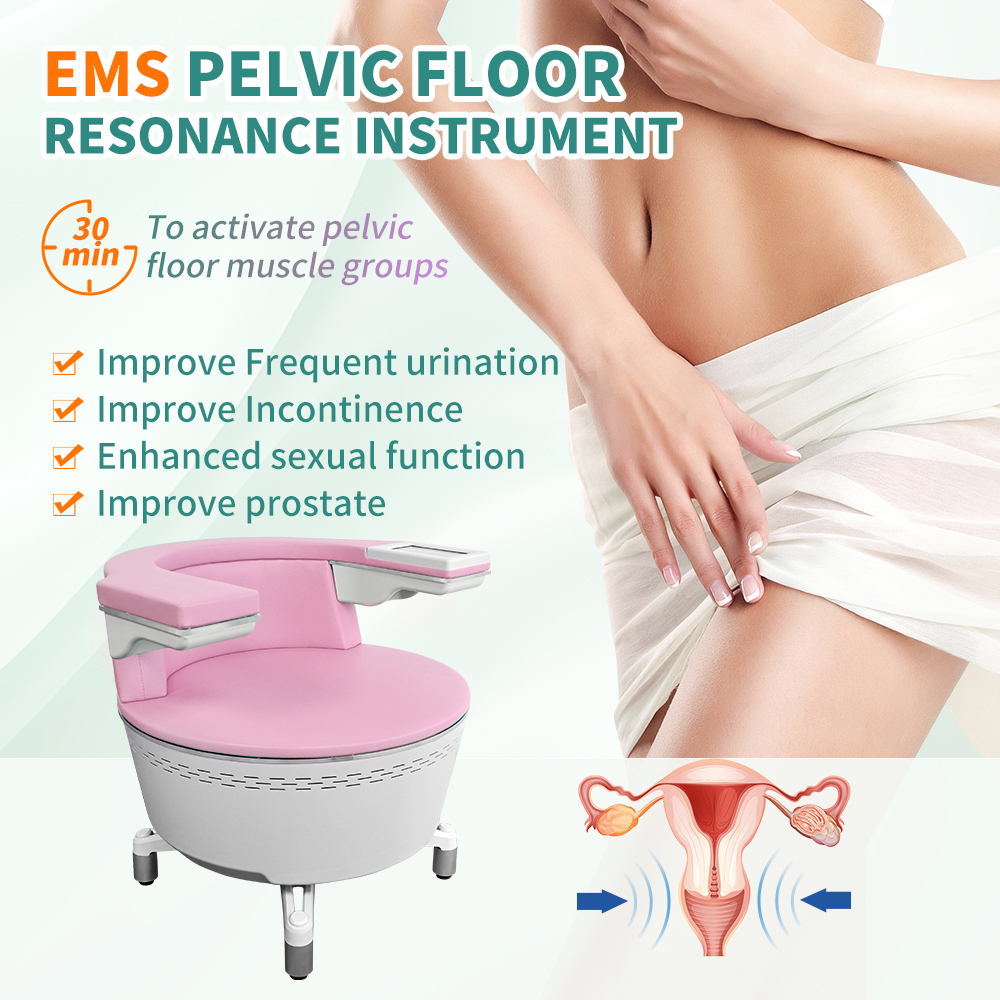
Electromagnetic pelvic floor chairs use focused electromagnetic pulse technology to stimulate deep pelvic floor muscles. The energy penetrates clothing and skin, inducing supramaximal muscle contractions throughout the pelvic region. A single session can generate the equivalent of more than 10,000 to 12,000 pelvic floor muscle contractions, far exceeding what is typically achieved through voluntary exercise.
4.2 Benefits Over Manual Exercises
This technology activates the entire pelvic floor area evenly and automatically, ensuring consistent muscle engagement. Because the treatment is non-invasive and requires no undressing, it offers a convenient and comfortable training option for clinical settings.
One example of this technology is applied in the E0435 Women’s Postpartum Repair EMS Pelvic Floor Chair, which is designed to strengthen pubococcygeus (PC) muscles, support postpartum recovery, improve bladder control, and enhance pelvic circulation, while remaining fully clothed during treatment.
https://shefmon.com/product/e0435-womens-postpartum-repair-new-ems-chair-pelvic-floor-chair-ems-seat-ems-pelvic-floor-muscle-stimulator/
5. Key Benefits of Effective Pelvic Floor Muscle Training
Pelvic floor muscle training delivers both functional and quality-of-life benefits when performed effectively.
5.1 Improved Bladder Control
Strengthening pelvic floor muscles helps reduce urine leakage associated with physical stress or aging. Many users notice improvements after the first few sessions, with gradual reduction in accidents over time.
5.2 Enhanced Pelvic Health and Comfort
Training improves muscle tone, increases blood flow, and supports vaginal health. This is particularly beneficial for women experiencing changes after childbirth or menopause.
5.3 Support for Sexual Function
A stronger pelvic floor contributes to improved muscle sensitivity and control, which can positively influence sexual satisfaction and overall pelvic awareness.
emsculpt machine for body emsculpting
6. Clinical Applications of Pelvic Floor Muscle Training Chairs
Electromagnetic pelvic floor training chairs are increasingly used in clinics, rehabilitation centers, and wellness facilities.
6.1 Non-Invasive and Time-Efficient Therapy
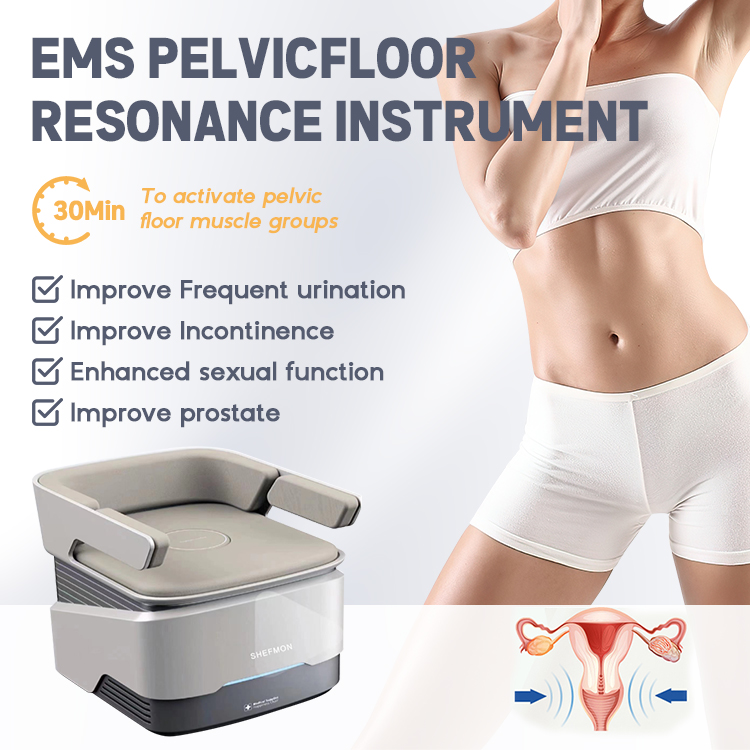
Treatments typically last around 30 minutes, during which the user remains fully clothed. The chair-based design allows passive training without physical exertion, making it accessible to a wide range of users.
6.2 Progressive Improvement with Repeated Sessions
With continued sessions, pelvic floor strength improves steadily. The E0436 Electromagnetic Stimulation Pelvic Floor Muscle Rehabilitation EMS Chair applies focused electromagnetic pulses to strengthen underlying pelvic muscles, helping reduce incontinence symptoms and improve long-term pelvic stability through consistent stimulation.
https://shefmon.com/product/e0436-electromagnetic-stimulation-pelvic-floor-muscle-rehabilitation-ems-chair/
7. Who Can Benefit from Pelvic Floor Muscle Training?
Pelvic floor muscle training is suitable for women across different age groups and life stages.
7.1 Postpartum and Middle-Aged Women
Women recovering from childbirth or experiencing early signs of pelvic floor weakness benefit from targeted muscle strengthening and functional improvement.
7.2 Menopausal and Aging Populations
As muscle elasticity decreases with age, pelvic floor training supports bladder control, pelvic circulation, and overall comfort, helping maintain independence and confidence.
Conclusion
Pelvic floor muscle training is a foundational aspect of pelvic health, influencing bladder control, organ support, and overall quality of life. While traditional exercises provide a basic approach, advanced electromagnetic training technologies offer a more consistent, efficient, and non-invasive solution. By strengthening deep pelvic muscles through controlled stimulation, modern pelvic floor training supports recovery, prevention, and long-term wellness, making it an essential consideration in today’s health and rehabilitation landscape.