








Laser hair removal has become one of the most widely used solutions for long-term hair reduction. As demand grows, safety and reliability have become the top concerns for both clients and clinics. A truly reliable laser hair removal treatment is not defined by power alone, but by how technology, wavelength selection, cooling systems, and intelligent control work together to protect the skin while delivering effective results.
1. The Science Behind Safe Laser Hair Removal
Laser hair removal works on the principle of selective photothermolysis, meaning laser energy is absorbed by melanin in the hair follicle and converted into heat, disabling the follicle while leaving surrounding tissue unharmed.
1.1 Controlled Energy Delivery
Reliable laser systems carefully control energy output, pulse width, and repetition frequency. This precision ensures that sufficient heat reaches the hair follicle without overheating the epidermis. Adjustable parameters allow practitioners to adapt treatments based on skin type, hair thickness, and treatment area, reducing the risk of burns or pigmentation issues.
1.2 Stable Power Supply and Output Consistency
A stable power supply is essential for safety. Professional diode laser systems with high-capacity power supplies deliver consistent energy shot after shot, preventing sudden spikes or drops that could compromise skin safety.
2. Multi-Wavelength Technology for All Skin Types
One of the most important safety advancements in laser hair removal is the use of multiple wavelengths.
2.1 Matching Wavelengths to Skin and Hair Types
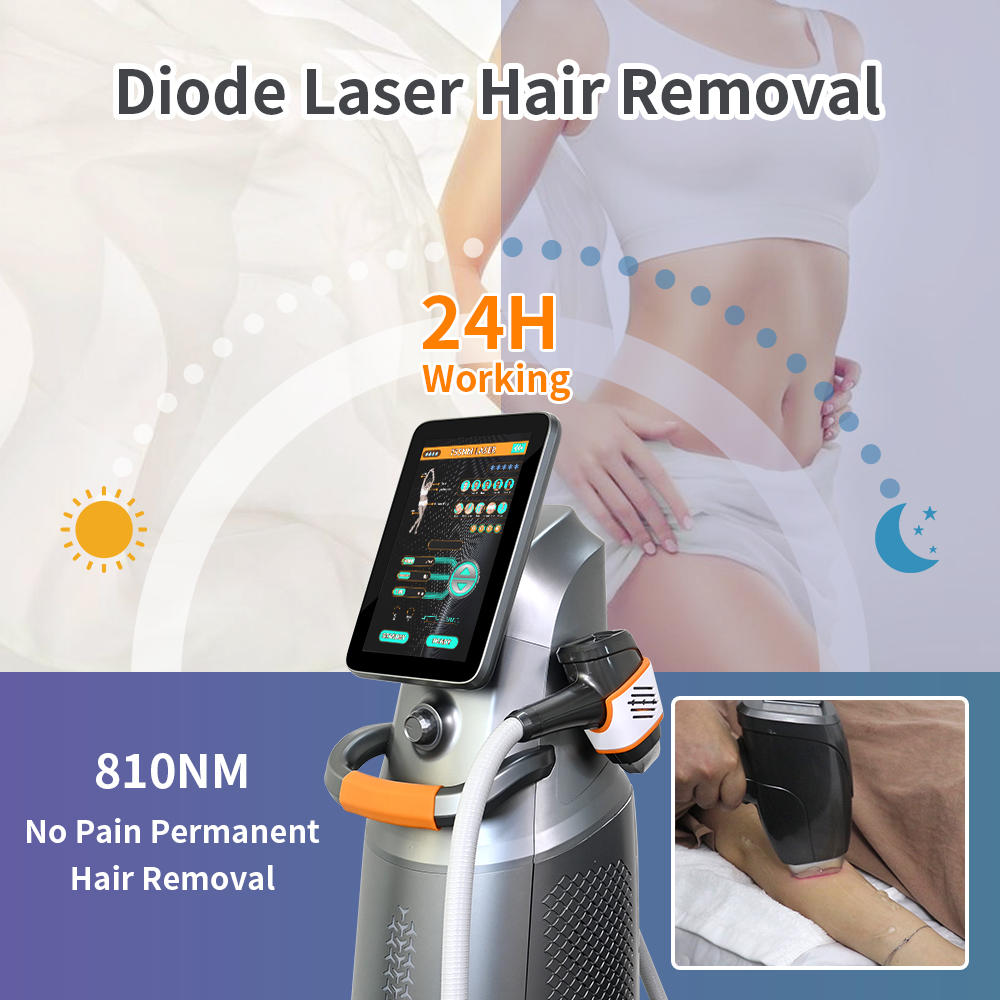
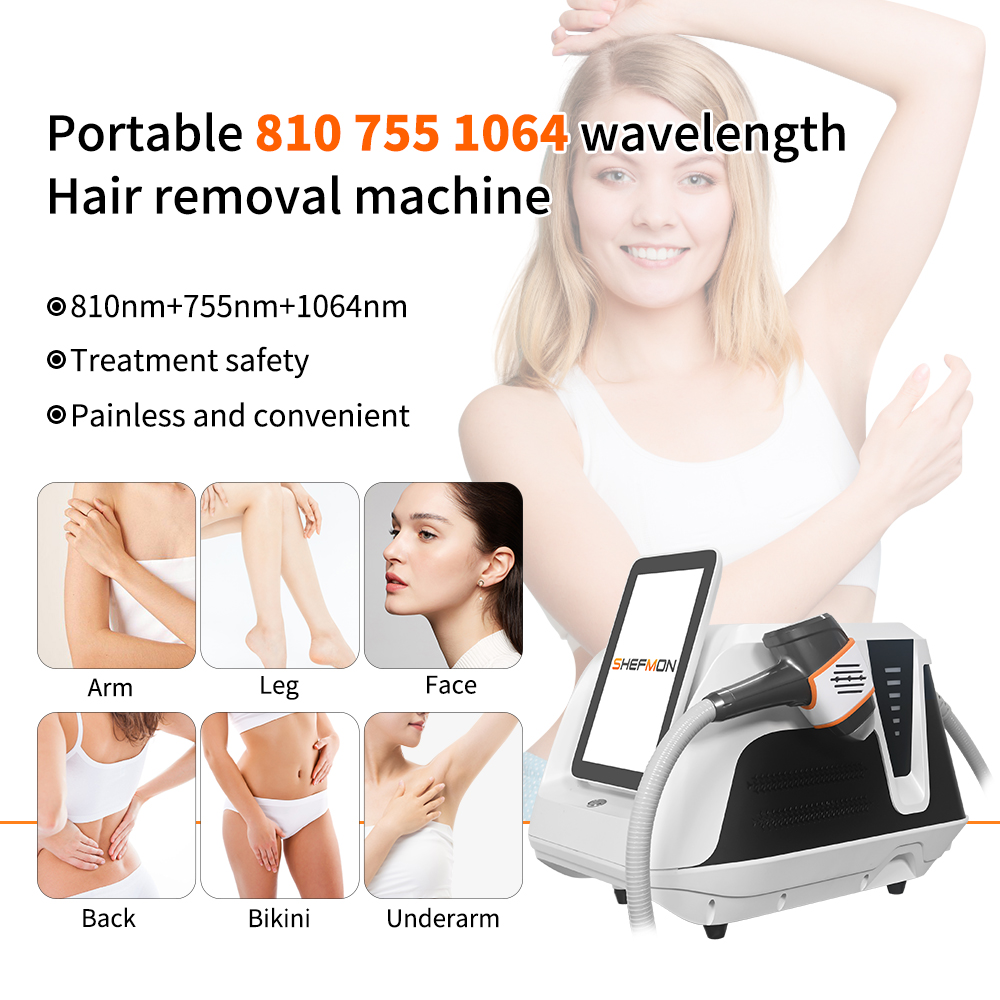
Different skin tones and hair colors absorb laser energy differently. A reliable system combines multiple wavelengths to adapt to these variations. For example, machines that integrate 755nm, 810nm, and 1064nm wavelengths can safely treat a broad range of clients. The 755nm wavelength is highly effective for lighter skin and fine hair, 810nm provides balanced penetration for most skin types, and 1064nm is safer for darker skin tones due to deeper penetration and lower melanin absorption.
Professional devices such as the A0426 Diode Laser Hair Removal Machine use a multi-wavelength approach to ensure safety across diverse treatment scenarios.
https://shefmon.com/product/a0426-755-1064-810-940nm-diode-laser-hair-removal-beauty-machine/
2.2 Optional Wavelengths for Enhanced Safety
Advanced systems may also include a 940nm wavelength, which targets oxyhemoglobin and microvessels feeding the hair follicle. This wavelength offers low melanin absorption, making it particularly safe for darker phototypes while enhancing treatment stability.
3. Cooling Systems That Protect the Skin
Effective cooling is one of the strongest indicators of a safe laser hair removal system.
3.1 Multi-Layer Cooling Technology
Reliable diode laser machines combine several cooling methods, such as semiconductor refrigeration, water circulation, TEC cooling, air cooling, and sapphire contact cooling. This layered approach rapidly removes heat from the skin surface, keeping epidermal temperatures low even when high energy is delivered to the follicle.
3.2 Continuous Cooling During Treatment
Consistent cooling before, during, and after each pulse minimizes discomfort and significantly reduces the risk of burns. Systems designed for continuous operation ensure stable cooling performance even during long treatment sessions or high-volume clinic use.
4. Intelligent Control and User Safety Features
Modern laser hair removal safety depends heavily on intelligent system design.
4.1 Skin Type Presets and Parameter Control
Advanced machines offer preset parameters for different skin types and treatment areas, reducing operator error. Separate settings for men and women, as well as adjustable pulse widths and energy levels, allow treatments to remain within safe thresholds while maintaining effectiveness.
4.2 Real-Time Monitoring and Alerts
Built-in monitoring systems track water flow, probe temperature, and system performance in real time. If abnormal conditions are detected, the system can automatically limit output or stop operation, preventing potential injury.
Devices such as the A0423 Diode Laser Hair Removal Machine integrate intelligent control with stable cooling and multi-wavelength output, supporting safe, long-duration treatments.
https://shefmon.com/product/a0423-laser/
5. Treatment Comfort as a Safety Indicator
Comfort is closely linked to safety in laser hair removal.
5.1 Reduced Pain Through Technology
When cooling systems and pulse control are properly designed, clients experience significantly less pain. A comfortable treatment indicates that epidermal protection is effective and that heat is being confined to the hair follicle rather than the skin surface.
5.2 Shorter Treatment Time, Lower Risk
High-powered diode lasers with large spot sizes allow faster coverage of large areas. Shorter treatment times reduce cumulative heat exposure, lowering the risk of irritation or post-treatment sensitivity.
6. Long-Term Reliability and Equipment Durability
Safety is not only about individual treatments but also long-term machine performance.
6.1 High Shot Life and Continuous Operation
Professional laser systems designed for 24-hour continuous operation and millions of shots ensure consistent performance over time. Stable output across long service life reduces variability between treatments, which is essential for maintaining safety standards in busy clinics.
6.2 Consistent Results Across Sessions
Reliable machines deliver repeatable energy output session after session, ensuring predictable results without increasing risk. This consistency is especially important for multi-session hair removal protocols.
7. Operator Training and Clinical Protocols
Even the safest technology requires proper use.
7.1 Importance of Professional Training
Trained operators understand how to adjust parameters, recognize skin responses, and follow treatment protocols. This knowledge is critical for preventing complications and ensuring safe outcomes.
7.2 Pre- and Post-Treatment Guidelines
Client screening, skin assessment, and post-treatment care recommendations further enhance safety. Avoiding sun exposure, using proper skincare, and following session intervals all contribute to reliable results.
Conclusion
Laser hair removal is considered safe and reliable when advanced technology, intelligent design, and professional operation work together. Multi-wavelength diode lasers, robust cooling systems, stable power output, and real-time monitoring form the foundation of safe treatments for all skin types. When combined with proper training and clinical protocols, modern laser hair removal systems provide consistent, effective results while prioritizing skin protection and client comfort.