















Vaginal tightening therapy has grown in popularity as more women seek safe, non-invasive treatments to improve pelvic floor strength, restore muscle tone, and enhance overall intimate health. A key player in this field is EMS technology (Electrical Muscle Stimulation) — a method that activates muscles through targeted electromagnetic pulses rather than traditional exercise or surgery. But what exactly role does EMS play in vaginal tightening therapy, and why are clinics incorporating it into their rehabilitation and wellness offerings? This article explains the science, treatment benefits, ideal candidates, and what women can expect from EMS-based vaginal tightening.
1. Understanding EMS Technology and How It Works
1.1 What Is EMS?
EMS는 다음을 의미합니다. 전기 근육 자극. It uses controlled electromagnetic energy to induce muscle contractions by stimulating motor neurons below the skin’s surface. Unlike voluntary contractions that occur during exercises such as Kegels, EMS triggers 최대수축 — stronger and more frequent than what most people can achieve on their own. These contractions promote muscle strengthening, improved blood flow, and neuromuscular re-education.
1.2 How EMS Targets Pelvic Floor Muscles
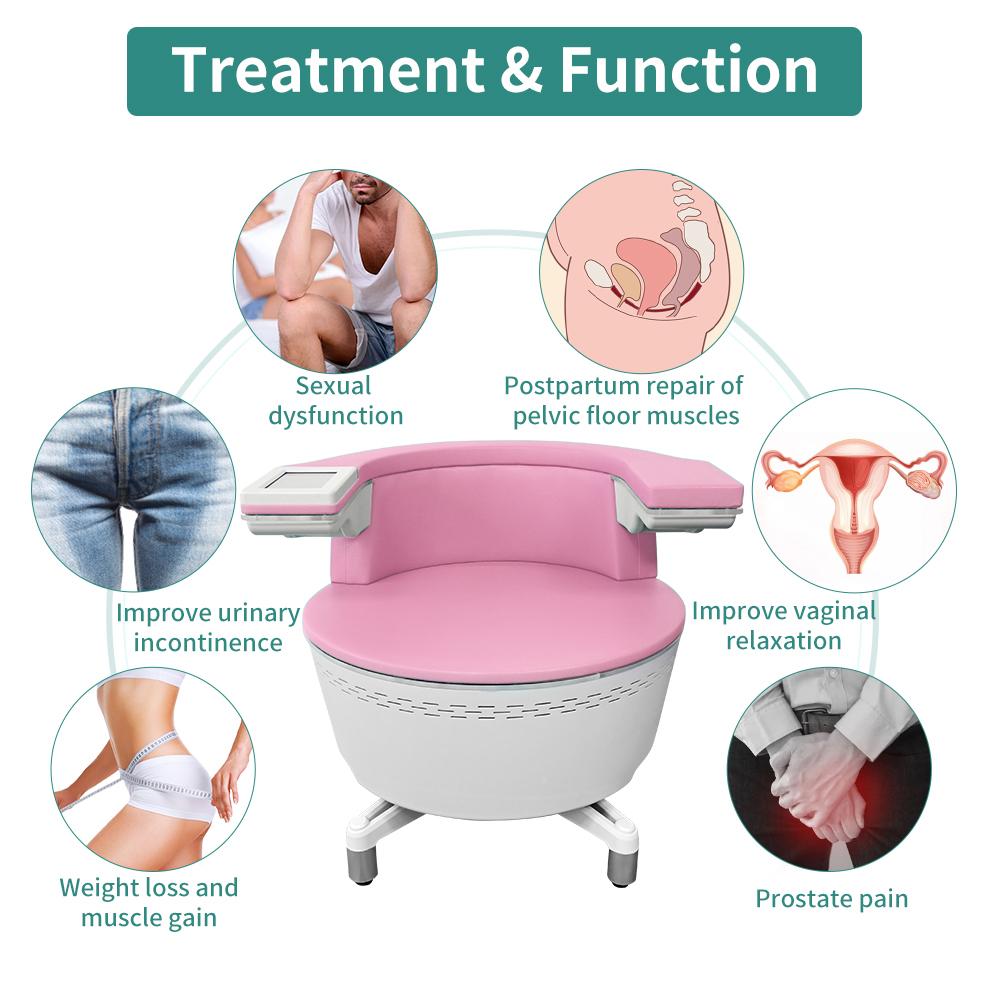
In vaginal tightening therapy, EMS is used specifically to stimulate the pelvic floor muscles. These muscles support the bladder, uterus, and rectum, and play a crucial role in urinary continence and sexual function. When weakened due to childbirth, aging, hormonal changes, or inactivity, women may experience urinary incontinence, pelvic organ prolapse, decreased sexual satisfaction, and loss of muscle tone. EMS stimulates these deeper muscles efficiently and effectively, helping restore strength and tone.
2. Why EMS Technology Is Ideal for Vaginal Tightening
2.1 Deep Muscle Activation
Traditional pelvic floor exercises like Kegels rely on a woman’s ability to consciously contract specific muscles. This can be challenging without correct technique or awareness of the pelvic floor. EMS technology bypasses this learning curve by directly activating muscle fibers, ensuring consistent and effective stimulation.
2.2 Enhanced Muscle Tone and Strength
Repeated EMS sessions lead to improved muscle tone and strength over time. This is crucial for vaginal tightening because tight, responsive pelvic muscles contribute to a firmer vaginal canal. EMS stimulates both slow-twitch and fast-twitch muscle fibers, maximizing overall pelvic floor fitness.
3. EMS Vaginal Tightening Devices: What They Are and How They Work
3.1 EMS Pelvic Floor Muscle Stimulators
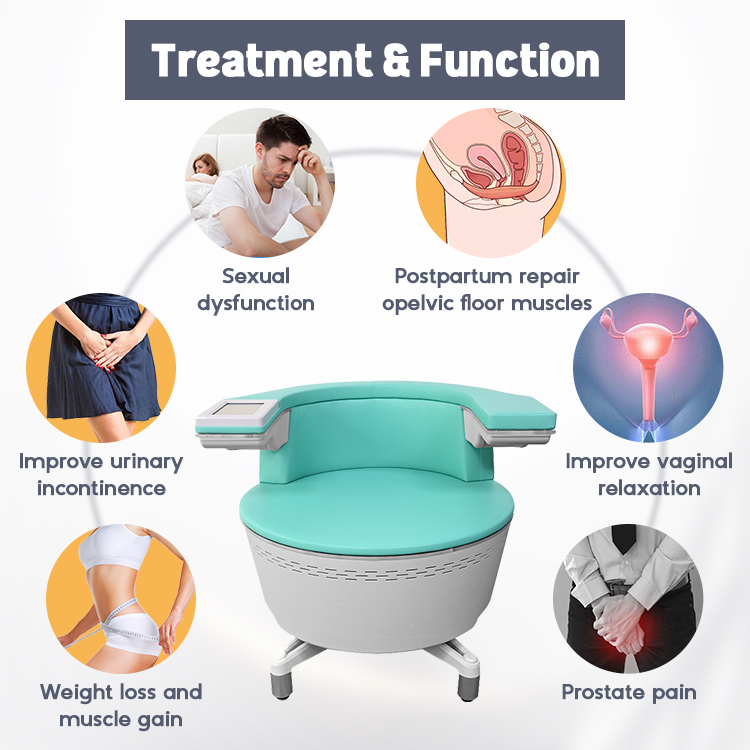
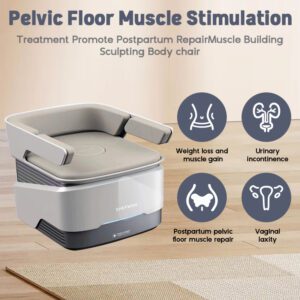
Modern EMS devices are designed to be ergonomic and user-friendly. An example is the Women’s Postpartum Repair New EMS Chair Pelvic Floor Chair EMS Seat EMS Pelvic Floor Muscle Stimulator — a device that allows women to receive EMS therapy while seated comfortably. The system delivers targeted electromagnetic pulses to the pelvic area, triggering muscle contractions that mimic thousands of Kegel exercises without physical effort.
These EMS chairs are particularly useful for women with limited mobility, busy lifestyles, or those who find traditional exercises difficult to perform correctly.
3.2 Additional EMS Physio Chairs for Rehabilitation
Another example is the 전자기 자극 골반저근 재활 EMS 의자. This device is designed not only for tightening but also for comprehensive pelvic floor rehabilitation. It supports women in regaining muscle control and restoring urinary function after childbirth, surgery, or long-term weakness.
These advanced chairs often feature adjustable intensity settings, multiple treatment programs, and ergonomic design to ensure comfort and effectiveness throughout the session.
4. Benefits of EMS for Vaginal Tightening
4.1 Improved Pelvic Muscle Strength
One of the core goals of vaginal tightening is strengthening the pelvic floor. EMS delivers consistent, targeted stimulation that enhances muscle recruitment across deeper layers, leading to greater strength gains than voluntary exercises alone.
4.2 Reduced Urinary Incontinence
Weakened pelvic muscles can contribute to stress urinary incontinence — leakage during coughing, sneezing, or exercise. EMS therapy helps rebuild muscle control, reducing episodes of incontinence and improving confidence in daily activities.
4.3 Enhanced Sexual Satisfaction
Stronger pelvic floor muscles can also lead to improvements in intimate sensation and sexual function. Many women report increased pelvic awareness, stronger muscle contractions, and overall greater satisfaction after completing a course of EMS therapy.
4.4 Customized, Non-Invasive Treatment
EMS treatment is non-surgical and requires no incisions, anesthesia, or recovery period. Most sessions are comfortable and allow women to resume everyday activities immediately afterward.
5. What to Expect During and After EMS Vaginal Tightening Sessions
5.1 Typical Treatment Plan
A standard EMS vaginal tightening program might include sessions 2–3 times per week over several weeks, depending on the severity of muscle weakness and individual goals. Each session usually lasts 20–30 minutes, during which users sit comfortably while the chair delivers controlled electromagnetic pulses.
5.2 Sensations During Treatment
During an EMS session, women may feel rhythmic muscle contractions. These are not painful — they feel like controlled tightening in the pelvic area. The intensity can usually be adjusted based on comfort and therapeutic goals.
5.3 Post-Treatment Feelings and Results
Most women experience subtle improvements quickly, such as increased pelvic awareness and confidence. More significant results, including improved muscle strength, reduced incontinence, and increased muscle tone, typically emerge after a few weeks of consistent treatment.

6. Who Is a Good Candidate for EMS Vaginal Tightening?
6.1 Postpartum Women
Childbirth is one of the leading causes of pelvic floor weakening. EMS is highly effective for postpartum recovery, helping restore muscle tone and control after vaginal delivery.
6.2 Women with Urinary Incontinence
Whether due to aging or muscle weakness, women with stress or mixed urinary incontinence often benefit significantly from EMS therapy, which enhances muscle control without surgery.
6.3 Women Seeking Non-Surgical Intimate Wellness
Many women simply desire firmer, more responsive pelvic muscles for personal comfort and confidence. EMS offers a safe, non-invasive path toward achieving intimate wellness goals.
7. Safety and Considerations
7.1 Generally Comfortable and Low Risk
EMS treatments are generally well-tolerated, with minimal risks or side effects. Mild tingling or warmth may be experienced during sessions, but discomfort is rare.
7.2 Medical Screening Recommended
As with any therapy, a medical consultation is advisable before beginning treatment. Women with certain medical conditions — such as active pelvic infections, recent pelvic surgery, or implanted electronic devices — should consult their healthcare provider to ensure EMS is appropriate.
결론
EMS technology plays a significant and scientifically grounded role in vaginal tightening therapy. By delivering targeted electromagnetic stimulation directly to the pelvic floor, EMS strengthens muscles that are otherwise challenging to activate through exercise alone. This leads to improved pelvic support, reduced urinary incontinence, enhanced intimate sensation, and overall better pelvic health. Innovative devices such as EMS pelvic floor chairs provide comfortable, non-invasive options for women seeking effective vaginal tightening without surgery, making EMS a valuable component of modern women’s wellness and rehabilitation therapy.