







최적화된 솔루션, 전문적인 밸브 지식 및 업계 뉴스를 공유하세요

원하시는 관련 용어나 키워드를 입력하시면 검색 결과에 관련 기사가 표시됩니다. 원하시는 답변을 찾지 못하시면 언제든지 문의해 주세요. 기꺼이 도와드리겠습니다. 또는 beauty@shefmon.com으로 직접 이메일을 보내주셔도 됩니다.

충격파 치료와 물리치료로 어떤 질환을 치료할 수 있나요?

Shockwave & Physiotherapy Therapy has become a cornerstone of modern rehabilitation, pain management, and sports recovery. By combining mechanical shockwaves with advanced physiotherapy modalities such as Tecar therapy and magnetotherapy, clinics can treat a wide range of musculoskeletal and soft tissue conditions in a non-invasive, efficient, and evidence-based way. This article explores the most common conditions treated with Shockwave & Physiotherapy Therapy and explains why clinics worldwide continue to adopt these technologies.

shockwave transformers - shefmon

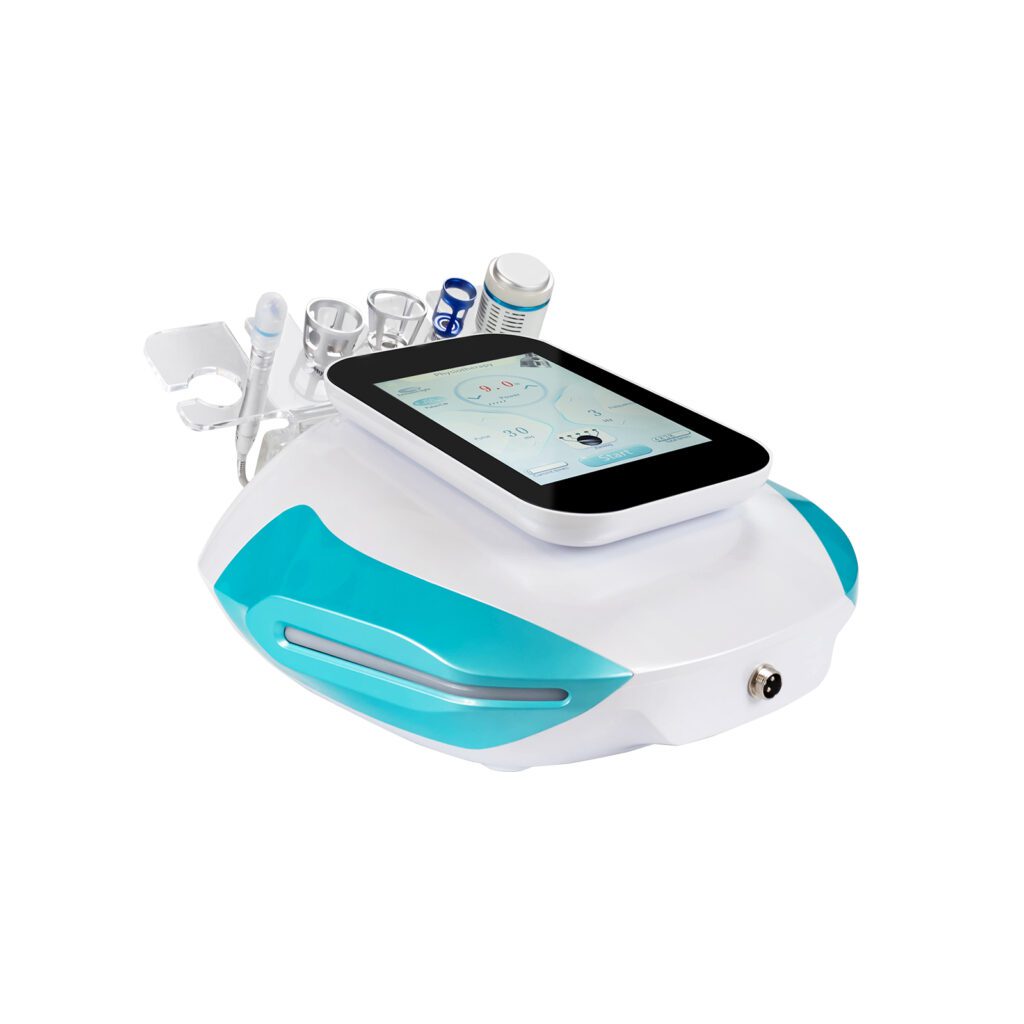
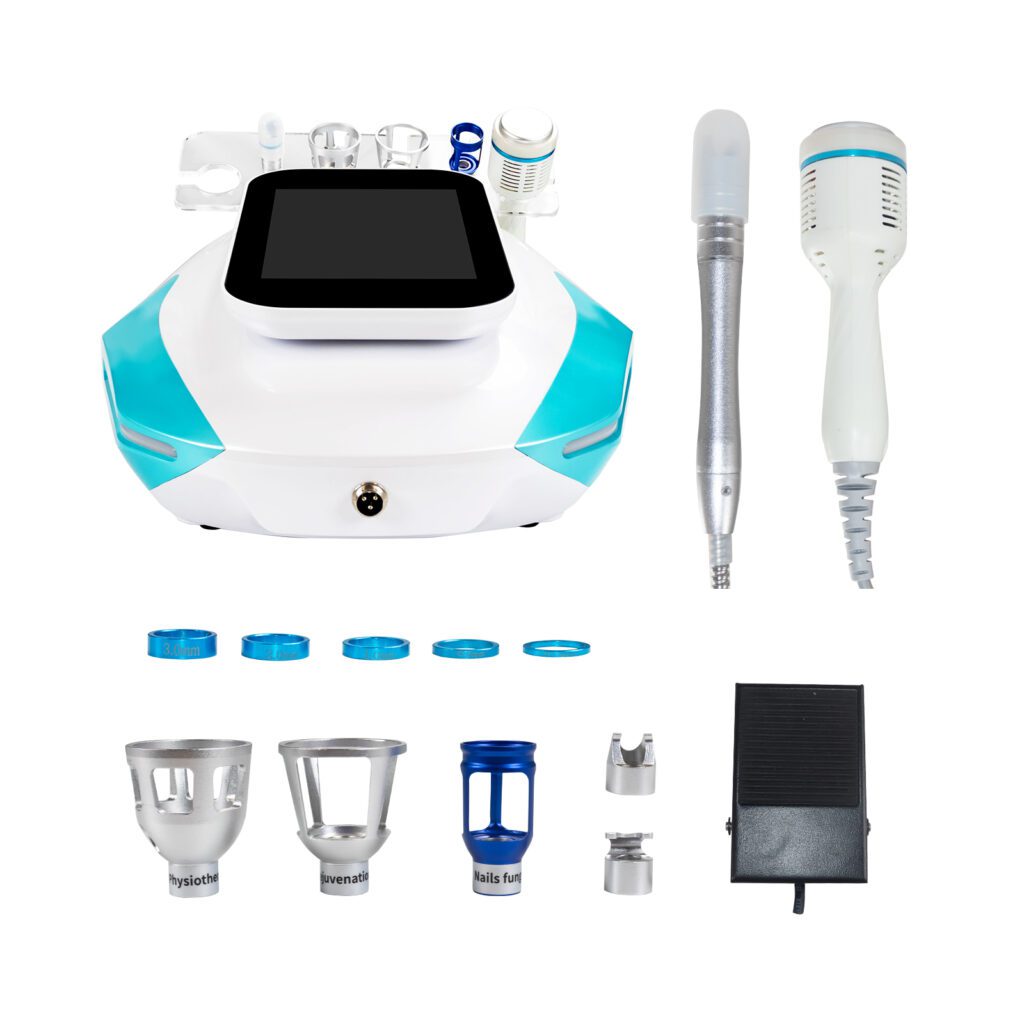
sw12 충격파 치료기

1. Chronic Musculoskeletal Pain Conditions

1.1 Tendinitis and Tendinopathy

One of the most common applications of Shockwave & Physiotherapy Therapy is the treatment of chronic tendinitis and tendinopathy. Conditions such as Achilles tendinitis, patellar tendinitis, rotator cuff tendinopathy, and tennis elbow often involve calcium deposits, reduced blood flow, and micro-tears within the tendon structure.

Focused shockwave therapy targets the pain source directly, helping dissolve calcifications and stimulate neovascularization. The mechanical stimulation triggers cellular regeneration while improving oxygen and nutrient delivery to damaged tissues. This approach is particularly effective for patients who have not responded to medication or conventional physiotherapy.

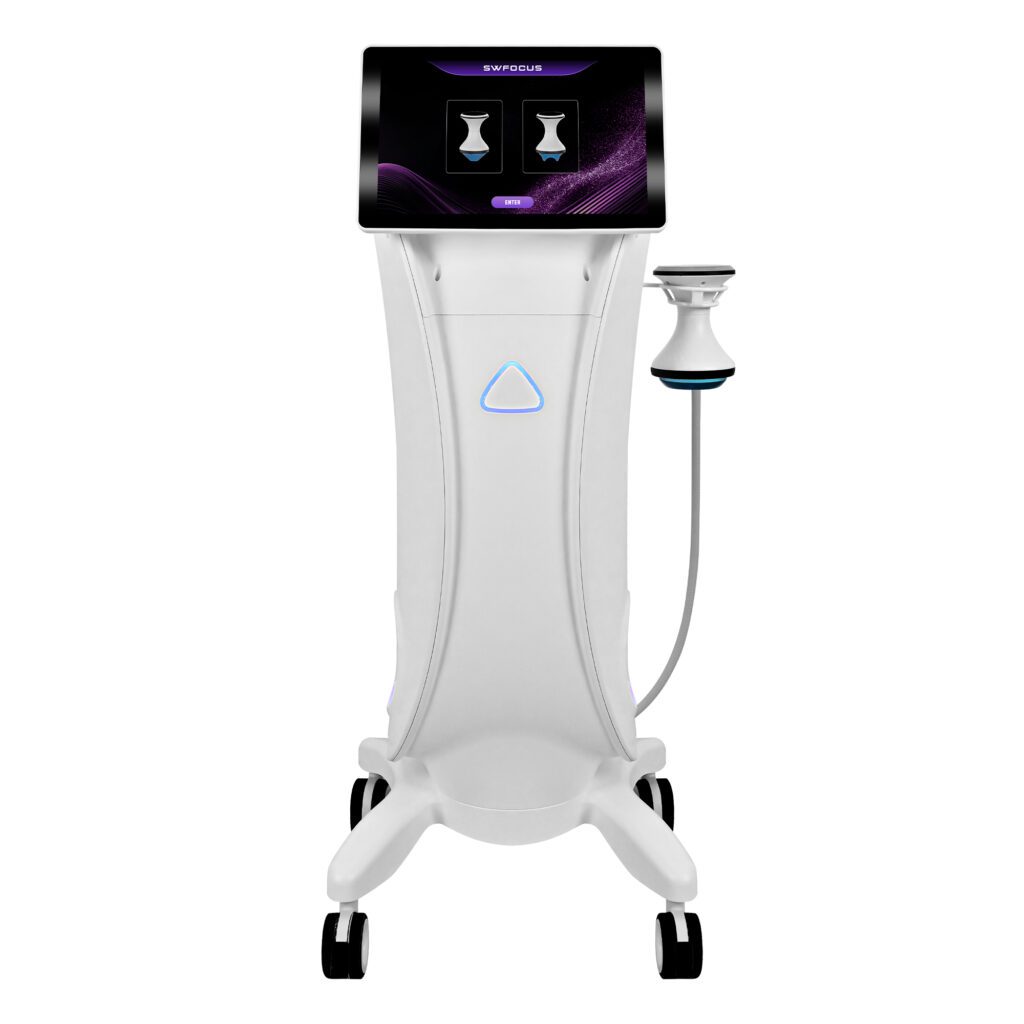
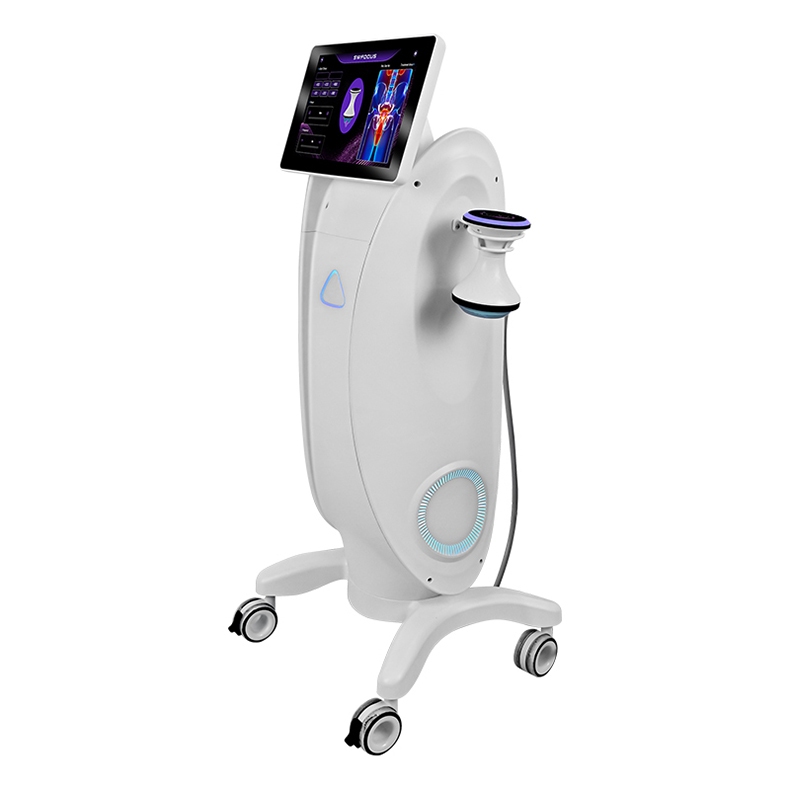
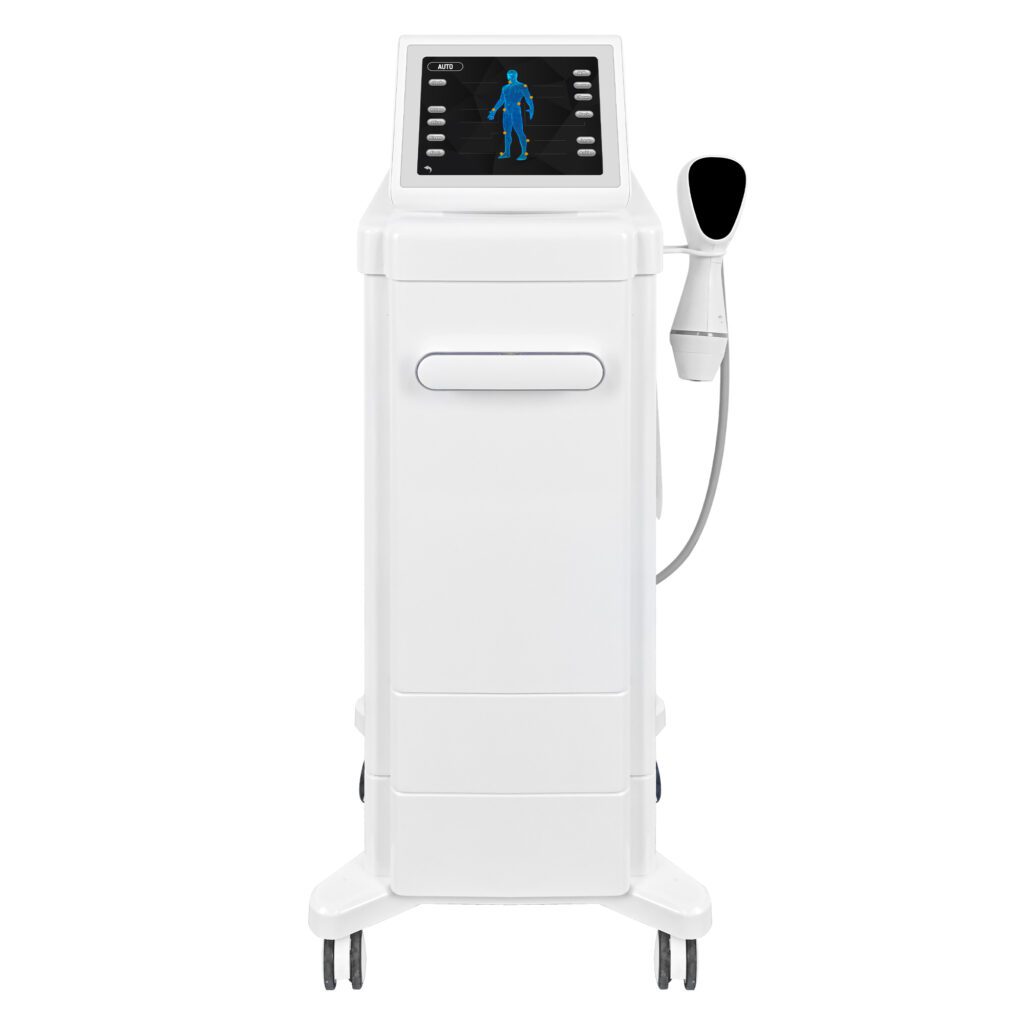
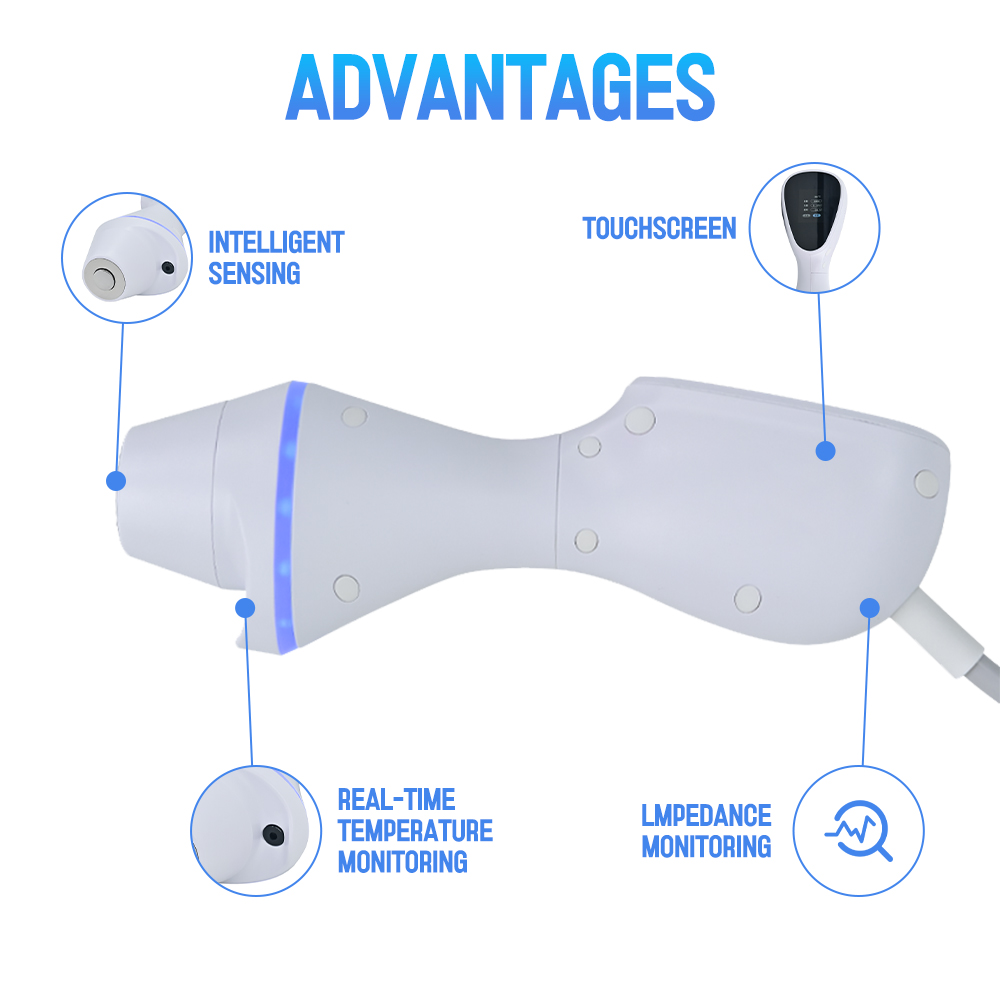
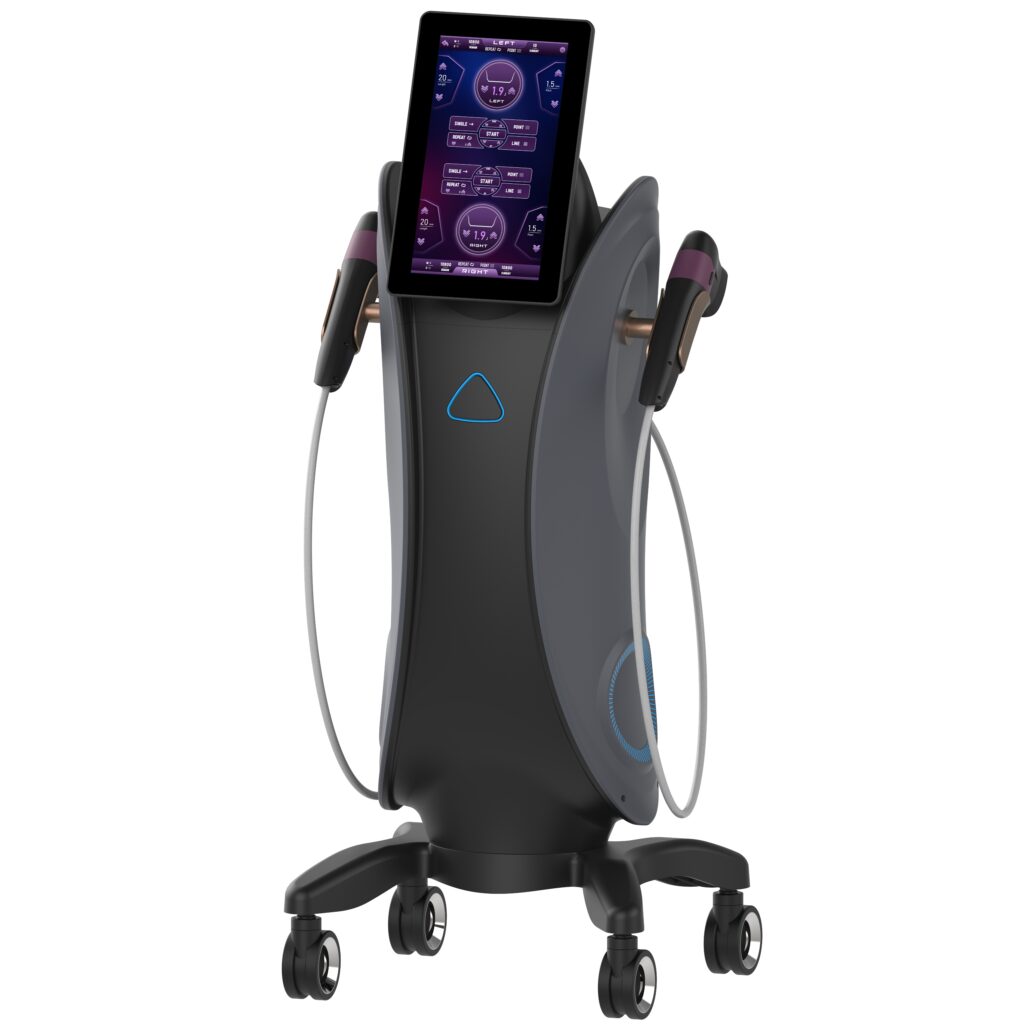
Clinics often rely on advanced focused shockwave systems such as the SW12 ESWT Pain Relieve Focus Shockwave Treatment Tecar Shock Wave Laser Therapy to deliver precise energy penetration up to 8 cm, making it suitable for both superficial and deep tendon conditions.
https://shefmon.com/product/sw12-eswt-pain-relieve-focus-shockwave-treatment-tecar-shock-wave-laser-therapy/

1.2 Myofascial Pain Syndrome

Myofascial pain syndrome is characterized by trigger points, muscle stiffness, and chronic discomfort. Shockwave therapy helps relax tight muscle fibers, reduce nerve sensitivity, and improve blood circulation. When combined with physiotherapy techniques, it significantly shortens recovery time and restores normal muscle function.

2. Sports Injuries and Rehabilitation

2.1 Acute and Chronic Sports Injuries

Shockwave & Physiotherapy Therapy is widely used in sports medicine to treat ligament strains, muscle tears, and overuse injuries. Athletes often require fast recovery without surgery, making shockwave-based treatments an ideal solution.

The ballistic shockwave principle creates controlled microtrauma that activates the body’s natural healing response. This process accelerates tissue repair, reduces inflammation, and helps athletes return to training sooner with reduced risk of re-injury.

2.2 Post-Injury Functional Recovery

Physiotherapy plays a critical role after the initial pain relief phase. Combining shockwave therapy with guided physiotherapy exercises restores joint mobility, muscle strength, and neuromuscular coordination, ensuring long-term recovery rather than short-term symptom relief.

3. Joint and Periarticular Disorders

3.1 Shoulder, Knee, and Hip Pain

Degenerative joint conditions such as frozen shoulder, knee pain related to overuse, and hip soft tissue inflammation respond well to Shockwave & Physiotherapy Therapy. Shockwaves reduce pain by modulating nerve transmission and improving local circulation around the joint capsule and surrounding tissues.

The controlled heat generation during treatment, reaching approximately 43°C at targeted depths, enhances tissue elasticity and reduces stiffness, making subsequent physiotherapy more effective.

3.2 Calcific Conditions

Calcific shoulder tendinitis and similar disorders are particularly suitable for shockwave treatment. The mechanical impact helps break down calcium deposits, allowing the body to reabsorb them naturally and restore joint function.

shockwave transformers - shefmon

sw12 충격파 치료기

4. Rehabilitation After Surgery or Trauma

4.1 Post-Surgical Pain and Swelling

After orthopedic surgery, patients often experience pain, edema, and limited mobility. Shockwave & Physiotherapy Therapy supports rehabilitation by improving lymphatic drainage, reducing swelling, and stimulating tissue regeneration.

4.2 Enhanced Cellular Recovery with Magnetotherapy

Modern physiotherapy clinics frequently integrate magnetotherapy into rehabilitation programs. High-intensity pulsed magnetic fields help reenergize damaged cells, increase cellular metabolism, and significantly improve blood circulation and oxygen absorption.

Advanced systems such as the Physio Magneto Therapy Machine with up to 4T field strength provide deep tissue stimulation, making them suitable for post-surgical recovery, chronic pain management, and sports rehabilitation.
https://shefmon.com/product/a0275e-3-in-1-combination-machine-pmst-wave-magnetotherapy/

5. Chronic Pain Syndromes and Neurological Conditions

5.1 Lower Back Pain and Sciatica

Lower back pain remains one of the most common reasons patients seek physiotherapy. Shockwave therapy reduces muscle tension and improves circulation in deep lumbar tissues, while physiotherapy restores posture and core stability.

When combined with magnetic therapy, nerve sensitivity can be reduced, inflammation controlled, and long-term pain management achieved without reliance on medication.

5.2 Nerve-Related Pain Relief

While shockwave therapy primarily targets musculoskeletal tissues, its secondary effect on nerve modulation makes it beneficial for chronic pain syndromes where nerve irritation is present.

6. Weight Loss and Metabolic Support Applications

Although primarily known for pain relief, Shockwave & Physiotherapy Therapy also supports weight management and metabolic health. Shockwaves stimulate local circulation and lymphatic drainage, helping reduce localized fat deposits and improve tissue metabolism.

Some shockwave systems are designed to support body contouring by improving blood flow and breaking down fibrotic tissue, making them a valuable addition to wellness-focused physiotherapy clinics.

결론

Shockwave & Physiotherapy Therapy stands out because it is non-invasive, clinically versatile, and suitable for a wide range of patients. It reduces recovery time, minimizes side effects, and can be combined with other modalities such as Tecar therapy, laser therapy, and magnetotherapy for comprehensive treatment plans.

For clinics, these technologies offer high patient satisfaction, broad treatment indications, and strong clinical outcomes, making them a strategic investment in modern rehabilitation and pain management services.

인기상품