최적화된 솔루션, 전문적인 밸브 지식 및 업계 뉴스를 공유하세요

원하시는 관련 용어나 키워드를 입력하시면 검색 결과에 관련 기사가 표시됩니다. 원하시는 답변을 찾지 못하시면 언제든지 문의해 주세요. 기꺼이 도와드리겠습니다. 또는 beauty@shefmon.com으로 직접 이메일을 보내주셔도 됩니다.

충격파 물리치료는 고통스러운가요? 처음 받는 환자를 위한 안내서

For many first-time patients, the biggest concern before starting 충격파 물리치료 is whether the treatment will be painful. This is a reasonable question. Shockwave physiotherapy works directly on injured or sensitive tissue, so some level of discomfort is possible. However, pain levels are usually manageable, short-lived, and closely linked to how the therapy promotes healing. Understanding what happens during treatment can help patients feel more prepared and confident.

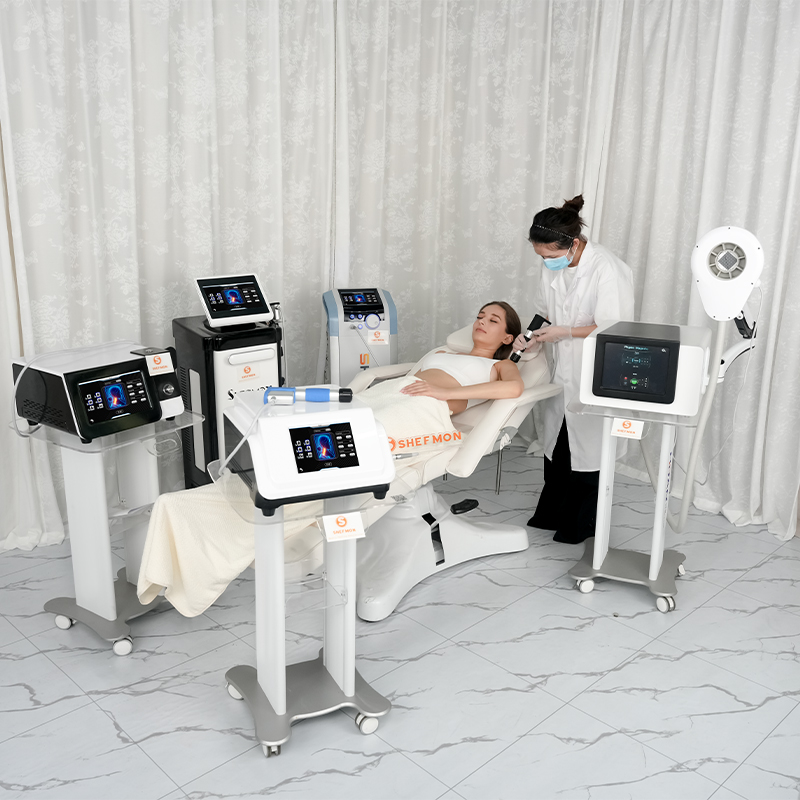
Shockwave physiotherapy-shefmon

1. What Is Shockwave Physiotherapy?

Shockwave physiotherapy, also known as extracorporeal shockwave therapy (ESWT), is a non-invasive treatment used to manage chronic musculoskeletal pain. It is commonly applied to conditions such as plantar fasciitis, tennis elbow, Achilles tendinopathy, shoulder pain, and sports-related injuries. Instead of medication or surgery, shockwave physiotherapy uses high-energy acoustic waves to stimulate the body’s natural repair mechanisms.

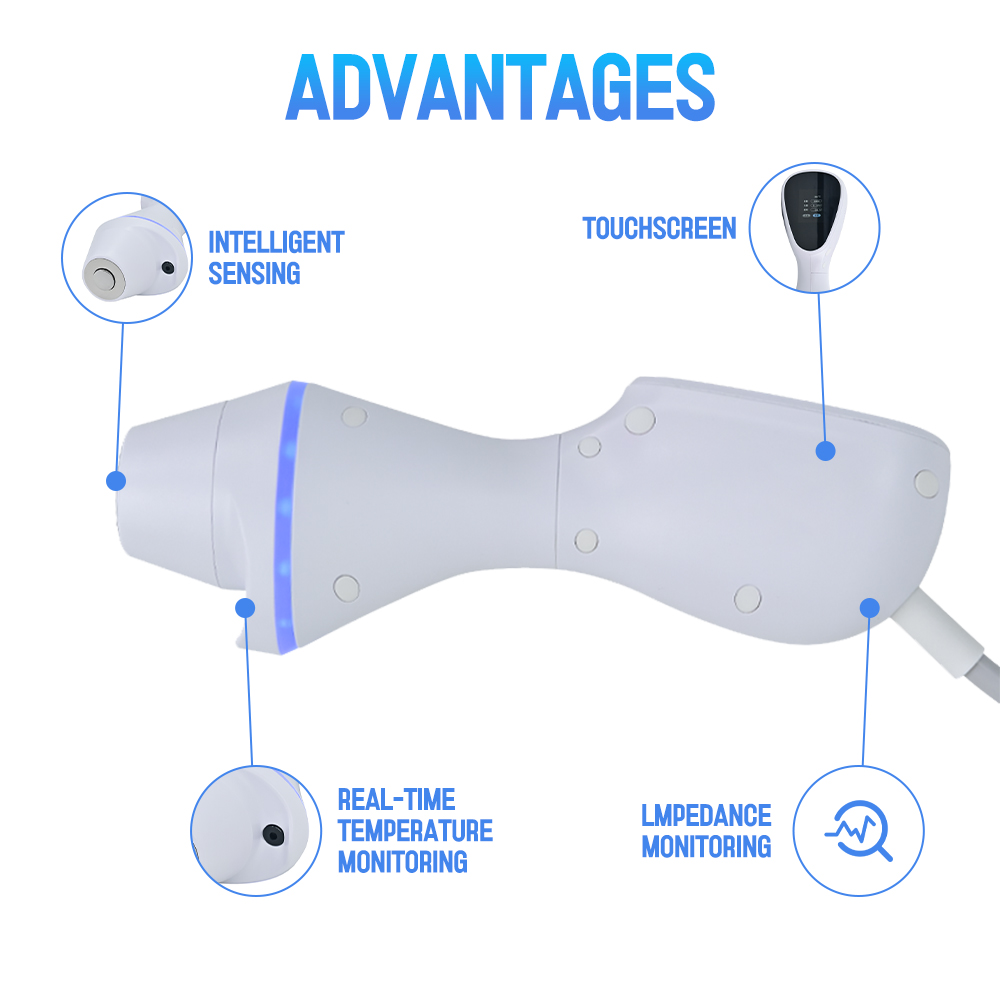
The technology works on a ballistic principle. Compressed air accelerates a projectile inside the handpiece, creating a pressure wave. This wave travels through an applicator that must remain in direct contact with the skin, allowing energy to pass into the underlying tissue where pain originates.

https://shefmon.com/product/sw12-eswt-pain-relieve-focus-shockwave-treatment-tecar-shock-wave-laser-therapy/

2. Why Can Shockwave Physiotherapy Cause Discomfort?

Shockwave physiotherapy is designed to reach deep tissue rather than just the surface. Depending on the settings used, shockwaves can penetrate up to 8 cm beneath the skin, affecting muscles, tendons, ligaments, and periosteal tissue. These areas are often inflamed or damaged, making them more sensitive to stimulation.

The shockwaves help break down calcium deposits, improve blood circulation, and stimulate cellular activity. When nerves in the affected area respond to this stimulation, patients may feel discomfort. This sensation is usually more noticeable in chronic conditions where tissue sensitivity has built up over time.

3. How Painful Is Shockwave Physiotherapy for Most Patients?

Most patients describe shockwave physiotherapy as uncomfortable rather than intensely painful. Pain perception varies widely and depends on several factors, including the treatment area, the severity of the condition, individual pain tolerance, and the energy level selected by the therapist.

Professional shockwave systems allow precise control over frequency and intensity, typically ranging from 1 to 21 Hz. Therapists can gradually increase energy levels as patients become more accustomed to the sensation, ensuring treatment remains effective without becoming overwhelming.

4. What Does Shockwave Physiotherapy Feel Like During Treatment?

During a session, patients often feel rhythmic tapping, pressure, or sharp pulses in the treated area. The sensation may feel strange at first, especially for those new to the therapy. In some cases, localized warmth may occur as circulation increases and tissue temperature rises, sometimes reaching around 43°C.

Sessions are relatively short, usually lasting between 5 and 15 minutes. Many patients report that discomfort lessens as the session continues or across subsequent treatments as tissue sensitivity decreases.

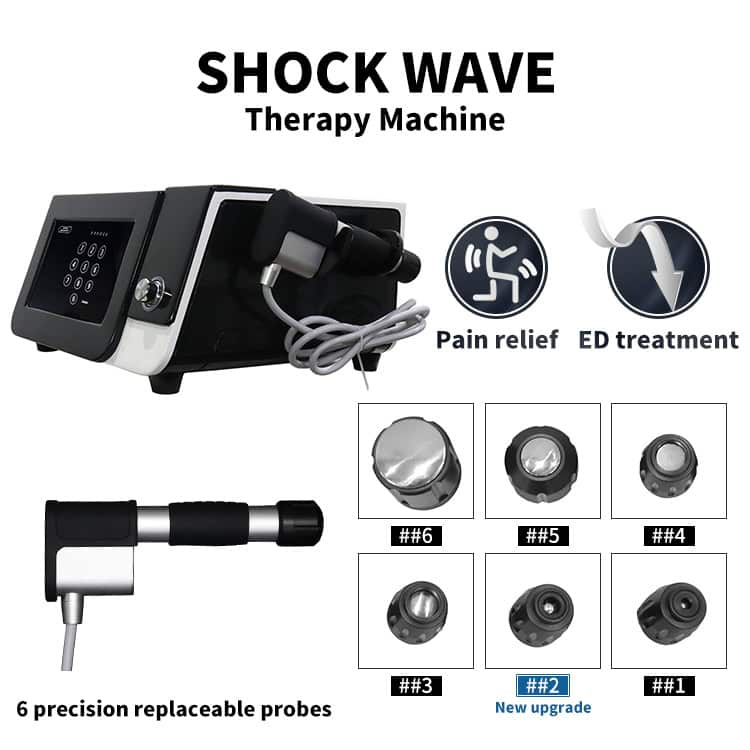
shockwave therapy machine help hip bursitis , toe joint pain relief and erectile dysfuction-shefmon

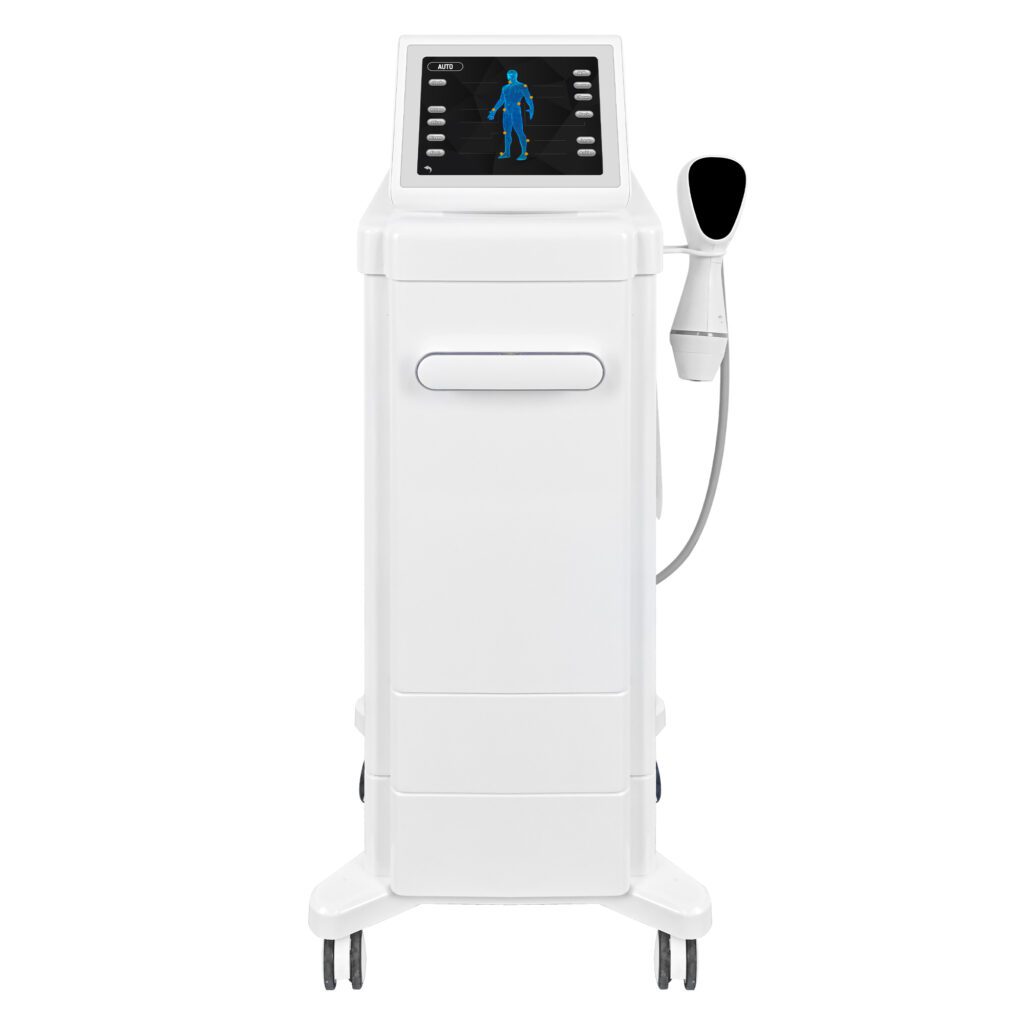
sw12 충격파 치료기

5. Does Pain Mean the Treatment Is Working?

Experiencing discomfort does not automatically mean that shockwave physiotherapy is working, but mild to moderate sensation is a normal part of the process. Shockwave therapy operates across different energy levels. Higher energy can create controlled micro-damage that triggers tissue regeneration, while lower energy levels help reduce pain and inflammation.

The therapeutic goal is to stimulate healing, not to cause unnecessary pain. A skilled practitioner will always adjust the treatment parameters if discomfort becomes excessive.

6. What Happens After Shockwave Physiotherapy?

After treatment, it is common to experience mild soreness, redness, or tenderness in the treated area. These effects are temporary and usually resolve within 24 to 48 hours. Unlike invasive procedures, shockwave physiotherapy does not require downtime, although patients may be advised to avoid intense physical activity for a short period.

Many patients begin to notice improvements in pain and mobility after several sessions, especially when therapy is combined with stretching, strengthening, or rehabilitation exercises.

7. Can Shockwave Physiotherapy Be Combined with Other Treatments?

Shockwave physiotherapy is often used alongside other non-invasive therapies to enhance recovery. One common complementary approach is magneto therapy, which applies pulsed magnetic fields to reduce pain, improve circulation, and stimulate tissue regeneration. Combining these therapies can support healing at both the cellular and structural levels, particularly in rehabilitation and sports injury settings.

https://shefmon.com/product/a0275e-3-in-1-combination-machine-pmst-wave-magnetotherapy/

결론

So, is shockwave physiotherapy painful? For most first-time patients, the answer is that it can be uncomfortable, but it is usually tolerable and short-lived. The sensation is closely linked to the therapy’s ability to reach deep tissue and stimulate healing. When delivered with professional equipment and appropriate settings, shockwave physiotherapy offers a safe, non-invasive option for pain relief and recovery. Understanding the process helps patients approach treatment with realistic expectations and greater confidence.

인기상품