
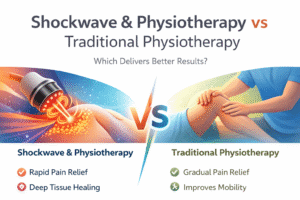
Shockwave & Physiotherapy has become an increasingly popular solution for pain management, rehabilitation, and functional recovery. By combining advanced shockwave technology with modern physiotherapy methods such as electromagnetic and magneto therapy, clinics can treat a wide range of musculoskeletal conditions more efficiently. However, not everyone is an ideal candidate. Understanding who benefits the most from Shockwave & Physiotherapy helps clinics and patients achieve safer, faster, and more predictable results.
1. Understanding Shockwave & Physiotherapy
1.1 What Is Shockwave Therapy?
Shockwave therapy uses high-energy acoustic waves generated through a ballistic principle. These pressure waves penetrate deep into tissues—up to 8 cm—stimulating blood circulation, breaking down calcifications, and activating the body’s natural healing response. The result is reduced pain and improved mobility, especially for chronic conditions.
A professional example of this technology is the SW12 ESWT 痛みの緩和 フォーカス衝撃波治療 テカール衝撃波レーザー療法, designed for targeted pain relief and vascular stimulation.
https://shefmon.com/product/sw12-eswt-pain-relieve-focus-shockwave-treatment-tecar-shock-wave-laser-therapy/
1.2 How Physiotherapy Enhances Shockwave Results
Physiotherapy complements shockwave therapy by improving tissue regeneration, muscle function, and metabolic balance. Electromagnetic and magneto therapy devices deliver pulsed magnetic fields that re-energize damaged cells, enhance oxygen absorption, and accelerate rehabilitation.
An example is the A0271E PMST NEO 電磁疼痛緩和治療, which supports pain reduction and recovery through high-intensity magnetic fields.
https://shefmon.com/product/a0271e-pmst-neo-electromagnetic-pain-relief-treatment/
2. Best Candidates Based on Medical Conditions
2.1 Patients with Chronic Musculoskeletal Pain
Individuals suffering from long-term pain conditions are among the best candidates for Shockwave & Physiotherapy. These include:
-
足底筋膜炎
-
Tennis elbow and golfer’s elbow
-
Shoulder calcific tendinitis
-
Chronic neck and lower back pain
Shockwaves help dissolve calcium deposits and improve vascularization, while physiotherapy restores tissue health and joint function.
2.2 Sports Injury Patients
Athletes and physically active individuals often experience tendon injuries, muscle strains, and ligament issues. Shockwave & Physiotherapy is highly effective for:
-
Achilles tendinopathy
-
Patellar tendon injuries
-
Muscle trigger points
-
使いすぎによる怪我
The combination accelerates recovery, reduces downtime, and minimizes reliance on medication or invasive procedures.
2.3 Patients with Limited Range of Motion
Patients experiencing stiffness or restricted movement due to injury or degeneration benefit significantly. Electromagnetic physiotherapy improves circulation and cellular metabolism, while shockwaves loosen tight tissues and reduce pain, allowing smoother movement.
3. Ideal Candidates Based on Treatment Goals
3.1 Patients Seeking Non-Invasive Pain Relief
Shockwave & Physiotherapy is ideal for patients who want to avoid surgery or injections. Treatments are non-invasive, require no anesthesia, and involve minimal downtime. This makes them suitable for working professionals and older patients seeking safe pain management.
3.2 Individuals Needing Faster Rehabilitation
Patients recovering from injuries or surgeries who want faster functional improvement are excellent candidates. Shockwave therapy stimulates healing at the source of pain, while physiotherapy enhances tissue regeneration and lymphatic drainage, shortening recovery time.
3.3 Patients with Poor Response to Traditional Physiotherapy
Some individuals do not achieve satisfactory results from manual therapy or exercise alone. For these patients, adding shockwave and electromagnetic physiotherapy can significantly improve outcomes by addressing deeper tissue layers and chronic inflammation.

SW12衝撃波治療器
4. Age and Lifestyle Considerations
4.1 Middle-Aged and Elderly Patients
Aging often leads to reduced circulation, slower tissue repair, and chronic pain. Shockwave & Physiotherapy is particularly beneficial for middle-aged and elderly patients because it:
-
Improves blood flow
-
Enhances tissue regeneration
-
Reduces reliance on pain medication
The non-invasive nature ensures safety when performed by trained professionals.
4.2 Active and Physically Demanding Lifestyles
People with physically demanding jobs or active lifestyles—such as athletes, construction workers, or fitness enthusiasts—are ideal candidates. These treatments help manage repetitive strain injuries and maintain long-term musculoskeletal health.
5. Who Should Use Caution or Avoid Treatment
5.1 Patients Requiring Medical Evaluation First
While Shockwave & Physiotherapy is generally safe, certain individuals should undergo medical assessment before treatment:
-
妊娠中の患者
-
Individuals with pacemakers or implanted electronic devices
-
Patients with blood clotting disorders
-
Active infections or tumors in the treatment area
Professional screening ensures safety and optimal results.
5.2 Acute Trauma Cases
Shockwave therapy is not typically recommended immediately after acute fractures or severe trauma. These patients may require initial stabilization before considering advanced physiotherapy solutions.
6. Why Clinics Recommend Shockwave & Physiotherapy
Clinics increasingly recommend this combination because it offers:
-
Faster pain relief for chronic conditions
-
Enhanced rehabilitation outcomes
-
Reduced dependency on medication
-
Broad applicability across pain, sports injuries, and rehabilitation
By integrating advanced shockwave systems with electromagnetic physiotherapy devices, clinics can deliver comprehensive, evidence-based care to a wider patient population.
結論
The best candidates for Shockwave & Physiotherapy are patients with chronic pain, sports injuries, mobility limitations, or slow recovery from traditional treatments. Middle-aged individuals, athletes, and those seeking non-invasive solutions benefit the most. With proper assessment and professional operation, this combined therapy offers a powerful, safe, and effective approach to pain relief and rehabilitation, making it a valuable choice for modern physiotherapy clinics and wellness centers.