













衝撃波療法 has become a widely used non-invasive treatment for chronic pain, musculoskeletal conditions, and sports injuries. While it offers clear benefits for many patients, it is not a perfect solution. Like any medical or physiotherapy intervention, shockwave therapy comes with potential negatives that patients and practitioners should understand before choosing it. This article provides a balanced, educational overview of the side effects, risks, and limitations of shockwave therapy to support informed decision-making.
1. Understanding Shockwave Therapy and Its Purpose
Shockwave therapy, often referred to as extracorporeal shockwave therapy (ESWT), uses high-energy acoustic waves to stimulate healing in damaged tissue. It is commonly applied to conditions such as plantar fasciitis, tendonitis, shoulder pain, and calcified soft tissue injuries. The shockwaves are directed at the source of pain to improve blood circulation, break down calcium deposits, and activate the body’s natural repair processes.
While this mechanism can be effective, it also explains why shockwave therapy may produce discomfort or side effects, particularly when applied to sensitive or chronically inflamed areas.
2. Pain and Discomfort During Treatment
One of the most commonly reported negatives of shockwave therapy is pain during treatment. Because shockwaves are designed to penetrate deep into tissue, patients often experience sensations such as tapping, pressure, or sharp pulses. These sensations can be uncomfortable, especially during early sessions or when treating areas with high nerve sensitivity or long-standing injury.
Pain levels vary depending on the energy intensity, treatment location, and individual pain tolerance. Although therapists can adjust settings, some degree of discomfort is often unavoidable, which may discourage pain-sensitive patients.
3. Temporary Side Effects After Shockwave Therapy
After a shockwave therapy session, temporary side effects are relatively common. These may include redness, swelling, bruising, tenderness, or mild inflammation in the treated area. In most cases, these effects resolve within 24 to 72 hours and do not require medical intervention.
However, for patients with busy schedules or physically demanding jobs, even short-term soreness or reduced function can be inconvenient. It is also important for patients to follow post-treatment advice, such as avoiding high-impact activity, to minimize adverse reactions.
4. Risk of Tissue Irritation and Overstimulation
Shockwave therapy works by delivering controlled mechanical stress to tissues. If the energy level is too high or treatments are too frequent, there is a risk of tissue irritation or overstimulation. This may delay healing rather than promote it, especially in patients with compromised tissue quality or poor circulation.
This risk highlights the importance of professional operation and individualized treatment planning. Shockwave therapy is not a “one-size-fits-all” solution, and improper use can reduce its effectiveness.
5. Limitations in Treatable Conditions
Another key limitation of shockwave therapy is that it is not suitable for all conditions. It is most effective for chronic musculoskeletal pain involving tendons, fascia, or calcifications. Acute injuries, nerve-related pain, infections, tumors, or systemic inflammatory diseases may not respond well to shockwave treatment.
Additionally, shockwave therapy does not repair structural damage such as severe tendon tears or advanced joint degeneration. In such cases, it may only provide temporary symptom relief rather than addressing the underlying problem.
6. Contraindications and Patient Restrictions
Shockwave therapy is not recommended for everyone. Contraindications include pregnancy, bleeding disorders, active infections, tumors in the treatment area, and the presence of pacemakers or certain implants. Patients with low pain tolerance or anxiety around discomfort may also find the treatment challenging.
These restrictions mean that shockwave therapy must be carefully screened and cannot be universally applied across all patient populations.

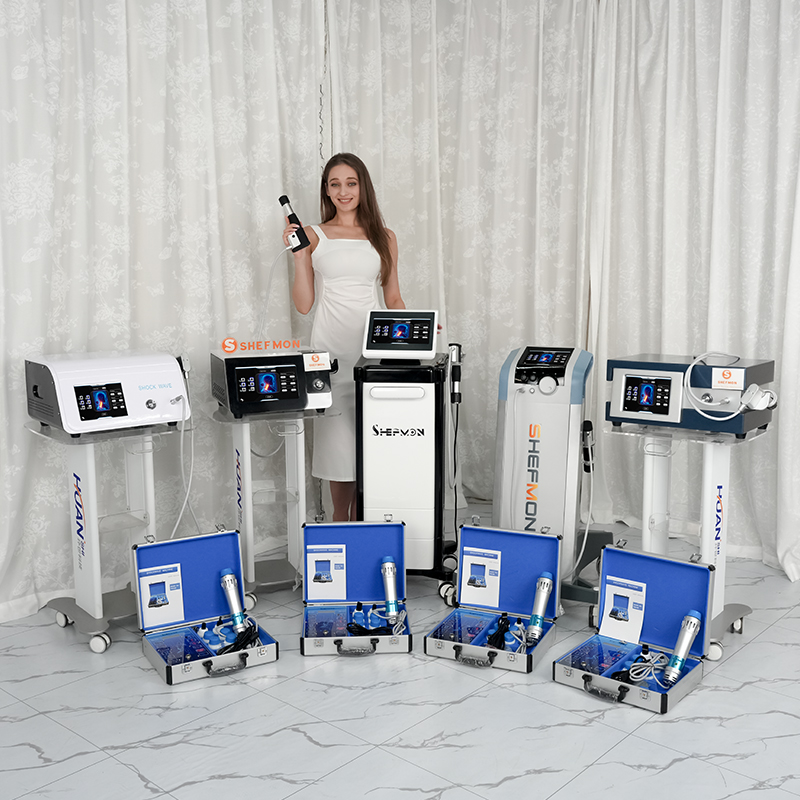
SW12衝撃波治療器
7. Cost and Treatment Commitment
Although shockwave therapy is non-invasive, it can be costly, particularly because multiple sessions are often required. Results are usually gradual, developing over several weeks rather than immediately. For patients expecting quick or guaranteed outcomes, this can lead to dissatisfaction.
The need for repeat sessions and follow-up assessments adds to both the financial and time investment, which may limit accessibility for some individuals.
8. The Need for Complementary Therapies
Because of its limitations, shockwave therapy is often combined with other treatment modalities rather than used alone. Complementary therapies such as exercise rehabilitation, manual therapy, or magneto therapy may help enhance overall outcomes and address aspects that shockwave therapy cannot fully resolve.
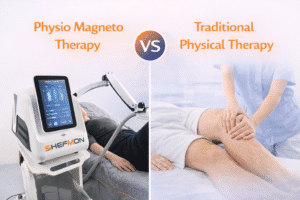
Magneto therapy, for example, uses pulsed magnetic fields to reduce pain, improve circulation, stimulate tissue regeneration, and support metabolic balance at the cellular level. This approach can help manage inflammation and recovery alongside shockwave treatment, especially in rehabilitation and sports injury settings.
https://shefmon.com/product/a0275e-3-in-1-combination-machine-pmst-wave-magnetotherapy/
9. Comparing Technology Options and Expectations
Different physiotherapy devices and technologies vary in how they deliver therapeutic effects. While shockwave therapy focuses on mechanical stimulation, magneto therapy systems such as advanced PMST devices emphasize cellular reactivation, circulation improvement, and pain reduction without direct mechanical impact.
Understanding these differences helps clinicians and patients select appropriate tools based on condition severity, pain tolerance, and recovery goals.
https://shefmon.com/product/a0247e-pmst-neo-physio-magneto-therapy-machine-for-pain-relief/
結論
Shockwave therapy offers clear benefits for certain chronic pain conditions, but it also has notable negatives. Pain during treatment, temporary side effects, limited indications, contraindications, and the need for multiple sessions all represent real considerations. It is not a universal solution and should not be viewed as a standalone cure.
For best results, shockwave therapy should be used selectively, administered by trained professionals, and integrated into a broader treatment plan when appropriate. Understanding its side effects, risks, and limitations allows patients to approach shockwave therapy with realistic expectations and make informed choices about their care.