Non-invasive skin tightening treatments have become increasingly popular as people look for effective alternatives to surgical facelifts. Among the most widely discussed technologies are High-Intensity Focused Ultrasound (HIFU) and Ultherapy. Both treatments use ultrasound energy to stimulate collagen production and lift sagging skin, but they differ significantly in technology, precision, results, and safety. Understanding these differences is essential for choosing the right treatment. In this article, we explore HIFUとウルセラピー:技術、効果、安全性における主な違い to help you make an informed decision.
1. What Is HIFU Treatment?
High-Intensity Focused Ultrasound (HIFU) is a non-invasive cosmetic procedure that uses focused ultrasound energy to heat targeted layers of the skin. This thermal effect stimulates collagen production and tightens tissue over time.
1.1 How HIFU Works
HIFU delivers concentrated ultrasound waves into the skin at specific depths, typically between 1.5 mm and 4.5 mm. These energy points create controlled thermal coagulation zones that trigger the body’s natural healing response and collagen regeneration .
Because HIFU does not damage the skin surface, it allows for gradual lifting and tightening without downtime. However, most traditional HIFU systems operate without real-time imaging, meaning practitioners cannot directly visualize the treatment layers during the procedure .
1.2 Modern HIFU Devices
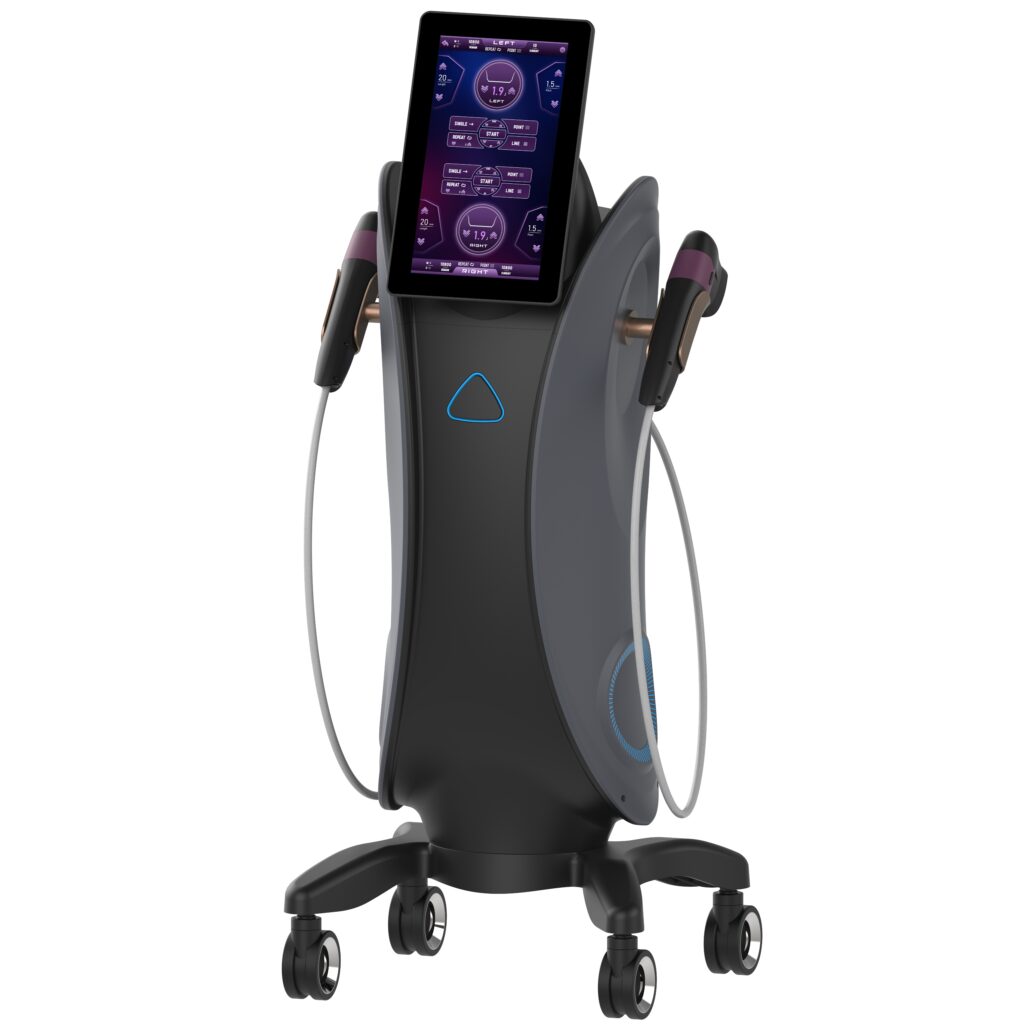
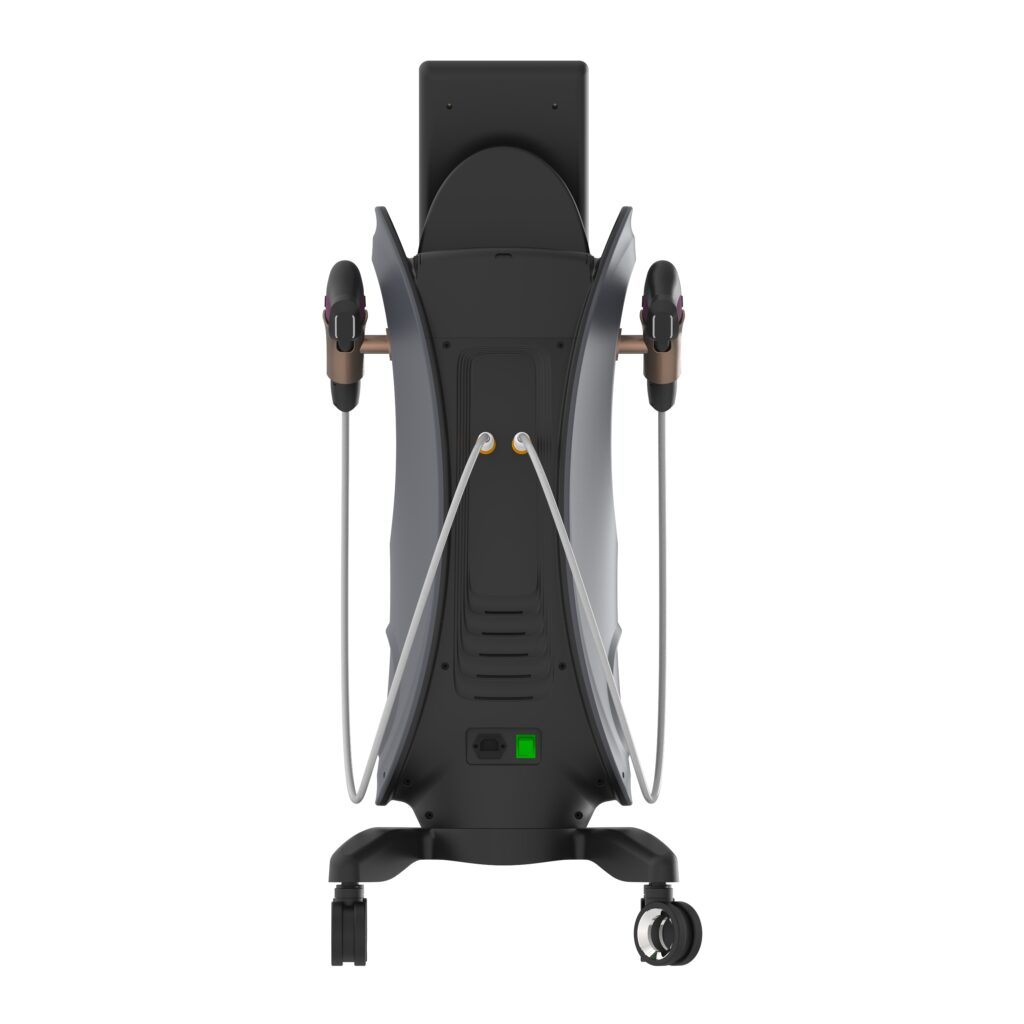
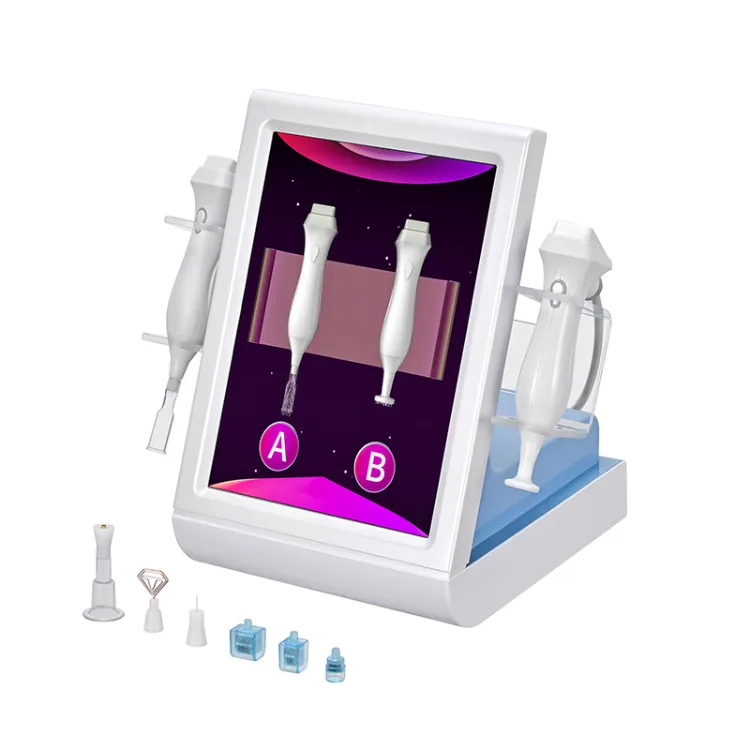
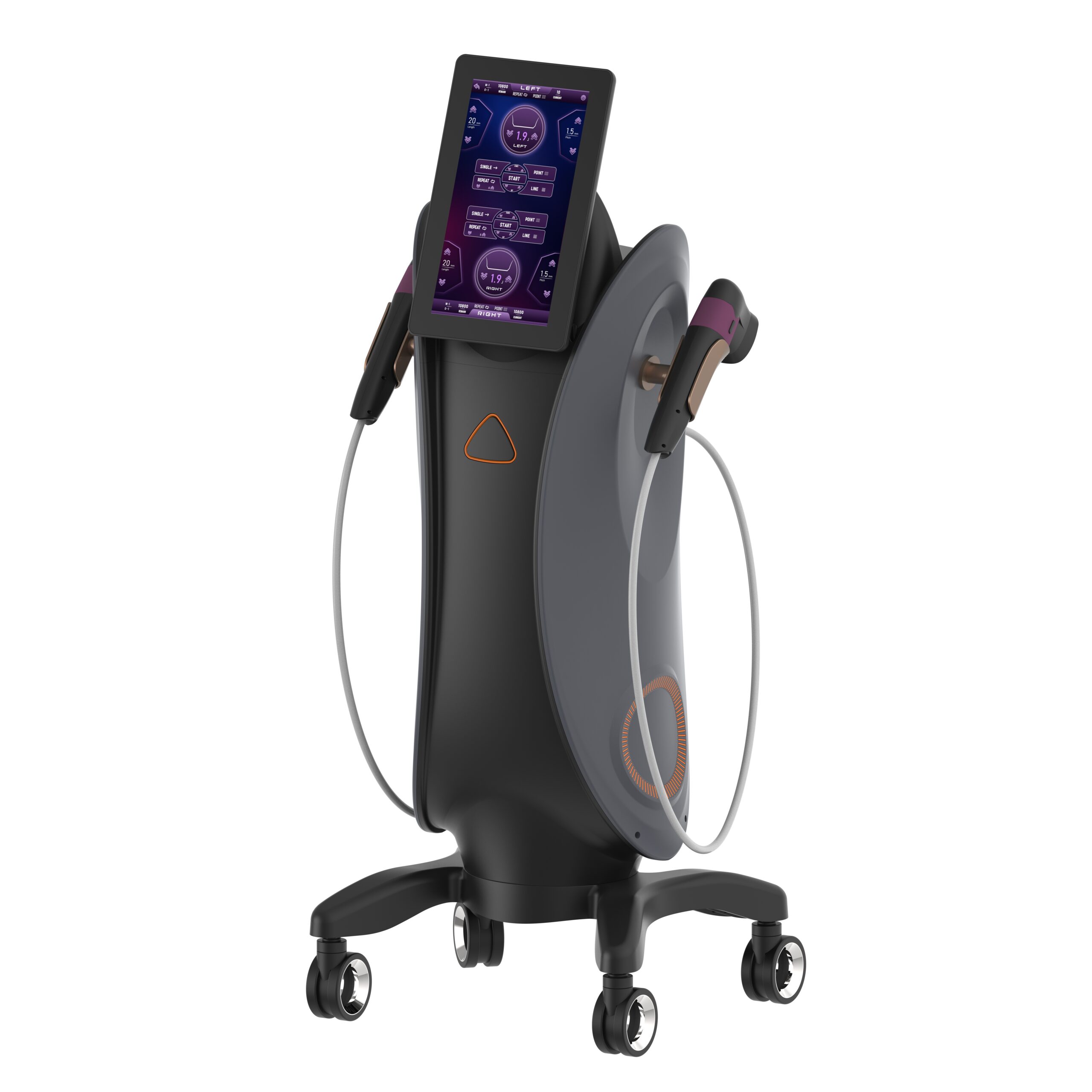
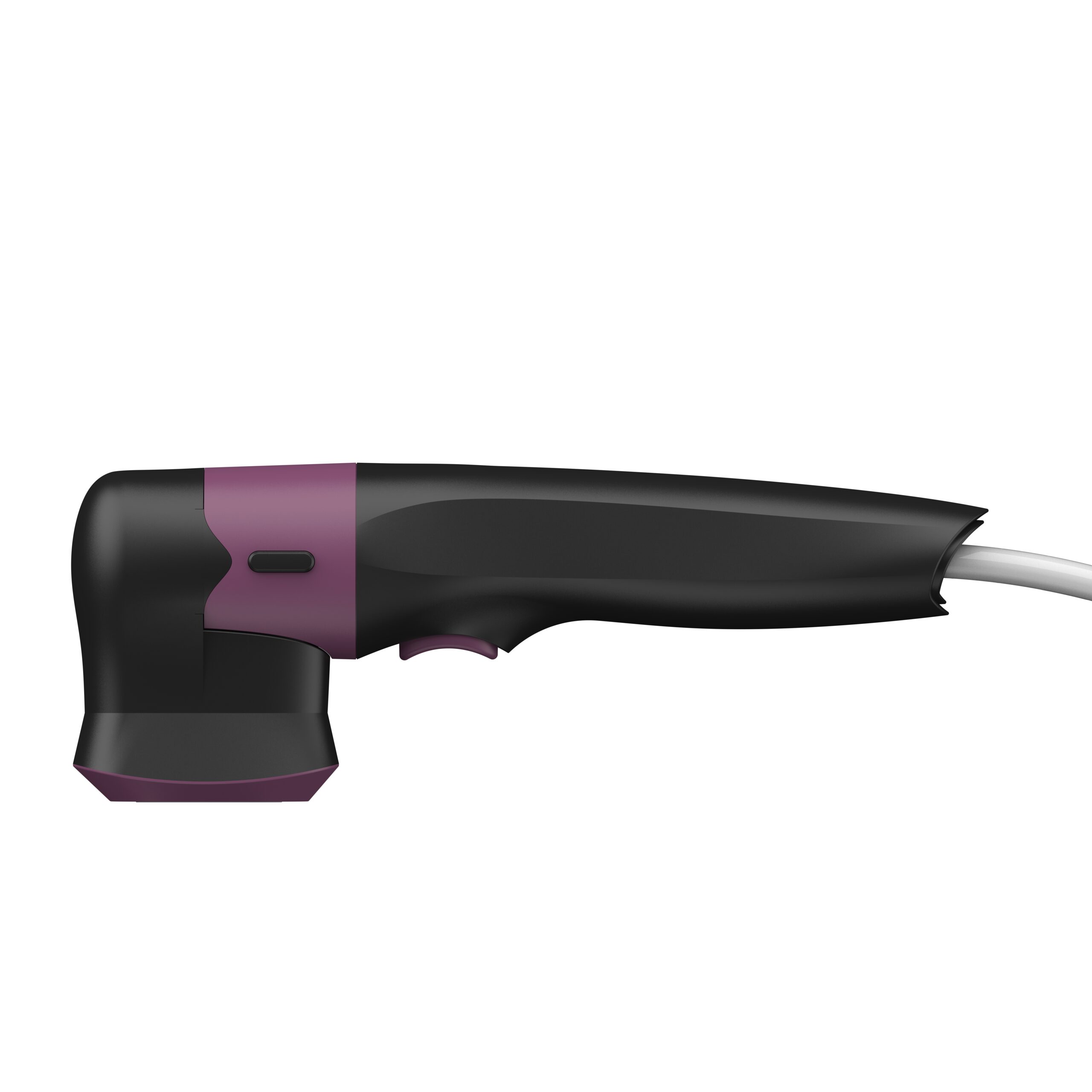
高度なシステムとしては、 A0203 Vertical 7D Dual Handle HIFU Machine improve treatment efficiency by offering multiple cartridges and adjustable depths. These features allow practitioners to target different skin layers more flexibly, making HIFU suitable for both facial lifting and body contouring.
2. ウルセラとは?
Ultherapy is a branded, FDA-cleared treatment that also uses ultrasound energy but incorporates micro-focused ultrasound with real-time imaging.
2.1 How Ultherapy Works
Ultherapy delivers ultrasound energy to precise depths beneath the skin, including the superficial muscular aponeurotic system (SMAS)—the same layer targeted in surgical facelifts. What makes Ultherapy unique is its imaging capability, which allows practitioners to see the skin layers during treatment .
This visualization ensures that energy is delivered exactly where needed, improving both safety and effectiveness.
2.2 Key Features of Ultherapy
Real-time ultrasound imaging for precision
FDA clearance for specific lifting applications
Targeted treatment of deeper structural layers
Consistent and predictable outcomes
Because of these features, Ultherapy is often considered the “gold standard” in non-invasive skin lifting.
3. Technology Differences Between HIFU and Ultherapy
比較すると HIFU vs Ultherapy, the biggest difference lies in their technology.
3.1 Imaging vs Non-Imaging Systems
HIFU: Typically operates without imaging, often referred to as a “blind” treatment
Ultherapy: Uses real-time ultrasound imaging for precise targeting
Without imaging, HIFU treatments rely heavily on the practitioner’s experience, which can lead to variability in results. In contrast, Ultherapy allows direct visualization of tissue layers, improving accuracy .
3.2 Energy Delivery and Precision
Ultherapy delivers micro-focused ultrasound energy with controlled depth and placement, while HIFU systems may vary depending on the device and settings. This difference affects treatment consistency and predictability .
3.3 Device Standardization
Ultherapy is a single branded system with strict standards, whereas HIFU includes a wide range of devices with varying quality levels. This variation can influence both results and safety.
4. Differences in Results and Effectiveness
Both HIFU and Ultherapy aim to stimulate collagen production, but their results can differ in consistency and longevity.
4.1 Timeline of Results
Both treatments produce gradual improvements as collagen rebuilds. Visible lifting effects typically appear within 2 to 3 months and continue to improve over time .
4.2 Treatment Sessions
HIFU: Often requires multiple sessions to achieve optimal results
Ultherapy: Frequently performed as a single treatment with maintenance sessions
This makes Ultherapy more convenient for some patients.
4.3 Longevity of Results
Results from both treatments can last between 12 to 18 months, depending on individual skin conditions. However, Ultherapy tends to deliver more consistent and longer-lasting outcomes due to its precise energy delivery .
4.4 Treatment Areas
HIFU is commonly used for both facial and body treatments, while Ultherapy is primarily focused on the face, neck, and chest .
5. Safety Comparison
Safety is one of the most important factors when choosing between HIFU and Ultherapy.
5.1 Precision and Risk Control
Ultherapy’s real-time imaging significantly reduces the risk of damaging unintended tissues such as nerves, blood vessels, or fat layers .
In contrast, HIFU treatments without imaging may carry a higher risk of:
Uneven energy delivery
Over-treatment or under-treatment
Accidental damage to surrounding tissues
5.2 Side Effects
Both treatments have minimal downtime and similar side effects, including:
軽度の赤み
一時的な腫れ
Slight tenderness
These effects usually resolve within a few hours to a few days .
5.3 Operator Dependency
HIFU results depend heavily on the operator’s skill and the quality of the device. Ultherapy, with its standardized system and imaging guidance, offers a more controlled and predictable treatment experience.
6. Cost and Accessibility
Cost is another key factor in the HIFU vs Ultherapy comparison.
6.1 Treatment Cost
HIFU: Generally more affordable
Ultherapy: Higher cost due to advanced technology and FDA clearance
6.2 Availability
HIFU devices are widely available in clinics and aesthetic centers, while Ultherapy is typically offered in specialized clinics with certified practitioners.
7. Which Treatment Should You Choose?
The choice between HIFU and Ultherapy depends on individual needs, budget, and treatment goals.
7.1 Choose HIFU If You:
Want a more affordable option
Need treatment for larger body areas
Are comfortable with multiple sessions
7.2 Choose Ultherapy If You:
Prioritize precision and safety
Want more consistent and predictable results
Prefer fewer treatment sessions
結論
HIFU and Ultherapy are both effective non-invasive treatments for skin tightening and lifting, each with its own advantages. HIFU offers flexibility, affordability, and broader applications, especially with modern multi-depth devices that can treat both face and body areas. On the other hand, Ultherapy stands out for its precision and consistency, supported by real-time imaging that allows more accurate energy delivery and enhanced safety. For those prioritizing advanced precision and predictable outcomes, Ultherapy may be the preferred option, while HIFU remains a strong and cost-effective alternative for many aesthetic needs.