








最適化されたソリューション、専門的なバルブの知識、業界ニュースを共有する
ご希望の用語やキーワードを入力すると、検索結果に関連記事が表示されます。お探しの回答が見つからない場合は、お気軽にお問い合わせください。喜んでお手伝いいたします。または、beauty@shefmon.comまで直接メールでお問い合わせください。
キャビテーション マシン 80K vs 40K: 周波数は脂肪減少の結果にどのような影響を与えるか?
- シェフモン
Cavitation machines have become a cornerstone of non-invasive body contouring treatments, offering users an effective alternative to surgical approaches for reducing localized fat deposits. Although the basic principle of cavitation remains consistent — using ultrasonic waves to disrupt fat cell membranes — the frequency of these waves can greatly influence treatment depth, effectiveness, and comfort. Two commonly discussed frequencies in the industry are 80KHz (80K) そして 40KHz (40K) devices. Understanding how these frequencies affect fat reduction results can help practitioners select the right equipment and set client expectations more accurately.
1. The Basics of Ultrasonic Cavitation
1.1 What Ultrasonic Cavitation Actually Does
Ultrasonic cavitation machines generate sound waves at specific frequencies that create microscopic bubbles in the intercellular fluid surrounding fat cells. These bubbles rapidly form and collapse in a process known as acoustic cavitation, applying mechanical stress on the adipocytes (fat cells). When this stress becomes excessive, the fragile fat cell membranes break, releasing their lipid contents. The body then naturally processes and eliminates these lipids through the lymphatic and circulatory systems.
This mechanism is one of the primary reasons why cavitation is considered a non-surgical fat reduction option — it targets fat tissue without incisions or anesthesia.
1.2 Common Frequencies: 40K vs 80K
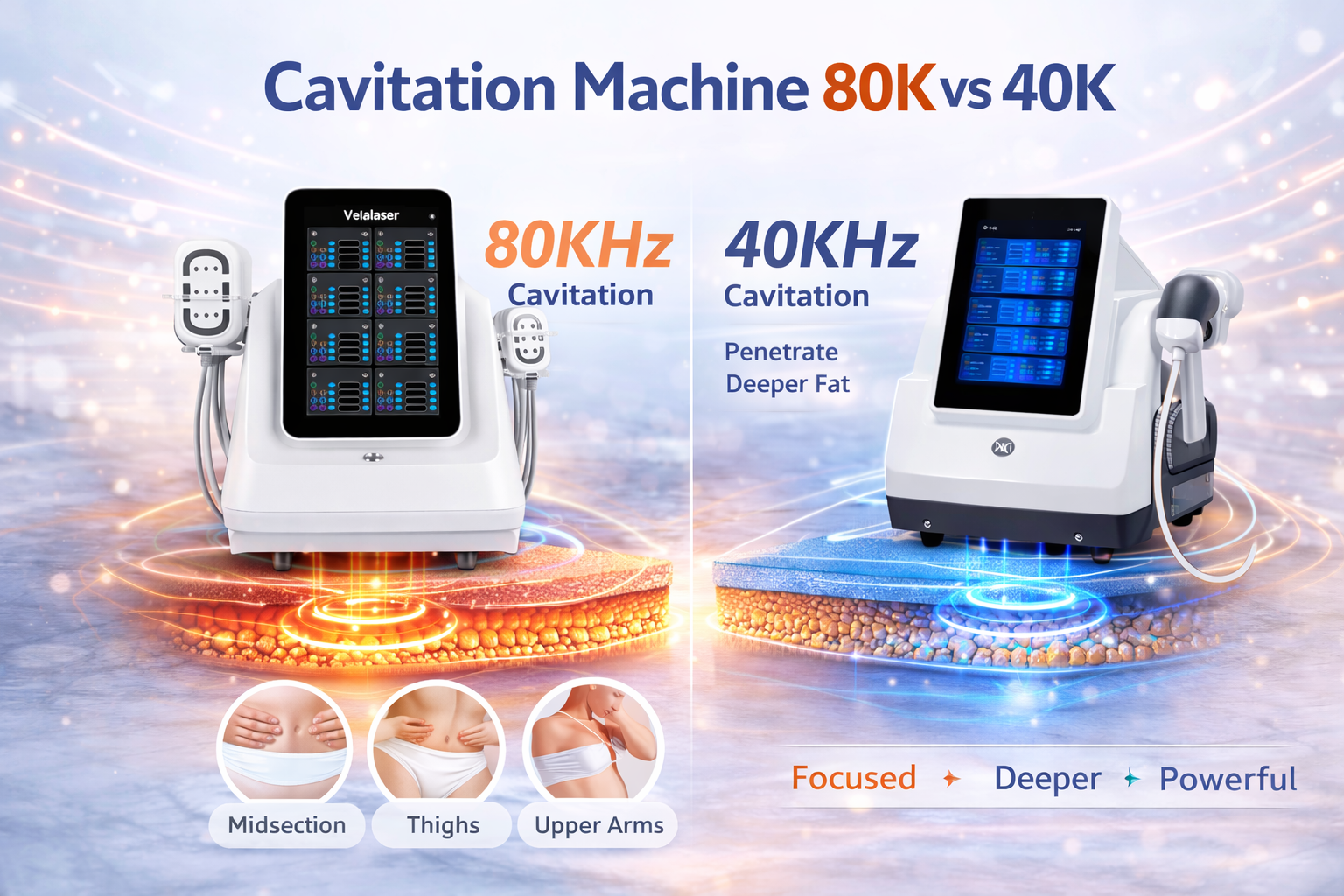
Cavitation devices typically operate between 20KHz and 80KHz. The lower end (20K–40K) is often associated with deeper penetration and stronger mechanical effects, while the higher end (60K–80K) is sometimes marketed as offering smoother, more uniform action. Both frequencies have valid clinical applications, and their differences become clearer when we examine how they interact with body tissues and treatment goals.

2. How Frequency Affects Fat Reduction
2.1 Penetration Depth and Tissue Interaction
The frequency of the ultrasonic wave determines how deeply it penetrates tissues. In general, lower frequencies penetrate more deeply, allowing cavitation effects to reach deeper layers of subcutaneous fat. This makes devices like 40K cavitation machines suitable for larger or denser fat deposits, such as those found on the abdomen and thighs.
In contrast, 80K frequency offers more focused energy delivery to superficial fat layers, which can be beneficial for refining contours and treating smaller or more delicate areas. This distinction means that 80K devices may be more precise, while 40K devices may be stronger in deeper adipose zones.
2.2 Bubble Formation and Collapse
At lower frequencies (like 40K), the amplitude of ultrasonic waves is higher, creating larger cavitation bubbles that exert significant mechanical stress on fat cells. This makes the breaking of adipocyte membranes more forceful. Higher frequencies (like 80K) create smaller bubbles that may collapse more frequently but with lower individual force.
Despite smaller bubble size, the increased frequency often results in a smoother energy distribution, which some practitioners find reduces discomfort during treatment and may provide more gentle contouring for certain body regions.
3. Treatment Comfort and User Experience
3.1 Patient Sensations During Treatment
Clients undergoing cavitation treatments may experience sensations such as warmth, tingling, or slight vibration at the treatment site. Devices operating at 80K frequency tend to deliver a more uniform sensation and can feel more comfortable for sensitive areas like the arms or flanks. In contrast, 40K devices may produce stronger vibrations in deeper tissues, which some clients perceive as more intense.
3.2 Suitability for Sensitive Regions
For areas where the fat layer is thin or near sensitive structures, an 80K cavitation machine may be a preferable choice due to its gentler action and refined delivery. The balanced energy distribution helps minimize discomfort while still promoting effective fat disruption.

4. Comparing Clinical Results
4.1 Volume Reduction and Contouring
Both 40K and 80K cavitation technologies can produce measurable reductions in circumference and visible improvements in body contour. The optimal choice often depends on treatment goals and the specific area being addressed. For larger, deeper deposits, a 40K machine may achieve significant tissue disruption more efficiently. For more refined contouring and surface smoothing, 80K frequency can be highly effective.
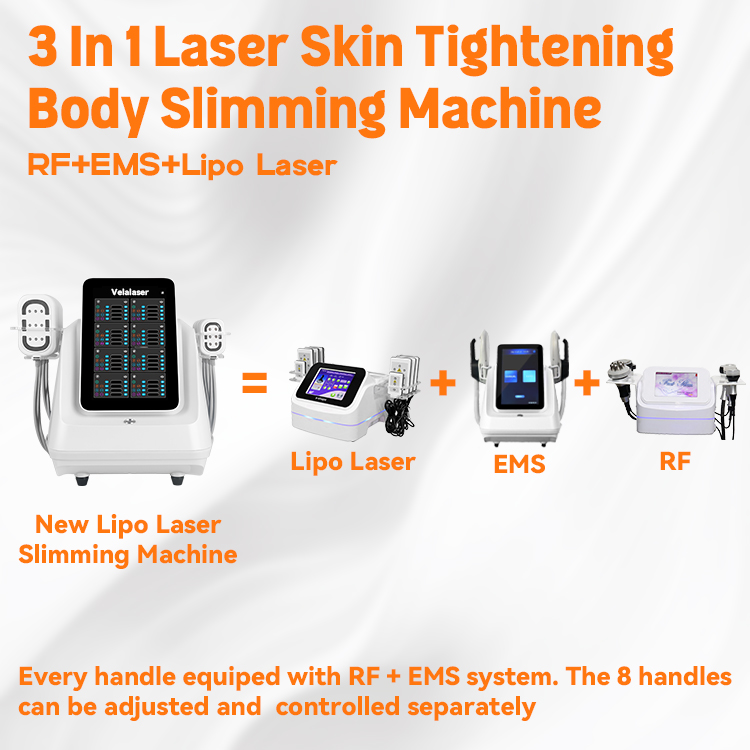
Devices that combine cavitation with additional modalities, such as RF and EMS, can further enhance results by addressing both fat breakdown and skin tightening. An example of such a versatile system is the 3-in-1 Super Lipolaser + RF + EMS Muscle Stimulator, which supports fat reduction, muscle stimulation, and skin firmness simultaneously.
https://shefmon.com/product/3-in-1-super-lipolaser-rf-ems-muscle-stimulator/
4.2 Skin Tightening and Texture
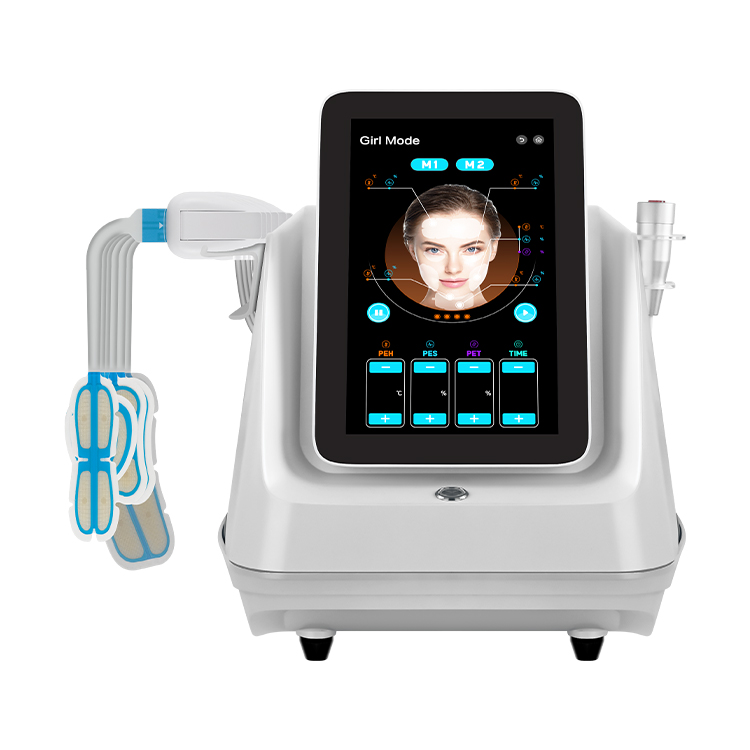
Low-frequency cavitation alone focuses more on fat cell disruption and less on skin tightening. In contrast, higher frequency or combined systems often integrate additional energies (like RF) that promote collagen remodeling. RF energy induces thermal stimulation in the dermis, which supports improved skin elasticity and tighter contours following fat reduction treatments. A good example of this supportive technology is the 448K Tecar 垂直モノポーラRFリフティングマシン, which delivers targeted RF for skin firming and dermal renewal.
https://shefmon.com/product/448k-tecar-vertical-monopolar-rf-lifting-machine/
5. Treatment Protocols and Practitioner Considerations
5.1 Customizing Based on Client Needs
Ideal cavitation therapy protocols are personalized based on the client’s body composition, treatment area, and desired outcomes. Experienced practitioners often assess fat thickness, skin condition, and lifestyle factors before recommending a specific frequency or combination approach. A tailored protocol ensures both comfort and effectiveness.
5.2 Combining Modalities for Optimal Outcomes
Using cavitation in combination with other energies, such as RF for tightening and EMS for muscle activation, provides a multi-dimensional approach to body shaping. This not only addresses fat reduction but also promotes tissue firmness and improved muscle tone.

結論
The choice between a Cavitation Machine 80K and 40K should be informed by a comprehensive understanding of how frequency impacts fat reduction results, tissue interaction, and client comfort. While 40K devices offer deeper penetration and stronger mechanical effects suitable for larger and denser fat deposits, 80K machines provide more precise and comfortable energy distribution, ideal for refined contouring and sensitive areas. Combining cavitation with supportive technologies such as RF and EMS can further enhance outcomes, offering clinics and practitioners a powerful suite of options for non-invasive body shaping. Both technologies have their place in professional aesthetics, and the right choice often depends on individual treatment goals and clinical judgment.