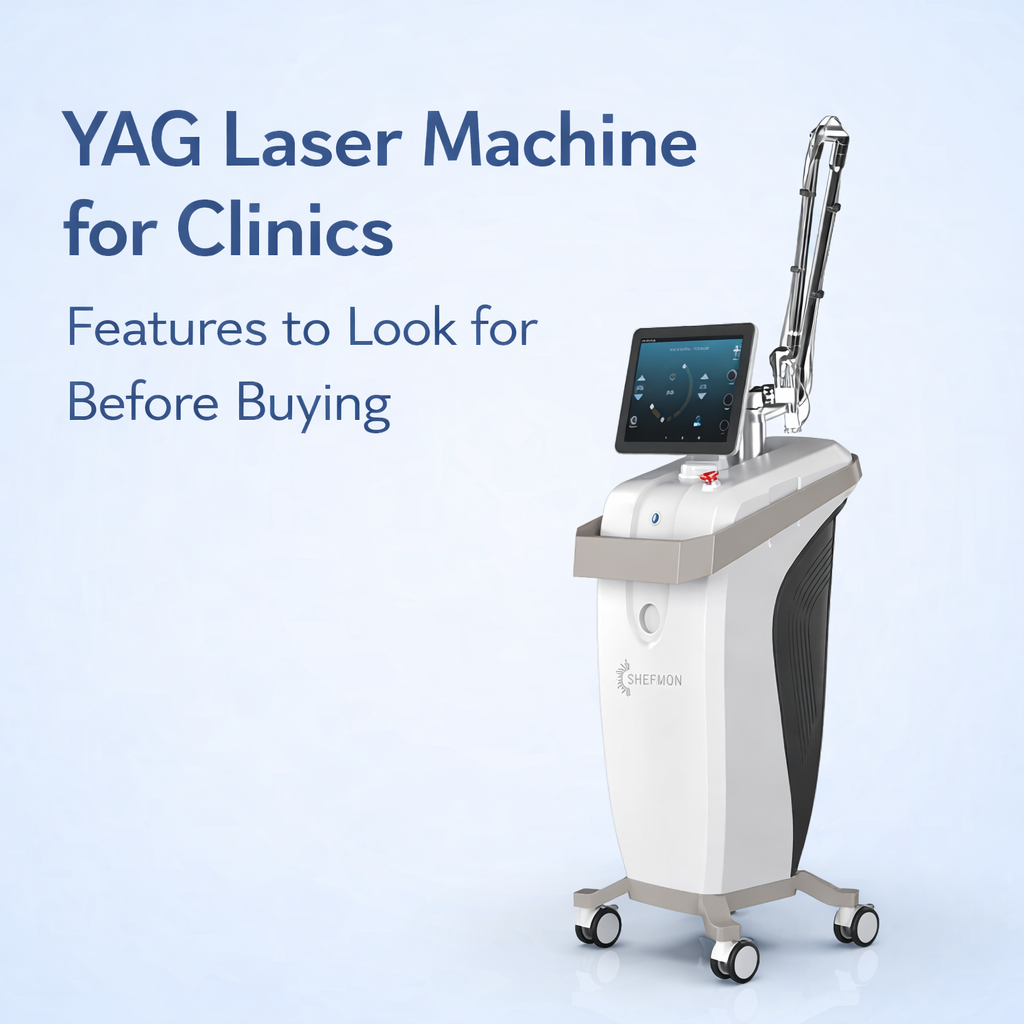
Choosing the right laser equipment is one of the most important decisions for aesthetic clinics and dermatology practices. A Macchina laser YAG is widely used for tattoo removal, pigmentation treatment, and skin rejuvenation, making it a valuable investment for clinics looking to expand their services. However, not all devices offer the same performance or safety standards. Understanding the key features to evaluate before buying a YAG laser machine can help clinics make a smarter and more profitable purchase.
1. Understanding How YAG Laser Technology Works
A YAG laser machine, commonly known as a Q-switched Nd:YAG laser, operates using ultra-short pulses of high-energy light. These pulses create a photoacoustic effect that breaks down pigment particles into tiny fragments without damaging surrounding skin tissue. The body then gradually removes these particles through the lymphatic system, allowing tattoos or pigmentation to fade over time.
This selective targeting makes the technology effective for treating tattoos, freckles, sunspots, melasma, and other pigment-related conditions while minimizing downtime.
2. Multi-Wavelength Capability
One of the most important features to look for in a YAG laser machine is multi-wavelength capability. Most professional systems operate at 1064 nm e 532 nm, allowing clinics to treat a wide range of pigments and tattoo colors.
IL 1064 nm wavelength penetrates deeper into the skin and is ideal for targeting dark pigments such as black or blue tattoos. The 532 nm wavelength focuses on superficial pigments such as red or orange tattoo ink, freckles, and sunspots.
Machines that support multiple wavelengths allow clinics to treat more skin conditions with a single device, increasing versatility and return on investment.
3. Pulse Width and Energy Output
Another key specification is pulse width, which determines how quickly energy is delivered to the treatment area. High-quality Q-switched YAG lasers produce pulses measured in nanoseconds, delivering intense energy in extremely short bursts. This rapid delivery shatters pigment particles effectively while reducing thermal damage to surrounding tissue.
Energy output and adjustable fluence are also essential. Clinics should look for systems that allow flexible energy settings, enabling practitioners to customize treatments based on skin type, pigment depth, and tattoo density.
4. Adjustable Spot Size for Precision
The ability to adjust the spot size is another important feature. Spot sizes typically range from small precision tips for detailed work to larger settings for covering bigger treatment areas. This flexibility allows clinicians to treat small tattoos, delicate facial pigmentation, or larger body areas efficiently.
Machines with adjustable spot sizes also help reduce treatment time and improve overall accuracy, especially when dealing with multi-colored or layered tattoos.
5. Cooling System and Safety Protection
Patient safety and equipment durability should always be a top priority when selecting a laser machine. Most professional YAG laser systems include advanced cooling systems, often combining water circulation, air cooling, and temperature monitoring.
Cooling technology helps maintain stable operating temperatures, protects internal components, and improves patient comfort during procedures. Reliable cooling also allows clinics to perform longer treatment sessions without overheating the device.

6. User-Friendly Interface and Control System
A modern YAG laser machine should include an intuitive interfaccia touchscreen that allows practitioners to easily adjust parameters such as wavelength, energy level, frequency, and spot size.
Advanced systems may also include features like preset treatment modes, real-time energy monitoring, and automatic calibration to ensure consistent performance. These features make the device easier to operate, especially for clinics with multiple practitioners or new technicians.
A user-friendly interface reduces training time and improves workflow efficiency in busy aesthetic clinics.
7. Treatment Versatility and Applications
When investing in a YAG laser machine, clinics should consider the range of treatments the device can perform. In addition to tattoo removal, many YAG systems support multiple aesthetic procedures, including:
Pigmentation removal (freckles, age spots, melasma)
Eyebrow and eyeliner tattoo correction
Carbon laser peeling for skin rejuvenation
Skin tightening and pore reduction
Having a multifunctional device allows clinics to attract a wider patient base and increase treatment revenue.
8. Build Quality and Component Durability
The internal components of a laser machine greatly affect its performance and lifespan. High-quality systems typically use durable laser cavities, high-efficiency mirrors, and long-life xenon lamps capable of millions of pulses.
Reliable components reduce maintenance costs and minimize downtime, which is especially important for clinics that rely heavily on laser treatments as part of their service offerings.
9. Portability and Clinic Workflow
Space and workflow are also important considerations. Some clinics prefer compact or portable laser systems that are easy to move between treatment rooms. Portable designs can improve clinic efficiency while reducing installation complexity.
However, portability should not compromise power output or treatment capabilities. The ideal machine balances size, performance, and reliability.
Conclusione
A YAG laser machine is a powerful tool for modern aesthetic clinics, but selecting the right system requires careful evaluation. Key features such as multi-wavelength capability, adjustable energy settings, reliable cooling, user-friendly controls, and durable components all play a critical role in long-term performance.
Clinics that invest in a high-quality YAG laser machine can expand their treatment options, improve patient satisfaction, and increase profitability. By focusing on the features that matter most, practitioners can ensure they choose equipment that meets both clinical and business needs.