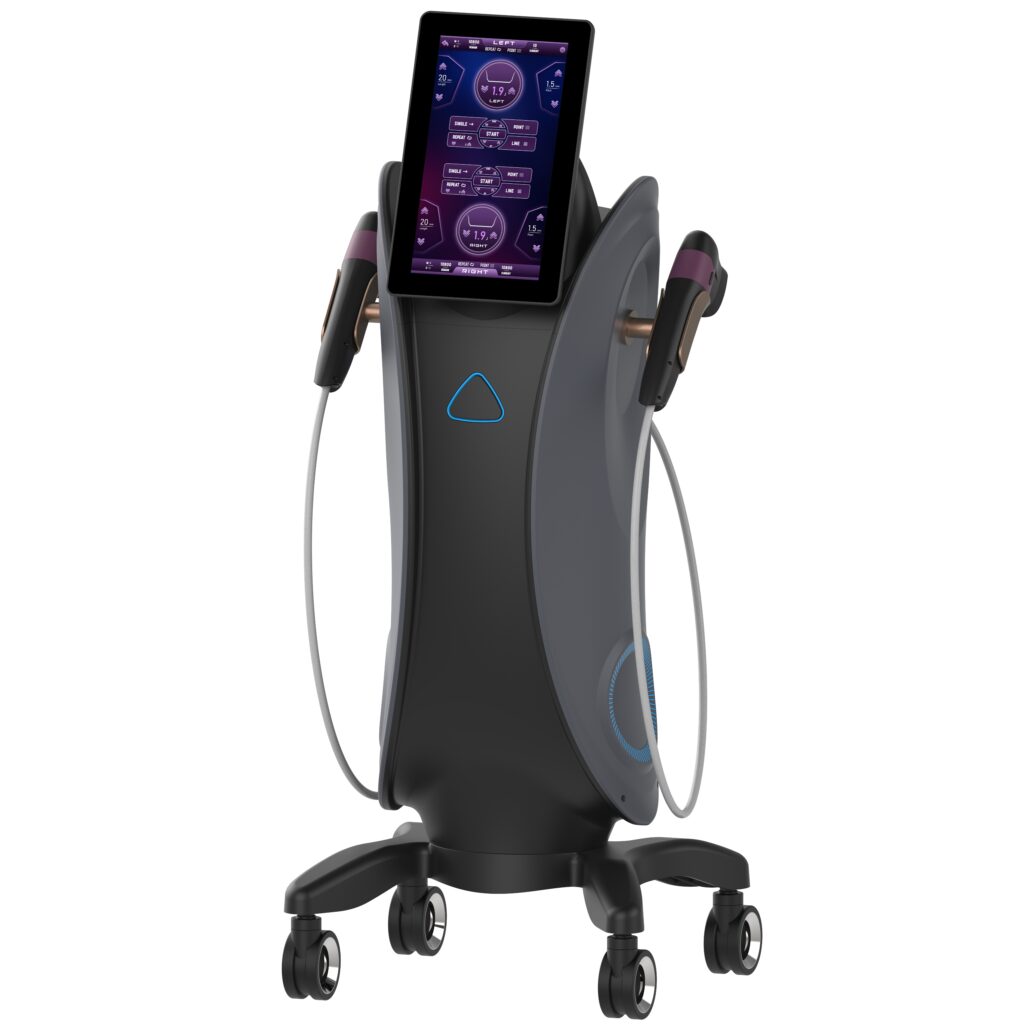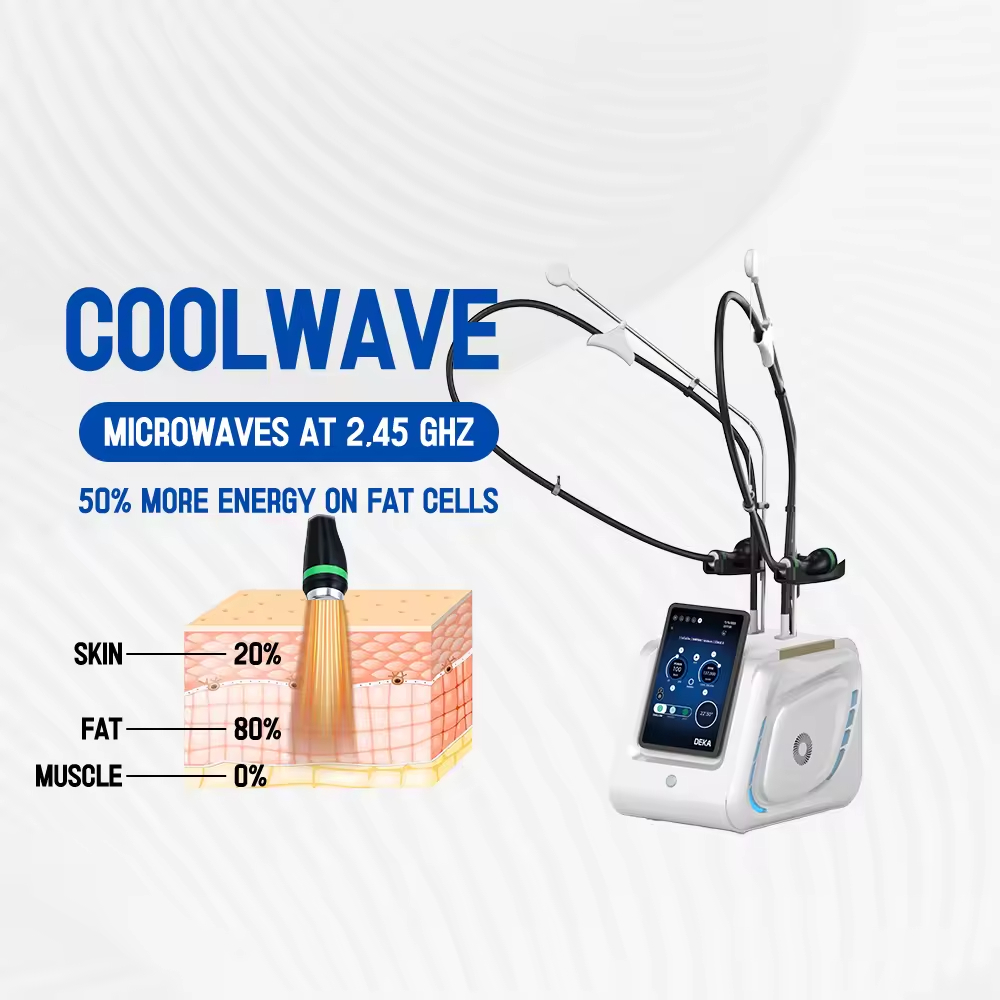








Che cos'è la fisioterapia con onde d'urto?
Definition and Medical Background
Shockwave physiotherapy, also known as Terapia extracorporea ad onde d'urto (ESWT), is a modern, non-invasive treatment method that uses high-energy acoustic waves to stimulate healing in injured or painful tissues. Originally introduced in the early 1980s for breaking down kidney stones, this technology has since evolved into a powerful tool in orthopedics and rehabilitation medicine.
Today, ESWT is widely used across clinics, sports rehabilitation centers, and physiotherapy practices because it offers a unique combination of pain relief, tissue regeneration, and improved mobility—without the need for surgery or medication.
What makes shockwave therapy stand out is its ability to target deep tissue layers that traditional therapies often fail to reach. Imagine it like sending controlled “micro-earthquakes” into damaged tissue—these waves stimulate repair processes at a cellular level, something massage or ultrasound simply can’t match.
Evolution of ESWT Technology
Over the past few decades, shockwave therapy has undergone rapid technological advancement. Initially limited to bulky hospital-grade machines, modern systems are now compact, precise, and customizable for different clinical applications.
Research has expanded its use beyond urology into areas like:
- Lesioni ai tendini
- condizioni di dolore cronico
- Riabilitazione sportiva
- Orthopedic disorders
This evolution has transformed ESWT into one of the most in-demand physiotherapy technologies globally, especially as patients increasingly seek non-invasive alternatives to surgery.
Come funziona la terapia ad onde d'urto
Scientific Principles Behind Shockwaves
Shockwaves are high-energy sound waves characterized by a rapid rise in pressure followed by a negative phase. These waves travel through tissue and deliver mechanical energy directly to targeted areas.
Unlike regular ultrasound, shockwaves have up to 1000 times higher peak pressure, making them far more effective at stimulating deep tissue repair.
When these waves hit the affected area, they create:
- Mechanical stress
- Microtrauma (controlled and beneficial)
- Cavitation (formation and collapse of bubbles)
This process triggers the body’s natural healing response.
Biological Effects on Human Tissue
Here’s where things get interesting. Shockwave therapy doesn’t just mask pain—it actually fixes the underlying problem.
Scientific studies show that ESWT can:
- Stimulate new blood vessel formation (neovascularization)
- Increase collagen production
- Promote cell regeneration
- Break down calcified deposits
Think of it like restarting your body’s repair system—especially in areas where healing has stalled due to chronic inflammation or overuse.
Tipi di macchine per la terapia ad onde d'urto
Focused Shockwave Technology
Focused shockwave therapy delivers energy to a precise depth within the body. It’s commonly used for deeper conditions like:
- Hip pain
- Deep tendon injuries
- Calcific shoulder issues
This method allows clinicians to target specific tissues without affecting surrounding areas.
Radial Shockwave Technology
Radial shockwave therapy spreads energy outward, making it ideal for:
- Surface-level conditions
- rigidità muscolare
- Broad treatment areas
Most modern clinics use a combination of both technologies to maximize treatment effectiveness.
Principali vantaggi della fisioterapia con onde d'urto
Pain Reduction Mechanisms
One of the biggest reasons patients choose shockwave therapy is fast and effective pain relief. Clinical studies show significant pain reduction within weeks of treatment.
Shockwaves work by:
- Interrupting pain signals
- Ridurre l'infiammazione
- Stimulating endorphin release
Patients often describe the effect as “finally getting relief after months or years of discomfort.”
Tissue Regeneration and Healing
Beyond pain relief, ESWT accelerates healing by activating the body’s repair mechanisms. This is particularly useful for chronic conditions where healing has slowed down.
In conditions like plantar fasciitis or tendon injuries, studies have shown moderate to significant improvements in function and pain over time.
This dual benefit—pain relief + healing—is what makes shockwave therapy so powerful.
Clinical Applications and Treatment Areas
Disturbi muscoloscheletrici
Shockwave therapy is commonly used to treat:
- fascite plantare
- gomito del tennista
- Shoulder tendinitis
- dolore al ginocchio
- Tendinopatia di Achille
These conditions often resist traditional treatments, making ESWT a preferred alternative.
Lesioni sportive e riabilitazione
Athletes love shockwave therapy—and for good reason.
It helps:
- Speed up recovery
- Reduce downtime
- Migliorare le prestazioni
From professional athletes to weekend runners, ESWT is becoming a go-to solution for injury management.
Terapia ad onde d'urto vs trattamenti tradizionali
Comparison Table of Treatment Methods
| Metodo di trattamento | Invasività | Tempo di recupero | Efficacia | Risk Level |
|---|---|---|---|---|
| Terapia ad onde d'urto | Non invasivo | Minimo | Alto | Basso |
| Chirurgia | Highly invasive | Lungo | Alto | Alto |
| Farmaco | Non invasivo | Short-term relief | Moderare | Medio |
| Fisioterapia | Non invasivo | Moderare | Moderare | Basso |
Why Clinics Prefer ESWT
Clinics increasingly prefer shockwave therapy because it offers:
- Risultati più rapidi
- Higher patient satisfaction
- Lower risk compared to surgery
It’s a win-win for both practitioners and patients.
Procedura di trattamento spiegata
Cosa succede durante una sessione
A typical session lasts around 15–30 minutes. During treatment:
- A gel is applied to the skin
- The device delivers controlled shockwaves
- The practitioner adjusts intensity based on patient comfort
Most patients describe the sensation as mildly uncomfortable but tolerable.
Quante sedute sono necessarie?
Treatment plans vary, but most patients require:
- 3–6 sessioni
- Weekly intervals
Improvements are often noticeable after just a few treatments.
Sicurezza, rischi ed effetti collaterali
Chi dovrebbe evitare il trattamento
While shockwave therapy is generally safe, it’s not suitable for everyone.
Avoid ESWT if you have:
- Gravidanza
- Blood clotting disorders
- infezioni attive
- Tumors in the treatment area
Common side effects include mild pain, redness, or bruising, which typically resolve within a few days.
Choosing the Right Shockwave Machine
Features to Look for in Professional Devices
When selecting a shockwave machine, consider:
- Energy levels and adjustability
- Applicator types
- Interfaccia utente
- Durability and design
High-quality machines provide better results and long-term reliability.
Why Invest in Shockwave Equipment (For Clinics & Distributors)
ROI and Market Demand
The demand for non-invasive treatments is skyrocketing, and shockwave therapy sits right at the center of this trend.
Clinics investing in ESWT benefit from:
- High treatment margins
- Repeat patient visits
- Growing global demand
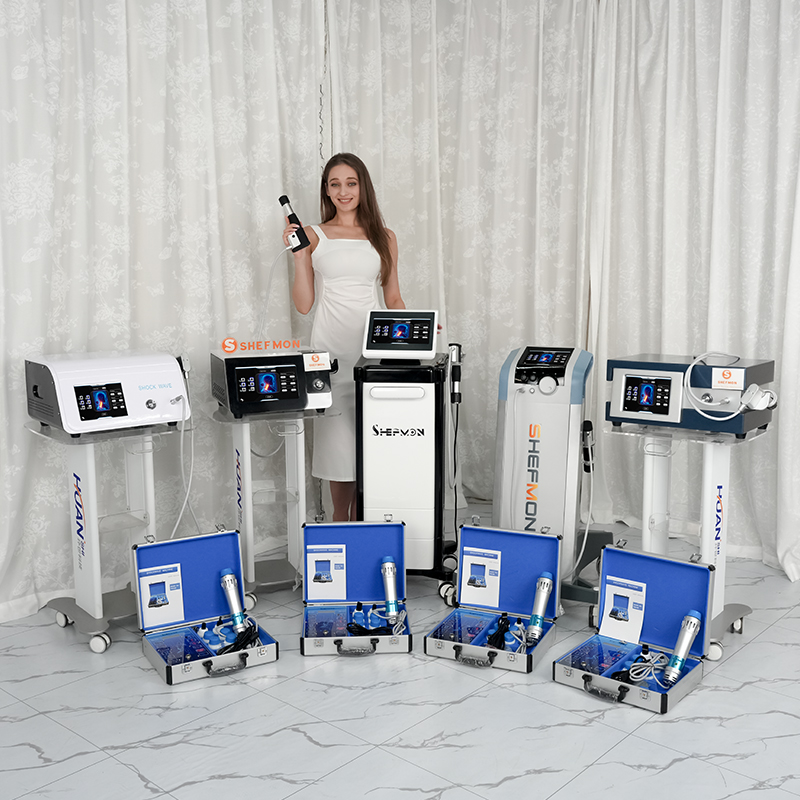
For distributors and OEM/ODM partners like SHEFMON BEAUTY, this represents a huge opportunity to scale in the booming medical aesthetics and rehabilitation market.
Conclusione
Shockwave physiotherapy is more than just another treatment—it’s a game-changing technology redefining how we approach pain management and rehabilitation. By combining science, innovation, and real-world effectiveness, it offers a powerful alternative to invasive procedures and long-term medication use.
As patient demand continues to shift toward safe, non-invasive, and effective solutions, shockwave therapy is set to become a cornerstone of modern physiotherapy clinics worldwide.
Domande frequenti
1. Is shockwave therapy painful?
It can cause mild discomfort during treatment, but most patients tolerate it well and find the results worth it.
2. How quickly does shockwave therapy work?
Many patients notice improvement after 1–3 sessions, with continued progress over several weeks.
3. Is shockwave therapy FDA approved?
Yes, shockwave therapy is FDA-approved for several medical conditions, especially musculoskeletal disorders.
4. La terapia con onde d'urto può sostituire la chirurgia?
In many cases, yes. It is often used as a non-invasive alternative before considering surgical options.
5. Quanto durano i risultati?
Results can be long-lasting, especially when combined with proper rehabilitation and lifestyle adjustments.