








La tecnologia laser è diventata uno degli strumenti più importanti nella medicina estetica moderna. Dalla rimozione dei tatuaggi alla correzione della pigmentazione e al ringiovanimento della pelle, dispositivi laser consentono alle cliniche di fornire trattamenti efficaci con tempi di inattività minimi. Tra le tecnologie più comunemente utilizzate ci sono Laser Nd:YAG E laser a picosecondi, entrambi progettati per scomporre le particelle di pigmento presenti nella pelle. Sebbene condividano obiettivi di trattamento simili, i loro principi di funzionamento, la durata dell'impulso e le prestazioni cliniche possono differire significativamente. Comprendere queste differenze aiuta i centri estetici a determinare quale macchina laser si adatti meglio alle loro esigenze di trattamento, alle aspettative dei pazienti e alla strategia aziendale a lungo termine.
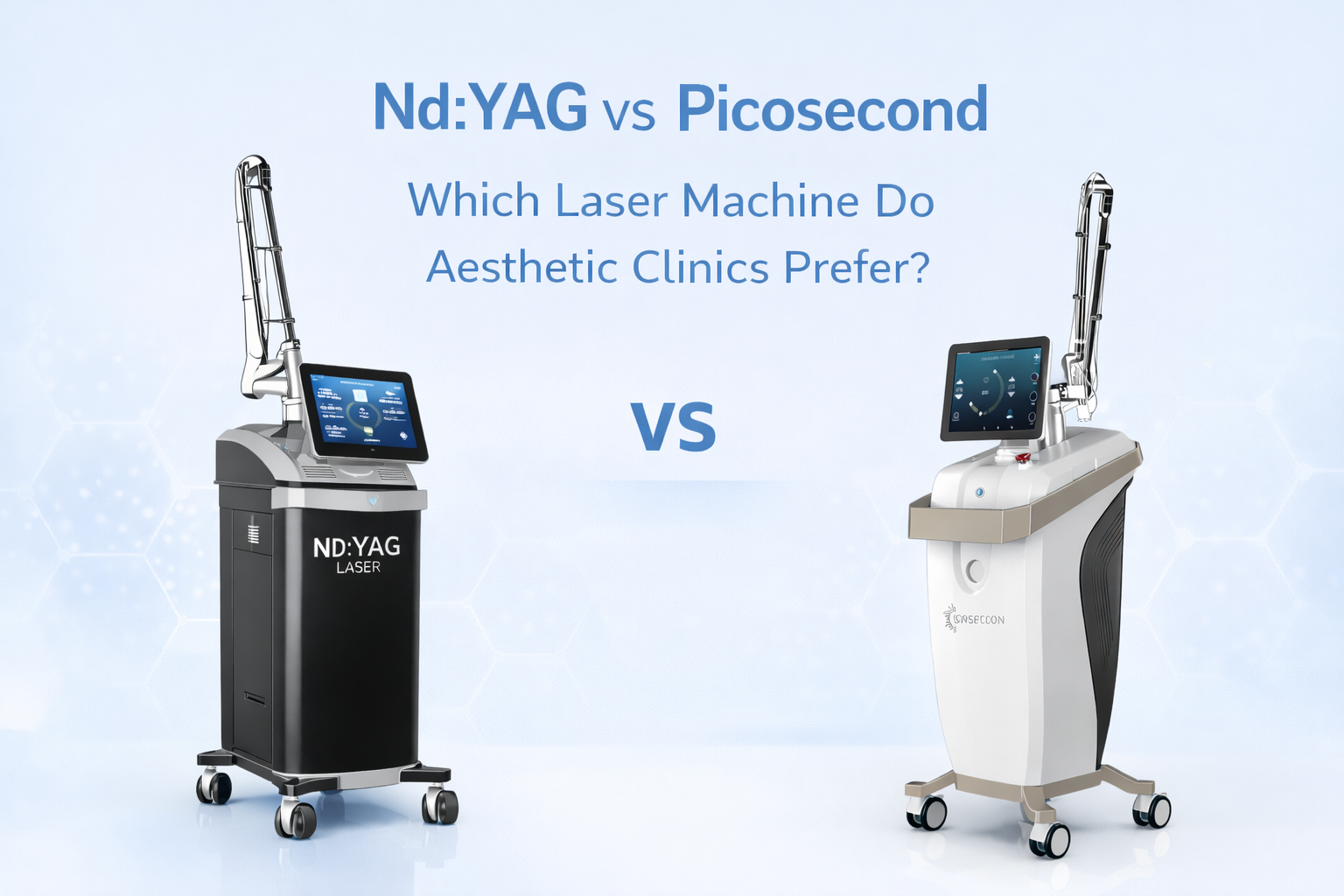
1. Comprensione della tecnologia laser Nd:YAG e picosecondi
1.1 Che cos'è la tecnologia laser Nd:YAG?
IL Laser Nd:YAG (granato di ittrio e alluminio drogato al neodimio) è ampiamente utilizzata in dermatologia e medicina estetica da molti anni. Questa tecnologia opera tipicamente a lunghezze d'onda di 1064 nm e 532 nm, che consente al laser di colpire diversi tipi di pigmentazione della pelle. La lunghezza d'onda di 1064 nm penetra più in profondità nel derma, rendendola altamente efficace per rimuovere i pigmenti dei tatuaggi più scuri e trattare i problemi di pigmentazione più profondi. La lunghezza d'onda di 532 nm, invece, è più adatta per problemi di pigmentazione superficiali come lentiggini, macchie senili e danni del sole.
I laser Nd:YAG sono apprezzati dalle cliniche per la loro stabilità, versatilità e sicurezza su diversi tipi di pelleSono particolarmente efficaci sulle tonalità di pelle più scure, poiché la lunghezza d'onda maggiore riduce il rischio di un eccessivo assorbimento di melanina nell'epidermide. Questo rende i laser Nd:YAG un'opzione affidabile per le cliniche che trattano una popolazione di pazienti eterogenea.
1.2 Che cos'è la tecnologia laser a picosecondi?
La tecnologia laser a picosecondi rappresenta un progresso più recente nei sistemi laser estetici. A differenza dei laser tradizionali che emettono impulsi in nanosecondi, i laser a picosecondi emettono impulsi in picosecondi (un trilionesimo di secondo)Questi impulsi ultra-brevi producono una forte effetto fotoacustico, che frantuma le particelle di pigmento in frammenti estremamente piccoli.
Poiché il pigmento viene scomposto in modo più efficiente, l'organismo può eliminarlo più facilmente attraverso i naturali processi metabolici. Questo meccanismo consente spesso ai laser a picosecondi di ottenere risultati più rapidi in alcuni trattamenti, in particolare per i pigmenti dei tatuaggi più ostinati o per le discromie cutanee più profonde.
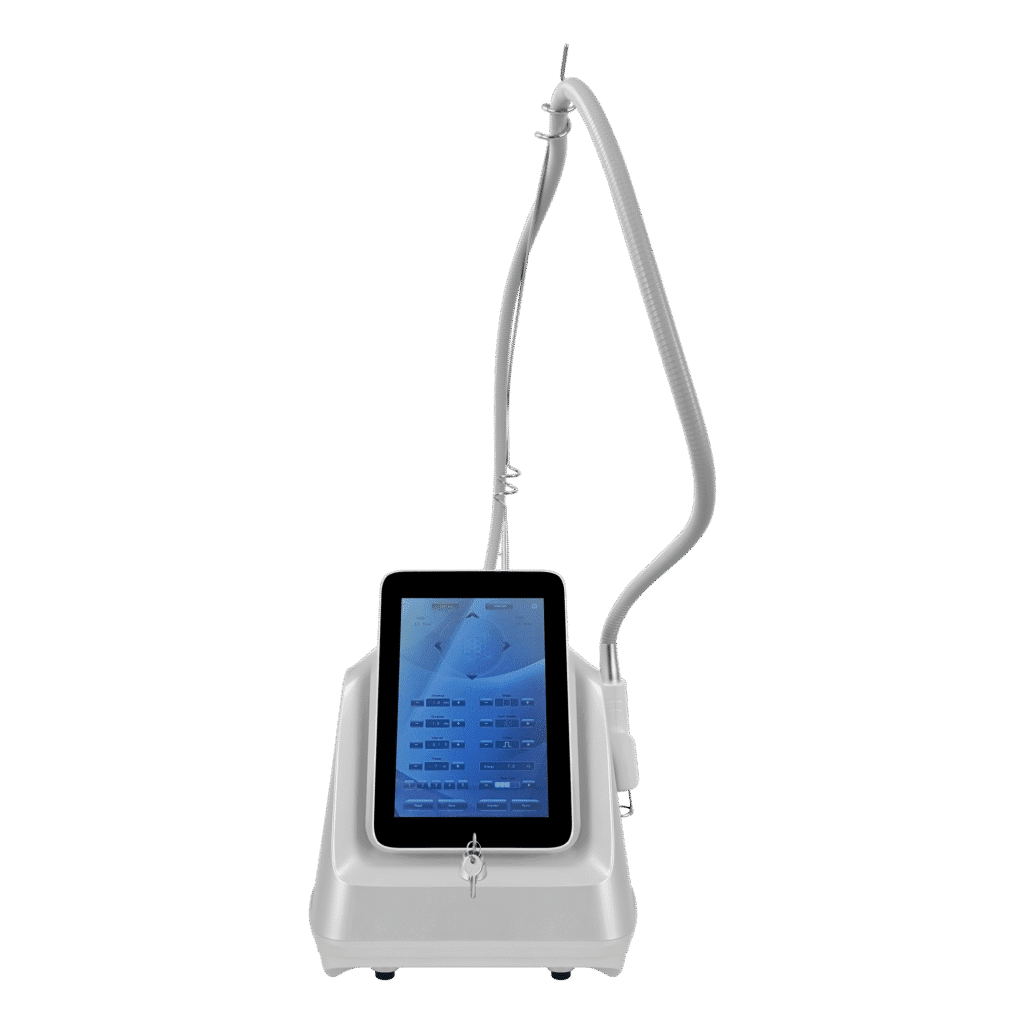
Molte moderne piattaforme estetiche combinano le tradizionali lunghezze d'onda Nd:YAG con la tecnologia degli impulsi a picosecondi per migliorare sia l'efficienza del trattamento che la versatilità. Dispositivi come Sistema laser YAG super picosecondo Q-switched da 1064 nm e 532 nm sono progettati per gestire la rimozione dei tatuaggi, il trattamento della pigmentazione e il ringiovanimento della pelle con un unico dispositivo.
https://shefmon.com/product/a0507-1064nm-532nm-q-switched-super-picosecond-picosure-yag-laser-tattoo-removal/
2. Differenze chiave tra laser Nd:YAG e laser a picosecondi
2.1 Durata dell'impulso e erogazione di energia
Una delle differenze più significative tra i laser Nd:YAG e quelli a picosecondi risiede nella durata dell'impulso. I laser Nd:YAG Q-switched tradizionali operano nel intervallo di nanosecondi, mentre i laser a picosecondi operano nel intervallo di picosecondi, che è circa 1.000 volte più breve.
Impulsi più brevi producono un'energia meccanica più elevata, anziché basarsi principalmente sull'energia termica. Ciò significa che i laser a picosecondi possono frammentare le particelle di pigmento in modo più efficiente, riducendo al contempo il danno termico ai tessuti circostanti. Di conseguenza, la tecnologia a picosecondi è spesso associata a una maggiore precisione e a risultati di trattamento potenzialmente più rapidi.
2.2 Efficienza del trattamento e numero di sessioni
Per molte cliniche estetiche, l'efficienza del trattamento gioca un ruolo importante nella scelta delle apparecchiature. I laser a picosecondi spesso richiedono meno sedute di trattamento per determinate condizioni di pigmentazione perché le particelle di pigmento vengono scomposte in frammenti più piccoli.
Tuttavia, i laser Nd:YAG offrono ancora prestazioni eccezionali in molte procedure comuni. Ad esempio, gli inchiostri per tatuaggi neri e blu scuro rispondono in modo molto efficace alla lunghezza d'onda di 1064 nm dei laser Nd:YAG. Questo li rende una soluzione affidabile ed economica per molte cliniche che eseguono frequentemente trattamenti di rimozione dei tatuaggi.
2.3 Sicurezza per diversi tipi di pelle
La sicurezza è un fattore critico nelle procedure estetiche. I laser Nd:YAG sono ampiamente riconosciuti per la loro capacità di trattare tonalità di pelle più scure in modo sicuro, in gran parte dovuto alla penetrazione più profonda della lunghezza d'onda di 1064 nm. Ciò riduce la probabilità di danni epidermici e diminuisce il rischio di complicazioni come l'iperpigmentazione.
I laser a picosecondi offrono inoltre elevati profili di sicurezza, poiché i loro impulsi ultrabrevi riducono l'accumulo di calore nei tessuti circostanti. Questo può contribuire a ridurre al minimo il disagio del trattamento e ad abbreviare i tempi di recupero per i pazienti.
3. Applicazioni del trattamento nelle cliniche estetiche
3.1 Rimozione del tatuaggio
La rimozione dei tatuaggi rimane uno degli utilizzi più comuni dei sistemi laser Nd:YAG e a picosecondi. L'energia laser scompone le particelle di inchiostro del tatuaggio incastonate nel derma, consentendo al sistema immunitario di rimuoverle gradualmente.
I laser Nd:YAG sono particolarmente efficaci per i pigmenti più scuri, mentre i laser a picosecondi possono essere più efficaci per tatuaggi con colori complessi o particelle di inchiostro resistenti. Le cliniche che gestiscono un elevato volume di procedure di rimozione dei tatuaggi spesso preferiscono macchine che supportino più lunghezze d'onda.
3.2 Trattamento della pigmentazione
La tecnologia laser è ampiamente utilizzata anche per trattare condizioni di pigmentazione come melasma, macchie solari, lentiggini e iperpigmentazione post-infiammatoria. La lunghezza d'onda di 532 nm agisce sulla pigmentazione superficiale, mentre la lunghezza d'onda più profonda di 1064 nm agisce sui pigmenti situati più in profondità nel derma.
Per questi trattamenti possono essere utilizzati sia i laser Nd:YAG che quelli a picosecondi, anche se in alcuni casi la tecnologia a picosecondi può migliorare l'efficacia del trattamento.
3.3 Ringiovanimento della pelle e miglioramento della consistenza
Oltre alla correzione della pigmentazione, molte cliniche utilizzano dispositivi laser per trattamenti di ringiovanimento della pelleI laser a picosecondi sono sempre più utilizzati a questo scopo perché il loro effetto fotoacustico può stimolare la produzione di collagene e migliorare la consistenza della pelle.
I laser Nd:YAG possono anche contribuire al ringiovanimento della pelle stimolando il rimodellamento dermico e migliorando il tono generale della pelle.
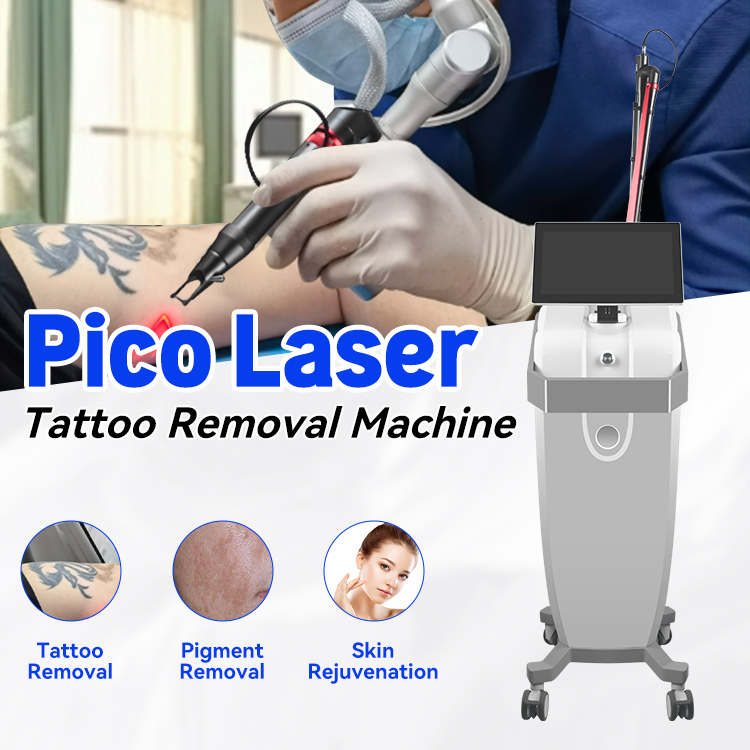
4. Fattori che le cliniche estetiche considerano quando scelgono un apparecchio laser
4.1 Versatilità del trattamento
Le cliniche estetiche in genere preferiscono dispositivi in grado di trattare molteplici problemi della pelle. Un sistema laser versatile consente ai professionisti di offrire trattamenti per la rimozione di tatuaggi, la pigmentazione e il ringiovanimento della pelle senza dover acquistare più macchinari.
Questa versatilità migliora l'efficienza della clinica e amplia la gamma di servizi che i professionisti possono fornire.
4.2 Costi e ritorno sull'investimento
Un altro aspetto importante da considerare è il costo. I sistemi laser a picosecondi richiedono spesso un investimento iniziale più elevato a causa della loro avanzata tecnologia a impulsi. Tuttavia, se il dispositivo consente alle cliniche di eseguire i trattamenti in modo più efficiente o di attrarre nuovi pazienti, il ritorno sull'investimento può comunque essere elevato.
I sistemi Nd:YAG restano interessanti perché offrono prestazioni affidabili a un costo relativamente basso.
4.3 Esperienza del paziente e tempi di recupero
Anche il comfort del paziente e i tempi di recupero influenzano le decisioni relative alle apparecchiature. I trattamenti che causano meno disagio e richiedono tempi di recupero più brevi sono generalmente più apprezzati dai pazienti.
I laser a picosecondi possono offrire vantaggi in questo ambito grazie al ridotto danno termico, che può portare a una guarigione più rapida e a una maggiore soddisfazione del paziente.
Conclusione
Sia la tecnologia laser Nd:YAG che quella a picosecondi svolgono un ruolo importante nella moderna medicina estetica. I laser Nd:YAG rimangono una soluzione affidabile e ampiamente utilizzata grazie alla loro affidabilità, versatilità e sicurezza per diversi tipi di pelle. I laser a picosecondi, invece, rappresentano un progresso tecnologico che offre un'erogazione dell'impulso più rapida e una frammentazione del pigmento più efficiente. In pratica, molte cliniche estetiche preferiscono sistemi che combinano queste tecnologie, consentendo loro di trattare una gamma più ampia di inestetismi cutanei e migliorando al contempo l'efficienza del trattamento. Scegliendo la piattaforma laser giusta, le cliniche possono ampliare le proprie capacità di trattamento, migliorare i risultati per i pazienti e rimanere competitive in un settore estetico in rapida evoluzione.
Domande frequenti
1. Qual è la differenza principale tra i laser Nd:YAG e quelli a picosecondi?
La differenza principale è la durata dell'impulso. I laser Nd:YAG operano in genere nell'ordine dei nanosecondi, mentre i laser a picosecondi emettono impulsi ultrabrevi, nell'ordine dei picosecondi, per una frammentazione più efficiente del pigmento.
2. Quale laser è migliore per la rimozione dei tatuaggi?
Entrambe le tecnologie sono efficaci. I laser Nd:YAG sono efficaci per gli inchiostri dei tatuaggi più scuri, mentre i laser a picosecondi possono fornire risultati più rapidi per i pigmenti più ostinati.
3. I laser a picosecondi sono più sicuri dei laser Nd:YAG?
Entrambi sono sicuri se usati correttamente. I laser a picosecondi possono ridurre i danni da calore grazie alla durata più breve dell'impulso.
4. Un unico macchinario può combinare la tecnologia Nd:YAG e quella a picosecondi?
Sì. Molti dispositivi estetici moderni combinano più lunghezze d'onda e tecnologie a impulsi per migliorare la versatilità del trattamento.
5. Perché le cliniche confrontano i laser Nd:YAG con quelli a picosecondi?
Le cliniche le confrontano per determinare quale tecnologia offre il miglior equilibrio tra efficienza del trattamento, versatilità, sicurezza e ritorno sull'investimento.