









La riabilitazione fisica si è evoluta in modo significativo con l'introduzione di tecnologie terapeutiche avanzate. Mentre la fisioterapia tradizionale rimane un approccio fondamentale per il recupero e il miglioramento della mobilità, la fisiomagnetoterapia si è affermata come un'alternativa o un complemento moderno e non invasivo. Comprendere le differenze tra la fisiomagnetoterapia e la fisioterapia tradizionale aiuta cliniche, professionisti e pazienti a scegliere strategie riabilitative appropriate in base alle esigenze individuali, agli obiettivi di trattamento e al contesto clinico.
1. Comprendere i due approcci terapeutici
1.1 Che cos'è la fisiomagnetoterapia?
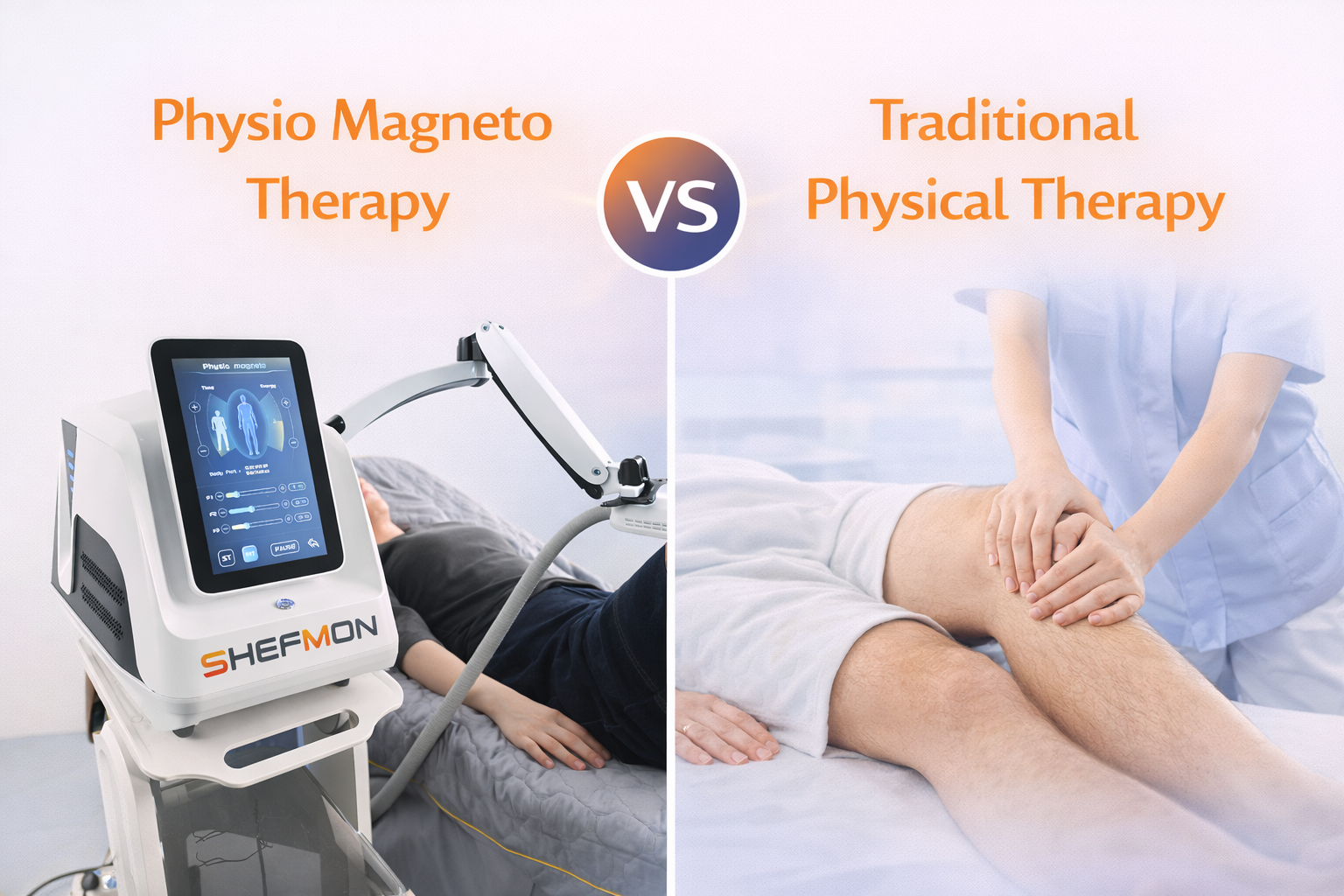
La magnetoterapia fisica, spesso chiamata terapia con campi elettromagnetici pulsati (PEMF) o terapia PMST, utilizza campi elettromagnetici controllati per stimolare i tessuti a livello cellulare. La terapia mira ad alleviare il dolore, migliorare la circolazione e favorire i naturali processi di recupero del corpo senza ricorrere a manipolazioni fisiche dirette.
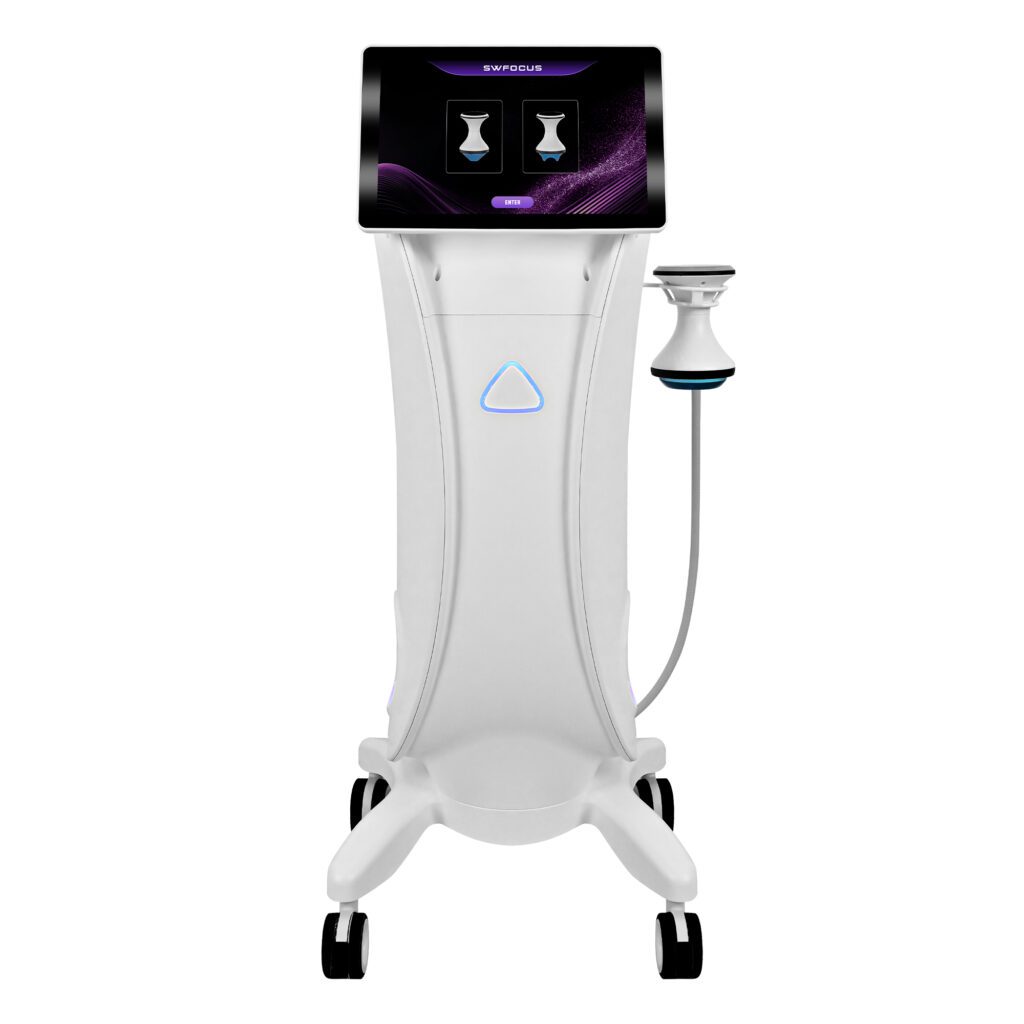
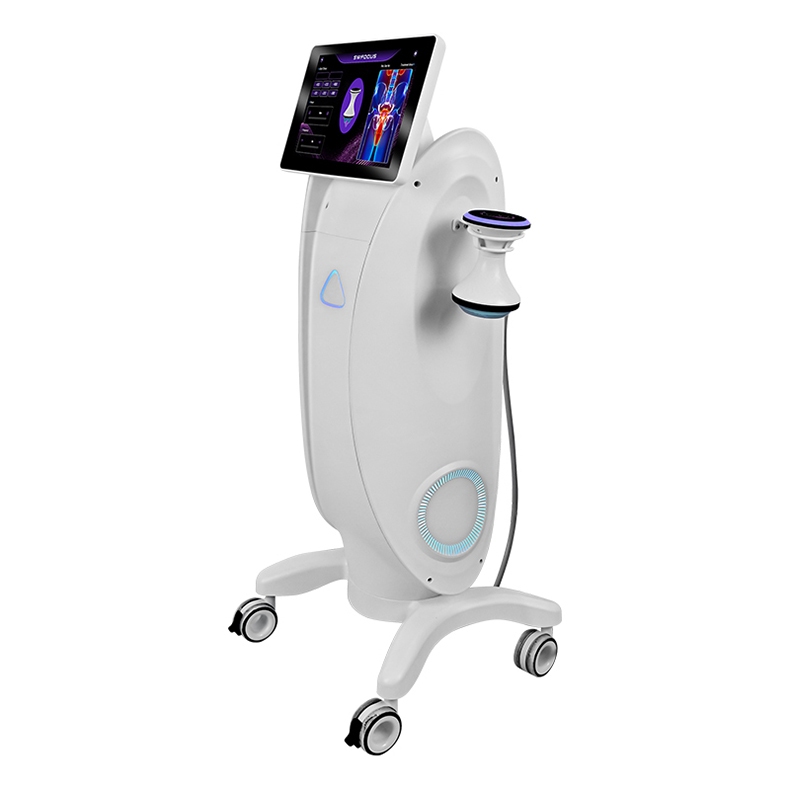
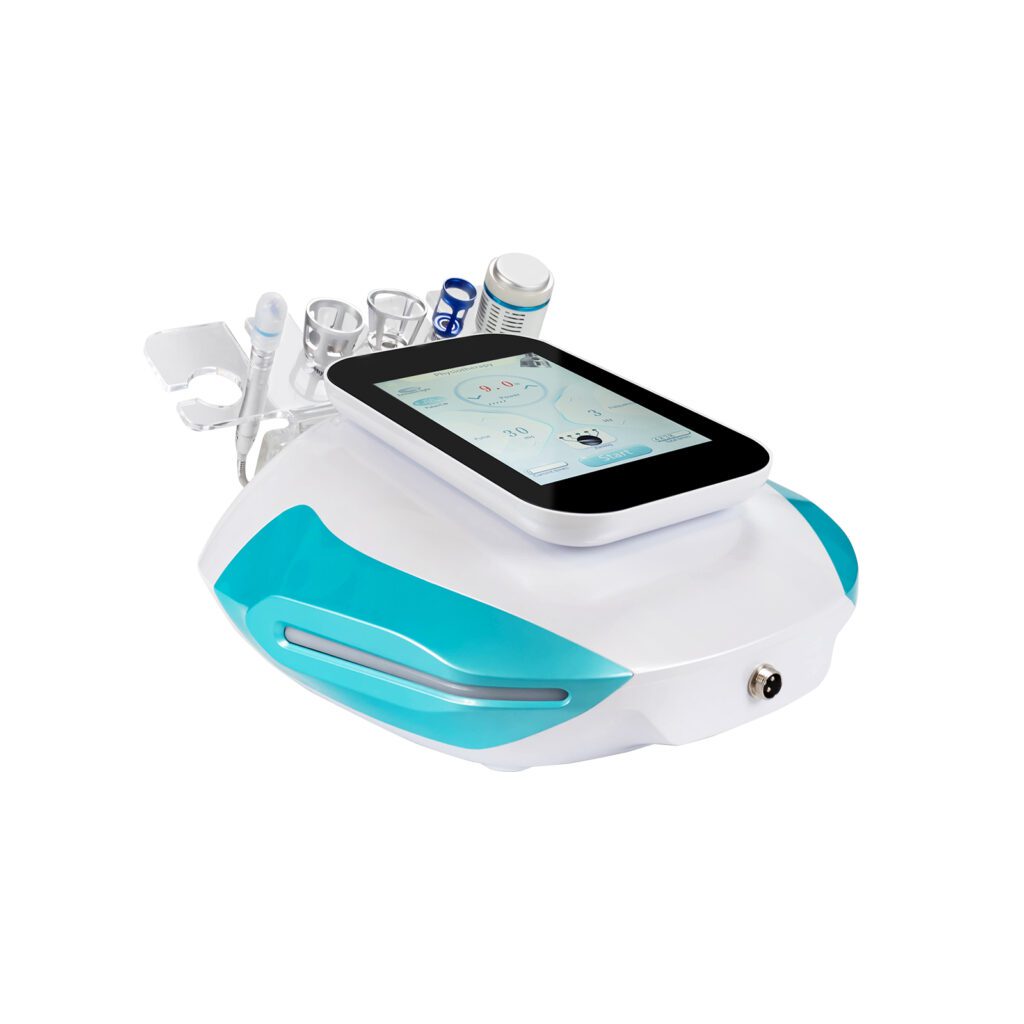
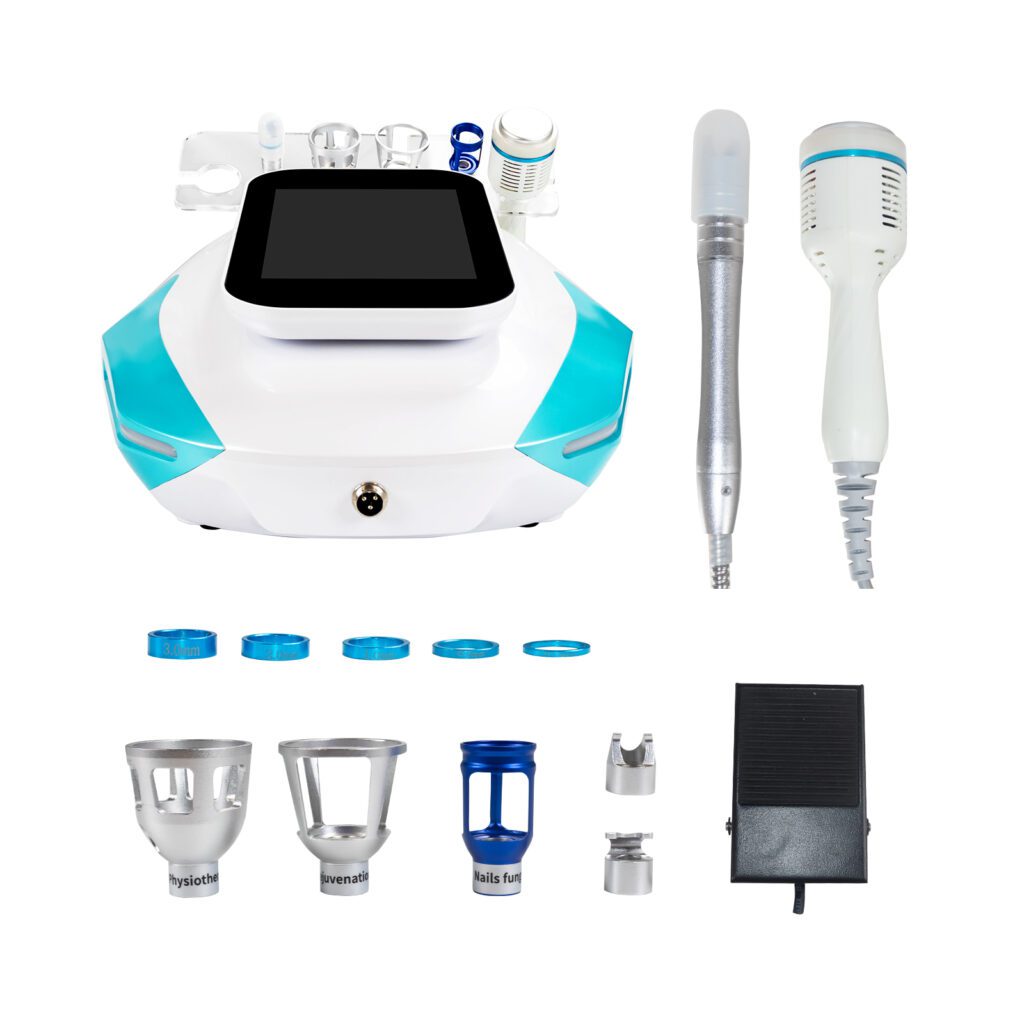
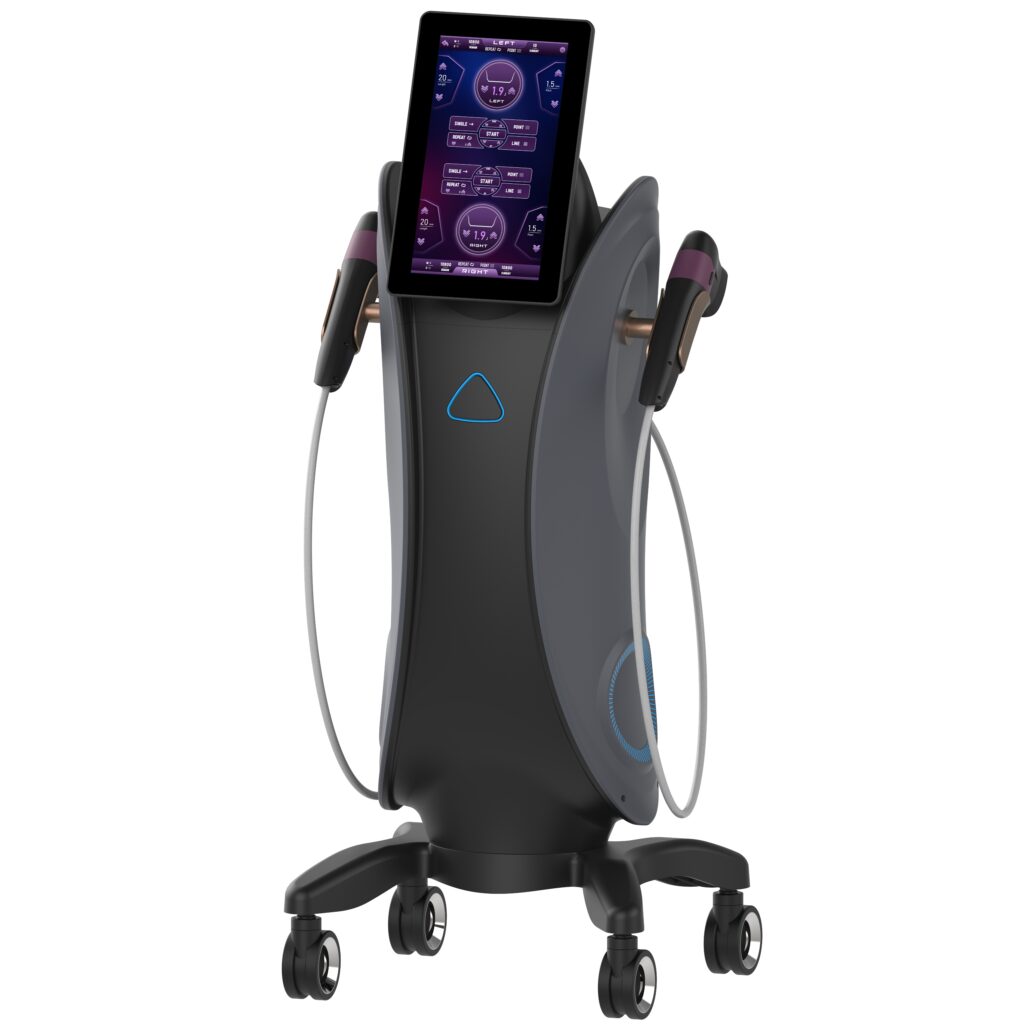
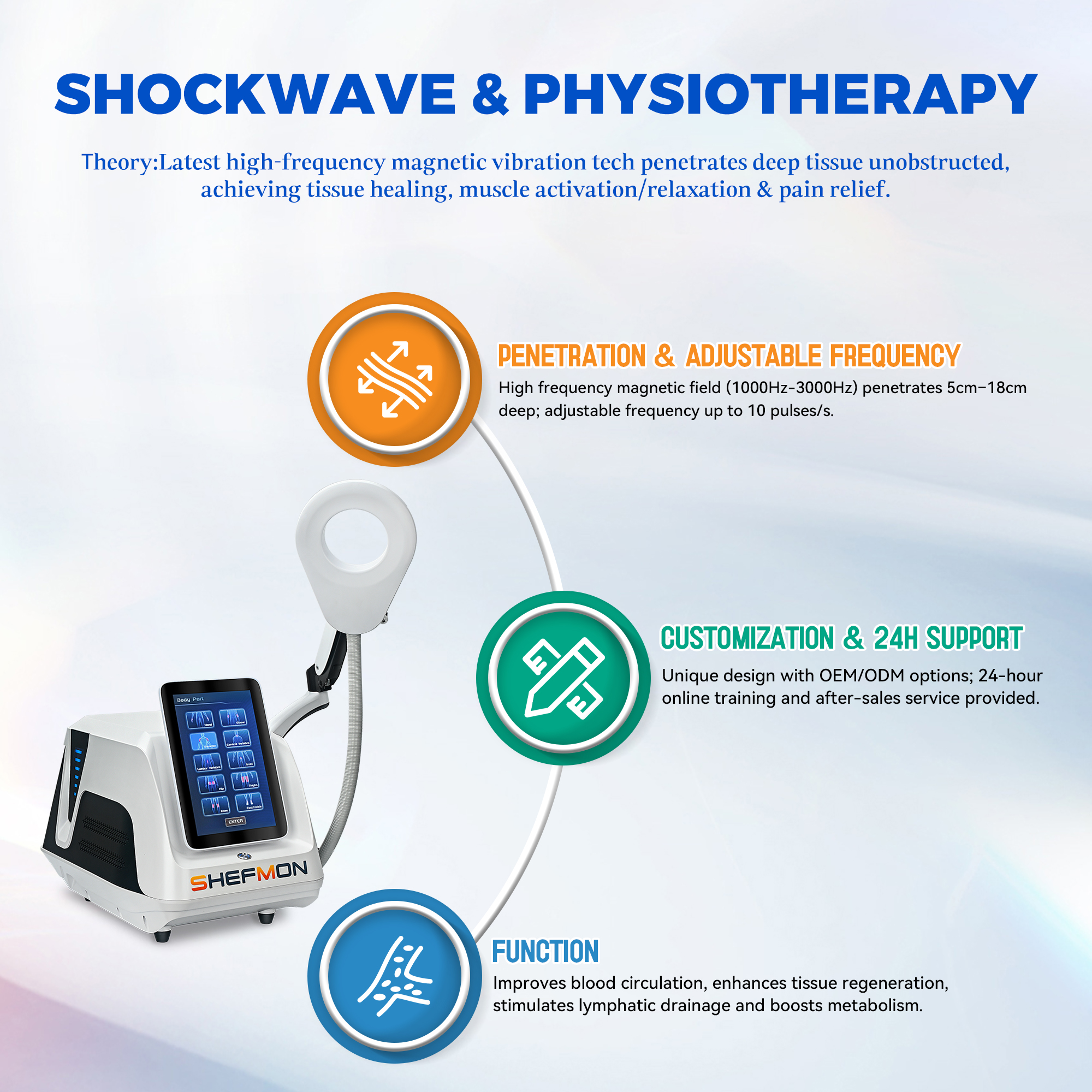
I sistemi moderni, come le piattaforme di magnetoterapia combinata di Shefmon, integrano la stimolazione elettromagnetica con parametri regolabili per adattarsi a diversi scenari riabilitativi.
https://shefmon.com/product/a0275e-3-in-1-combination-machine-pmst-wave-magnetotherapy/
1.2 Che cos'è la fisioterapia tradizionale?
La fisioterapia tradizionale si basa su tecniche manuali, esercizi guidati, stretching e manipolazione fisica eseguiti da terapisti qualificati. Si concentra sul ripristino del movimento, sul rafforzamento muscolare, sul miglioramento della mobilità articolare e sul riadattamento degli schemi funzionali attraverso ripetuti esercizi fisici.
Questo approccio enfatizza l'interazione terapeuta-paziente e la partecipazione attiva del paziente durante tutto il processo di riabilitazione.

A0275E Macchina combinata 3 in 1 Magnetoterapia a onde PMST
2. Differenze nel meccanismo centrale
2.1 Stimolazione elettromagnetica vs intervento manuale
La magnetoterapia fisica funziona erogando impulsi elettromagnetici che penetrano nei tessuti senza contatto fisico. Questi impulsi interagiscono con cellule, nervi e muscoli, influenzando potenzialmente la percezione del dolore e il recupero dei tessuti.
La terapia fisica tradizionale, al contrario, si basa su tecniche manuali ed esercizi attivi per stimolare meccanicamente muscoli, articolazioni e tessuti connettivi.
2.2 Profondità e targeting del trattamento
I campi elettromagnetici possono raggiungere strati tissutali più profondi senza aumentare la pressione superficiale, rendendo la fisiomagnetoterapia adatta ai pazienti che avvertono disagio durante la manipolazione manuale. La terapia tradizionale può richiedere una pressione significativa o movimenti ripetitivi per raggiungere una profondità simile, il che può risultare difficoltoso per alcuni individui.
3. Esperienza e comfort del paziente
3.1 Natura non invasiva della magnetoterapia fisica
La magnetoterapia fisica è generalmente descritta come confortevole e passiva. I pazienti rimangono rilassati durante le sedute mentre viene applicata la stimolazione elettromagnetica. Questo la rende particolarmente adatta a soggetti con dolore acuto, mobilità limitata o scarsa tolleranza alla pressione manuale.
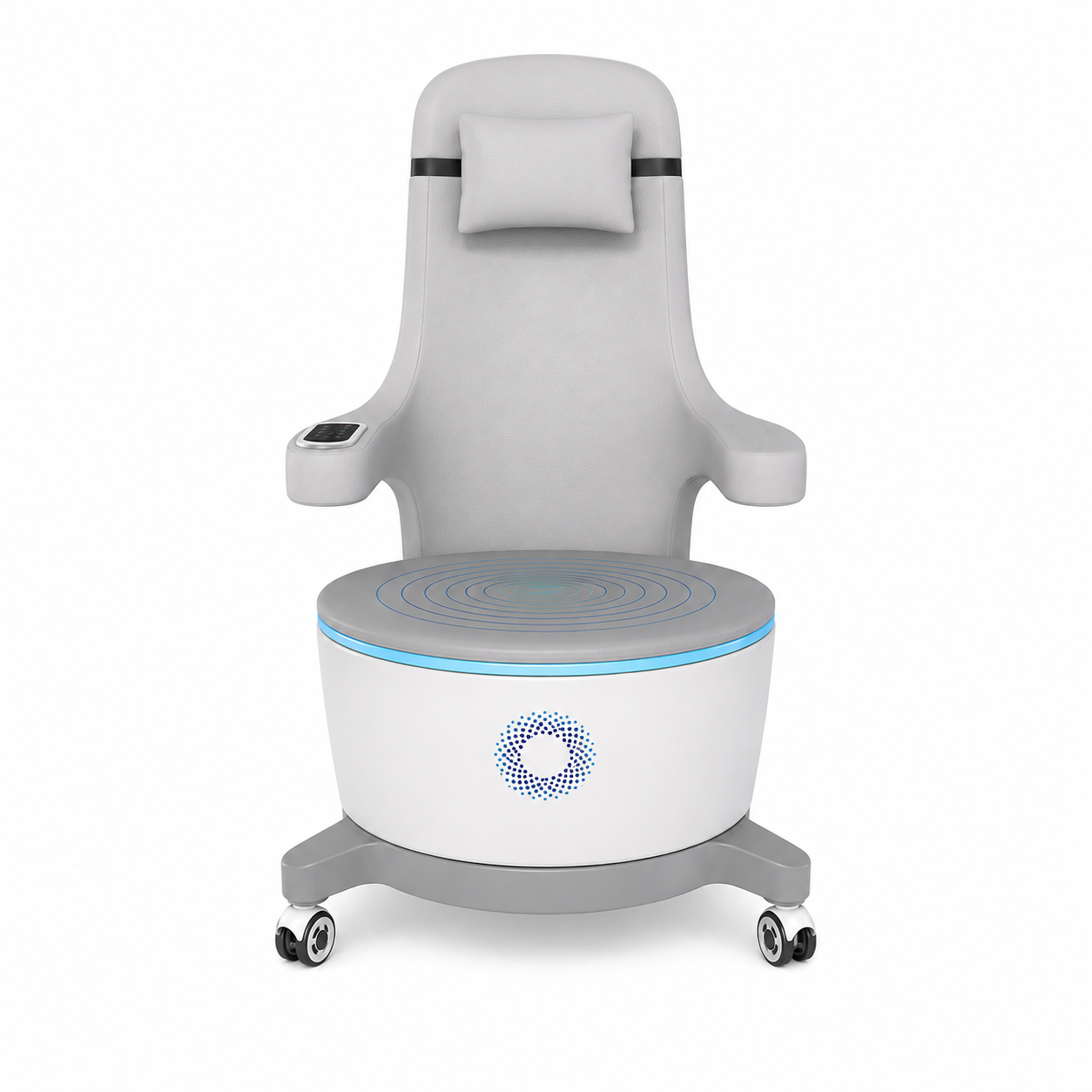
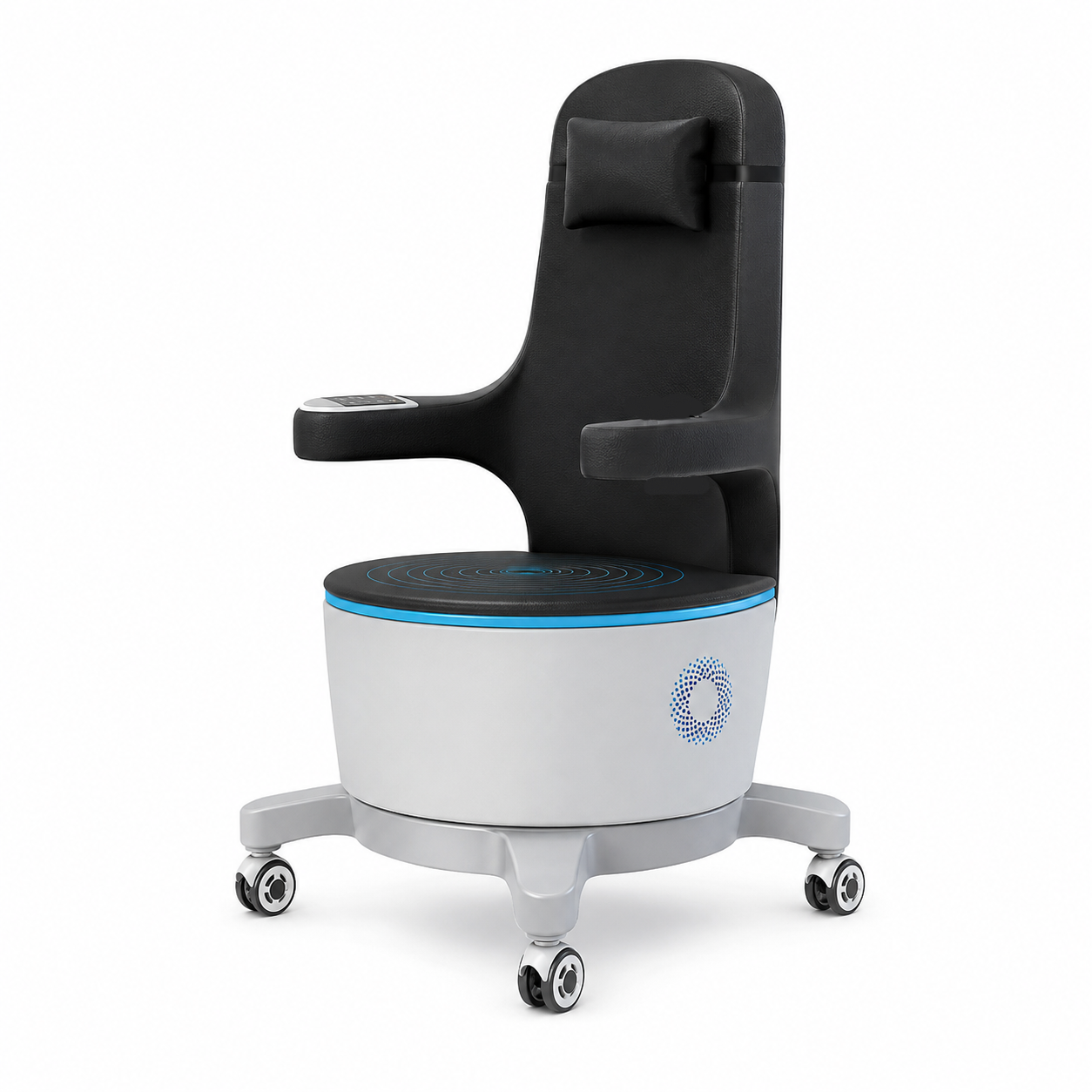
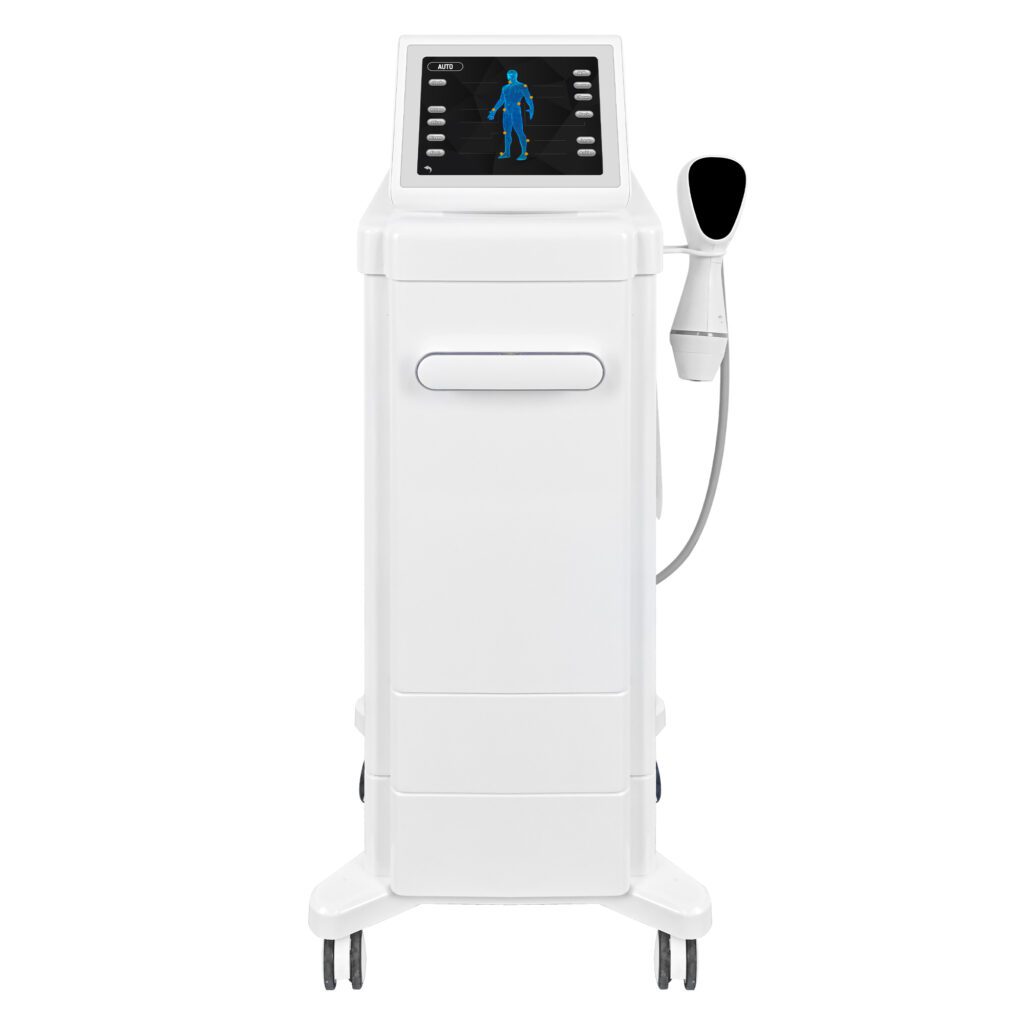
Dispositivi come il sistema elettromagnetico per il sollievo dal dolore PMST NEO sono progettati per fornire una stimolazione controllata con il minimo disagio.
https://shefmon.com/product/a0271e-pmst-neo-electromagnetic-pain-relief-treatment/
3.2 Partecipazione attiva alla terapia fisica tradizionale
La fisioterapia tradizionale richiede un coinvolgimento attivo, che includa esercizi e allenamento del movimento. Sebbene questa partecipazione sia essenziale per il recupero funzionale, può causare disagio temporaneo, soprattutto nelle fasi iniziali della riabilitazione.
4. Ambito del trattamento e applicazioni cliniche
4.1 Condizioni comunemente trattate dalla terapia fisioterapica magneto
La fisiomagnetoterapia è spesso utilizzata come parte di programmi di gestione del dolore e riabilitazione per disturbi muscoloscheletrici, rigidità articolare, recupero post-infortunio e patologie croniche. Viene comunemente applicata come modalità di supporto piuttosto che come soluzione a sé stante.
4.2 Condizioni meglio gestite dalla terapia fisica tradizionale
La fisioterapia tradizionale è efficace nel ripristinare gli schemi motori, migliorare la forza muscolare e riqualificare la coordinazione. È essenziale per la riabilitazione dopo interventi chirurgici, lesioni neurologiche o disfunzioni muscoloscheletriche che richiedono una rieducazione attiva.
5. Efficienza del trattamento e considerazioni temporali
5.1 Struttura della sessione nella magnetoterapia
Le sedute di magnetoterapia fisioterapica sono in genere standardizzate, con durate e intensità predefinite. Questa coerenza consente alle cliniche di gestire in modo efficiente il flusso dei pazienti, offrendo al contempo esperienze di trattamento prevedibili.
5.2 Dipendenza dal terapista nella terapia fisica tradizionale
La fisioterapia tradizionale dipende fortemente dalla competenza e dalla disponibilità del terapista. Ogni seduta richiede una supervisione diretta, il che può limitare la scalabilità e aumentare il carico di lavoro in ambienti clinici affollati.
6. Personalizzazione e pianificazione del trattamento
6.1 Regolazione dei parametri nei sistemi di magnetoterapia
Le apparecchiature avanzate per magnetoterapia fisioterapica consentono ai professionisti di regolare frequenza, intensità e durata del trattamento. Questa flessibilità favorisce un'assistenza personalizzata, mantenendo protocolli standardizzati per tutti i pazienti.
6.2 Programmi di esercizi personalizzati in terapia fisica
La fisioterapia tradizionale offre programmi di esercizi altamente personalizzati, adattati ai progressi del paziente. Sebbene questa personalizzazione sia vantaggiosa, richiede una valutazione continua e il coinvolgimento del terapista.
7. Integrazione e uso complementare
7.1 Combinazione di entrambi gli approcci
Invece di considerare la magnetoterapia e la fisioterapia tradizionale come metodi concorrenti, molte cliniche integrano entrambe. La magnetoterapia può essere utilizzata per ridurre il dolore e migliorare il comfort, consentendo ai pazienti di partecipare in modo più efficace alle sedute di fisioterapia attiva.
7.2 Ottimizzazione dei risultati della riabilitazione
Un approccio combinato spesso porta a una migliore compliance del paziente, a una progressione più fluida del recupero e a risultati riabilitativi più completi.
Conclusione
La fisiomagnetoterapia e la fisioterapia tradizionale rappresentano due approcci distinti ma complementari alla riabilitazione. La fisiomagnetoterapia offre una stimolazione elettromagnetica non invasiva e confortevole che favorisce il sollievo dal dolore e il recupero, mentre la fisioterapia tradizionale offre tecniche attive e manuali essenziali per il ripristino del movimento e della funzionalità. Comprendere le loro differenze consente a medici e pazienti di selezionare o combinare i trattamenti in base a esigenze specifiche, fasi di recupero e obiettivi terapeutici. Se integrati in modo ponderato, entrambi gli approcci possono svolgere un ruolo prezioso nei moderni programmi di riabilitazione.