









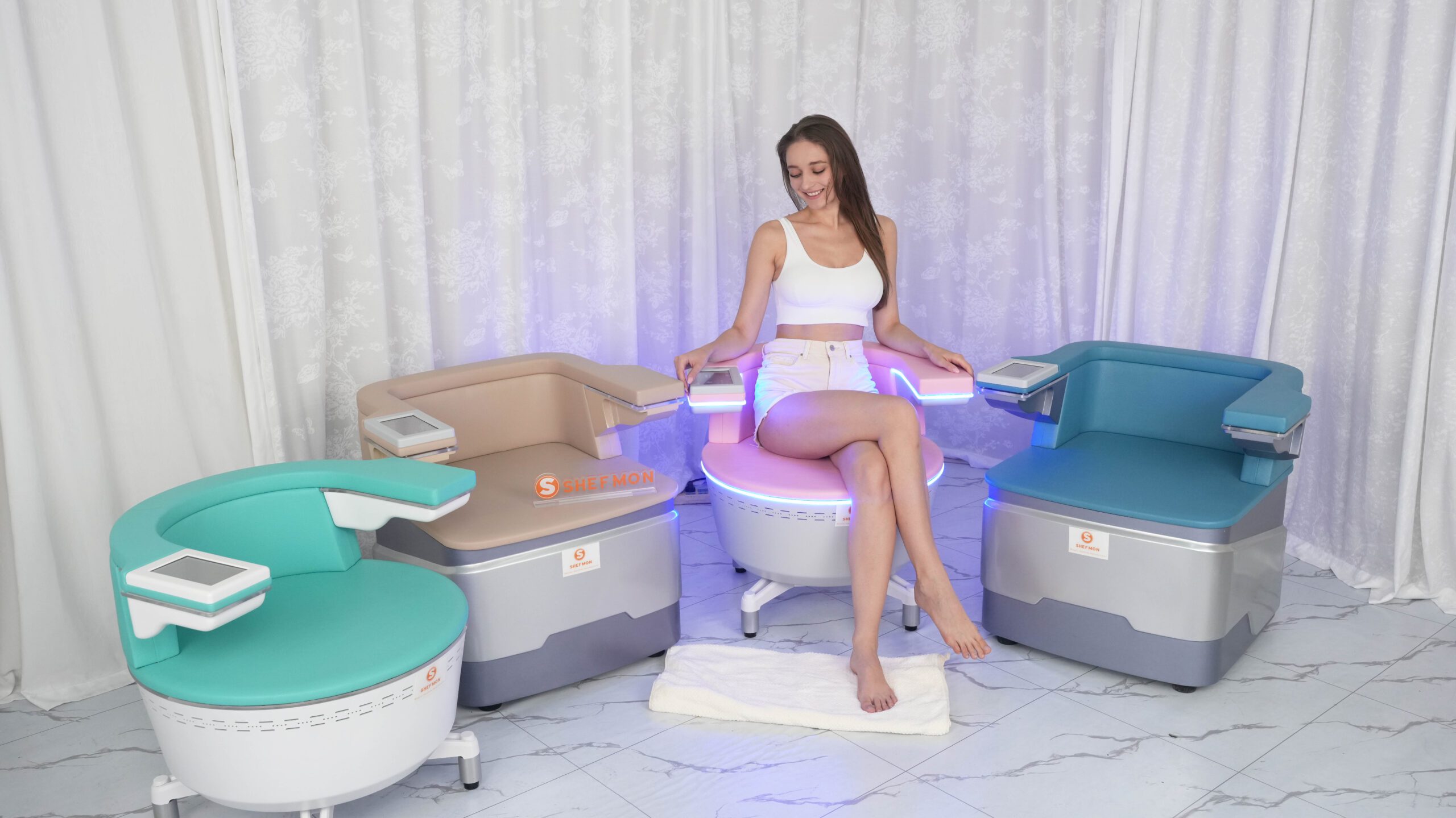
Improved Urinary Incontinence: Advanced Solutions for Long-Term Pelvic Health
Urinary incontinence isn’t just a medical issue—it’s a confidence issue, a lifestyle issue, and for many people, a silent struggle. If you’ve ever worried about laughing too hard, sneezing in public, or making a quick dash to the restroom, you’re not alone. The good news? Modern technology has transformed how we improve urinary incontinence, making treatment easier, safer, and far more effective than ever before.
Let’s break it down in plain English and explore how advanced EMS pelvic floor technology is changing lives.
Understanding Urinary Incontinence
What Is Urinary Incontinence?
Urinary incontinence is the involuntary leakage of urine. It can range from occasional leaks to complete loss of bladder control. While it’s common, it’s definitely not something you “just have to live with.”
Common Types of Urinary Incontinence
Stress Incontinence
Leaks happen when pressure is placed on the bladder—think coughing, sneezing, or lifting something heavy.
Urge Incontinence
A sudden, intense urge to urinate followed by leakage. It feels like your bladder hits the panic button.
Mixed Incontinence
A combination of stress and urge incontinence, often seen in postpartum and aging individuals.
Why Urinary Incontinence Is More Common Than You Think
Postpartum Changes and Pelvic Floor Weakness
Pregnancy and childbirth stretch and weaken pelvic floor muscles. Even years later, those muscles may never fully recover without proper intervention.
Aging, Hormones, and Lifestyle Factors
Hormonal changes, sedentary habits, obesity, and even high-impact sports can all contribute to pelvic floor dysfunction.
The Pelvic Floor Explained (In Simple Terms)
Pelvic Floor Muscles as a “Hammock”
Imagine a hammock holding your bladder, uterus, and bowel in place. That’s your pelvic floor.
What Happens When This Hammock Weakens
When the hammock sags, organs lose support. The result? Leaks, reduced control, and discomfort.
Traditional Treatments vs. Modern Technology
Pelvic Floor Exercises (Kegels)
Kegels help—but only if done correctly and consistently. Many people unknowingly do them wrong.
Medication and Surgery Limitations
Medications can cause side effects, and surgery is invasive, expensive, and not always successful.
How EMS Technology Improves Urinary Incontinence
What Is Electromagnetic Muscle Stimulation (EMS)?
EMS uses focused electromagnetic energy to trigger deep, involuntary pelvic floor muscle contractions—far stronger than what you can achieve on your own.
Why EMS Is More Effective Than Manual Exercise
One EMS session can equal thousands of perfectly performed Kegels. No guessing. No effort.
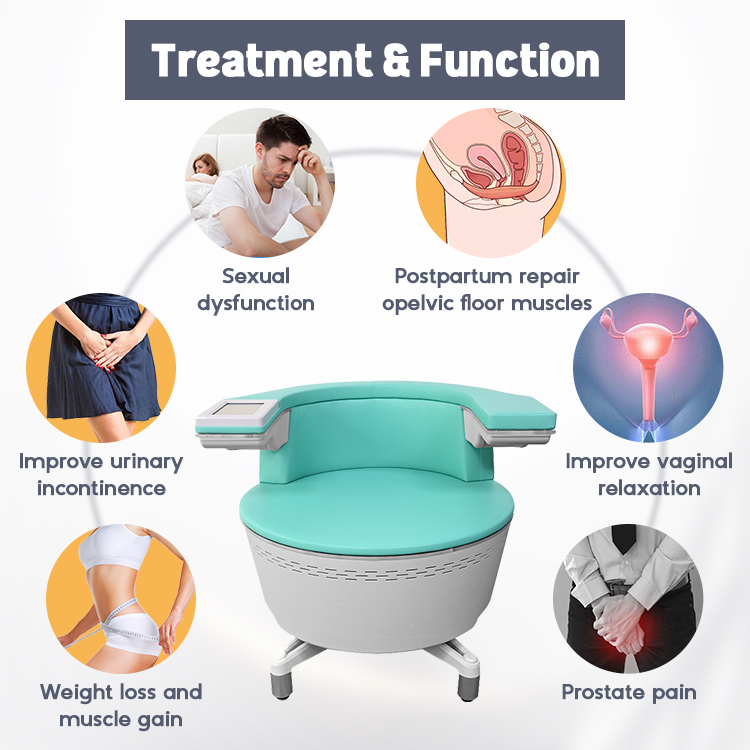
SHEFMON EMS Pelvic Floor Chair – A Game Changer
Non-Invasive, Fully Clothed Treatment
Patients simply sit on the chair. No needles. No downtime. No embarrassment.
High-Intensity Muscle Contractions
The chair stimulates deep pelvic muscles, rebuilding strength and control from the inside out.
Product Spotlight – SHEFMON E0435 EMS Pelvic Floor Chair
Designed for Postpartum Recovery
This model is ideal for women after childbirth, helping restore muscle tone and bladder control safely.
Key Benefits for Urinary Incontinence
Improved bladder control
Strengthened pelvic muscles
Faster postpartum recovery
Non-surgical and pain-free
Product Spotlight – SHEFMON E0436 EMS Pelvic Floor Rehabilitation Chair
Clinical-Grade Muscle Re-education
Designed for clinics and rehab centers, this model offers powerful, adjustable stimulation.
Suitable for Clinics and Rehab Centers
Perfect for physiotherapy clinics, women’s health centers, and medical spas.
Treatment Experience: What Patients Can Expect
Session Duration and Frequency
Each session lasts about 28–30 minutes. Most patients see results after 4–6 sessions.
Sensation During Treatment
It feels like strong muscle contractions—intense but comfortable. Many patients scroll their phones during treatment.
Real Results: How EMS Improves Bladder Control
Strengthened Pelvic Muscles
Stronger muscles mean better support for the bladder.
Improved Neuromuscular Control
EMS retrains muscle-brain communication, restoring natural control.
Who Is the Ideal Candidate?
Postpartum Women
Especially effective for women dealing with leaks after childbirth.
Aging Adults and Athletes
Great for anyone experiencing pelvic floor weakness due to age or physical strain.
Combining Pelvic Floor Therapy with Skin & Scar Treatments
Why Confidence Goes Beyond Bladder Control
True confidence is holistic—feeling good inside and out.
Product Spotlight – CO2 Fractional Laser for Scar & Skin Repair
How CO2 Laser Improves Skin Texture
The 10600nm CO2 fractional laser stimulates collagen, improving scars, wrinkles, and skin tone.
Acne Scar and Post-Surgical Skin Renewal
Ideal for clinics offering comprehensive rejuvenation solutions alongside pelvic health treatments.
Why Clinics Choose SHEFMON Medical Aesthetic Equipment
OEM & ODM Customization
From branding to system configuration, SHEFMON supports full customization.
Global Quality Standards
Trusted worldwide for safety, performance, and long-term reliability.
Long-Term Benefits of Advanced Incontinence Treatment
Improved Quality of Life
No more planning life around bathrooms.
Confidence in Daily Activities
Laugh, run, and live freely again.
Conclusion
Improving urinary incontinence is no longer about discomfort, guesswork, or invasive procedures. With advanced EMS pelvic floor chairs from SHEFMON, patients and clinics now have access to safe, effective, and non-invasive solutions that truly work. Combined with advanced aesthetic technologies like CO2 fractional lasers, modern clinics can deliver complete wellness—inside and out.
Frequently Asked Questions (FAQs)
1. Is EMS pelvic floor treatment safe?
Yes, it is clinically proven, non-invasive, and widely used worldwide.
2. How soon can results be seen?
Many patients notice improvement after just a few sessions.
3. Is the treatment painful?
No. It feels like strong muscle contractions but remains comfortable.
4. Who should avoid EMS treatment?
People with pacemakers or metal implants should consult a doctor first.
5. Can clinics combine EMS with aesthetic treatments?
Absolutely. Many clinics pair EMS with CO2 laser treatments for holistic care.