










Pigmentation on the face can feel like that one stubborn guest who just won’t leave. You try creams, home remedies, and filters, yet those dark patches stare right back at you in the mirror. The big question everyone asks is: Can facial pigmentation really be removed permanently? The short answer—yes, but only if you do it the right way. Let’s break it all down in simple, human language.
Understanding Facial Pigmentation
What Is Facial Pigmentation?
Facial pigmentation happens when your skin produces excess melanin, the pigment responsible for skin color. When melanin goes into overdrive, it settles unevenly, creating dark spots, patches, or uneven tone—mostly on areas exposed to the sun like cheeks, forehead, and upper lip.
Common Types of Pigmentation
Melasma
Often triggered by hormones and sun exposure, melasma looks like brown or grayish patches and is common in women.
Sunspots (Age Spots)
Years of sun exposure show up as flat dark spots, especially after age 30.
Post-Inflammatory Hyperpigmentation
Those dark marks left behind after acne, burns, or cuts? That’s PIH.
Why Pigmentation Appears on the Face
Your face gets the most sunlight, pollution, and product experimentation. Combine that with hormones, stress, and genetics—it’s a perfect storm for pigmentation.
What Causes Pigmentation to Become Permanent
UV Exposure and Sun Damage
Sun exposure is the biggest villain here. UV rays stimulate melanin production, making pigmentation darker and harder to fade.
Hormonal Imbalance
Pregnancy, birth control pills, thyroid issues—hormones play a huge role, especially in melasma.
Acne, Injury, and Skin Trauma
Picking acne or aggressive treatments can leave marks that linger for years.
Genetics and Skin Type
Some people are simply more prone to pigmentation due to their genetic makeup.
Can Pigmentation Be Removed Permanently?
The Truth About “Permanent” Results
Pigmentation can be removed long-term, but permanent only works if you prevent it from coming back. Think of it like weight loss—results last if habits change.
Factors That Affect Long-Term Success
Consistent sun protection
Correct treatment choice
Maintenance skincare
Lifestyle habits
Daily Skincare Habits That Prevent Pigmentation
Importance of Sunscreen
If you do nothing else, wear sunscreen. Every. Single. Day. SPF 30+ is non-negotiable—even indoors.
Gentle Cleansing and Exfoliation
Over-scrubbing damages skin and worsens pigmentation. Gentle exfoliation 1–2 times a week is enough.
Moisturizing and Barrier Repair
Healthy skin heals faster. A strong barrier prevents melanin overproduction.
Natural Remedies for Facial Pigmentation
Aloe Vera for Skin Repair
Aloe vera contains aloin, which can help lighten pigmentation with consistent use.
Turmeric and Honey Masks
Turmeric reduces inflammation, while honey hydrates and heals.
Lemon, Potato, and Rice Water
They may brighten slightly but can irritate sensitive skin.
Limitations of Natural Treatments
Natural remedies help mild pigmentation, but deep or hormonal pigmentation needs stronger solutions.
Topical Treatments That Work
Vitamin C Serums
Brightens skin, reduces dark spots, and boosts collagen.
Niacinamide and Alpha Arbutin
These ingredients regulate melanin production safely.
Retinoids for Cell Turnover
Retinoids speed up skin renewal, fading pigmentation over time.
Chemical Exfoliants (AHA, BHA)
They remove dead skin and encourage even tone when used correctly.
Professional Dermatological Treatments
Chemical Peels
Medium to deep peels remove pigmented layers effectively.
Laser Treatment for Pigmentation
Lasers break melanin clusters beneath the skin for dramatic results.
IPL (Intense Pulsed Light)
Great for sunspots and uneven tone.
Microneedling with Serums
Creates microchannels to boost absorption of brightening ingredients.
Advanced Aesthetic Technologies for Pigmentation Removal
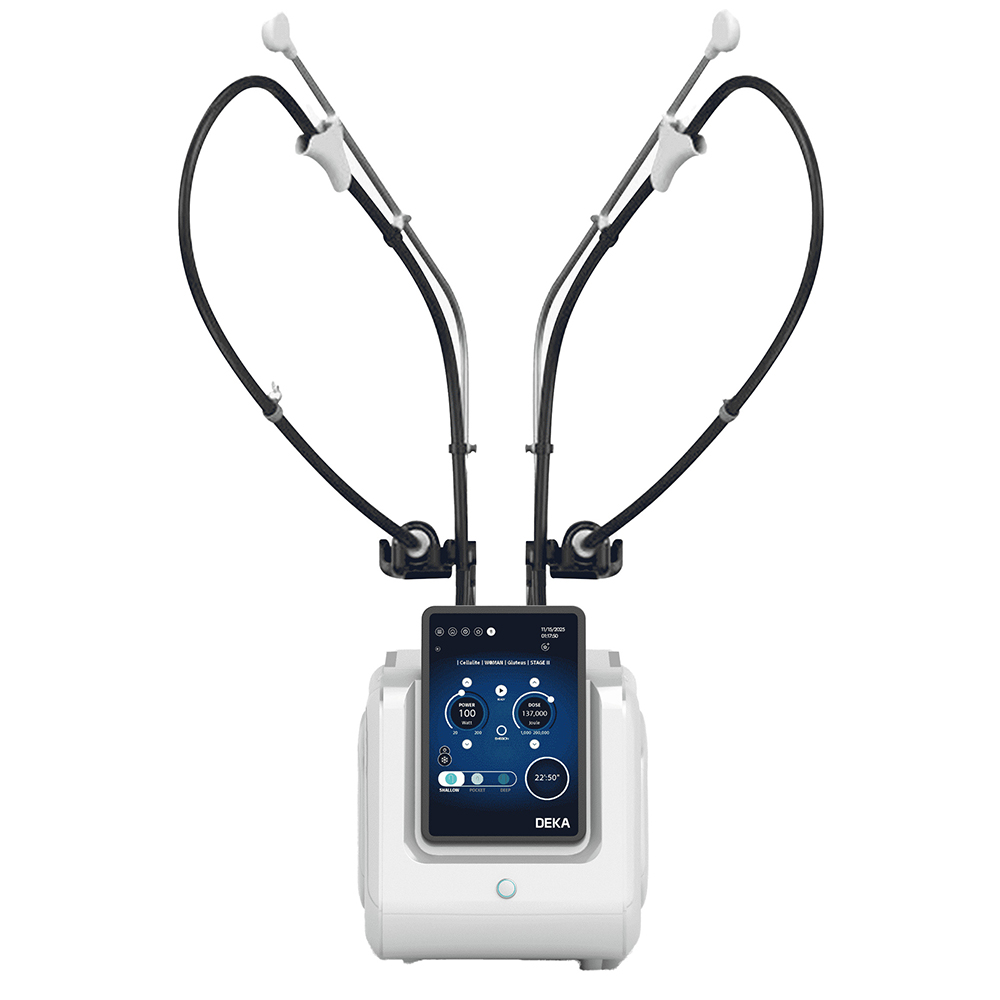
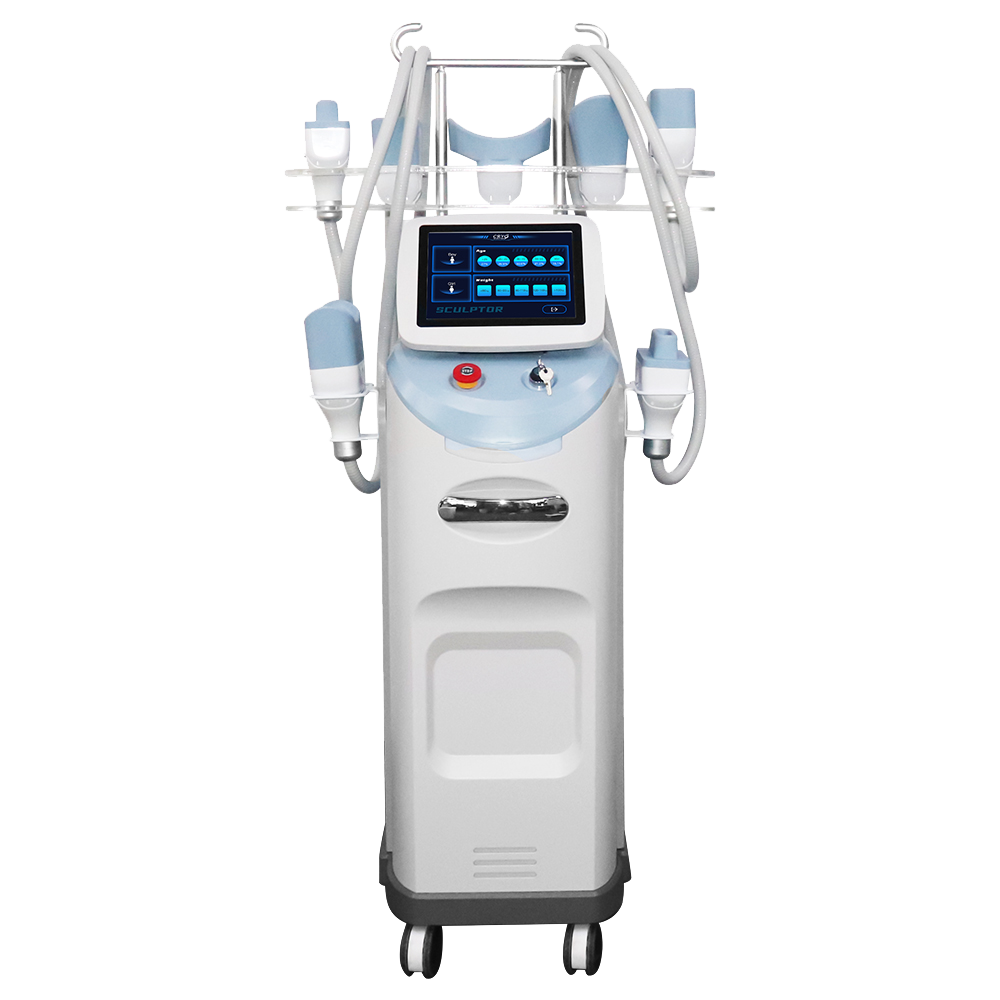
Modern clinics now use combination technologies like laser, RF, and hydrafacial systems to treat pigmentation more safely and effectively. These treatments not only target dark spots but also improve overall skin quality—texture, hydration, and elasticity—making results last longer.
How Long Does It Take to See Results?
Short-Term vs Long-Term Improvements
Some treatments show results in weeks, others take months. Consistency is key.
Maintenance and Follow-Up Care
Without sunscreen and proper skincare, pigmentation can return—even after lasers.
Lifestyle Changes to Prevent Pigmentation
Diet for Clear Skin
Antioxidant-rich foods like berries, leafy greens, and nuts protect skin from within.
Sleep, Stress, and Hormone Balance
Poor sleep and stress increase inflammation, triggering pigmentation.
Avoiding Triggers
Heat, harsh products, and sun exposure can undo your progress.
Common Mistakes That Worsen Pigmentation
Over-Exfoliation
More is not better—it damages skin.
Skipping Sunscreen
This single mistake ruins all treatments.
Using Harsh Home Remedies
DIY hacks can burn skin and darken pigmentation.
Pigmentation Removal for Different Skin Types
Oily and Acne-Prone Skin
Needs non-comedogenic brightening products.
Dry and Sensitive Skin
Focus on barrier repair before active treatments.
Darker Skin Tones
Require gentle, professional treatments to avoid rebound pigmentation.
Myths About Facial Pigmentation
Pigmentation Can Be Removed Overnight
False. Real results take time.
Natural Means Risk-Free
Natural doesn’t always mean safe.
Lasers Thin the Skin
Modern lasers stimulate collagen instead of damaging skin.
When to See a Dermatologist
Signs You Need Professional Help
Pigmentation worsening
No improvement after 3–4 months
Hormonal or deep patches
Choosing the Right Treatment Plan
A customized plan always works better than random products.
Future of Pigmentation Treatments
AI-Based Skin Analysis
Technology now analyzes pigmentation depth and type for personalized treatment.
Personalized Skincare Technology
Customized serums and devices are shaping the future of clear skin.
Conclusion
Removing pigmentation from the face permanently isn’t about one miracle product—it’s about consistency, protection, and choosing the right treatment. With proper skincare, professional guidance, and lifestyle changes, clear and even-toned skin isn’t a dream—it’s achievable. Treat your skin like a long-term investment, and it will pay you back with confidence.
FAQs
1. Can pigmentation be removed permanently from the face?
Yes, with proper treatment and strict sun protection, pigmentation can be removed long-term.
2. Which treatment works fastest for pigmentation?
Laser and chemical peels offer the fastest visible results.
3. Does pigmentation always come back?
It can, if sun protection and maintenance are ignored.
4. Are home remedies enough to remove pigmentation?
Only for mild cases. Deep pigmentation needs professional care.
5. How long does pigmentation treatment take?
Anywhere from a few weeks to several months, depending on severity.