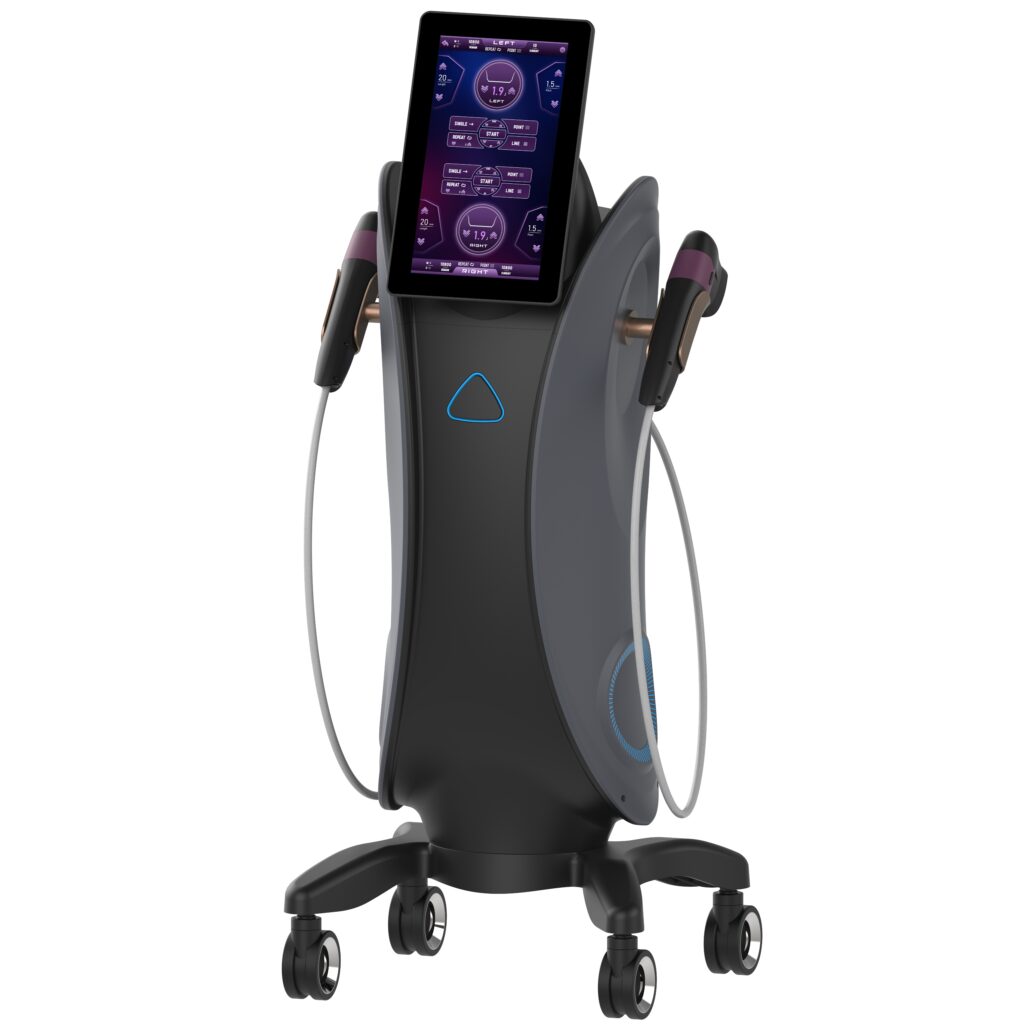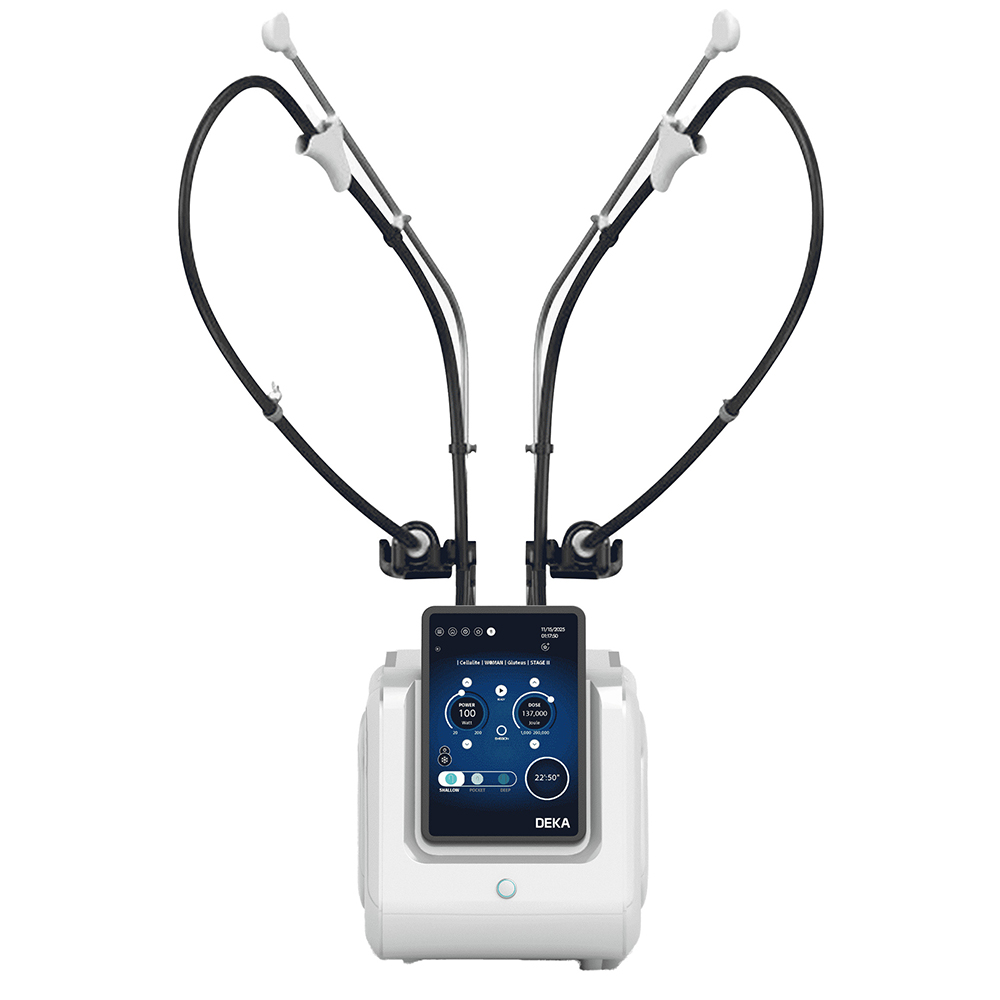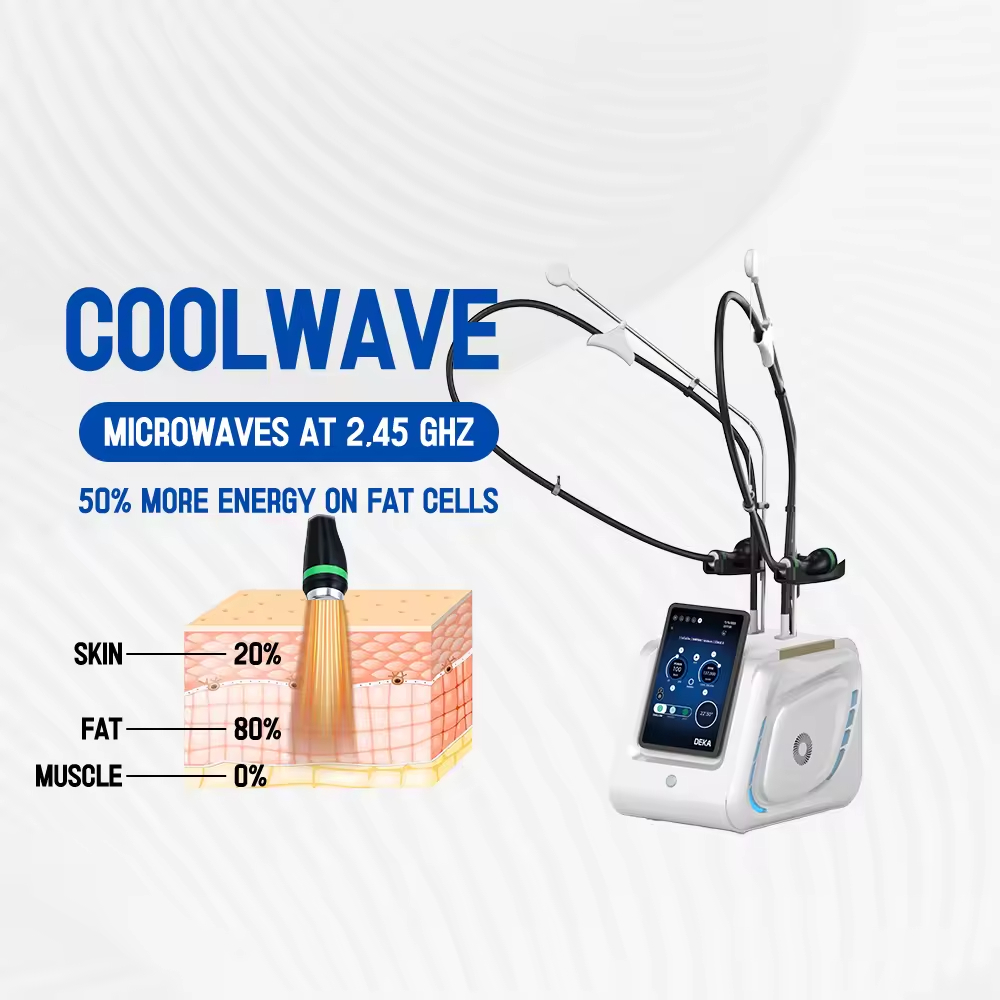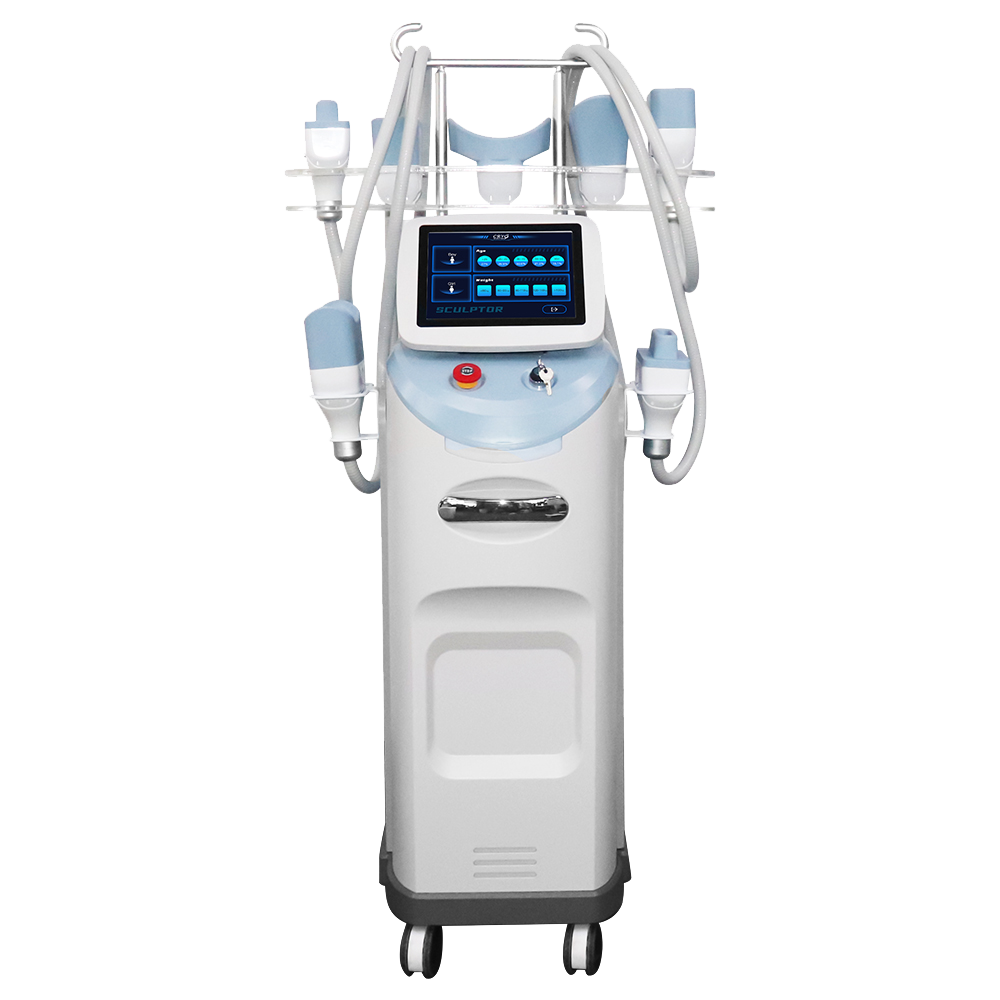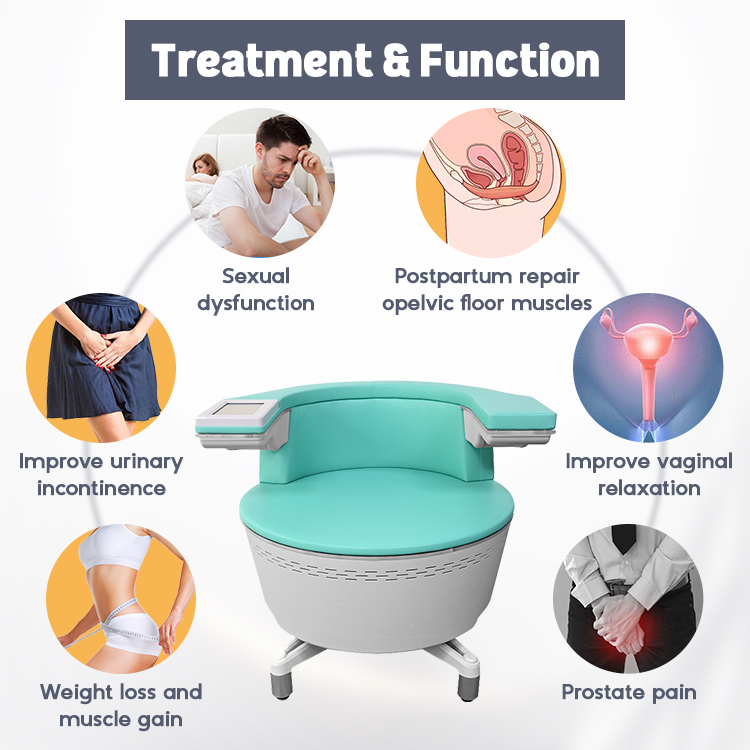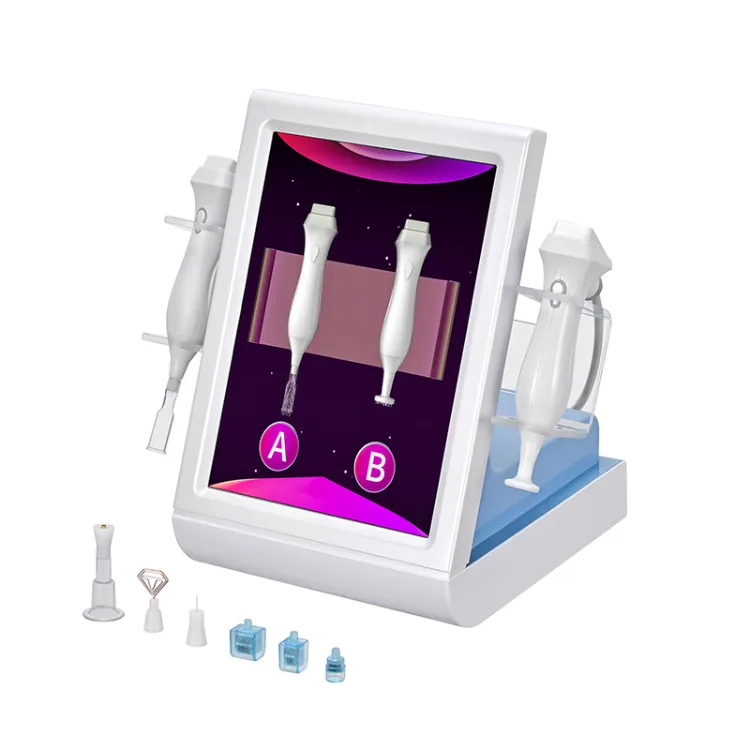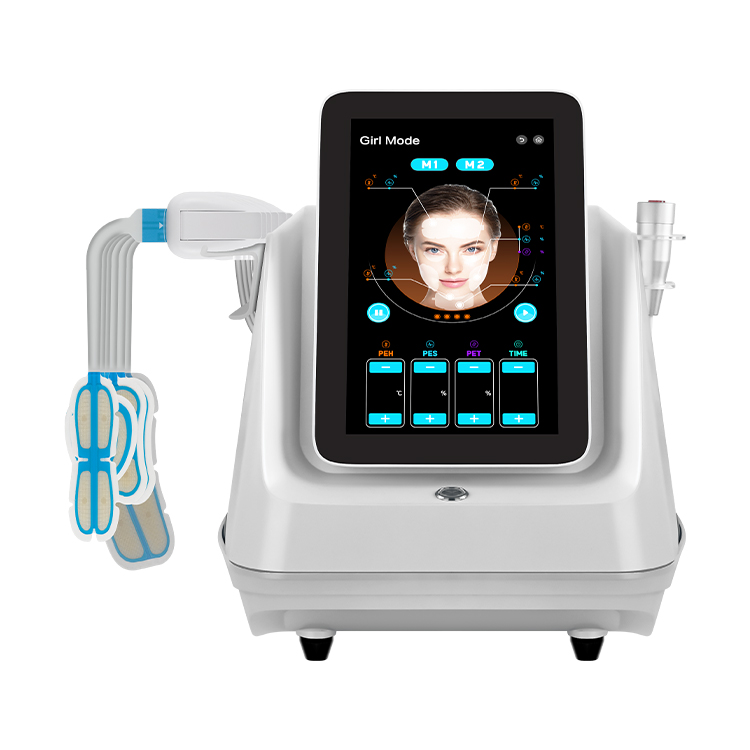










In the competitive beauty equipment industry, maintaining consistent product quality is essential for building trust and long-term partnerships. Shefmon has developed a comprehensive quality control (QC) system that ensures every device meets strict safety, performance, and reliability standards. From raw material inspection to final product testing, each step is carefully monitored to deliver high-quality aesthetic equipment that meets global certification requirements.

1. Overview of Shefmon’s Quality Control System
Shefmon’s QC system is built on a multi-stage inspection process covering incoming materials, production, assembly, and final shipment. Each stage is managed by experienced QC personnel and supported by professional testing equipment. With clearly defined inspection standards and exception handling procedures, the company ensures that defects are identified early and resolved efficiently.
1.1 Experienced QC Team Structure
The QC team consists of trained inspectors and engineers with years of experience in different stages of production. From circuit board inspection to final product testing, each team member plays a critical role in maintaining product consistency. Their expertise allows for both full inspections and random checks to ensure accuracy without slowing down production efficiency.
1.2 Advanced Inspection Equipment
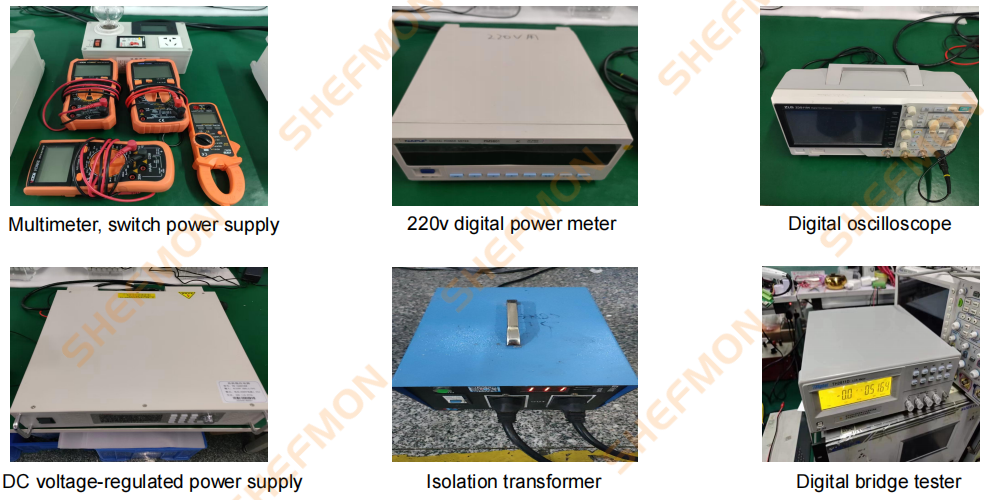
To ensure precise testing, Shefmon uses professional tools such as multimeters, oscilloscopes, digital power meters, and isolation transformers. These instruments allow accurate measurement of electrical performance, stability, and safety, ensuring every device meets strict technical standards.
2. Incoming Quality Control: Raw Material Inspection
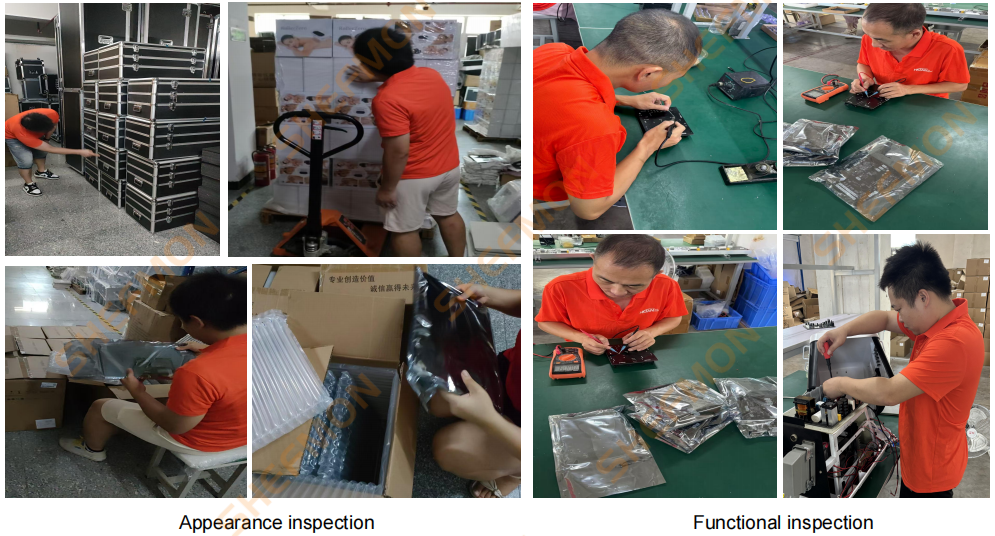
The first step in Shefmon’s QC process is incoming quality control (IQC), where all raw materials are carefully inspected before entering production.
2.1 Inspection Content
Raw materials such as plastic components, metal parts, and electronic elements undergo thorough checks. Inspectors evaluate appearance, ensuring no scratches, rust, or deformation. Key parameters like motor speed and sensor accuracy are also tested to confirm compliance with design specifications.
2.2 Inspection Methods and Standards
Visual inspections are combined with equipment-based testing to verify both appearance and functionality. Materials must meet strict criteria, including flawless surfaces, intact packaging, and parameter deviations within ±5% of design requirements.
2.3 Exception Handling
If materials fail inspection, they are immediately isolated and returned to suppliers. Any parameter inconsistencies are documented and reported to the procurement team for further action, ensuring that only qualified materials proceed to production.
3. In-Process Quality Control: Production Monitoring
Once materials pass inspection, Shefmon implements in-process quality control (IPQC) to monitor production and assembly stages.
3.1 Circuit Board Testing
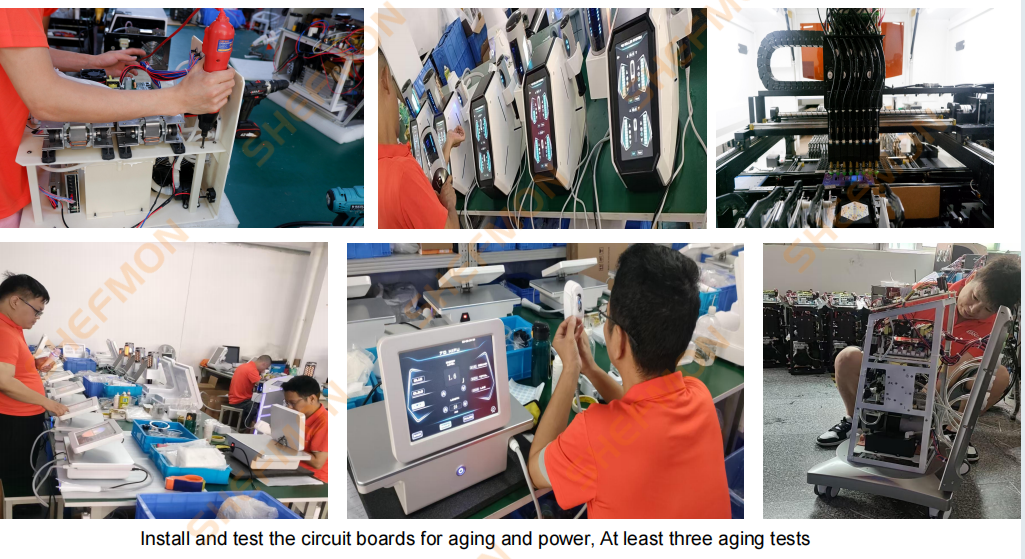
Circuit boards undergo 100% full inspection, including functionality testing and random engineering checks. This ensures that all electronic systems perform reliably before integration into the final product.
3.2 Assembly Process Inspection
During assembly, inspectors focus on critical aspects such as glue application, cable management, and structural safety. For example, glue must be evenly applied without bubbles, and wiring must maintain proper separation distances (≥3mm) to ensure safety and durability.
3.3 Structural and Component Matching
Each component is checked for proper alignment and secure connection. Loose fittings or mismatched parts are not allowed, ensuring the final device operates smoothly and safely.
3.4 Exception Handling in Production
If defects are found during production, the product is returned to the previous stage for rework. In cases of structural issues, production may be paused to identify and resolve root causes, preventing repeated errors.
4. Final Product Quality Control: Comprehensive Testing
After assembly, products enter the final quality control (FQC) stage, where both appearance and functionality are rigorously tested.
4.1 Appearance and Durability Testing
Finished products are evaluated for paint quality, color consistency, and surface integrity. Tests such as the grid adhesion test and friction resistance test ensure coatings meet durability standards.
4.2 Functional Performance Testing
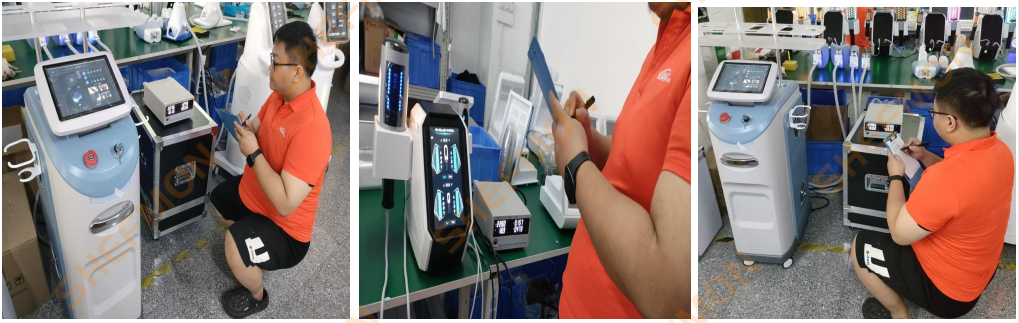
Each machine is powered on and tested for at least 30 minutes to verify stable operation. Inspectors check key functions such as mode switching, responsiveness, and output consistency, ensuring parameter fluctuations remain within ±2%.
4.3 Safety Testing
Safety is a top priority. Devices undergo waterproof testing, leakage protection checks, and grounding resistance tests (≤0.1Ω). These tests ensure compliance with international safety standards.
4.4 Packaging and Accessories Inspection
Before shipment, products are checked for complete accessories, proper packaging, and accurate labeling. Instructions, chargers, and all components must match the packing list to ensure customer satisfaction.
5. Shipping Quality Control: Final Verification
Before leaving the factory, products undergo an additional layer of inspection in the shipping department.
5.1 Continuous Testing
Devices are subjected to continuous operation testing for up to 24 hours to ensure stability during extended use. This step helps identify any hidden defects that may not appear during shorter tests.
5.2 Appearance and Function Recheck
Final checks include both visual inspection and functional verification, ensuring that products arrive in perfect condition and perform as expected upon delivery.
6. Certification and Compliance Standards
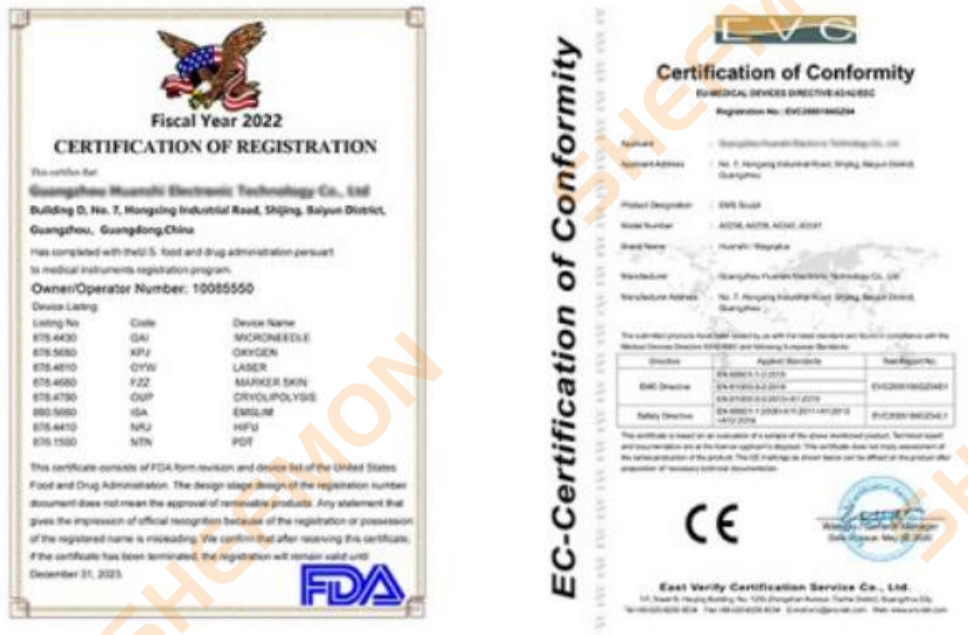
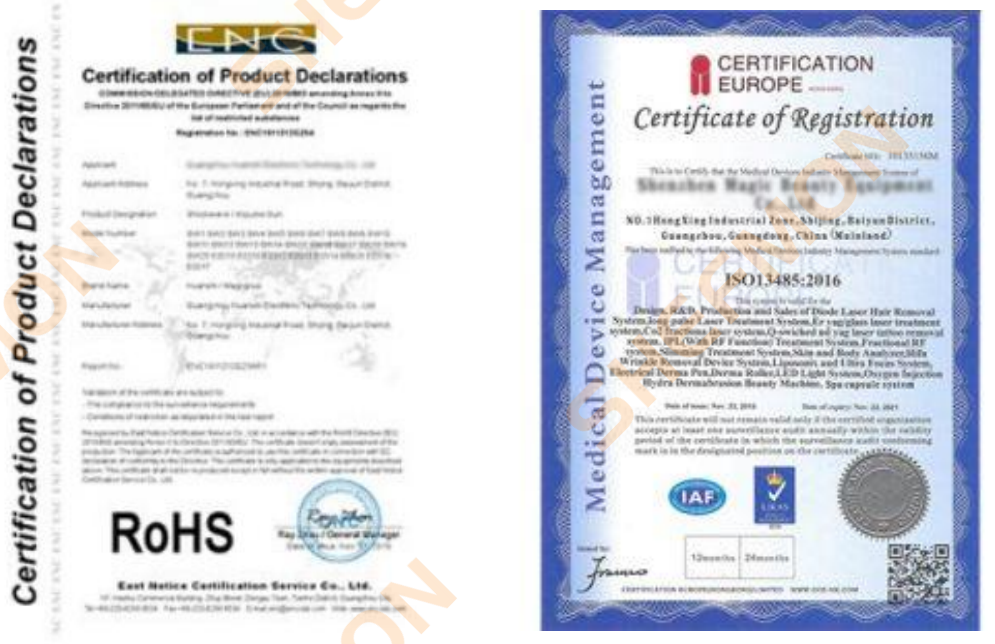
Shefmon’s QC system aligns with internationally recognized certifications, including FDA, CE, RoHS, and ISO 13485:2016. These certifications demonstrate compliance with global safety, environmental, and medical device standards, reinforcing the company’s commitment to quality and reliability.
7. Continuous Improvement and Defect Management
Quality control at Shefmon is not static—it evolves through continuous improvement.
7.1 Defect Tracking and Analysis
All defects are recorded and analyzed to identify patterns and root causes. This data-driven approach helps improve processes and reduce future errors.
7.2 Feedback Loop
Feedback from QC teams, engineers, and customers is integrated into product development and production processes. This ensures ongoing optimization and higher product standards over time.
Conclusion
Shefmon’s comprehensive quality control system ensures that every product meets high standards from raw materials to final shipment. By combining strict inspection processes, experienced personnel, advanced equipment, and continuous improvement strategies, the company delivers reliable and safe beauty devices that meet global expectations and support long-term business success.
FAQ
1. Why is raw material inspection important in QC?
It ensures that only qualified materials enter production, preventing defects at the source and improving overall product quality.
2. What makes Shefmon’s QC system reliable?
A combination of full inspections, professional equipment, experienced staff, and strict standards ensures consistent and accurate quality control.
3. How does Shefmon handle defective products?
Defective items are isolated, recorded, and either reworked or rejected, depending on the severity of the issue.
4. What certifications does Shefmon comply with?
Shefmon follows international standards including FDA, CE, RoHS, and ISO 13485:2016, ensuring safety and compliance.
5. How does continuous testing improve product quality?
Extended operation tests help detect hidden issues, ensuring devices remain stable and reliable during real-world use.