










How Often Should I Get a HydraFacial? The Ultimate Guide to Glowing, Healthy Skin
HydraFacial is one of the most buzzed-about facial treatments today—and for good reason. It’s gentle, non-invasive, and delivers instant glow and long-term skin benefits. But the big question remains: How often should you really get a HydraFacial?
Let’s break it all down so you can create the perfect skincare schedule for your needs.
Understanding What a HydraFacial Is
How the Treatment Works
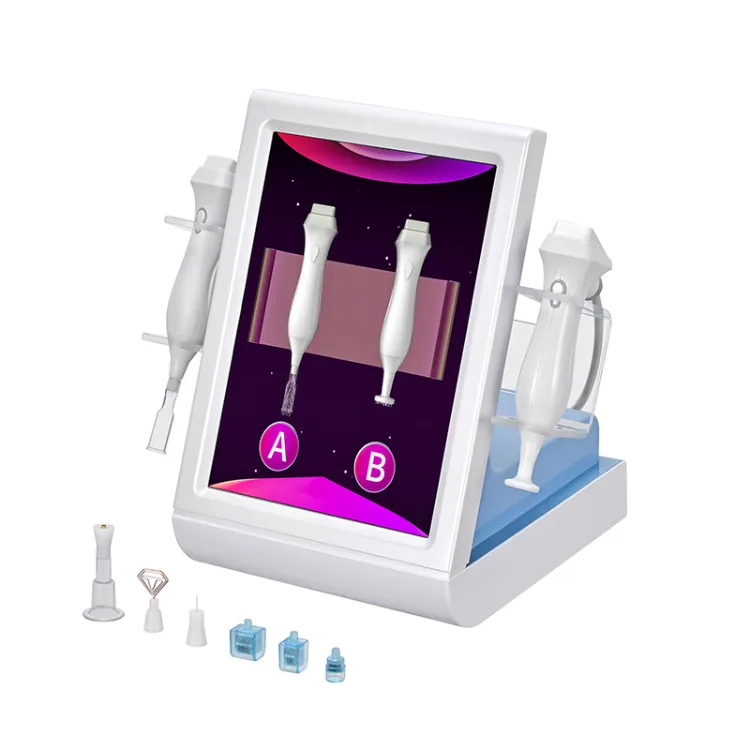
A HydraFacial uses a patented vortex technology to cleanse, exfoliate, extract, and deeply hydrate your skin—all in one session. Think of it as a facial, exfoliation, and hydration boost combined.
Key Steps in a HydraFacial
Cleansing
Gentle exfoliation
Painless suction extractions
Antioxidant & hyaluronic acid infusion
Who Can Benefit
Oily or acne-prone skin
Dry or dehydrated skin
Sensitive skin
Mature skin
Anyone needing a glow-up
Recommended Frequency of HydraFacial Treatments
Standard Recommendation: Once Every 4 Weeks
Most skincare professionals recommend getting a HydraFacial every 4–6 weeks.
Why Once a Month Is Ideal
Your skin naturally regenerates about every 28 days. So, monthly HydraFacials help:
Clear buildup
Refresh dull skin
Maintain hydration
Support healthy cell turnover
Skin Cycle Explanation
Your skin’s renewal cycle resets monthly. HydraFacials work best when aligned with this process.
How Often Should You Get a HydraFacial Based on Skin Type?
Oily or Acne-Prone Skin
Every 2–4 weeks.
Helps control oil, unclog pores, and reduce breakouts.
Dry or Dehydrated Skin
Every 4 weeks.
HydraFacial’s super-serums help plump and restore moisture.
Sensitive Skin
Every 4–6 weeks.
It’s gentle enough for sensitive skin, but spacing allows the barrier to stay strong.
Aging or Mature Skin
Every 3–4 weeks.
Keeps fine lines softened and boosts collagen production.
Situations Where You May Need More Frequent HydraFacials
Pre-Event Skincare
If you want glowing skin for a wedding, photoshoot, or big event, book one a week before.
Severe Congestion or Breakouts
You may benefit from a session every 2 weeks until the skin stabilizes.
Environmental Stress
Pollution, cold weather, or harsh sun exposure can increase the need for treatments.
When to Space Out HydraFacials
Signs of Over-Exfoliation
Redness
Burning sensation
Flaky skin
You may need to extend your treatments to every 6 weeks.
If Using Active Skincare
If you use retinol or strong acids, balance your exfoliation to avoid irritation.
Skin Healing Conditions
Rosacea flares, eczema, or sunburn? Let your skin recover first.
Benefits of Getting HydraFacials Regularly
Deep Hydration
Instant plumpness and dewy skin.
Smoother Texture
Improves roughness, bumps, and uneven tone.
Anti-Aging Benefits
Reduces fine lines, firms skin, and boosts elasticity.
Long-Term Skin Health
Consistent treatments keep your complexion balanced and refreshed.
What Happens If You Get HydraFacials Too Often?
Risks of Sensitivity
Overdoing it may leave your skin irritated.
Disruption of Skin Barrier
Your skin needs downtime between exfoliations to stay healthy.
How to Prevent Issues
Stick to a professional-guided schedule.
What to Expect During Each HydraFacial Session
Treatment Steps
Cleansing
Exfoliation
Extraction
Hydration boost
Results Timeline
Expect results immediately, with full radiance showing in 24–48 hours.
Aftercare Tips
Avoid retinol for 48 hours
Skip heavy workouts for a day
Hydrate well
HydraFacial Alternatives and Complementary Treatments
Treatments to Combine
LED light therapy
Microcurrent
Massage therapy
Gentler Alternatives
Oxygen facial
Enzyme facial
Advanced Options
Chemical peels
Microneedling
How to Maintain HydraFacial Results
At-Home Skincare
Hydrating serums
Vitamin C
Daily SPF
Lifestyle Habits
Stay hydrated and manage stress for healthier skin.
When to Seek Professional Advice
If your skin changes due to hormones, climate, or health, update your treatment schedule.
Final Tips for Creating a Personalized HydraFacial Plan
Consult Your Aesthetician
A pro can tailor the schedule to your skin’s needs.
Adjust for Seasons
Dry winters may require more hydration treatments.
Budgeting for Regular Facials
Plan monthly or seasonal sessions for best results.
Conclusion
HydraFacials are one of the best ways to maintain fresh, healthy, radiant skin all year long. While getting one every 4–6 weeks is ideal for most people, the perfect frequency really depends on your skin type, lifestyle, goals, and overall skin condition. With consistent treatments and good skincare habits, you can enjoy long-lasting glow and improved skin health.
FAQs
1. Can I get a HydraFacial every two weeks?
Yes—especially if you have oily or congested skin. But long-term, monthly treatments are ideal.
2. Is HydraFacial safe for sensitive skin?
Absolutely. It’s gentle and customizable.
3. How soon will I see results?
You’ll notice glowing, smooth skin immediately after the treatment.
4. Can HydraFacial help with acne?
Yes, it helps with clogged pores, oil control, and reducing active breakouts.
5. Is there downtime after a HydraFacial?
No downtime. You can return to normal activities right away.