




Muscle pain can feel like an uninvited guest that overstays its welcome. One day you’re lifting groceries, hitting the gym, or even sleeping wrong—and boom—your muscles protest. So, how do you relieve muscle pain effectively without turning your daily routine upside down? Let’s break it down in a simple, practical, and human way.
Understanding Muscle Pain
What Is Muscle Pain?
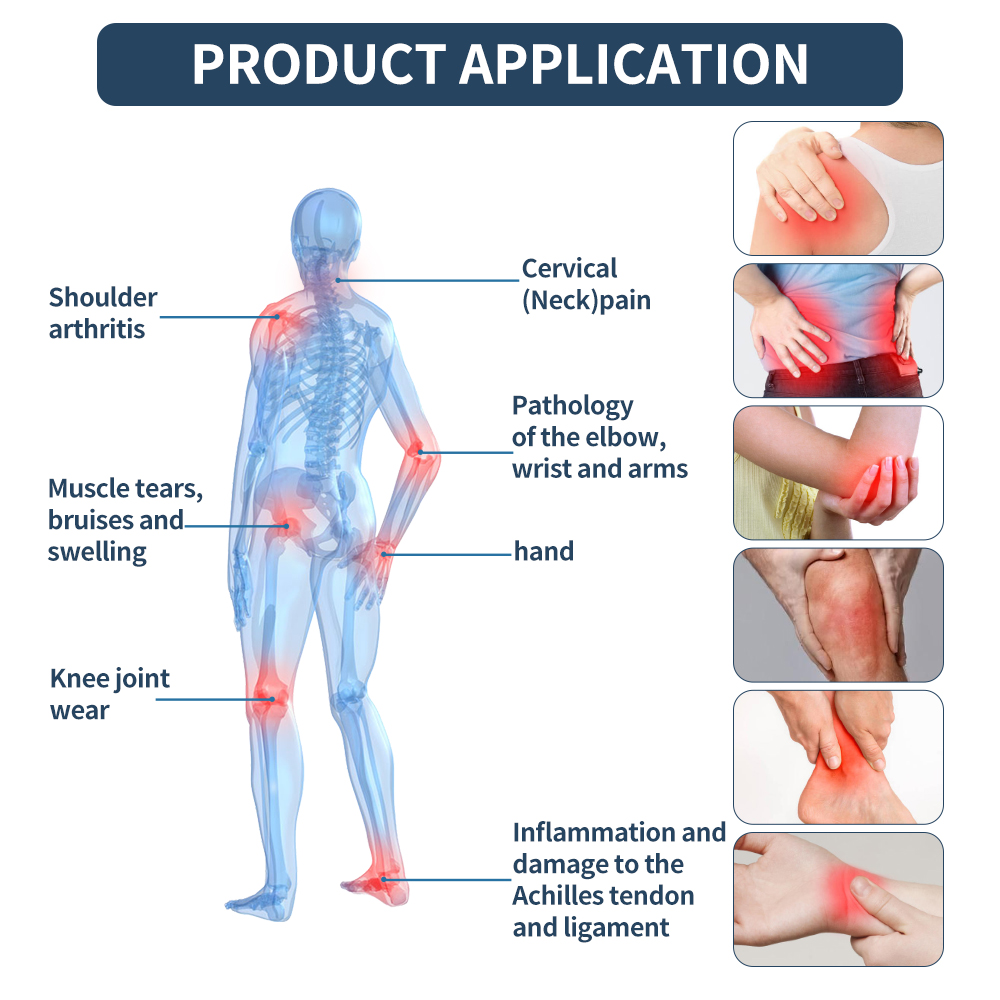
Muscle pain, also known as myalgia, is that aching, sore, or tight feeling you get in your muscles. Sometimes it’s mild and annoying; other times, it feels like your muscles are staging a full-blown rebellion.
Common Causes of Muscle Pain
Exercise and Overuse
Ever tried a new workout and couldn’t move the next day? That’s muscle pain saying, “Nice try.” Overuse or unfamiliar movements cause tiny muscle tears that lead to soreness.
Injury and Trauma
Strains, sprains, or direct impacts can trigger muscle inflammation and pain. Think of it as your body’s alarm system.
Poor Posture and Stress
Sitting all day hunched over a screen or carrying stress in your shoulders can quietly cause muscle pain over time.
Types of Muscle Pain
Acute Muscle Pain
This type comes on suddenly—often after exercise or injury—and usually fades within days.
Chronic Muscle Pain
When pain sticks around for weeks or months, it’s chronic. This often requires professional treatment.
Delayed Onset Muscle Soreness (DOMS)
DOMS appears 24–72 hours after exercise. It’s uncomfortable but totally normal.
Immediate Relief Methods for Muscle Pain
Rest and Active Recovery
Rest doesn’t mean becoming a couch potato. Light movement like walking or stretching improves blood flow and speeds healing.
Cold Therapy vs Heat Therapy
Cold therapy reduces inflammation and numbs pain.
Heat therapy relaxes tight muscles and improves circulation.
Use cold for fresh injuries and heat for stiffness.
Gentle Stretching Techniques
Stretching is like hitting the reset button for your muscles—just don’t overdo it.
Natural Ways to Relieve Muscle Pain
Massage Therapy
Massage helps release muscle knots and increases circulation. It’s like giving your muscles a deep breath.
Essential Oils and Herbal Remedies
Peppermint, eucalyptus, and lavender oils can provide temporary relief when massaged into sore areas.
Hydration and Nutrition
Muscles love water and minerals. Dehydration can make pain worse, so drink up and eat balanced meals.
Professional Treatments for Muscle Pain
Physical Therapy
Physical therapists identify the root cause of muscle pain and guide recovery through targeted exercises.
Shockwave Physiotherapy
How Shockwave Therapy Works
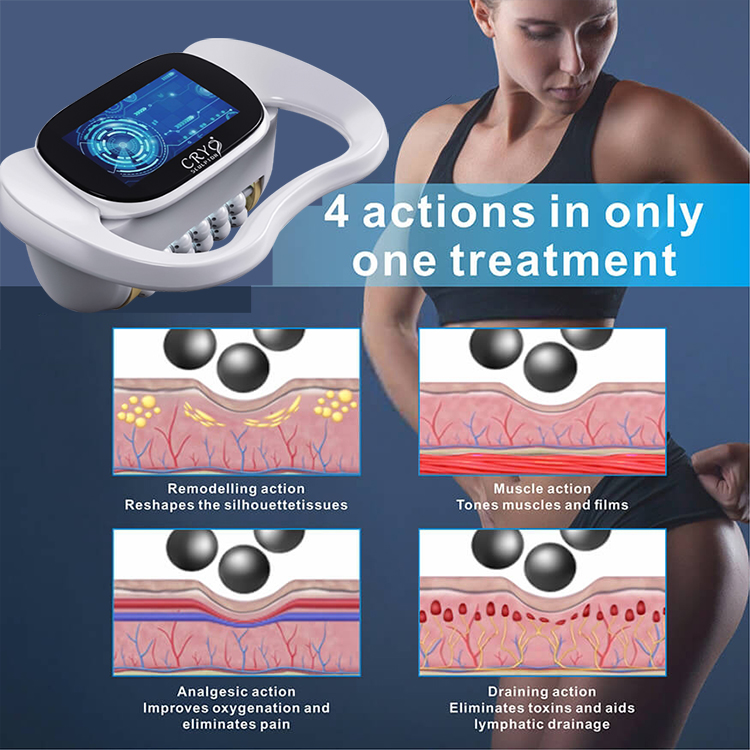
Shockwave therapy uses high-energy acoustic waves to stimulate healing in damaged muscle tissue. Think of it as jump-starting your body’s repair system.
Benefits of Shockwave Therapy for Muscle Pain
Reduces chronic muscle pain
Improves blood circulation
Breaks down scar tissue
Speeds up recovery time
Non-invasive and drug-free
Shockwave Physiotherapy Machines by SHEFMON
Overview of SHEFMON Shockwave Physiotherapy
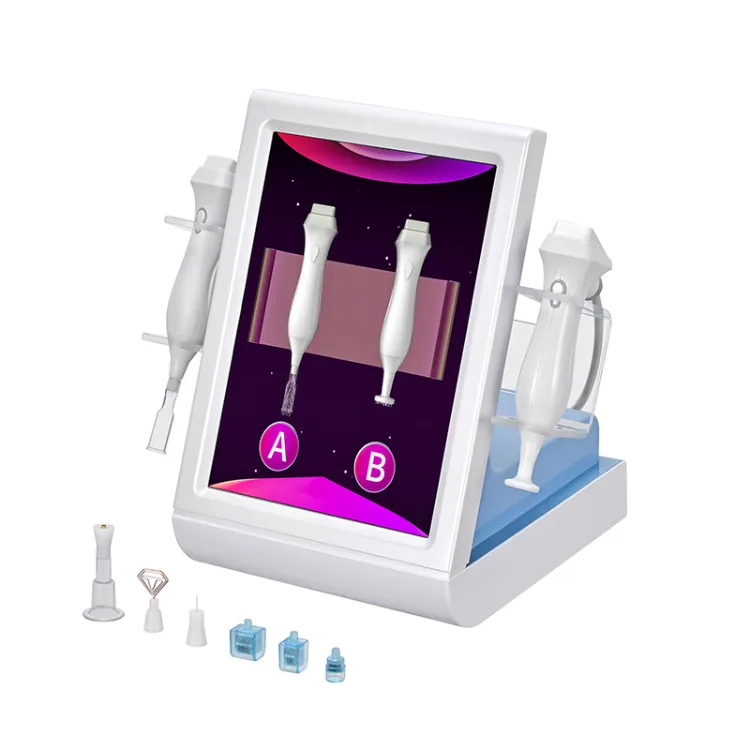
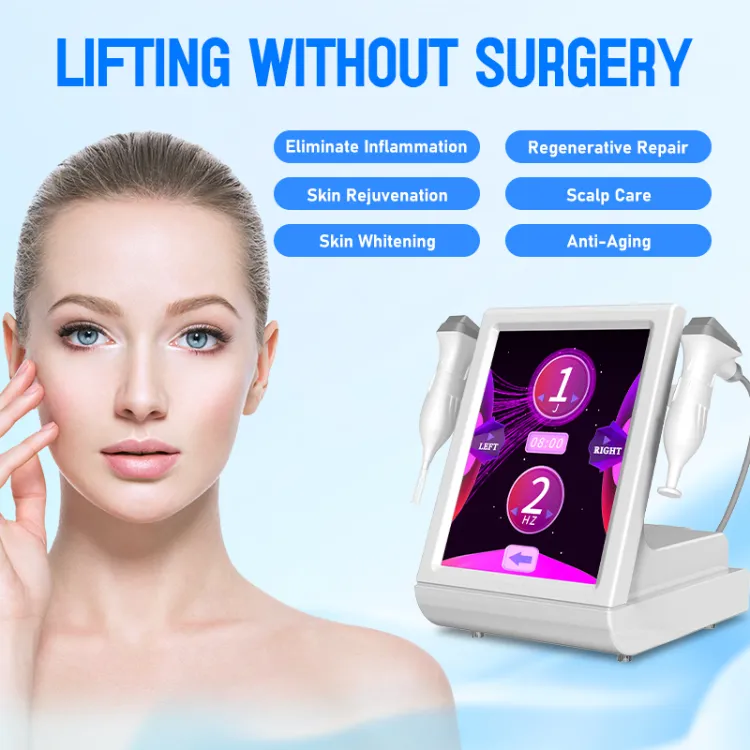
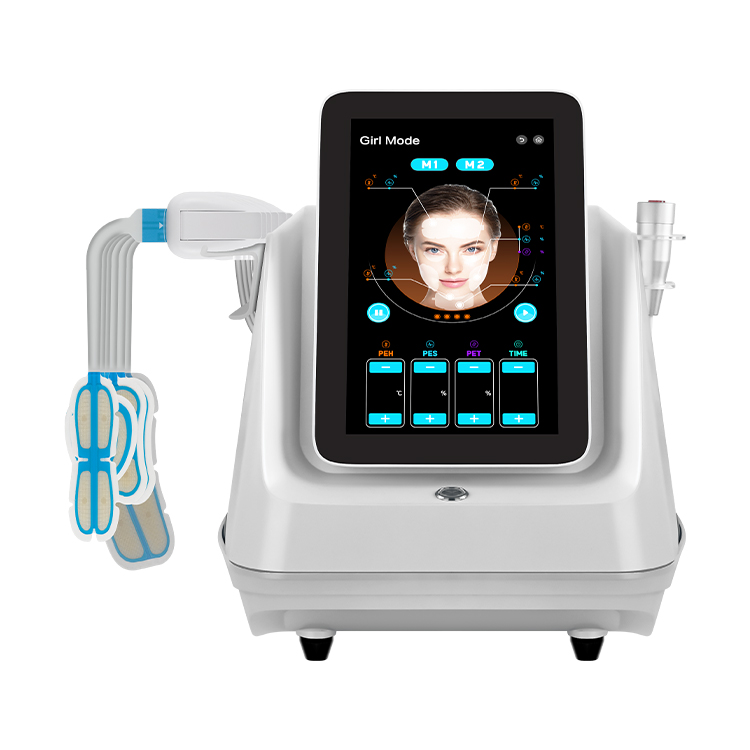
If you’re looking for advanced muscle pain relief solutions, SHEFMON Shockwave Physiotherapy machines are designed for clinics, sports centers, and rehabilitation professionals. These devices deliver precise shockwave energy to target deep muscle tissues effectively.
Learn more here:
👉 https://shefmon.com/beauty-machines/shockwave-physiotherapy/
Who Can Benefit from Shockwave Therapy?
Athletes with muscle strain
People with chronic back or shoulder pain
Patients recovering from sports injuries
Physiotherapy and rehabilitation clinics
This makes shockwave therapy a powerful, modern answer to stubborn muscle pain.
Lifestyle Changes to Prevent Muscle Pain
Ergonomics and Posture
Adjust your chair, screen height, and posture. Small tweaks can save your muscles big trouble.
Regular Exercise and Warm-Ups
Warm-ups prepare muscles for movement, reducing injury risk. Skipping them is like driving without warming up your engine.
When Should You See a Doctor?
Warning Signs You Should Not Ignore
Pain lasting more than two weeks
Severe swelling or redness
Muscle weakness or numbness
Pain after trauma or accident
When in doubt, get checked.
Myths About Muscle Pain Relief
No Pain, No Gain?
Pain isn’t a badge of honor. Smart training beats painful training every time.
Stretching Fixes Everything?
Stretching helps, but it’s not a magic wand. Recovery needs a combination of methods.
Conclusion
Relieving muscle pain isn’t about one miracle solution—it’s about listening to your body. From simple home remedies to advanced treatments like shockwave physiotherapy, you have plenty of options. If muscle pain keeps knocking on your door, modern solutions like SHEFMON Shockwave Therapy machines offer a professional, effective way to send it packing.
FAQs
1. How long does muscle pain usually last?
Most muscle pain lasts a few days, but chronic pain may require professional treatment.
2. Is heat or ice better for muscle pain?
Ice is best for new injuries; heat works better for stiffness and tension.
3. Can shockwave therapy treat chronic muscle pain?
Yes, shockwave physiotherapy is highly effective for long-term muscle pain.
4. How many shockwave sessions are needed?
Most patients see improvement within 3–6 sessions.
5. Can muscle pain be prevented completely?
Not always, but proper warm-ups, posture, and recovery greatly reduce risk.