















Laser tattoo removal is a popular and effective way to fade or erase unwanted tattoos, but many people focus on the treatment itself and overlook an equally important part of the process: recovery. Understanding what happens after each session can help you prepare, avoid complications, and get the best results possible. This article breaks down the typical recovery timeline, what your skin goes through, how to care for it, and factors that influence healing after laser tattoo removal.
1. How Laser Tattoo Removal Works
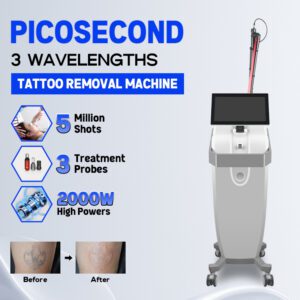
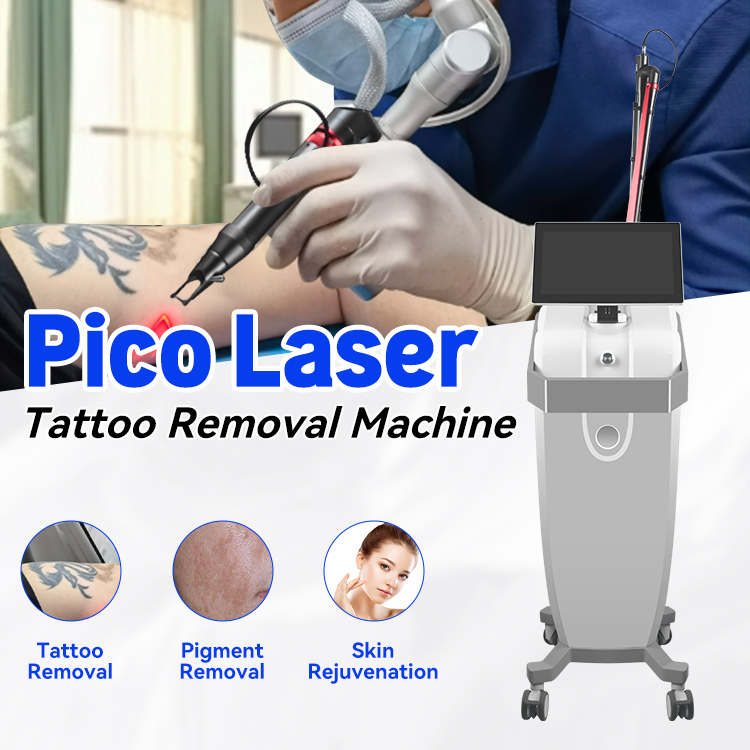
Laser tattoo removal uses highly concentrated light pulses to break tattoo ink into tiny particles. Your immune system then removes these fragments over time. Advanced systems, such as the Laser Picosure YAG super picoseconde à commutation Q A0507 1064 nm 532 nm, are designed to target a broad range of ink colors with high precision and minimal thermal damage. After a laser session, your skin begins a multi-phase healing process that continues well beyond the treatment itself. Recovery isn’t instantaneous; it unfolds over days and weeks.
2. Immediately After Treatment (0–24 Hours)
2.1 What You’ll See and Feel
Right after laser treatment, it’s normal to experience redness, mild swelling, warmth, and a sensation similar to a sunburn. Your skin may also feel tender to the touch. Some people notice tiny blisters or light bleeding, especially with deeper or older tattoos.
2.2 What’s Happening Under the Skin
The laser has just shattered ink particles and triggered the body’s immune response. The redness and swelling are signs of increased blood flow and inflammation — a natural first step in healing.
2.3 First Aid Steps
Immediately after treatment:
-
Keep the area clean with a mild, fragrance-free cleanser
-
Avoid rubbing or picking the skin
-
Apply a sterile dressing if your clinician advises
-
Avoid exposing the treated area to direct sunlight
3. Early Healing Stage (1–3 Days)
3.1 Continued Inflammation and Blistering
In the first few days, inflammation may peak before gradually settling. If blisters form, it’s usually a good sign that the surface skin is separating — a necessary part of ink particle elimination. Resist the urge to pop or break blisters; let them heal naturally.
3.2 Possible Itching
Itching is common as new skin forms. Do not scratch, as this can cause scarring or pigment changes.
3.3 Care Tips for Days 1–3
-
Clean gently twice a day
-
Use a recommended healing ointment
-
Keep the area loosely covered with a sterile bandage if required
-
Wear loose, breathable clothing
4. Mid-Recovery (4–14 Days)
4.1 Scabbing and Peeling
Around days 4–7, scabs may form as the skin continues to repair. This is a natural part of recovery, but proper care is vital. Allow scabs to fall off naturally; picking can lead to scarring.
4.2 Pigment Lightening Begins
As the body’s lymphatic system clears fragmented ink, you may notice gradual lightening of the tattoo. This process happens over weeks, not hours.
4.3 Reducing Discomfort
By days 7–10, redness and tenderness typically decrease substantially. Itching can continue but should be milder. At this stage, most people can resume normal non-strenuous activities.
5. Full Recovery Phase (2–6 Weeks)
5.1 Skin Remodeling and Immune Clearance
While the surface may appear healed, deeper tissue repair and ongoing ink clearance continue. Your immune system is actively transporting ink particles away from the treatment site.
5.2 Avoiding Sun Exposure
Your skin is still sensitive. Sun exposure can cause hyperpigmentation (darkening) or hypopigmentation (lightening). Always use broad-spectrum SPF and protective clothing when outdoors.
5.3 When the Next Session Happens
Laser sessions are typically spaced 6–8 weeks apart to allow sufficient healing and immune clearance. Rushing too soon can increase the risk of complications and reduce the effectiveness of subsequent treatments.
6. Factors That Influence Recovery Time
6.1 Tattoo Size, Color, and Depth
Larger, deeper, or multi-colored tattoos may require more sessions and longer total recovery time. Darker inks like black and blue often respond faster than lighter colors.
6.2 Skin Type and Immune Response
Your immune system is central to clearing ink particles. People with stronger immune responses often see quicker lightening between sessions. Skin type also affects healing; very fair or very dark skin tones may require customized approaches to avoid pigment changes.
6.3 Age and Health Status
Younger people and those in good overall health tend to heal faster. Smoking, poor nutrition, and underlying medical conditions can slow healing.
6.4 Aftercare Compliance
Strictly following your clinician’s aftercare instructions dramatically impacts recovery speed and final outcomes. Skipping antibiotic ointments, exposing the area to sunlight, or scratching can set back healing.
7. Common Side Effects and What They Mean
7.1 Redness and Swelling
These are normal and usually resolve within a few days.
7.2 Blistering
Blisters are part of the healing process but should not be popped. Keep them clean and covered.
7.3 Scabbing and Mild Scarring
Scabbing is normal; scarring is not inevitable. Scar risk increases if scabs are picked or if aftercare is poor.
7.4 Temporary Pigment Changes
Changes in skin color (light or dark spots) may occur but often fade over months with sun protection and good care.
8. Tips for Optimal Recovery
8.1 Keep It Clean and Moisturized
Wash gently, avoid harsh products, and use prescribed or recommended healing ointments.
8.2 Protect from the Sun
Sun exposure is one of the biggest threats after laser treatment. Always use broad-spectrum sunscreen and cover the area.
8.3 Avoid Picking or Scratching
Let the body heal naturally. Disrupting scabs or blisters can lead to scarring and pigment changes.
8.4 Hydrate and Nourish Your Body
Good hydration and nutrition support immune recovery and skin repair.
Conclusion
Tattoo removal recovery is a multi-stage process that continues long after you leave the clinic. Immediate redness and swelling give way to blistering, scabbing, and gradual fading as your immune system clears ink fragments. With advanced picosecond lasers like the Laser Picosure YAG super picoseconde à commutation Q A0507 1064 nm 532 nm, treatments can be more effective and cause less thermal damage, but careful aftercare is still essential. By understanding the typical timeline and taking proactive steps during each phase of recovery, you can achieve smoother healing, minimize side effects, and move confidently toward your laser tattoo removal goals.