







Laser hair removal is widely recognized as an effective solution for long-term hair reduction. While much attention is placed on the treatment itself, recovery plays an equally important role in achieving safe and lasting results. Understanding what happens after a laser hair removal session helps clients minimize side effects, care for their skin properly, and maximize treatment outcomes.
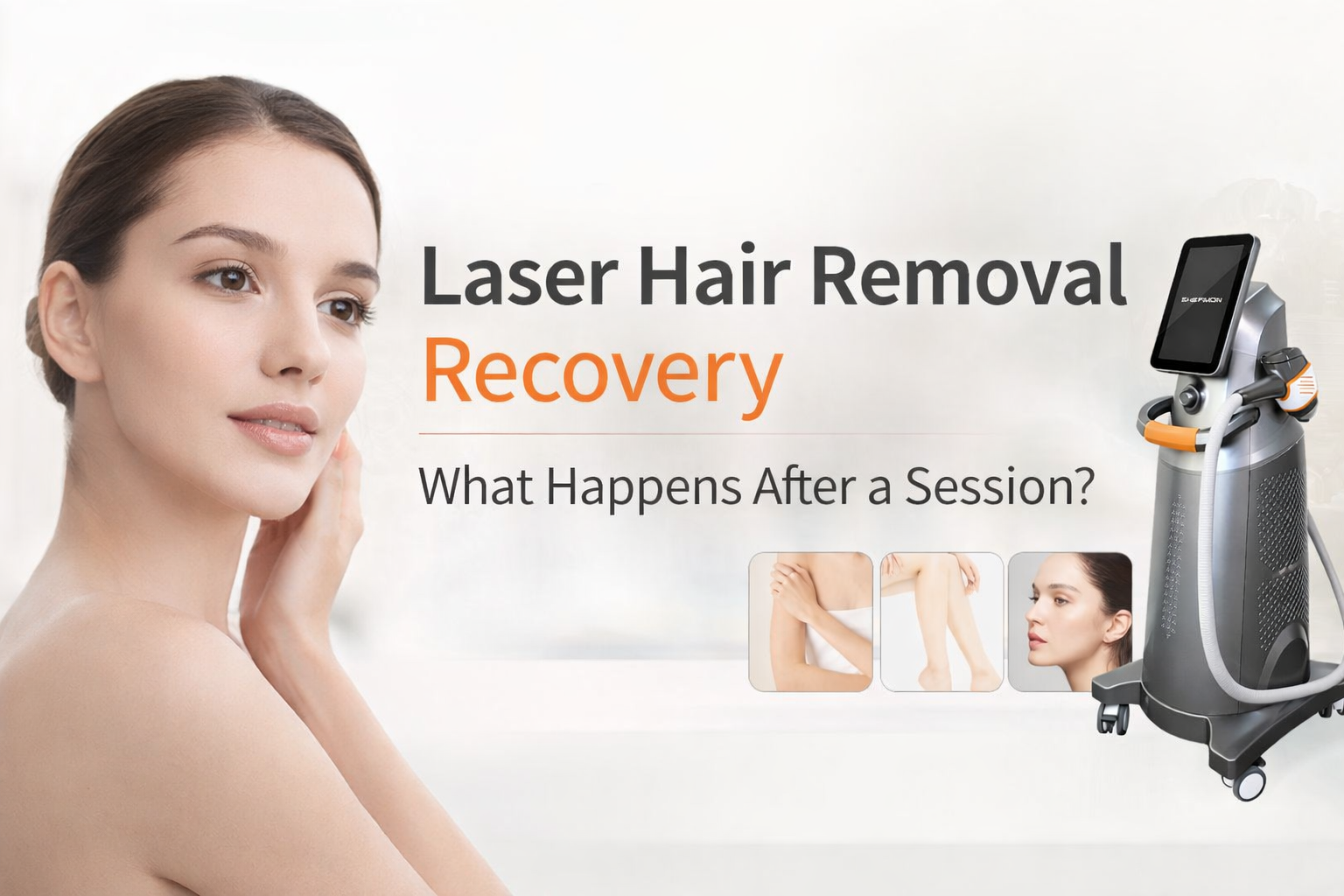
1. Immediate Skin Reactions After Laser Hair Removal
1.1 Common Post-Treatment Sensations
Immediately after a laser hair removal session, it is normal for the treated area to appear red, warm, or slightly swollen. Many clients describe the sensation as similar to a mild sunburn. These reactions occur because laser energy heats the hair follicles beneath the skin, triggering a temporary inflammatory response.
In most cases, these symptoms are mild and short-lived, fading within a few hours. Cooling systems integrated into modern laser devices significantly reduce discomfort during and after treatment.
Advanced laser systems such as the Shefmon 2910nm Fiber Fractional CO₂ Ultra Laser are engineered for controlled energy delivery, helping minimize unnecessary skin irritation while maintaining treatment effectiveness.
https://shefmon.com/product/shefmon-2910nm-fiber-fractional-co2-ultra-laser/
1.2 Why Redness and Swelling Occur
Laser hair removal works by targeting melanin within the hair shaft and follicle. When the laser heats this pigment, it disrupts the follicle’s ability to regrow hair. As a natural response, the surrounding skin increases blood flow to promote healing, which results in temporary redness and swelling.
2. Recovery Within the First 24–48 Hours
2.1 How to Soothe the Skin
The first two days after treatment are critical for recovery. During this period, it is recommended to:
Avoid hot showers, steam rooms, and saunas
Refrain from vigorous exercise that causes excessive sweating
Wear loose clothing to prevent friction on treated areas
Applying a cold compress intermittently can help calm the skin. Gentle, fragrance-free moisturizers or aloe vera gel may also reduce dryness and discomfort.
2.2 Sun Protection Is Essential
Laser-treated skin is more sensitive to UV exposure. Direct sunlight can increase the risk of pigmentation changes or irritation. Clients should apply a broad-spectrum sunscreen with SPF 30 or higher and avoid tanning beds until the skin has fully recovered.
3. Hair Shedding and Skin Changes in the Following Days
3.1 Understanding the Hair Shedding Phase
Between 3 and 10 days after a session, treated hairs begin to shed naturally. This phase is often mistaken for regrowth, but it is actually a sign that the laser successfully disabled the hair follicles. Hairs fall out on their own, and clients should avoid waxing, plucking, or threading during this time. Shaving is acceptable if necessary, as it does not interfere with the follicle.
3.2 Mild Skin Adjustments
Some individuals may experience light itching, dryness, or slight flaking as the skin renews itself. These symptoms are normal and usually resolve with regular moisturizing and gentle skincare practices.

4. How Long Does Full Recovery Take?
4.1 Short-Term Recovery Timeline
Most visible side effects disappear within 24–72 hours. However, complete skin normalization may take up to one week, depending on factors such as skin sensitivity, treatment intensity, and body area. Sensitive regions like the bikini line or face may require slightly more time to recover compared to areas such as the legs or arms.
4.2 Recovery Across Multiple Sessions
Laser hair removal requires multiple sessions to effectively target hairs in different growth cycles. While recovery after each session is similar, clients often notice reduced irritation over time as hair density decreases.
Multi-wavelength diode laser systems, such as the A0426 755/1064/810/940nm Diode Laser Hair Removal Beauty Machine, allow practitioners to customize treatments for various skin tones and hair types, often resulting in smoother recoveries and consistent results.
https://shefmon.com/product/a0426-755-1064-810-940nm-diode-laser-hair-removal-beauty-machine/
5. Best Practices for Faster Recovery
5.1 Maintain a Gentle Skincare Routine
Post-treatment skincare should focus on protection and hydration. Clients are advised to avoid exfoliating acids, retinoids, or harsh cleansers for several days. Keeping the skin calm supports faster healing and reduces the risk of irritation.
5.2 Follow Professional Aftercare Instructions
Each clinic may provide customized aftercare guidance based on the device used and the client’s skin condition. Following these instructions closely ensures optimal recovery and enhances long-term hair reduction results.
6. When to Seek Professional Advice
Although laser hair removal is generally safe, clients should contact their provider if they experience severe swelling, blistering, prolonged redness, or signs of infection. These reactions are rare but require professional assessment.
Conclusion
Laser hair removal recovery is typically quick, manageable, and predictable when proper aftercare is followed. Mild redness, warmth, and hair shedding are normal signs that the treatment is working. By protecting the skin, avoiding sun exposure, and choosing advanced laser technology, clients can ensure a smooth recovery and achieve long-lasting hair reduction. Understanding what happens after each session not only improves comfort but also maximizes the overall success of laser hair removal treatments.