Non-surgical facial rejuvenation technologies are evolving rapidly, and two of the most discussed options today are EMS facial lifting devices and HIFU skin tightening systems. While both treatments aim to improve facial firmness and youthful contours, they work on entirely different biological layers of the face. Understanding these differences helps clinics choose the right technology for specific aesthetic goals. This article explores how EMS Face and HIFU work, their advantages, and which treatment may be better for lifting facial muscles or tightening deeper structural layers.

1. What Is EMS Face Technology?
1.1 The Principle Behind EMS Facial Lifting
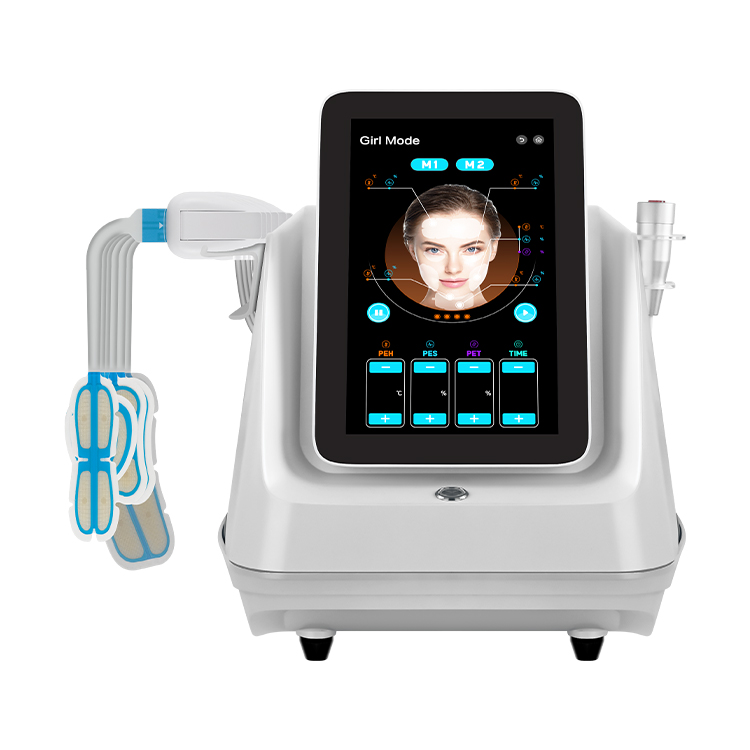
EMS (Electrical Muscle Stimulation) technology uses controlled electrical impulses to stimulate facial muscles, causing them to contract and relax repeatedly. This process essentially provides a “workout” for facial muscles, helping strengthen and tone them.
When facial muscles are repeatedly activated, they become firmer and more defined, which can improve facial contours and reduce the appearance of sagging areas like the jawline and cheeks. EMS treatments are therefore primarily focused on muscle lifting and toning, rather than deep skin restructuring.
A professional device such as the
https://shefmon.com/product/shefmon-emface-ems-face-sculpting-lifting-microcurrent-device/
uses advanced electromagnetic stimulation to trigger supramaximal muscle contractions, helping improve facial definition and overall tone.
1.2 Key Benefits of EMS Face Devices
Clinics and aesthetic professionals often use EMS technology for several reasons:
Strengthens facial muscles and improves tone
Enhances jawline definition and cheek lift
Improves facial symmetry and contour
Non-invasive with no downtime
Because EMS directly activates muscles, many patients notice faster visual lifting effects compared to some collagen-stimulating treatments.
However, EMS mainly affects the muscular layer rather than deep connective tissue.
2. What Is HIFU Technology?
2.1 How HIFU Works for Skin Tightening
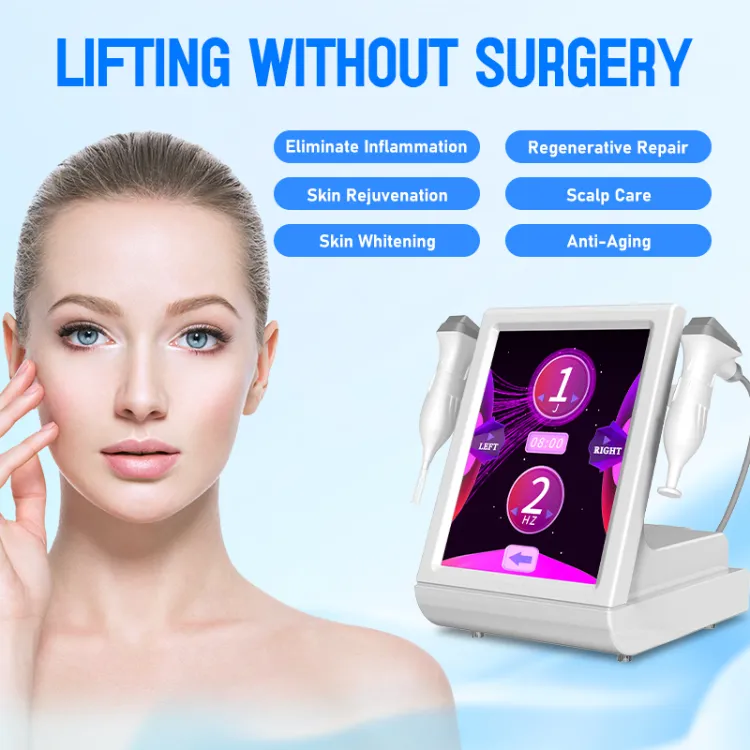
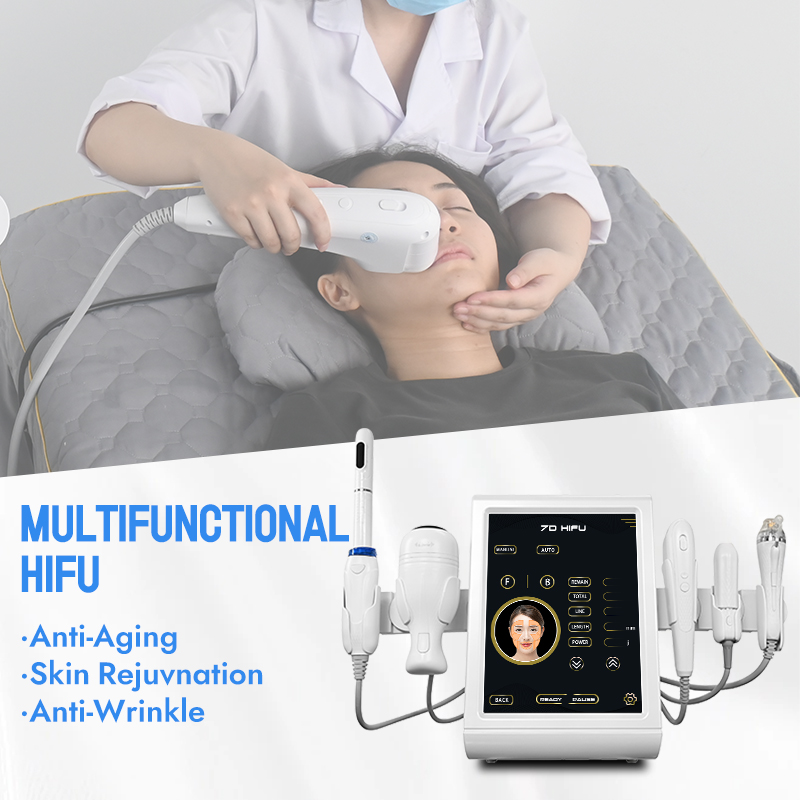
HIFU (High-Intensity Focused Ultrasound) is a non-invasive technology that delivers focused ultrasound energy into deeper skin layers. The heat generated by ultrasound stimulates collagen production and tissue remodeling.
Unlike surface-level treatments, HIFU can reach the SMAS layer (Superficial Muscular Aponeurotic System)—the same structural layer targeted during surgical facelifts.
This deeper penetration allows HIFU to tighten loose skin, reduce wrinkles, and gradually lift sagging facial structures.
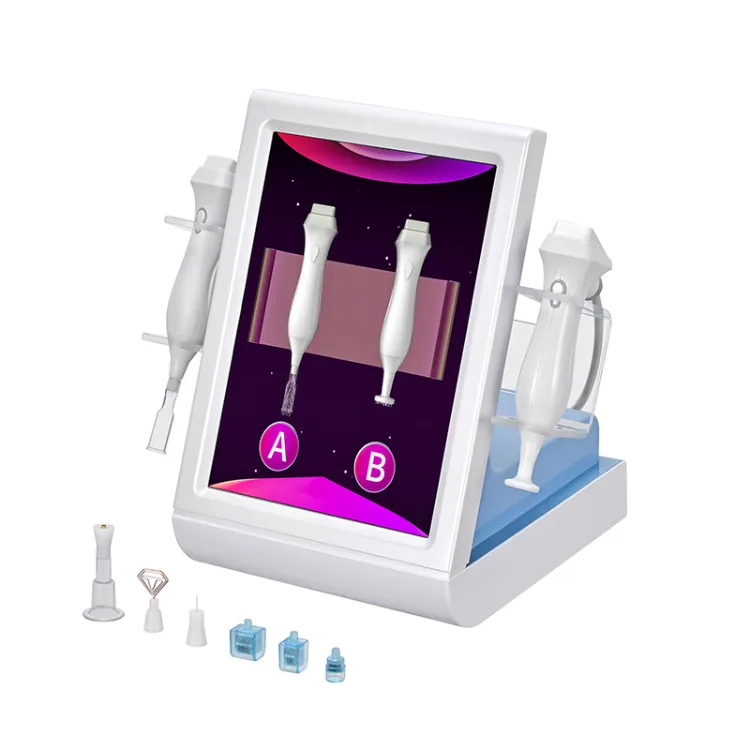
Professional aesthetic devices like the
https://shefmon.com/product/a0205-9d-7d-focused-hifu-machine-5-in-1/
deliver ultrasound energy at different depths, allowing practitioners to target multiple layers of the face for comprehensive lifting.
2.2 Main Advantages of HIFU Treatment
HIFU technology has become popular because of its ability to provide deeper structural rejuvenation.
Major benefits include:
Stimule la production de collagène et d'élastine
Tightens sagging skin and improves elasticity
Targets deep SMAS structural layer
Provides long-lasting lifting results
Results from HIFU usually appear gradually over several weeks as collagen regenerates and skin tightens naturally.
3. EMS Face vs HIFU: Key Differences
3.1 Treatment Layer and Target
The biggest difference between EMS and HIFU lies in the layer they treat.
EMS Face
Targets facial muscles
Improves muscle tone and definition
Creates lifting through muscle strengthening
HIFU
Targets deep skin and SMAS layer
Stimule le remodelage du collagène
Creates lifting through structural tightening
Experts often explain this difference simply: EM devices tone muscles, while HIFU delivers deep structural lifting by stimulating collagen production.
3.2 Type of Results
The aesthetic outcome of each technology also differs.
EMS Face Results
Improved muscle firmness
Sharper facial contours
Immediate lifting sensation
HIFU Results
Reduced skin laxity
Smoother wrinkles
Gradual tightening over months
HIFU tends to produce longer-lasting structural improvements, whereas EMS offers more visible muscle-toning effects.
3.3 Treatment Experience
Patient experience during treatment also varies.
EMS sessions feel like repeated muscle contractions, similar to a facial workout. The sensation is usually comfortable and requires multiple sessions for optimal results.
HIFU treatments involve focused heat delivered to deeper tissues. Patients may feel mild warmth or tingling, but sessions are typically shorter and results last longer.

4. Which Technology Is Better for Facial Lifting?
4.1 Choose EMS Face If Your Goal Is Muscle Lifting
EMS facial technology is ideal when the primary goal is improving muscle tone and facial contour.
It works well for:
Définition de la mâchoire
Cheek lifting
Facial sculpting
Premiers signes du vieillissement
Because it strengthens underlying muscles, EMS can give the face a firmer, more sculpted appearance.
4.2 Choose HIFU for Deep Structural Tightening
HIFU is generally the better option when sagging skin or deeper structural aging is the main concern.
It is effective for:
Loose jawline skin
plis nasogéniens
Neck sagging
régénération du collagène
By targeting deeper tissue layers, HIFU helps restore the structural support of the skin.
5. Can EMS Face and HIFU Be Combined?
Interestingly, many aesthetic clinics now combine both technologies to achieve more comprehensive facial rejuvenation.
Because EMS targets muscles and HIFU targets deeper structural layers, combining them can provide multi-layer anti-aging benefits. Some experts believe the two technologies complement each other by addressing both muscle tone and skin elasticity simultaneously.
In practice, clinics often perform HIFU treatments periodically while using EMS sessions more frequently to maintain muscle tone.
6. Choosing the Right Technology for Your Clinic
For aesthetic clinics selecting new equipment, the decision often depends on treatment goals and patient demographics.
Consider EMS Face devices if your clinic focuses on:
Facial sculpting and contouring
Muscle-based lifting treatments
Younger patients seeking preventative anti-aging
Consider HIFU machines if your clinic specializes in:
Skin tightening treatments
Deep lifting and wrinkle reduction
Patients with moderate skin laxity
Many clinics ultimately offer both options to create customized treatment plans.
Conclusion
EMS Face and HIFU are both powerful non-surgical technologies, but they address different layers of facial aging. EMS works by stimulating facial muscles to improve tone and contour, while HIFU delivers ultrasound energy to deeper tissues to stimulate collagen and tighten skin structure.
Rather than competing technologies, they can be complementary tools in modern aesthetic practice. By understanding how each technology works, clinics can better match treatments to patient needs and achieve natural-looking facial rejuvenation.
FAQ
1. Is EMS Face better than HIFU for facial lifting?
EMS is better for lifting and toning facial muscles, while HIFU is better for tightening deeper skin structures and stimulating collagen.
2. How long do EMS Face results last?
Results can last several months with regular maintenance sessions, as muscles need continuous stimulation to maintain tone.
3. Does HIFU provide permanent results?
HIFU results are long-lasting but not permanent. Collagen remodeling can last 6–12 months depending on age and skin condition.
4. Can EMS and HIFU be used together?
Yes. Many clinics combine both treatments to target muscles and deep skin layers for more comprehensive facial rejuvenation.
5. Which treatment is better for early aging?
EMS is often preferred for early aging because it improves muscle tone and facial contour before significant skin laxity develops.