









Non-invasive facial rejuvenation technologies are becoming increasingly popular in aesthetic clinics and beauty centers. Among them, EMS face microcurrent et traditional microcurrent therapy are two widely used electrical stimulation techniques for improving skin appearance and facial contours. While both technologies rely on low-level electrical currents, they function in different ways and target different layers of facial tissue. Understanding the differences between these two approaches helps practitioners and users choose the most suitable treatment for lifting, tightening, and rejuvenating the skin.
1. Comprendre la technologie des microcourants faciaux EMS
1.1 What Is EMS Facial Stimulation?
EMS signifie Stimulation musculaire électrique, a technology that delivers electrical impulses to stimulate muscle contractions. In facial treatments, EMS targets the muscles responsible for facial structure and expression. By activating these muscles repeatedly, EMS helps strengthen and tone them, creating a more lifted and sculpted facial appearance.
Unlike traditional microcurrent therapy, EMS produces visible muscle movement. These controlled contractions mimic facial exercise, helping improve muscle tone and supporting the skin structure from underneath.
1.2 How EMS Improves Facial Contours
The key advantage of EMS technology lies in its ability to directly stimulate deeper facial muscles. Over time, this stimulation can help improve facial definition, particularly around the cheeks, jawline, and forehead.
Common benefits of EMS facial treatments include:
Amélioration de la fermeté musculaire
Enhanced facial contour definition
Reduced sagging skin
Natural lifting effects
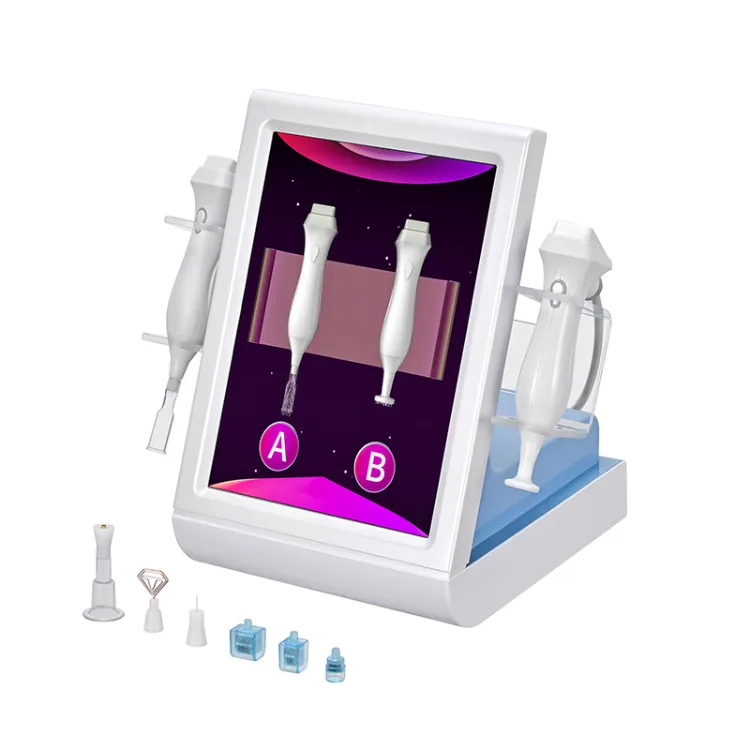
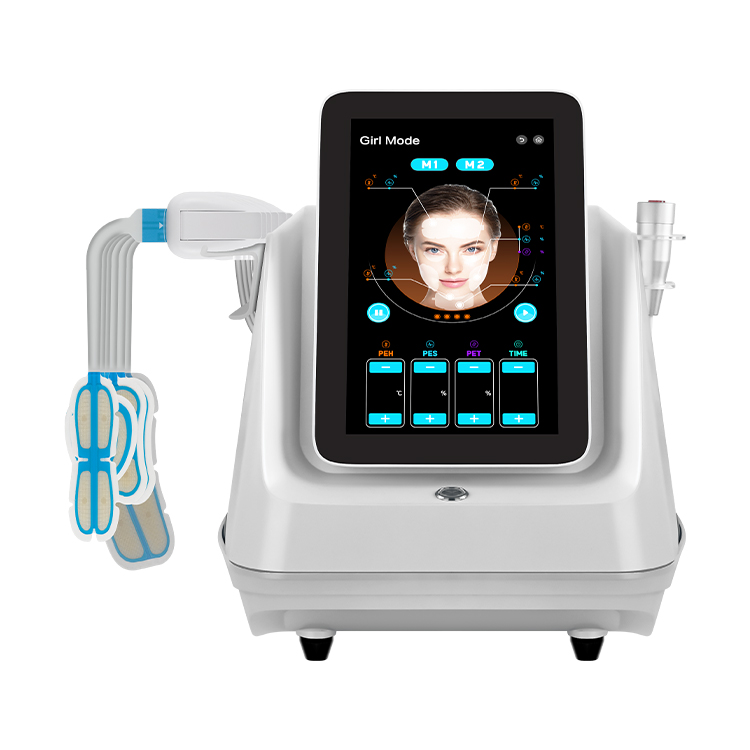
Modern EMS facial systems combine advanced stimulation technology with ergonomic applicators designed for professional treatments. Devices like the Magface EMS facial muscle stimulator are designed to deliver targeted electrical impulses that activate facial muscles and enhance overall skin firmness (https://shefmon.com/product/magface-emface-muscle-stimulators-machine-for-sale/).

2. What Is Traditional Microcurrent Therapy?
2.1 The Science Behind Microcurrent Technology
Traditional microcurrent therapy uses extremely low electrical currents measured in microamperes (µA). These currents are designed to mimic the body’s natural bioelectric signals, stimulating cellular activity rather than forcing muscle contractions.
Microcurrent primarily works on the skin and cellular level, helping improve skin metabolism, circulation, and collagen production. Because the current is so gentle, most people experience only a mild tingling sensation or no sensation at all during treatment.
2.2 Skin Rejuvenation Benefits
Microcurrent treatments are widely known for their ability to support skin rejuvenation and anti-aging care. By stimulating skin cells and improving blood circulation, the technology can enhance the overall health and appearance of the skin.
Typical benefits of traditional microcurrent treatments include:
Reduction of fine lines and wrinkles
Amélioration de l'élasticité de la peau
Enhanced circulation and nutrient delivery
Brighter and healthier complexion
Because of its gentle nature, microcurrent therapy is often used for regular facial maintenance treatments in beauty clinics and spas.
3. Key Differences Between EMS and Traditional Microcurrent
3.1 Intensity and Electrical Output
One of the main differences between these technologies is electrical intensity.
EMS systems deliver stronger electrical impulses that create visible muscle contractions. These impulses activate motor nerves, which in turn stimulate the muscles beneath the skin.
Traditional microcurrent devices use significantly weaker currents designed for cellular stimulation. Instead of triggering muscle contractions, they support natural cellular processes within the skin.
3.2 Treatment Targets
Another major difference lies in the primary treatment target.
EMS treatments mainly focus on facial muscles, strengthening them to improve facial lifting and contouring. This makes EMS technology particularly effective for addressing sagging skin and weak facial muscles.
Microcurrent therapy, on the other hand, focuses more on skin cells and tissues. It improves skin quality by stimulating collagen production and enhancing circulation.
3.3 Treatment Sensation
Patients often notice a difference in how each treatment feels.
EMS facial stimulation usually produces noticeable pulsing sensations as the muscles contract and relax. Some users describe it as a mild facial workout.
Traditional microcurrent treatments are generally much gentler. Most patients feel only a slight tingling sensation, making the experience relaxing and comfortable.
4. Advantages of EMS Facial Devices
4.1 Facial Muscle Strengthening
Because EMS directly stimulates facial muscles, it can help restore muscle tone that gradually weakens with age. Strengthening these muscles improves support for the overlying skin, leading to a firmer appearance.
4.2 Improved Facial Lifting Effects
EMS technology can also provide more visible lifting results compared to traditional microcurrent therapy. By activating the muscles responsible for facial expression and structure, EMS helps enhance natural facial contours.
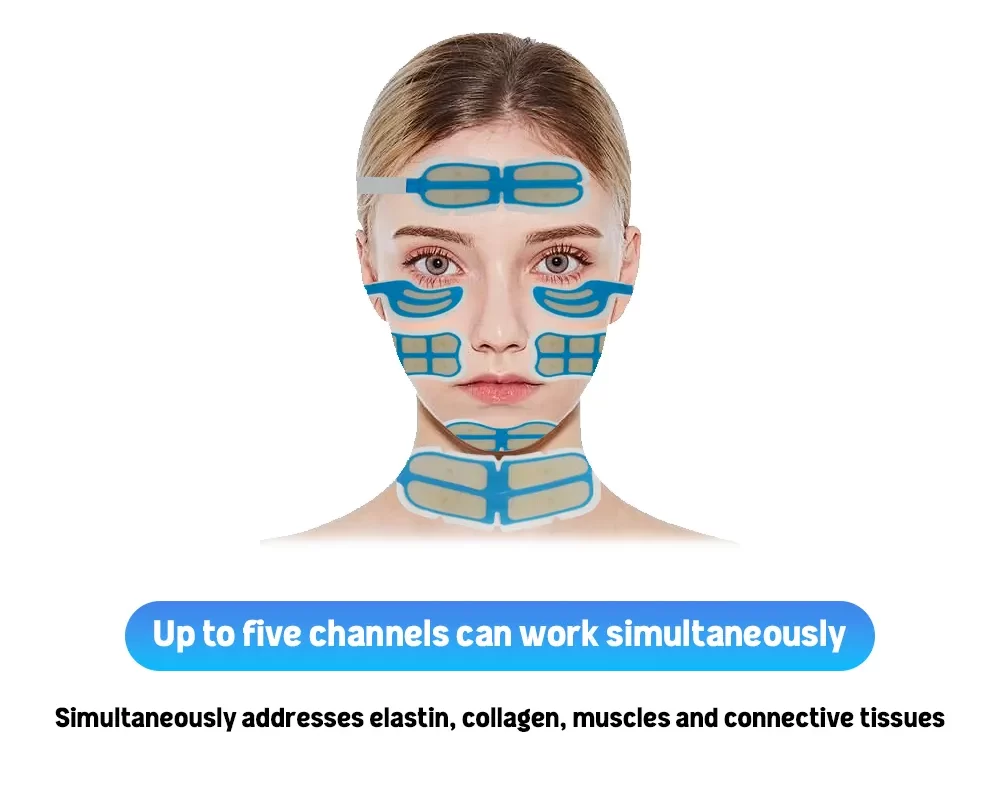
Some advanced facial systems combine EMS stimulation with skin-lifting technologies to create more comprehensive aesthetic treatments. For example, EMS-based facial sculpting devices designed for professional use can deliver both muscle stimulation and skin tightening benefits (https://shefmon.com/product/shefmon-emface-ems-face-sculpting-lifting-microcurrent-device/).
5. Benefits of Traditional Microcurrent Treatments
5.1 Gentle Skin Rejuvenation
Traditional microcurrent therapy is often described as a non-invasive facial rejuvenation treatment. Because it uses extremely low electrical currents, it is suitable for many skin types and requires minimal recovery time.
5.2 Long-Term Anti-Aging Support
Microcurrent treatments focus on improving overall skin health rather than simply lifting the face. Regular treatments can help maintain skin elasticity, improve texture, and reduce visible signs of aging.
5.3 Suitable for Sensitive Skin Areas
Another advantage of microcurrent technology is its ability to treat delicate facial areas safely. The gentle electrical stimulation can be applied to areas such as the under-eye region, forehead, and around the mouth without causing discomfort.
6. Choisir la bonne technologie
6.1 When EMS Is the Better Choice
EMS facial treatments may be more suitable for individuals who want stronger lifting and contouring results. Because the technology targets facial muscles, it is particularly effective for improving sagging areas and enhancing jawline definition.
6.2 When Microcurrent Is More Suitable
Traditional microcurrent therapy is ideal for people who want gentle skin rejuvenation and long-term anti-aging maintenance. It is often used as a preventative treatment to keep skin healthy and radiant.
Conclusion
Les deux EMS face microcurrent and traditional microcurrent technologies offer valuable benefits for non-invasive facial rejuvenation, but they work in different ways. EMS focuses on stimulating facial muscles to improve lifting and contouring, while traditional microcurrent primarily supports skin regeneration and collagen production. By understanding their differences, aesthetic professionals and clients can choose the most appropriate treatment approach to achieve natural-looking facial tightening and skin rejuvenation results.