







En médecine esthétique moderne, les technologies de rajeunissement cutané continuent d'évoluer, offrant des solutions non chirurgicales pour les rides, les cicatrices et les problèmes de texture de la peau. Deux des traitements les plus utilisés sont : Micro-aiguilletage RF et le resurfaçage fractionné au laser. Ces deux procédures stimulent la production de collagène et améliorent la qualité de la peau, mais elles agissent différemment et conviennent à des objectifs de traitement différents.
Pour les cliniques esthétiques qui choisissent des appareils professionnels, comprendre les différences entre ces technologies est essentiel pour déterminer le matériel le mieux adapté à leurs services. Cet article explique le fonctionnement du microneedling par radiofréquence et des traitements laser fractionnés, leurs avantages et quel traitement est le plus approprié selon l'affection cutanée à traiter.
1. Qu'est-ce que le microneedling RF ?
Le microneedling par radiofréquence associe le microneedling traditionnel à l'énergie de la radiofréquence pour stimuler la production de collagène et d'élastine dans les couches profondes de la peau. De minuscules aiguilles pénètrent la peau et diffusent une chaleur contrôlée par radiofréquence dans le derme, déclenchant ainsi le processus naturel de cicatrisation.
Ce procédé contribue à remodeler les fibres de collagène et à raffermir la structure de la peau tout en améliorant sa texture globale.
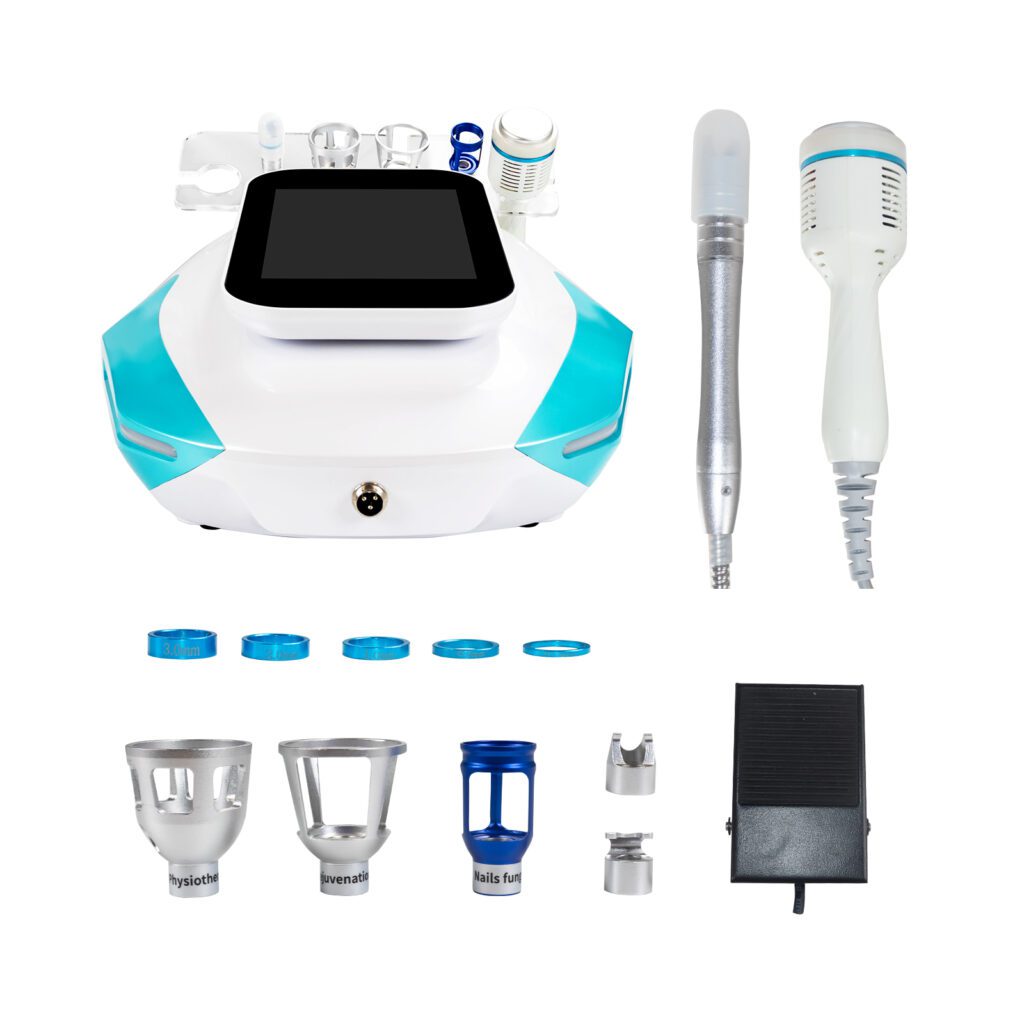
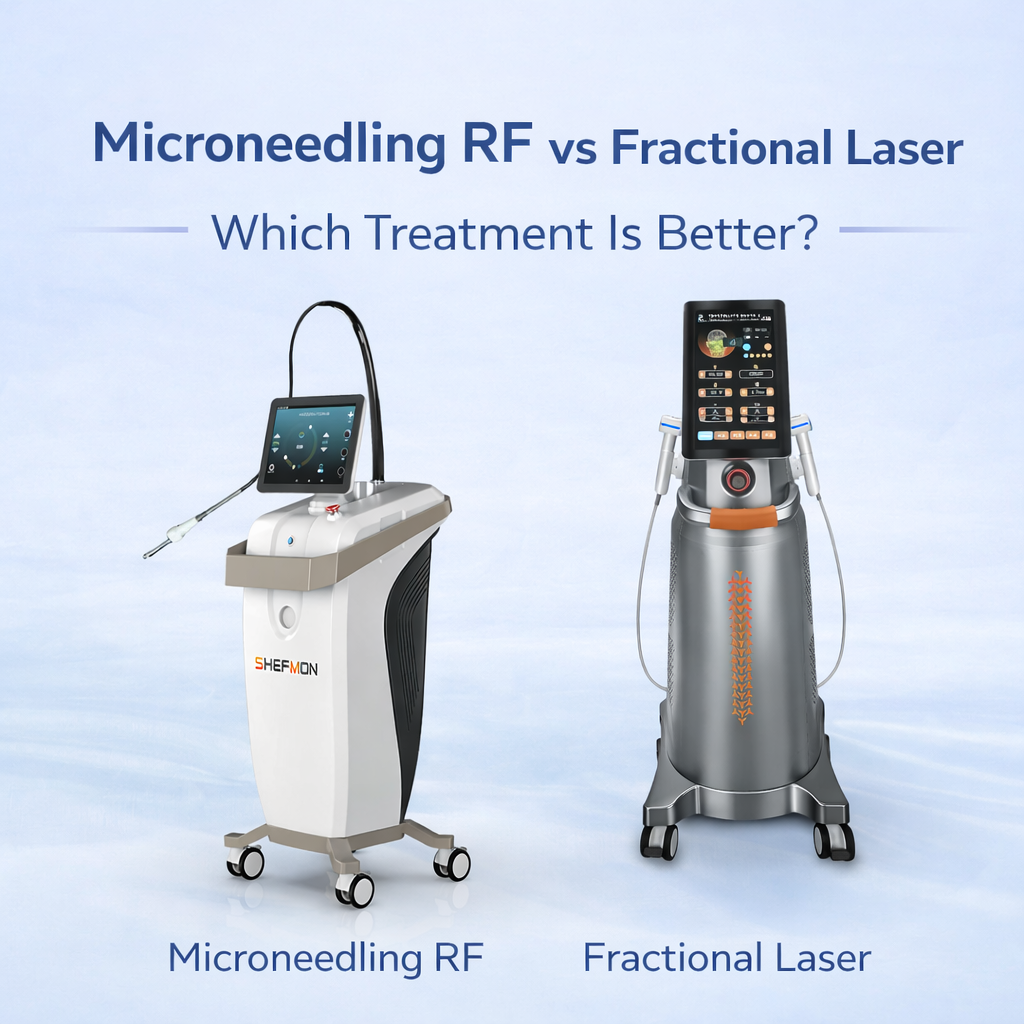
Un système professionnel de micro-aiguillage RF couramment utilisé en clinique est disponible ici :
https://shefmon.com/product/a0157-mmrf-deepth-8-microneedling-rf/
Le microneedling par radiofréquence est largement utilisé pour traiter :
• Cicatrices d'acné
• Pores dilatés
• Relâchement cutané léger
• Rides et ridules
• Texture de peau irrégulière
L'un des principaux avantages du microneedling par radiofréquence est qu'il cible principalement la couche dermique tout en préservant en grande partie l'épiderme, ce qui favorise une cicatrisation plus rapide et réduit le risque de lésions superficielles.
Comme la couche externe de la peau reste en grande partie intacte, le temps de récupération est généralement plus court qu'avec de nombreux traitements laser.
2. Qu'est-ce que le traitement laser fractionné ?
Le resurfaçage fractionné au laser est un traitement cutané qui utilise l'énergie laser pour créer des micro-lésions thermiques dans la peau. Ces minuscules colonnes de traitement stimulent le processus naturel de cicatrisation cutanée, entraînant un remodelage du collagène et une amélioration du grain de peau.
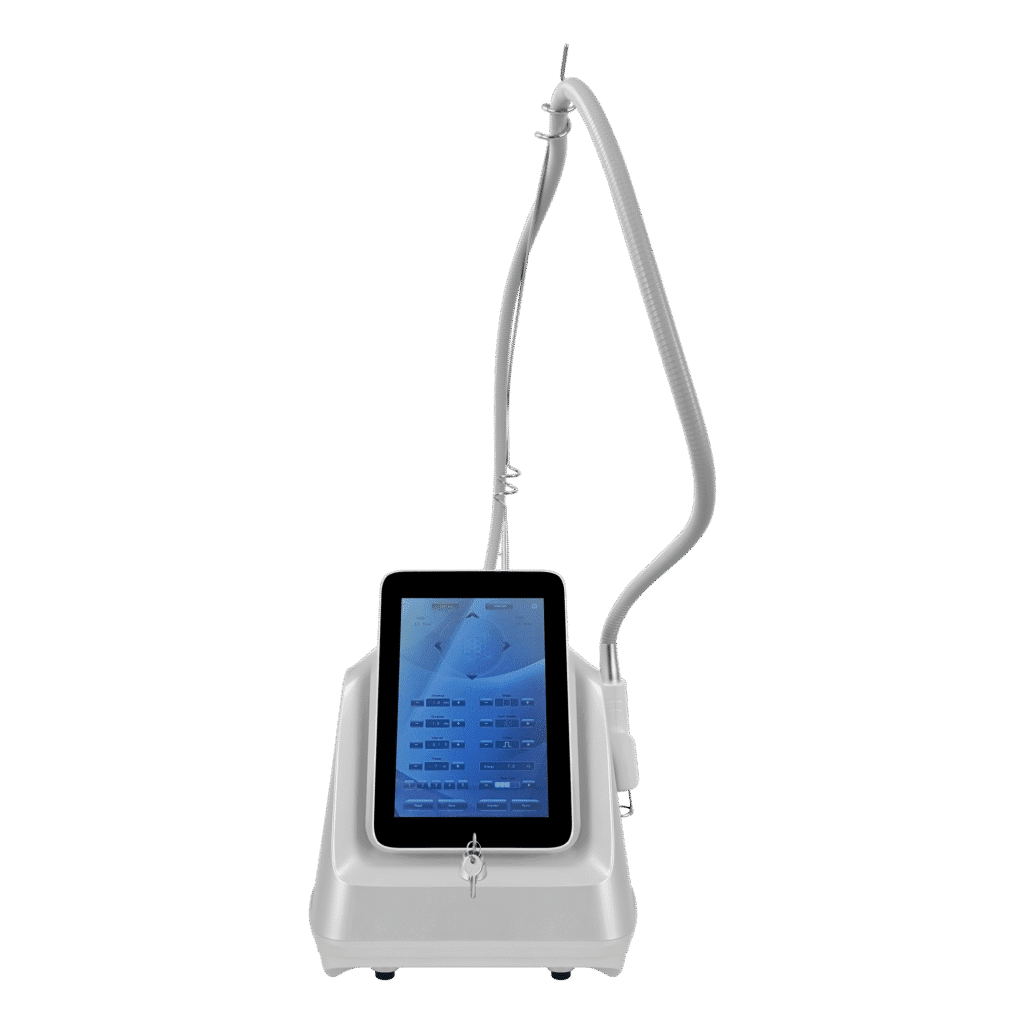
Vous trouverez ici un système laser CO₂ fractionné professionnel utilisé pour le rajeunissement de la peau :
https://shefmon.com/product/shefmon-2910nm-fiber-fractional-co2-ultra-laser/
Les lasers fractionnés agissent en ciblant à la fois l'épiderme et le derme, créant des micro-lésions contrôlées qui favorisent la régénération d'une peau plus saine.
Les traitements au laser fractionné sont couramment utilisés pour :
• Rides profondes
• Cicatrices d'acné sévères
• Dommages causés par le soleil
• Relissage cutané
• Problèmes de pigmentation
Comme l'énergie du laser enlève ou endommage de petites portions de la surface de la peau, le traitement produit souvent des effets de resurfaçage plus importants que de nombreuses autres technologies non invasives.
3. Principales différences entre le microneedling RF et le laser fractionné
Bien que les deux traitements stimulent la production de collagène, leurs mécanismes et leurs profondeurs d'action diffèrent considérablement.
Le microneedling par radiofréquence utilise des aiguilles isolées pour diffuser la chaleur en profondeur dans le derme sans endommager significativement la surface de la peau. Ceci permet un remodelage contrôlé du collagène avec une perturbation minimale des tissus environnants.
La technologie laser fractionnée, quant à elle, crée des colonnes de lésions thermiques ou ablatives qui traversent l'épiderme et atteignent les couches plus profondes de la peau. Cet effet thermique plus intense permet d'obtenir des résultats de resurfaçage plus spectaculaires, mais allonge également le temps de récupération.
Les principales différences sont les suivantes :
• Le microneedling par radiofréquence cible le derme en endommageant minimalement la surface.
• Les lasers fractionnés traitent à la fois l'épiderme et le derme.
• Le microneedling par radiofréquence vise un remodelage progressif du collagène.
• Les lasers fractionnés permettent un resurfaçage cutané plus efficace
Du fait de ces différences, chaque traitement est mieux adapté à des affections cutanées spécifiques.

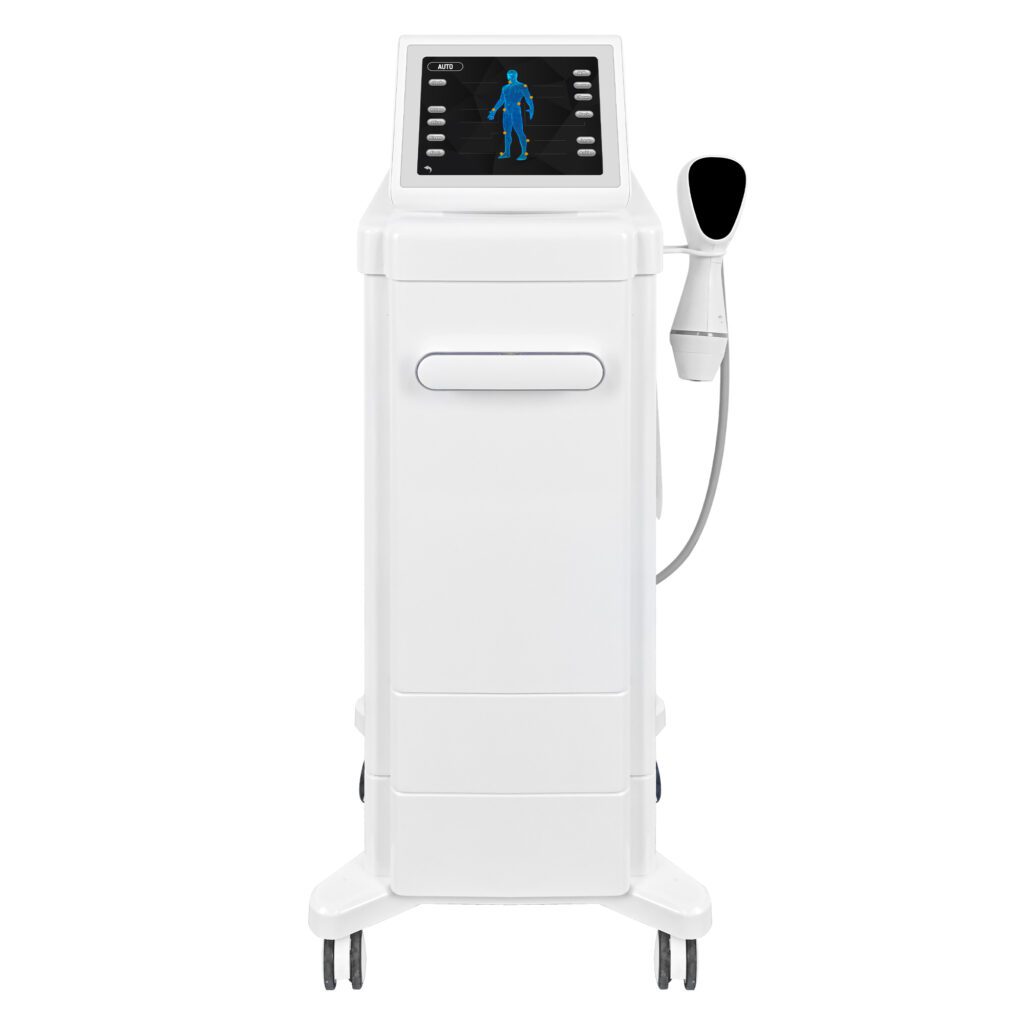
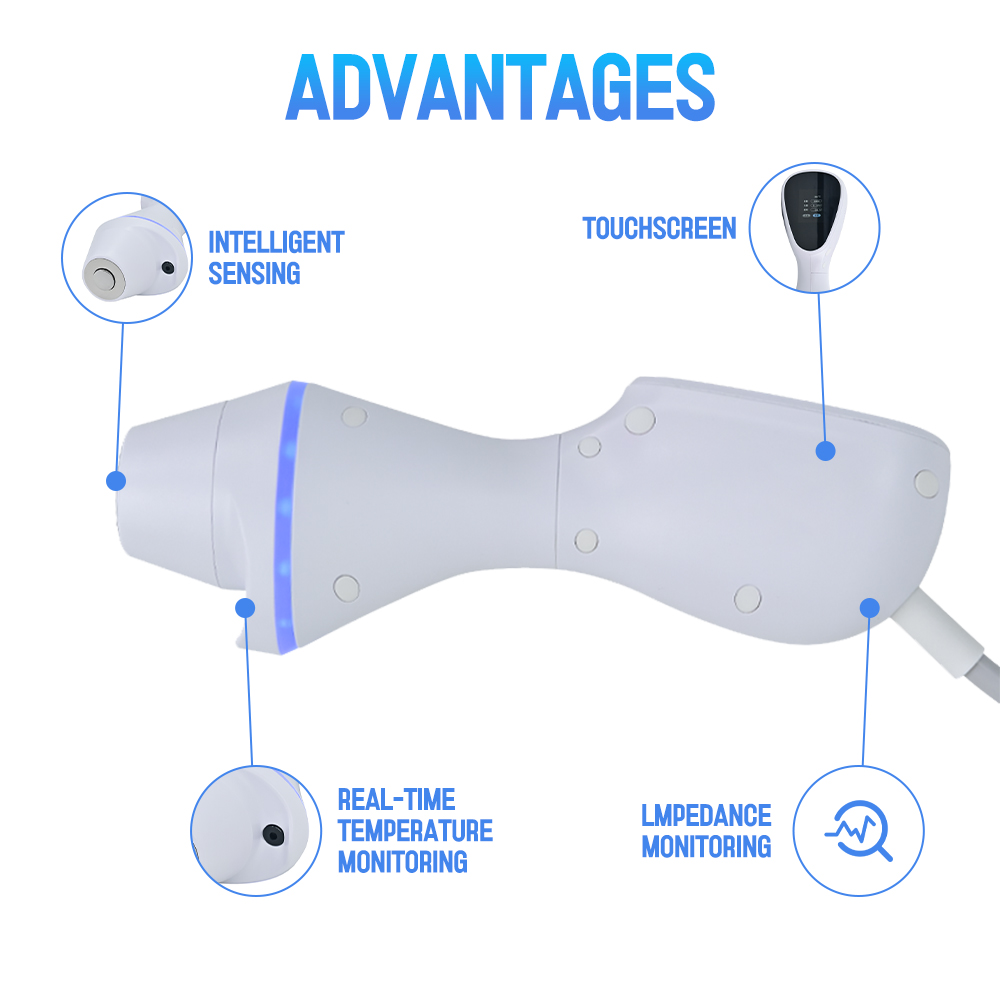
machine de micro-aiguilletage RF fractionnaire
4. Résultats et efficacité du traitement
Le microneedling par radiofréquence et les traitements au laser fractionné peuvent tous deux améliorer significativement la qualité de la peau, mais leurs résultats varient en fonction de la gravité du problème cutané.
Le microneedling par radiofréquence est particulièrement efficace pour :
• Cicatrices d'acné légères à modérées
• Pores dilatés
• Premiers signes du vieillissement
• Raffermissement et amélioration du grain de peau
Ce traitement renforce la structure du derme et améliore progressivement la fermeté de la peau au fil des séances.
Les lasers fractionnés, notamment les lasers CO₂, sont généralement recommandés pour les lésions cutanées plus importantes. Ces traitements peuvent améliorer considérablement les rides, les cicatrices profondes et les dommages causés par le soleil, car ils stimulent un remodelage plus intense du collagène.
Les comparaisons cliniques suggèrent que les lasers CO₂ fractionnés peuvent obtenir de meilleurs résultats en moins de séances, même si la période de récupération est plus longue.
5. Comparaison des temps d'arrêt et de récupération
Le temps de récupération est un facteur important dans le choix entre ces traitements.
Le microneedling par radiofréquence provoque généralement de légères rougeurs et un gonflement passager. La plupart des patients reprennent leurs activités normales en quelques jours.
Le resurfaçage fractionné au laser nécessite généralement une période de cicatrisation plus longue car il modifie la surface de la peau. Les patients peuvent présenter des rougeurs, une desquamation et une sensibilité pendant plusieurs jours, voire plusieurs semaines, selon l'intensité du traitement.
Comparaison typique de la récupération :
• Microneedling par radiofréquence : environ 1 à 3 jours de convalescence
• Laser fractionné : convalescence de plusieurs jours à deux semaines
Pour les clients qui préfèrent un temps d'arrêt minimal, le microneedling par radiofréquence peut être le choix le plus pratique.
6. Compatibilité avec le type de peau
Le type de peau est un autre critère important à prendre en compte lors du choix d'une technologie de traitement.
Le microneedling par radiofréquence est généralement sans danger pour la plupart des teints, car il délivre l'énergie sous la surface de la peau et réduit ainsi le risque de problèmes de pigmentation. Il convient donc également aux peaux plus foncées.
Les lasers fractionnés peuvent parfois augmenter le risque d'hyperpigmentation post-inflammatoire chez les personnes à la peau plus foncée en raison de leurs effets thermiques plus importants sur la surface de la peau.
De ce fait, de nombreux praticiens privilégient le microneedling par radiofréquence pour traiter les patients présentant des phototypes cutanés Fitzpatrick élevés.

7. Quel traitement est le meilleur pour les cliniques ?
Pour les cliniques esthétiques, le microneedling par radiofréquence et les appareils laser fractionnés offrent tous deux des options de traitement intéressantes.
Les appareils de micro-aiguillage RF sont souvent choisis parce qu'ils :
• Proposer des traitements sûrs pour de nombreux types de peau
• Nécessitent des temps de récupération plus courts
• Offre des applications polyvalentes pour le raffermissement de la peau et le traitement des cicatrices
Les systèmes laser fractionnés restent populaires car ils :
• Obtenir des résultats de resurfaçage spectaculaires
• Traiter les rides profondes et les cicatrices sévères
• Moins de séances sont nécessaires pour une amélioration visible
De nombreuses cliniques de pointe choisissent de proposer les deux technologies afin de pouvoir traiter un plus large éventail de problèmes cutanés.
Conclusion
micro-aiguilletage RF et laser fractionné Ces deux traitements sont des technologies puissantes utilisées dans les procédures modernes de rajeunissement cutané. Le microneedling par radiofréquence stimule la production de collagène dans le derme grâce à l'énergie radiofréquence délivrée par de minuscules aiguilles, offrant une amélioration progressive avec un temps de récupération minimal. Les traitements laser fractionnés créent des micro-lésions contrôlées dans la peau pour déclencher une régénération et un resurfaçage intenses.
Le microneedling par radiofréquence est souvent privilégié pour les problèmes cutanés légers à modérés et les patients souhaitant une convalescence plus courte. Les lasers fractionnés sont généralement plus adaptés aux rides profondes, aux cicatrices d'acné sévères et aux lésions cutanées importantes.
En définitive, le traitement le plus adapté dépend de l'état de la peau du patient, des résultats souhaités et de sa tolérance au temps de convalescence. Pour de nombreuses cliniques esthétiques, l'association des deux technologies offre les solutions de rajeunissement cutané les plus complètes.
FAQ
Q1 : Le microneedling RF est-il plus sûr que le laser fractionné ?
Le microneedling par radiofréquence présente généralement un risque plus faible de modifications de la pigmentation et un temps de récupération plus court, ce qui le rend adapté à un plus grand nombre de types de peau.
Q2 : Quel traitement est le plus efficace pour les cicatrices d'acné ?
Les cicatrices d'acné légères à modérées réagissent souvent bien au microneedling par radiofréquence, tandis que les cicatrices plus profondes peuvent davantage bénéficier d'un resurfaçage laser fractionné.
Q3 : Combien de séances sont nécessaires pour le microneedling par radiofréquence ?
La plupart des plans de traitement comprennent trois à six séances espacées de plusieurs semaines.
Q4 : Peut-on combiner le microneedling RF et le laser fractionné ?
Oui. De nombreuses cliniques combinent ces traitements pour améliorer à la fois le remodelage profond du collagène et la texture superficielle de la peau.