









Pain management is a critical part of modern rehabilitation and physical therapy. Conditions such as tendonitis, plantar fasciitis, muscle strain, and joint injuries often require non-invasive treatments to reduce discomfort and restore function. Among the most commonly used technologies are extracorporeal shockwave therapy (ESWT) and ultrasound therapy. Both methods are widely applied in clinics, but they differ significantly in mechanism, intensity, and clinical outcomes. So when comparing Eswt Machine vs Ultrasound Therapy, which treatment is actually better for pain relief? Understanding their differences can help practitioners and patients make more informed decisions.
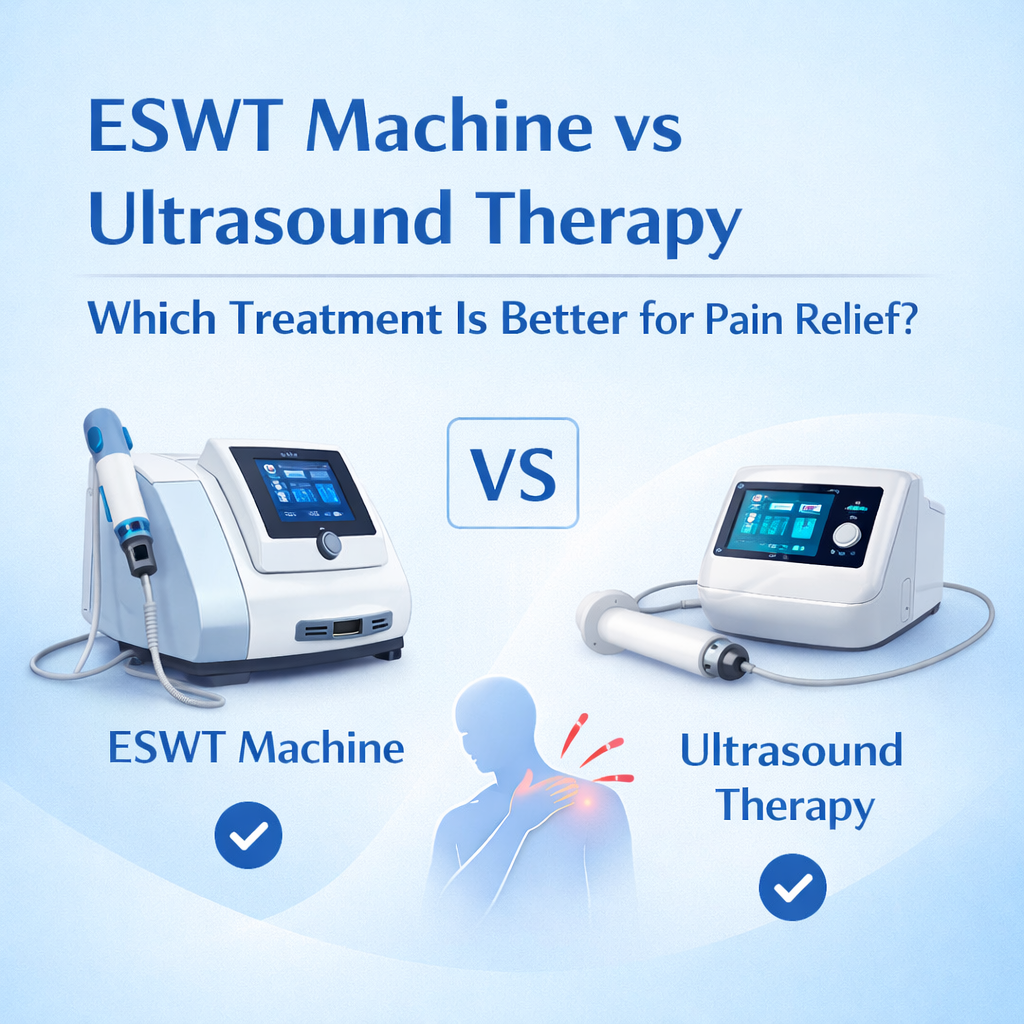
1. What Is an ESWT Machine?
Extracorporeal Shockwave Therapy (ESWT) uses high-energy acoustic waves to target damaged tissues. These shockwaves penetrate deep into muscles, tendons, and joints, stimulating biological responses that promote healing.
1.1 How ESWT Works
ESWT delivers mechanical pulses that create microtrauma in the affected area. This process triggers:
Increased blood circulation
Tissue regeneration
Reduction of inflammation
Stimulation of pain receptors
Additionally, ESWT activates nerve pathways that help block pain signals, providing both immediate and long-term relief. Studies show that ESWT can penetrate deeper tissues and deliver stronger energy compared to ultrasound therapy, making it particularly effective for chronic pain conditions .
1.2 Advanced ESWT Devices
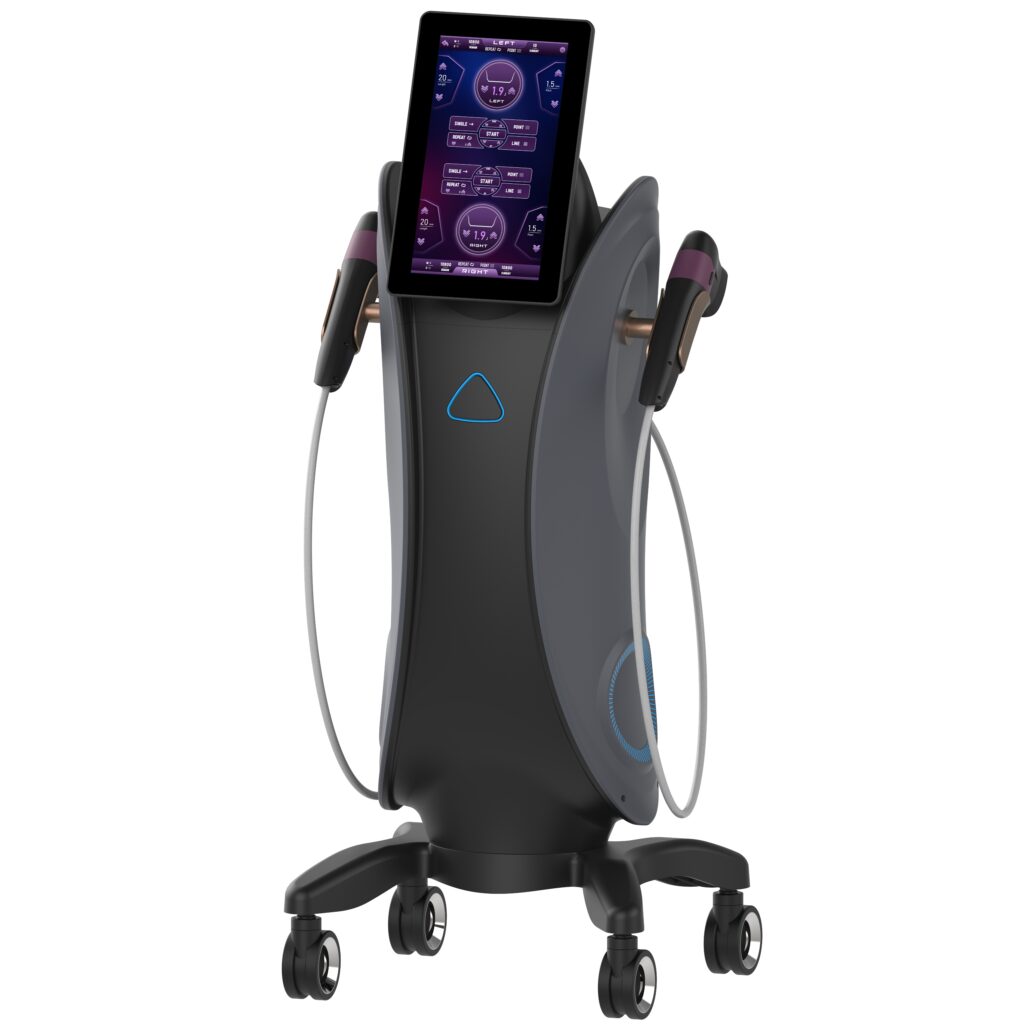
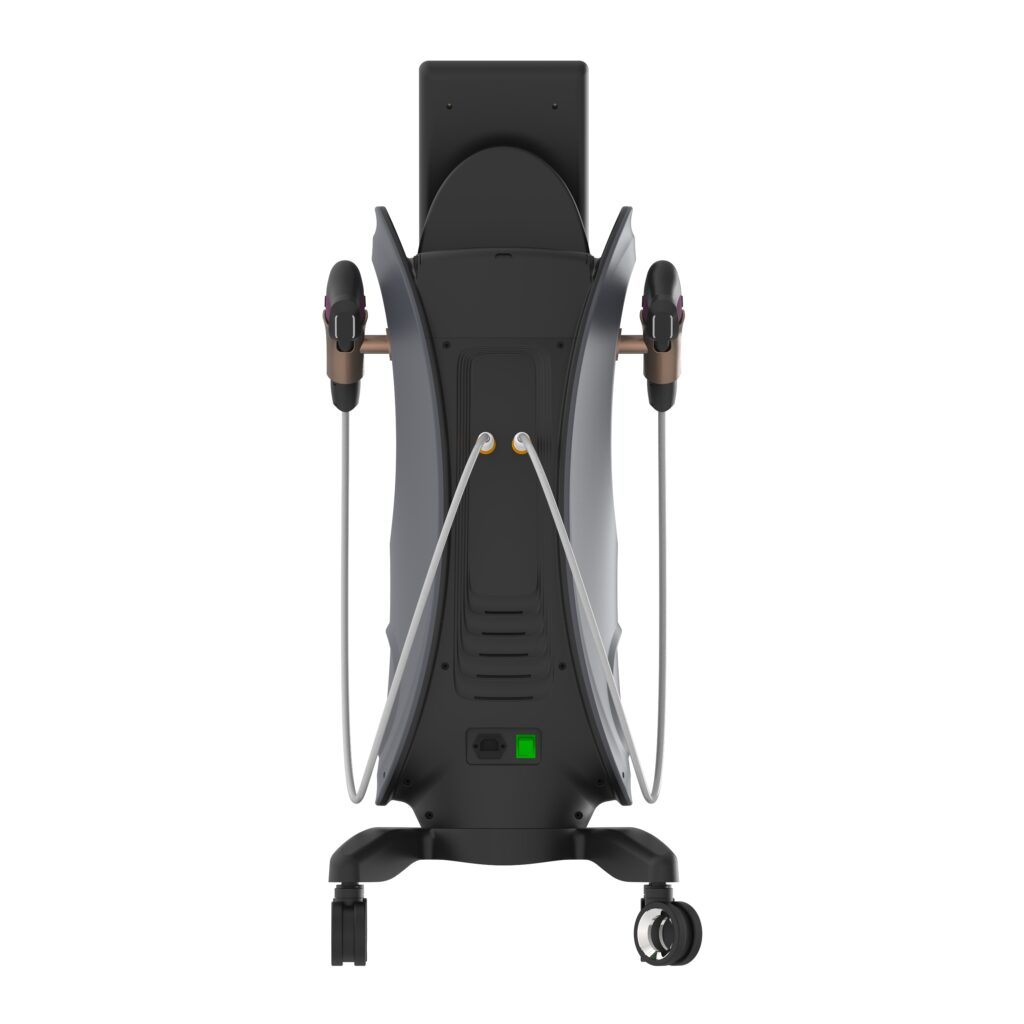
Modern devices like the SW12 ESWT Pain Relieve Focus Shockwave Treatment Tecar Shock Wave Laser Therapy combine shockwave technology with additional therapeutic modalities. These machines are designed to enhance treatment precision, improve energy delivery, and support faster recovery in clinical settings.
2. What Is Ultrasound Therapy?
Ultrasound therapy uses high-frequency sound waves to generate heat within soft tissues. It is a long-established treatment method commonly used in physiotherapy.
2.1 How Ultrasound Therapy Works
Ultrasound waves create vibrations in tissue, producing gentle heat that helps:
Improve blood flow
Relax muscles
Reduce stiffness
Promote mild tissue healing
Unlike ESWT, ultrasound therapy delivers lower energy levels and focuses more on surface or moderately deep tissues.
2.2 Common Applications
Ultrasound therapy is often used for:
Muscle spasms
Mild inflammation
Early-stage injuries
Soft tissue stiffness
Because of its gentle nature, it is typically recommended for less severe or acute conditions.
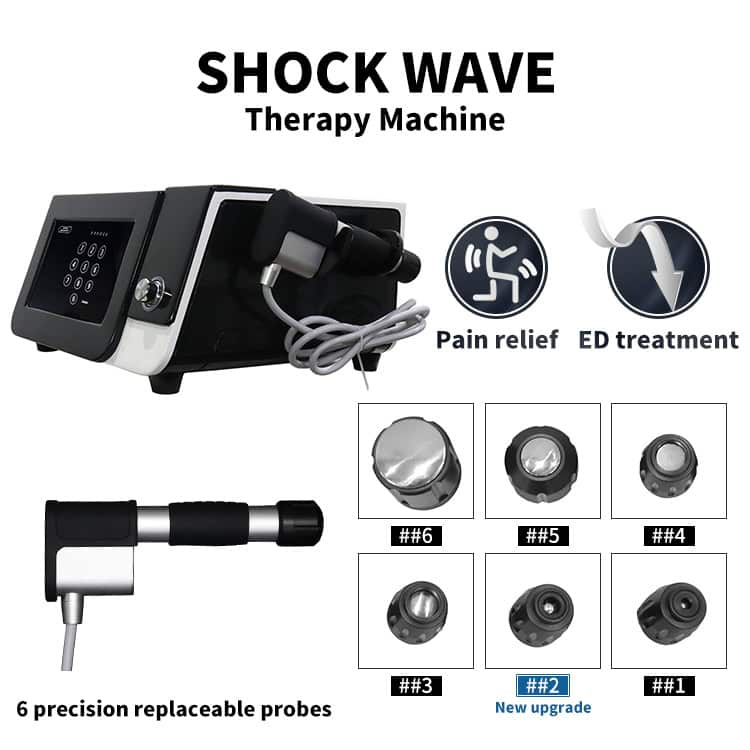
sw12 shockwave therapy machine
3. Key Differences Between ESWT and Ultrasound Therapy
When comparing Eswt Machine vs Ultrasound Therapy, several important differences stand out.
3.1 Energy Level and Penetration
ESWT: High-energy waves that penetrate deep tissues
Ultrasound: Lower-energy waves with more superficial effects
This difference makes ESWT more suitable for chronic and deep musculoskeletal conditions.
3.2 Treatment Duration and Frequency
ESWT: Fewer sessions required, often once per week
Ultrasound: Multiple sessions per week over several weeks
ESWT tends to provide faster results with fewer treatments.
3.3 Pain Relief Mechanism
ESWT: Directly stimulates pain receptors and promotes tissue regeneration
Ultrasound: Relieves pain indirectly through heat and circulation
Because of this, ESWT often produces more noticeable pain reduction in a shorter time.
4. Clinical Evidence: Which Is More Effective for Pain Relief?
Scientific studies provide valuable insight into the effectiveness of both treatments.
4.1 ESWT vs Ultrasound in Pain Reduction
Multiple meta-analyses and clinical trials indicate that ESWT generally provides superior pain relief compared to ultrasound therapy. For example, research shows that ESWT achieves significantly greater pain reduction in conditions like tennis elbow and tendinopathy .
Another systematic review found that ESWT consistently outperformed ultrasound in reducing pain intensity and improving patient satisfaction in plantar fasciitis cases.
4.2 Functional Improvement Comparison
While ESWT shows stronger pain reduction, some studies suggest that functional improvement between the two treatments may be similar in certain cases . This means both therapies can help restore movement, but ESWT may relieve pain faster.
4.3 Speed of Recovery
Research also indicates that ESWT can reduce pain more quickly and require fewer treatment sessions compared to ultrasound therapy.

sw12 shockwave therapy machine
5. When to Choose ESWT vs Ultrasound Therapy
Choosing between ESWT and ultrasound depends on the patient’s condition, severity of pain, and treatment goals.
5.1 When ESWT Is the Better Choice
ESWT is generally preferred for:
Chronic pain conditions
Tendon injuries (e.g., tennis elbow, Achilles tendinitis)
Plantar fasciitis
Calcified tissue disorders
Its deeper penetration and stronger stimulation make it ideal for long-term or stubborn pain.
5.2 When Ultrasound Therapy Is More Suitable
Ultrasound therapy may be a better option for:
Acute injuries
Mild inflammation
Muscle tightness
Early rehabilitation stages
It provides a gentler approach with minimal discomfort.
6. Advantages and Limitations
6.1 Advantages of ESWT
Faster pain relief
Fewer treatment sessions
Effective for chronic conditions
Deep tissue penetration
6.2 Limitations of ESWT
May cause temporary discomfort during treatment
Not always suitable for very sensitive patients
6.3 Advantages of Ultrasound Therapy
Comfortable and painless
Suitable for early-stage injuries
Widely available
6.4 Limitations of Ultrasound Therapy
Slower results
Requires more sessions
Limited effectiveness for deep or chronic pain
7. Safety Considerations
Both ESWT and ultrasound therapy are generally safe when performed by trained professionals. However, proper diagnosis and treatment planning are essential.
Patients with certain conditions—such as pregnancy, severe circulatory disorders, or implanted medical devices—should consult a healthcare provider before undergoing treatment.
Conclusion
When comparing Eswt Machine vs Ultrasound Therapy, both treatments offer valuable benefits in pain management, but they serve different purposes. Ultrasound therapy is a gentle, traditional option best suited for mild or early-stage conditions. In contrast, ESWT delivers stronger, deeper stimulation that promotes faster and more effective pain relief, especially for chronic musculoskeletal disorders. Clinical evidence consistently shows that ESWT provides superior pain reduction in many cases, making it the preferred choice for more severe or long-lasting conditions. Ultimately, the best treatment depends on the patient’s specific needs, but for those seeking quicker and more powerful results, ESWT stands out as the more effective solution.