Magneto therapy has become increasingly popular in physical rehabilitation, sports recovery, and pain management clinics. Among the available technologies, physio magneto therapy machines—especially those using pulsed electromagnetic field (PEMF or PMST) technology—are widely adopted due to their non-invasive nature and broad therapeutic applications. As daily rehabilitation protocols become more common, many practitioners and patients ask the same question: is a physio magneto therapy machine safe for daily use? Understanding how this technology works, its safety profile, and proper usage guidelines is essential for effective and responsible rehabilitation.
1. Understanding Physio Magneto Therapy Technology
1.1 What Is Magneto Therapy?
Physio magneto therapy is a rehabilitation technique that uses low-frequency pulsed electromagnetic fields to stimulate biological tissues. These electromagnetic waves penetrate deep into muscles, joints, bones, and connective tissues without generating heat or causing tissue damage. The primary goal is to improve circulation, reduce inflammation, accelerate tissue repair, and relieve pain.
1.2 How PMST and PEMF Systems Work
Modern systems, such as PMST or PEMF-based machines, deliver controlled electromagnetic pulses that interact with the body’s natural electrical signals. These pulses influence ion exchange at the cellular level, supporting metabolism, oxygen delivery, and cellular regeneration. Because the energy is non-thermal and non-invasive, magneto therapy is often considered suitable for repeated rehabilitation sessions.
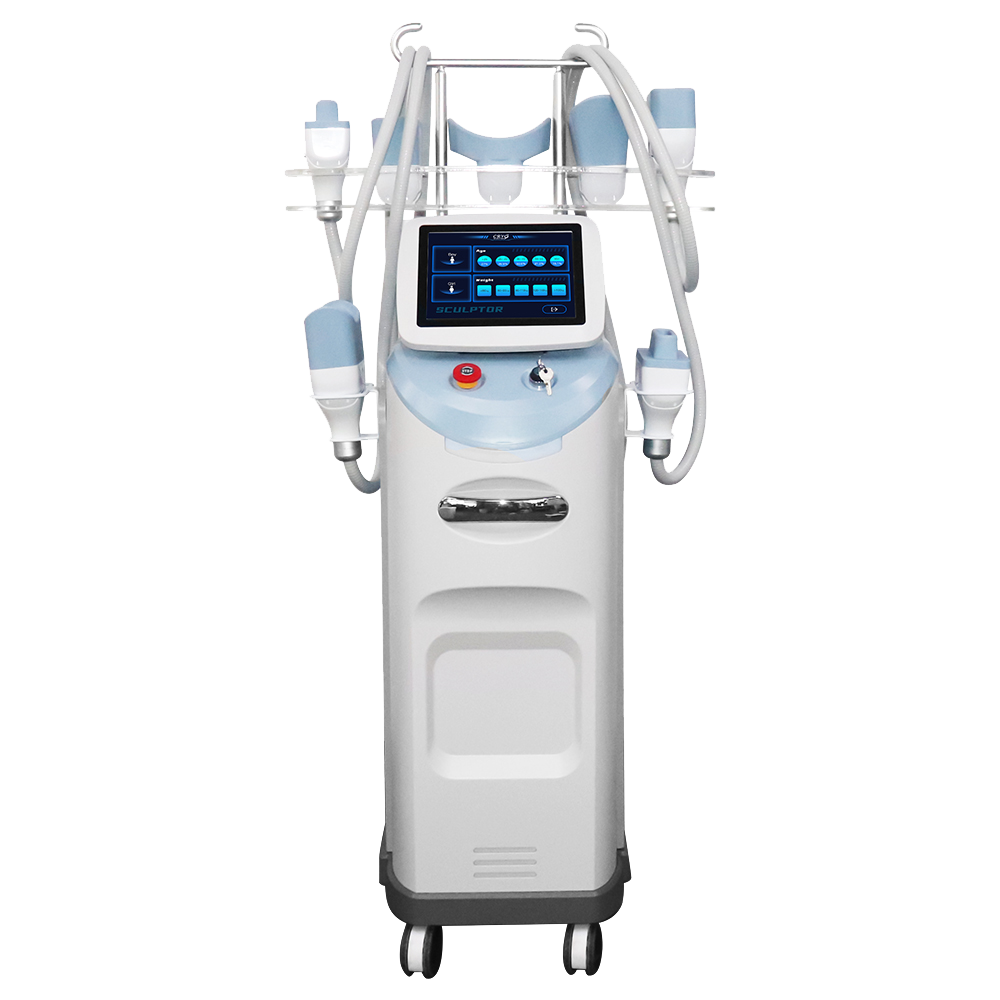
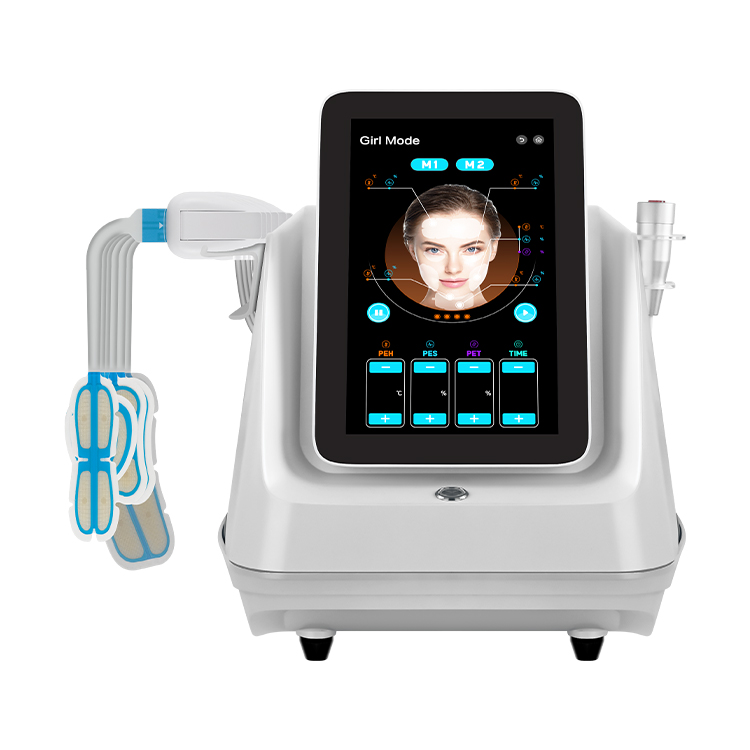
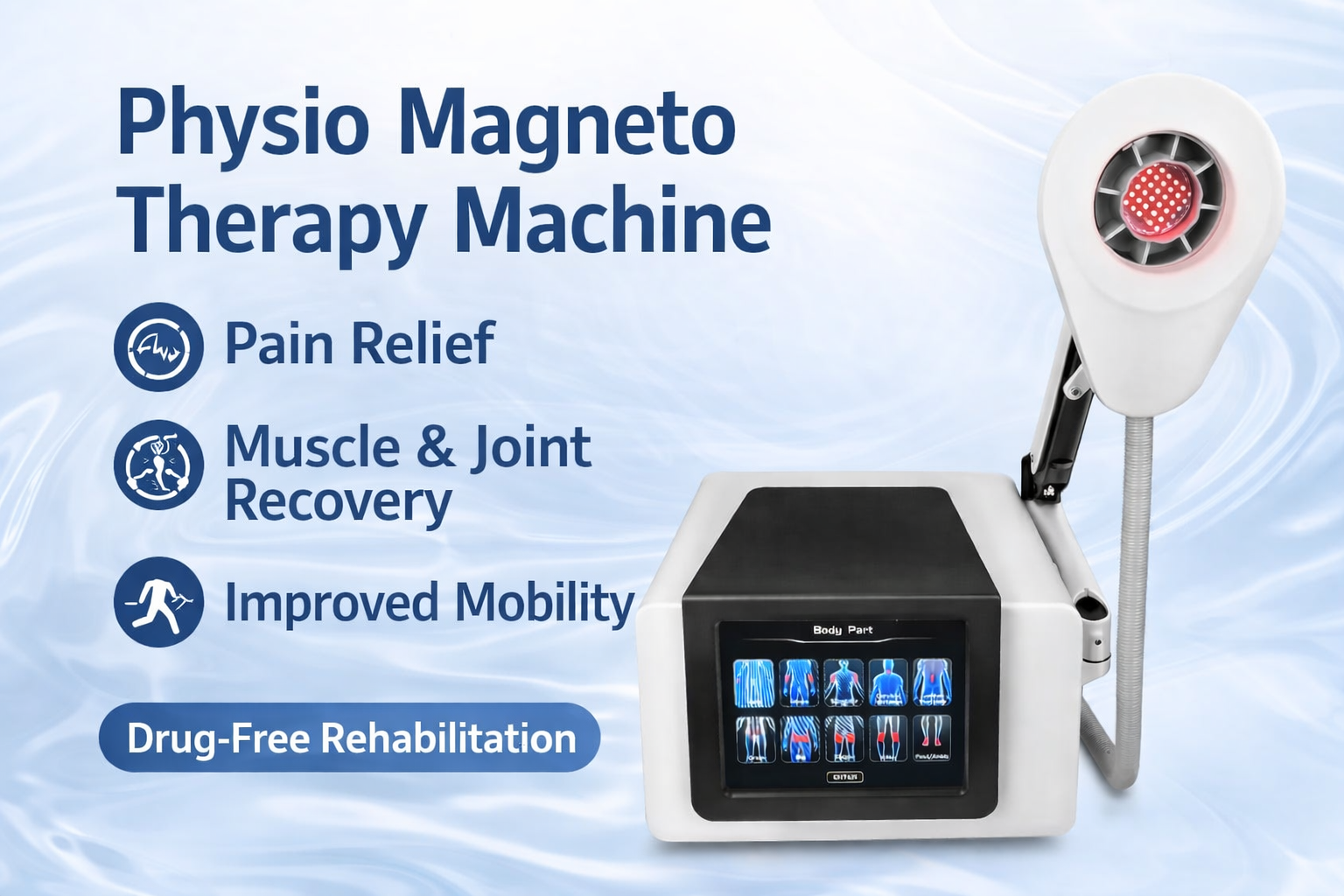
A representative example is the 3-in-1 Combination Machine (PMST + Wave + Magnetotherapy), which integrates multiple therapeutic modes for comprehensive rehabilitation support.
https://shefmon.com/product/a0275e-3-in-1-combination-machine-pmst-wave-magnetotherapy/
2. Safety Profile of Magneto Therapy in Rehabilitation
2.1 Non-Invasive and Drug-Free Treatment
One of the key safety advantages of physio magneto therapy machines is that they do not require medication, injections, or surgical procedures. The electromagnetic fields used are carefully calibrated to remain within clinically accepted safety ranges. As a result, treatments are generally painless and well tolerated by most individuals.
This non-invasive nature significantly reduces the risk of adverse reactions compared to pharmacological pain management or invasive rehabilitation techniques.
2.2 Long History of Clinical Use
Magneto therapy has been used in rehabilitation and physiotherapy settings for decades. It is commonly applied in orthopedic recovery, sports injury rehabilitation, and chronic pain management. Numerous clinical studies and long-term usage data support its overall safety when used according to recommended protocols.

A0275E Máquina combinada 3 en 1 Magnetoterapia por ondas Pmst
3. Is Daily Use Safe for Rehabilitation Patients?
3.1 Frequency and Duration Considerations
Daily magneto therapy sessions are often prescribed in rehabilitation programs, particularly during acute recovery phases or post-injury treatment. Typical sessions range from 15 to 30 minutes, depending on the condition being treated and the intensity settings used.
Because magneto therapy does not overstimulate muscles or nerves, daily use is generally considered safe when session length and intensity are properly controlled.
3.2 Gradual and Cumulative Effects
Unlike aggressive therapies that stress tissues, magneto therapy works gradually by supporting natural healing processes. Daily sessions allow for cumulative benefits without overloading the body. This makes it suitable for consistent rehabilitation routines, especially for chronic conditions that require ongoing management.
4. Conditions That Benefit from Daily Magneto Therapy
4.1 Musculoskeletal and Joint Disorders
Daily use of physio magneto therapy machines is commonly recommended for conditions such as arthritis, tendonitis, joint stiffness, and lower back pain. Regular sessions help reduce inflammation and improve joint mobility over time.
4.2 Post-Injury and Post-Surgical Recovery
After fractures, ligament injuries, or orthopedic surgery, daily magneto therapy can support tissue regeneration and circulation. Many rehabilitation specialists include magneto therapy as part of a structured recovery plan to promote faster healing while minimizing discomfort.
4.3 Sports and Chronic Rehabilitation
Athletes and individuals with chronic musculoskeletal stress often benefit from daily sessions during intense training or recovery periods. Magneto therapy helps manage muscle fatigue and supports consistent performance without placing additional strain on the body.
5. When Daily Use May Not Be Appropriate
5.1 Contraindications and Precautions
Although generally safe, physio magneto therapy is not suitable for everyone. Individuals with implanted electronic devices such as pacemakers, those who are pregnant, or patients with active tumors should avoid magneto therapy unless approved by a medical professional.
Additionally, treatment should not be applied over areas with active bleeding or severe infections.
5.2 Importance of Professional Guidance
Daily rehabilitation protocols should ideally be designed or supervised by a qualified physiotherapist or healthcare provider. Professional guidance ensures correct intensity levels, appropriate session duration, and proper application areas, reducing the risk of ineffective or inappropriate use.
6. Best Practices for Safe Daily Rehabilitation Use
6.1 Start with Conservative Settings
For new users, it is recommended to begin with lower intensity settings and gradually increase based on tolerance and therapeutic response. This approach allows the body to adapt comfortably to daily electromagnetic stimulation.
6.2 Monitor Progress and Adjust Protocols
Regular assessment of symptoms and functional improvements is essential. If discomfort, fatigue, or unusual reactions occur, session frequency or intensity should be adjusted accordingly. Magneto therapy is most effective when integrated into a comprehensive rehabilitation plan that includes exercise and manual therapy where appropriate.
Conclusión
Physio magneto therapy machines are widely regarded as safe for daily rehabilitation use when applied correctly and within recommended guidelines. Their non-invasive, drug-free nature and gentle mechanism of action make them suitable for consistent treatment in musculoskeletal recovery, post-injury rehabilitation, and chronic pain management. While daily sessions can support cumulative healing benefits, proper patient selection, professional supervision, and adherence to safety precautions remain essential. When used responsibly, magneto therapy can be a reliable and effective component of modern rehabilitation programs.