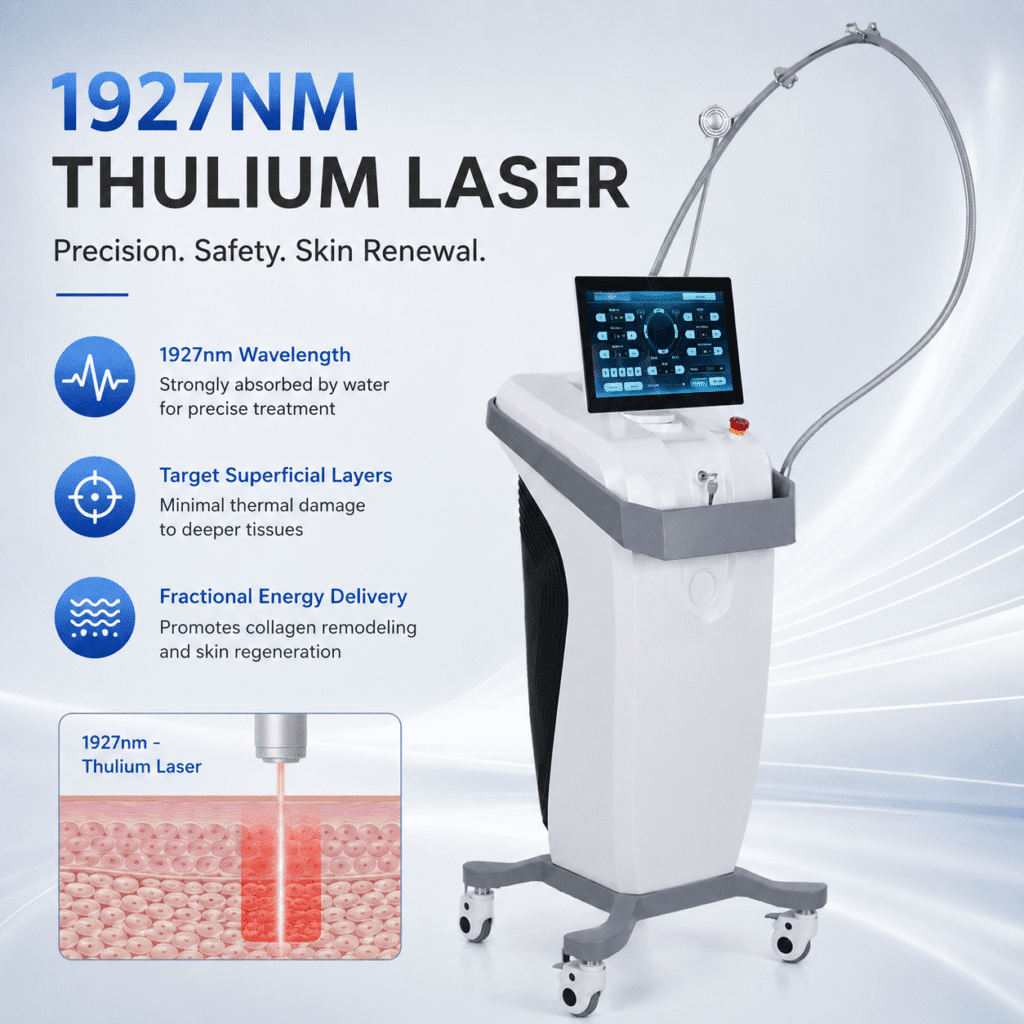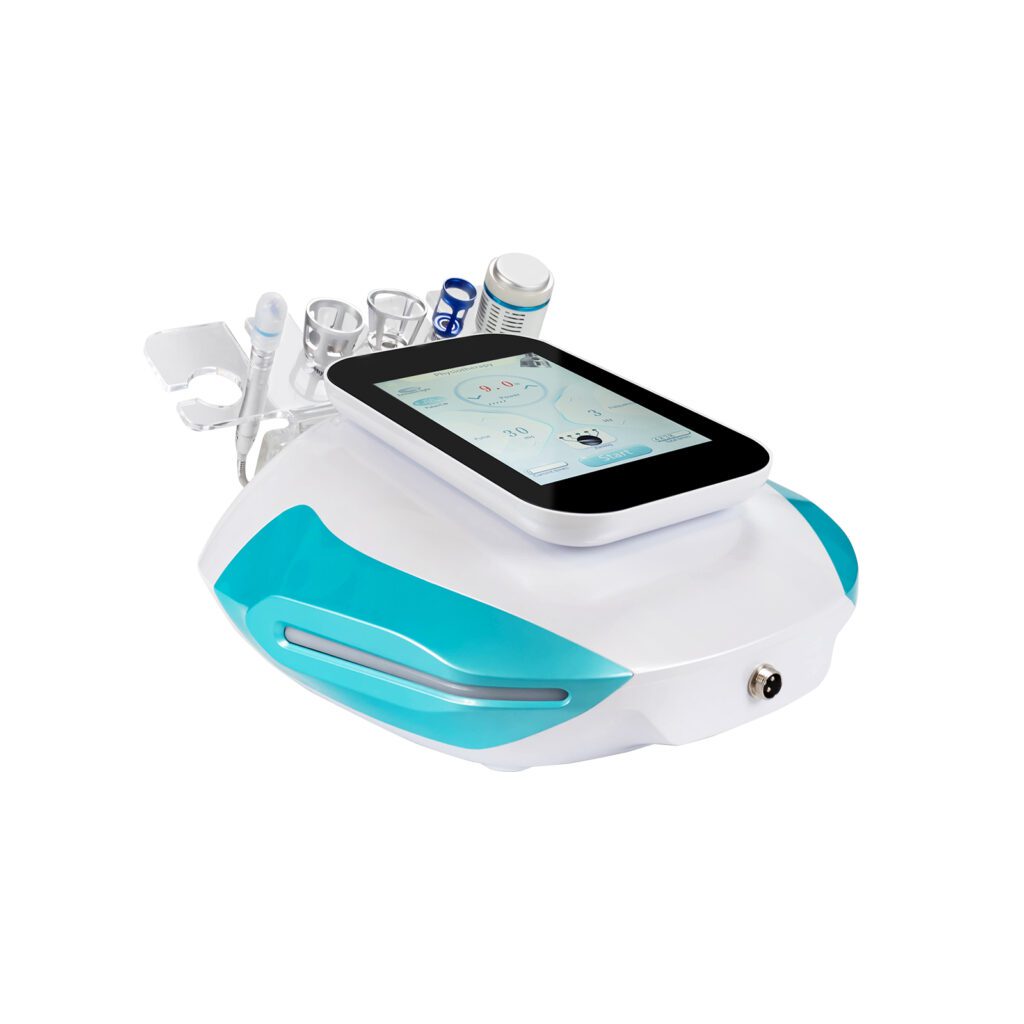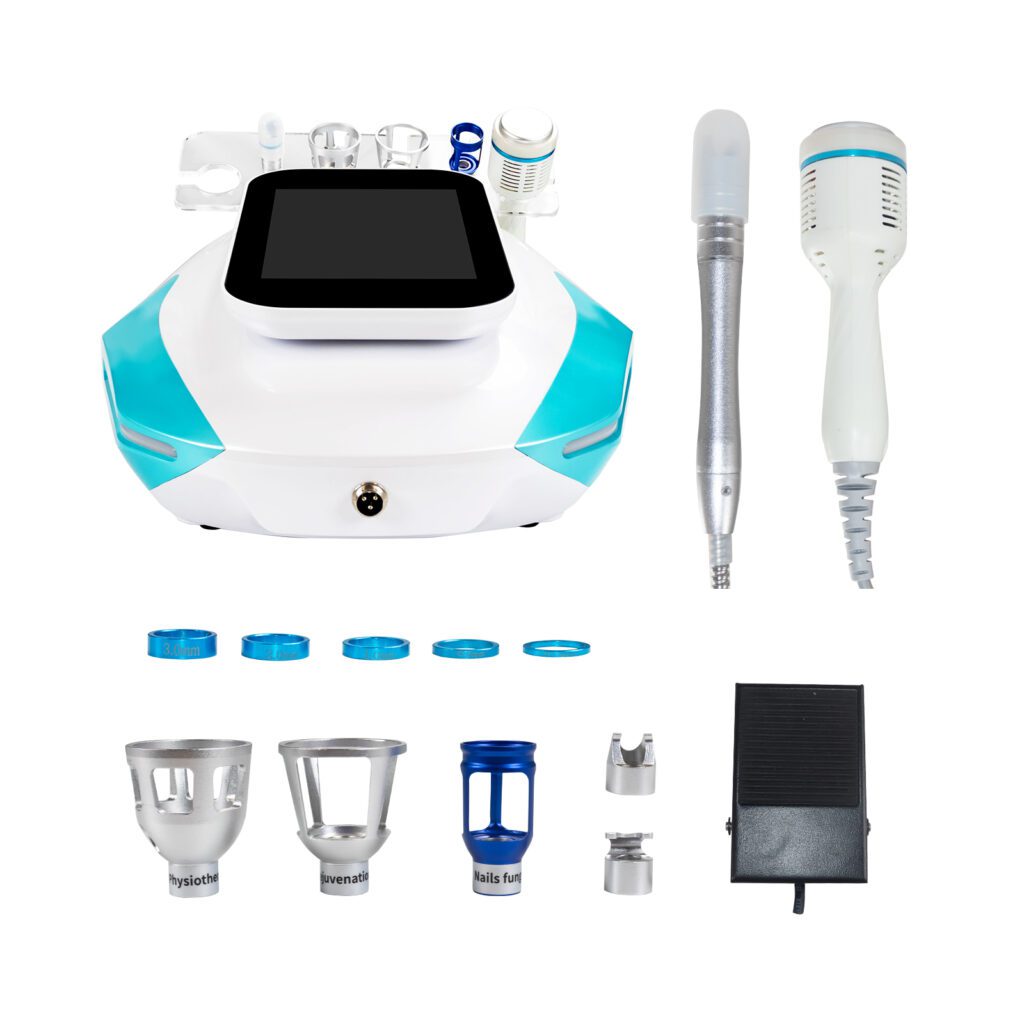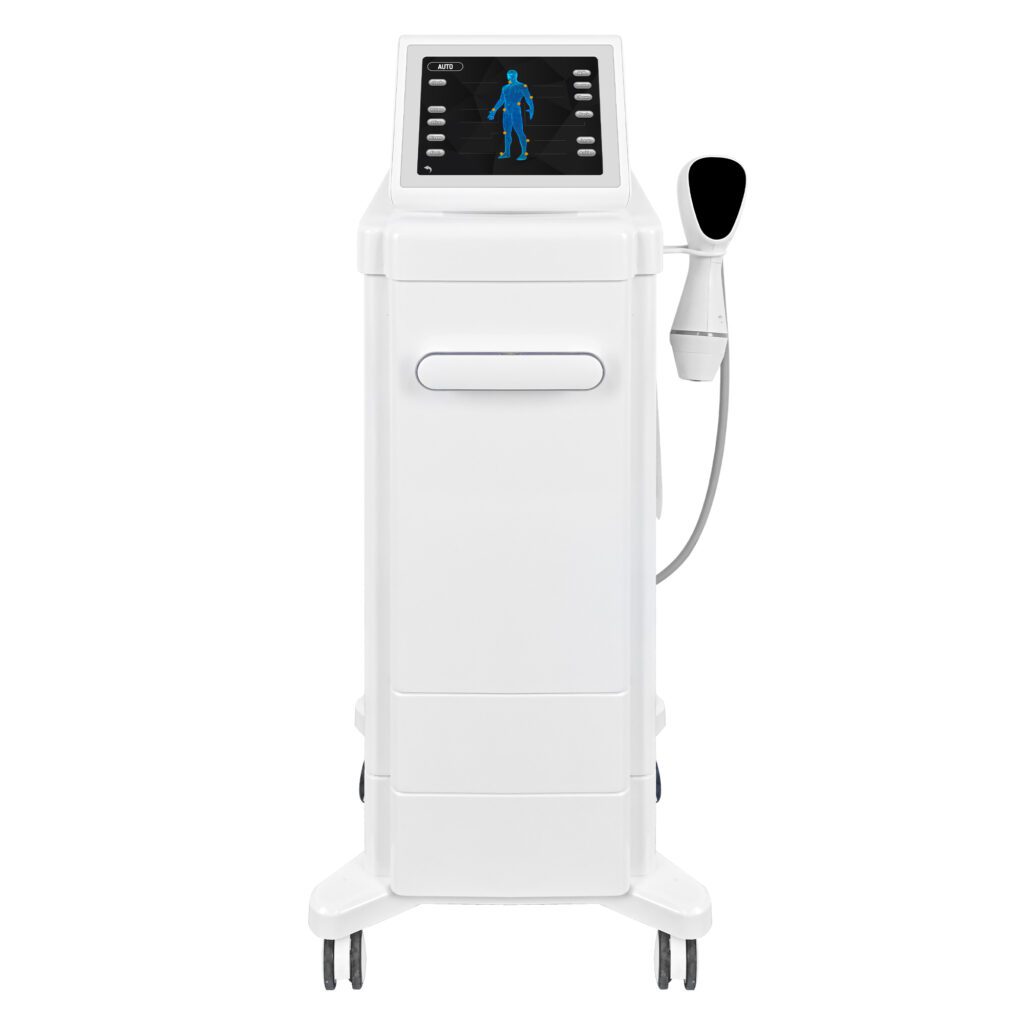










Cómo Shefmon implementa el control de calidad desde las materias primas hasta los productos terminados.
Por qué el control de calidad es importante en la fabricación moderna
El costo de la mala calidad en la producción
El control de calidad ya no es solo una lista de verificación al final de la producción; es la columna vertebral de la fabricación moderna. Cuando las empresas descuidan la calidad, las consecuencias se extienden a todos los niveles del negocio, desde mayores devoluciones hasta un daño a la reputación de la marca. Imagínese construir una casa con cimientos débiles; aunque el exterior luzca espectacular, no resistirá el paso del tiempo. El mismo principio se aplica a la fabricación. La mala calidad suele generar retrabajos, desperdicio de materiales, retrasos en los envíos y clientes insatisfechos. Estos problemas no solo aumentan los costos operativos, sino que también reducen la competitividad en mercados saturados.
Los recientes avances en la industria ponen de manifiesto el gran impacto que puede tener un control de calidad riguroso. Por ejemplo, la mejora de los procedimientos de inspección en la fabricación aeroespacial redujo los defectos en un importante proveedor en un 60%, mientras que las empresas también gastaron 40% menos horas Se han resuelto problemas relacionados con la calidad tras reforzar los sistemas de inspección. Estas cifras demuestran que un control de calidad riguroso no solo previene errores, sino que mejora activamente la eficiencia y la rentabilidad. Las empresas que integran el control de calidad desde las primeras etapas del proceso suelen experimentar operaciones más fluidas y una mayor escalabilidad.
El control de calidad también actúa como puente de comunicación entre ingeniería, producción y las expectativas del cliente. En lugar de reaccionar ante los fallos, los sistemas de control de calidad modernos priorizan la prevención. Esta mentalidad proactiva permite a los fabricantes identificar tendencias, detectar anomalías y optimizar los procesos antes de que los defectos lleguen a los clientes. En definitiva, el control de calidad transforma la fabricación, pasando de un flujo de trabajo reactivo a una operación predictiva basada en datos que minimiza los riesgos y maximiza la fiabilidad del producto.
Cómo el control de calidad genera confianza en el cliente.
La confianza es fundamental en la fabricación global, especialmente en industrias como la de los equipos de belleza, donde el rendimiento y la seguridad son cruciales. Los compradores buscan la garantía de que cada producto que reciben cumple con estándares uniformes. El control de calidad genera esta confianza mediante la implementación de procesos de inspección repetibles y procedimientos de prueba documentados. Cuando los clientes saben que cada dispositivo se somete a una evaluación rigurosa, es mucho más probable que establezcan relaciones comerciales a largo plazo.
El control de calidad también reduce la incertidumbre. Los compradores que se abastecen en el extranjero suelen preocuparse por la variabilidad entre lotes. Un sistema de control de calidad estructurado elimina este temor al garantizar que los materiales, el ensamblaje y las pruebas finales sigan procedimientos estandarizados. Esta consistencia fortalece la credibilidad de la marca y fomenta los pedidos repetidos. Los fabricantes con sólidas prácticas de control de calidad suelen experimentar menores tasas de disputas y una mayor fidelización de clientes.
Otro factor importante es el cumplimiento normativo. Los productos que cumplen con los estándares internacionales son más fáciles de vender en mercados regulados. Al integrar las certificaciones en el proceso de calidad, los fabricantes pueden agilizar las aprobaciones y reducir las barreras de entrada. El control de calidad se convierte no solo en una herramienta operativa, sino en una ventaja estratégica que ayuda a las empresas a expandirse globalmente manteniendo la fiabilidad y la confianza.
Descripción general del sistema de control de calidad de Shefmon
Estructura de inspección multietapa
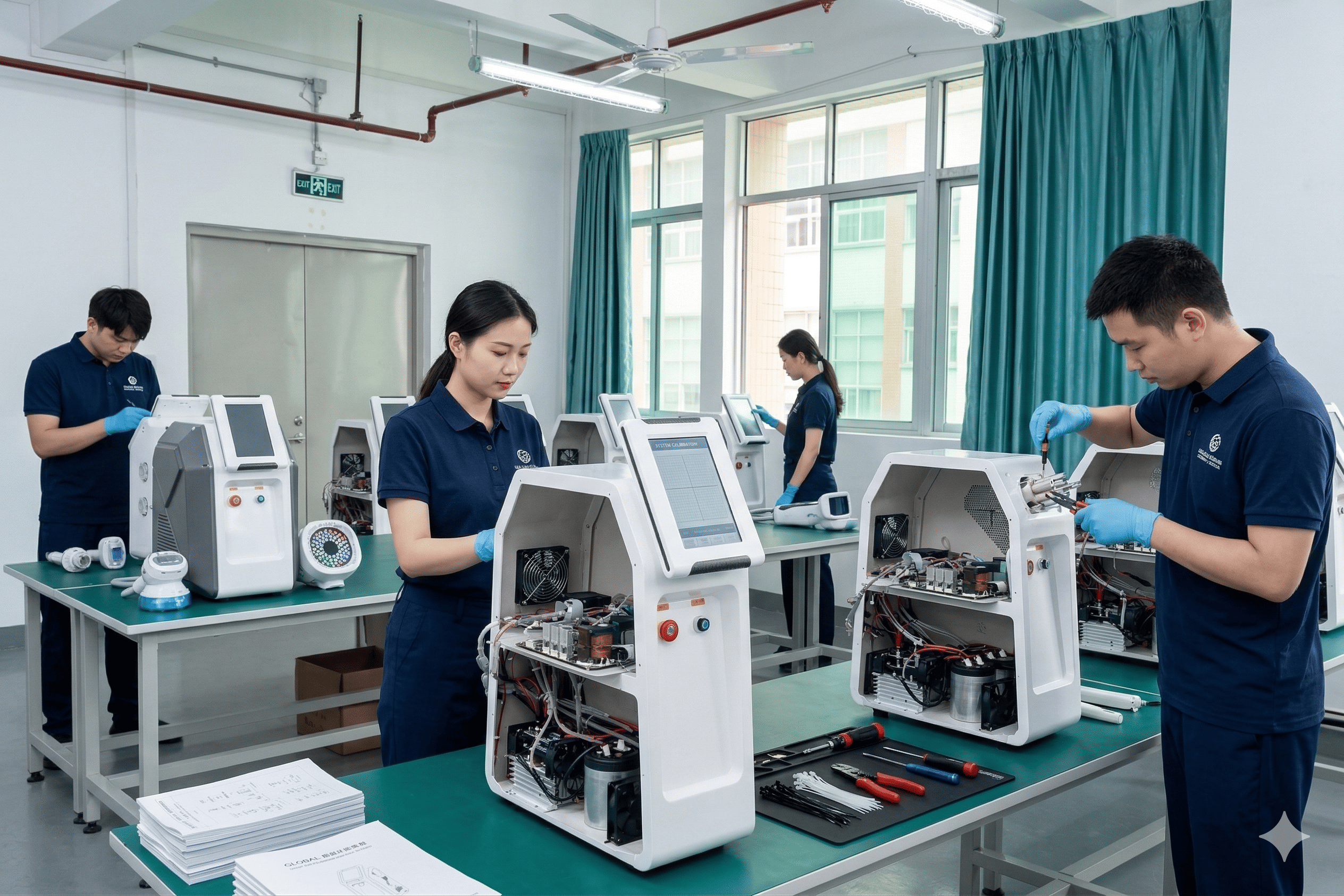
Shefmon emplea un sistema integral de control de calidad multietapa que abarca todas las fases de producción, desde la recepción de materias primas hasta el envío final. Cada etapa es supervisada por personal especializado de control de calidad que utiliza equipos de prueba profesionales. Este enfoque por etapas garantiza la detección temprana de defectos, evitando costosas correcciones posteriores. El sistema incluye control de calidad de materias primas, monitoreo durante el proceso, pruebas finales y verificación de envío, creando una estructura de gestión de calidad de ciclo cerrado.
La eficacia de esta estructura radica en su redundancia. En lugar de depender de un único punto de inspección, se integran múltiples puntos de control a lo largo del proceso de fabricación. Esta estrategia reduce significativamente la probabilidad de que los productos defectuosos lleguen a los clientes. La detección temprana también minimiza el tiempo de inactividad y mejora la eficiencia de la producción. Al identificar los problemas en su origen, los equipos pueden implementar rápidamente acciones correctivas sin interrumpir toda la línea de producción.
Otra ventaja de este enfoque multietapa es la escalabilidad. A medida que aumenta el volumen de producción, el mismo marco de inspección puede adaptarse a un mayor rendimiento sin comprometer la calidad. Esto es especialmente importante para los fabricantes en crecimiento que deben mantener la consistencia mientras expanden sus operaciones. El sistema de control de calidad de Shefmon demuestra cómo las capas de inspección estructuradas pueden brindar confiabilidad y escalabilidad simultáneamente.
Función de los equipos de control de calidad experimentados
Detrás de cada sistema de control de calidad eficaz hay un equipo altamente capacitado. El personal de control de calidad de Shefmon incluye inspectores e ingenieros especializados responsables de supervisar las distintas etapas de producción. Su experiencia les permite realizar tanto inspecciones completas como controles aleatorios, equilibrando precisión y eficiencia. Esta flexibilidad garantiza que los componentes críticos reciban una evaluación exhaustiva sin ralentizar la producción general.
Los equipos de control de calidad experimentados también contribuyen a la mejora continua. Cuando los inspectores identifican problemas recurrentes, colaboran con los departamentos de ingeniería y producción para perfeccionar los procesos. Este ciclo de retroalimentación optimiza el diseño del producto y reduce la tasa de defectos con el tiempo. No se trata solo de detectar errores, sino de aprender de ellos y prevenir que se repitan.
Además, los profesionales de control de calidad altamente capacitados dominan el uso de instrumentos de prueba avanzados, como multímetros, osciloscopios y medidores de potencia. Estas herramientas permiten medir con precisión el rendimiento eléctrico y los parámetros de seguridad. Al combinar la experiencia humana con el equipamiento técnico, el equipo de control de calidad garantiza que cada producto cumpla con los estrictos requisitos funcionales y de seguridad.
Control de calidad de entrada (IQC) – Inspección de materia prima
Comprobaciones de apariencia y rendimiento de los materiales
La primera línea de defensa en el proceso de control de calidad de Shefmon es el control de calidad de entrada. Antes de que las materias primas entren en producción, se someten a una inspección detallada para verificar tanto su apariencia como su funcionalidad. Componentes como carcasas de plástico, estructuras metálicas y piezas electrónicas se examinan minuciosamente en busca de defectos como arañazos, óxido o deformaciones. Este paso evita que los materiales de baja calidad comprometan la calidad del producto final.
Además de las inspecciones visuales, también se realizan pruebas de rendimiento. Se evalúan parámetros clave, como la velocidad del motor y la precisión del sensor, para garantizar el cumplimiento de las especificaciones de diseño. Los materiales deben cumplir con estrictos niveles de tolerancia, generalmente con una desviación de ±5% respecto a los valores requeridos. Al aplicar estos estándares, el equipo de control de calidad garantiza que la producción comience con componentes fiables.
Este enfoque proactivo reduce significativamente los problemas posteriores. Cuando los materiales defectuosos llegan a producción, suelen provocar problemas en cadena que son más difíciles de detectar posteriormente. Al filtrar los materiales en el punto de entrada, Shefmon minimiza las repeticiones de trabajo y garantiza un ensamblaje más fluido. Esta estrategia también mejora la responsabilidad de los proveedores, ya que los datos de inspección consistentes ayudan a identificar a los proveedores que cumplen con las expectativas de calidad.
Manejo de materiales no conformes
Cuando los materiales no superan la inspección, se aíslan y documentan de inmediato. El equipo de control de calidad informa de las inconsistencias a los equipos de compras, y los artículos defectuosos se devuelven a los proveedores. Esta respuesta estructurada evita que componentes dudosos entren en la línea de producción. Además, establece canales de comunicación claros entre los departamentos de control de calidad y compras.
Documentar los materiales no conformes proporciona información valiosa. Con el tiempo, el análisis de datos puede revelar patrones, como defectos recurrentes de proveedores específicos. Esta información ayuda a los fabricantes a tomar decisiones de abastecimiento fundamentadas. Al eliminar a los proveedores poco fiables, las empresas pueden fortalecer aún más su ecosistema de control de calidad.
Este proceso de gestión sistemático garantiza la rendición de cuentas y la transparencia. En lugar de basarse en juicios subjetivos, las decisiones se fundamentan en criterios medibles. Esta coherencia mejora la eficiencia operativa y refuerza la fiabilidad del sistema de control de calidad en su conjunto.
Control de calidad en proceso (IPQC) durante la producción
Pruebas y monitoreo de placas de circuitos impresos
Una vez que los materiales superan el IQC, pasan al control de calidad en proceso. Durante esta fase, las placas de circuitos y los sistemas electrónicos se someten a pruebas exhaustivas. Shefmon realiza Inspección 100% de placas de circuitos, asegurando su funcionalidad antes del ensamblaje en los dispositivos finales. Este paso es crucial porque las fallas electrónicas suelen ser difíciles de diagnosticar después del ensamblaje completo.
El monitoreo continuo durante la producción ayuda a mantener la consistencia. Los ingenieros realizan controles aleatorios junto con inspecciones completas para validar la estabilidad del proceso. Esta combinación equilibra la eficiencia con la precisión, asegurando que las desviaciones se detecten a tiempo y evitando grandes lotes de productos defectuosos.
El monitoreo en proceso también reduce el tiempo de inactividad de la producción. Cuando se detectan defectos en etapas intermedias, se pueden realizar correcciones de inmediato. Esto evita la necesidad de retrabajos a gran escala. Como resultado, los flujos de producción se mantienen fluidos y la eficiencia general mejora.
Verificación de la calidad del ensamblaje
Durante el montaje, los inspectores se centran en la integridad estructural y la seguridad del cableado. Se comprueba minuciosamente la aplicación del adhesivo, el trazado de los cables y la alineación de los componentes. Por ejemplo, las distancias de separación entre los cables deben cumplir con los requisitos de seguridad para prevenir riesgos eléctricos. Estas comprobaciones detalladas garantizan tanto el rendimiento como la durabilidad.
La verificación del ensamblaje también garantiza la compatibilidad entre los componentes. Las piezas incompatibles o las conexiones sueltas pueden comprometer el funcionamiento. Al validar cada paso del ensamblaje, los equipos de control de calidad mantienen la fiabilidad del producto. Esta meticulosa atención al detalle ayuda a prevenir problemas que podrían surgir durante el uso por parte del cliente.
La fase de Control de Calidad en Proceso (IPQC) actúa como una red de seguridad. Al detectar problemas durante el ensamblaje, los fabricantes evitan costosas reparaciones posteriores. Este enfoque proactivo mejora tanto la eficiencia de la producción como la calidad del producto.
Pruebas de control de calidad final (FQC)
Pruebas funcionales y de seguridad
Tras el ensamblaje, los productos entran en el control de calidad final. En esta etapa, cada dispositivo se somete a pruebas funcionales para verificar su funcionamiento estable. Las máquinas se encienden y se prueban durante al menos 30 minutos para confirmar la consistencia de su rendimiento. Los inspectores comprueban la capacidad de respuesta, la estabilidad de la salida y la precisión del cambio de modo.
Las pruebas de seguridad son igualmente importantes. Los dispositivos se evalúan en cuanto a impermeabilidad, resistencia a la conexión a tierra y protección contra fugas. Estas pruebas garantizan el cumplimiento de las normas de seguridad internacionales. Al realizar pruebas exhaustivas, los fabricantes reducen el riesgo de fallos en el campo.
Las pruebas funcionales también garantizan la satisfacción del usuario. Cuando los productos funcionan correctamente desde el primer momento, los clientes confían en la marca. Esta fiabilidad contribuye a establecer relaciones comerciales a largo plazo.
Inspección de embalajes y accesorios
Antes del envío, los equipos de control de calidad verifican la calidad del embalaje y que los accesorios estén completos. Se comprueba que artículos como manuales, cargadores y cables coincidan con las listas de empaque. Este paso garantiza que los clientes reciban productos totalmente funcionales y sin componentes faltantes.
La inspección del embalaje también protege los productos durante el transporte. Un correcto embalaje y etiquetado reducen los riesgos de daños. Al prestar atención a estos detalles, los fabricantes mejoran la experiencia del cliente.
Control de calidad de envíos y pruebas continuas
Antes de salir de fábrica, los productos se someten a pruebas de funcionamiento prolongadas de hasta 24 horas. Estas pruebas continuas permiten identificar defectos ocultos que podrían pasar desapercibidos en revisiones más breves. Simulan las condiciones de uso reales, garantizando así su fiabilidad a largo plazo.
La verificación del envío también incluye una inspección visual final. Esto garantiza que los productos se mantengan en perfectas condiciones antes del envío. Este control de calidad adicional demuestra nuestro compromiso con la calidad.
Normas de certificación y cumplimiento
Shefmon alinea sus procesos de control de calidad con certificaciones globales como la FDA, CE, RoHS e ISO 13485. Estas certificaciones demuestran el cumplimiento de los requisitos de seguridad y rendimiento, y además facilitan el acceso al mercado para los compradores.
El cumplimiento normativo refuerza la credibilidad de la marca. Los compradores pueden distribuir productos con confianza en mercados regulados. Esto reduce los riesgos regulatorios y acelera los ciclos de venta.
Mejora continua y seguimiento de defectos
Control de calidad Es un proceso en constante evolución. Shefmon registra los defectos y analiza patrones para mejorar la producción. Este enfoque basado en datos ayuda a reducir los problemas recurrentes. Los ciclos de retroalimentación entre los equipos de control de calidad y los ingenieros impulsan la mejora continua.
Las investigaciones recientes demuestran que los modelos predictivos pueden identificar patrones de defectos antes de que se produzcan fallos, lo que mejora la eficiencia y la fiabilidad de la fabricación. La integración de estos conocimientos garantiza que los sistemas de calidad estén preparados para el futuro.
Beneficios del control de calidad de Shefmon para los compradores
Un sistema de control de calidad estructurado ofrece varias ventajas:
| Beneficio | Impacto |
|---|---|
| Calidad de producto constante | Reduce las quejas de los clientes. |
| Inspecciones en varias etapas | Previene defectos desde el principio. |
| Pruebas de seguridad | Garantiza un rendimiento fiable |
| Cumplimiento de la certificación | Permite la distribución global |
| Mejora continua | Mejora la fiabilidad a largo plazo. |
Los compradores se benefician de un menor riesgo y una mayor satisfacción del cliente. Esta fiabilidad impulsa el crecimiento de la marca.
Conclusión
Control de calidad La calidad es la base de una fabricación fiable. El sistema de control de calidad multietapa de Shefmon garantiza que cada producto cumpla con estrictos estándares, desde la materia prima hasta el envío. Al combinar equipos experimentados, tecnología avanzada y mejora continua, la empresa ofrece dispositivos seguros y de alta calidad. Este enfoque estructurado reduce los defectos, mejora la eficiencia y genera confianza entre los compradores de todo el mundo.
Preguntas frecuentes
1. ¿Cuál es el primer paso en el proceso de control de calidad de Shefmon?
Control de calidad de entrada, donde se inspeccionan las materias primas antes de que comience la producción.
2. ¿Shefmon prueba todos sus productos?
Sí, los productos se someten a pruebas funcionales completas y a comprobaciones de funcionamiento exhaustivas.
3. ¿Por qué es importante la inspección en varias etapas?
Permite detectar los defectos con antelación y evitar que los problemas lleguen a los clientes.
4. ¿Qué certificaciones posee Shefmon?
Normas FDA, CE, RoHS e ISO.
5. ¿Cómo mejoran las pruebas continuas la fiabilidad?
Detecta defectos ocultos y garantiza la estabilidad del rendimiento a largo plazo.