









Para muchos pacientes primerizos, la mayor preocupación antes de comenzar fisioterapia de ondas de choque La pregunta es si el tratamiento será doloroso. Es razonable. La fisioterapia con ondas de choque actúa directamente sobre el tejido lesionado o sensible, por lo que es posible que se sienta algo de incomodidad. Sin embargo, el dolor suele ser manejable, de corta duración y está estrechamente relacionado con la forma en que la terapia promueve la curación. Comprender lo que sucede durante el tratamiento puede ayudar a los pacientes a sentirse más preparados y seguros.
1. ¿Qué es la fisioterapia con ondas de choque?
La fisioterapia con ondas de choque, también conocida como terapia de ondas de choque extracorpóreas (TOCE), es un tratamiento no invasivo que se utiliza para controlar el dolor musculoesquelético crónico. Se aplica comúnmente en afecciones como la fascitis plantar, el codo de tenista, la tendinopatía aquílea, el dolor de hombro y las lesiones deportivas. En lugar de medicamentos o cirugía, la fisioterapia con ondas de choque utiliza ondas acústicas de alta energía para estimular los mecanismos naturales de reparación del cuerpo.
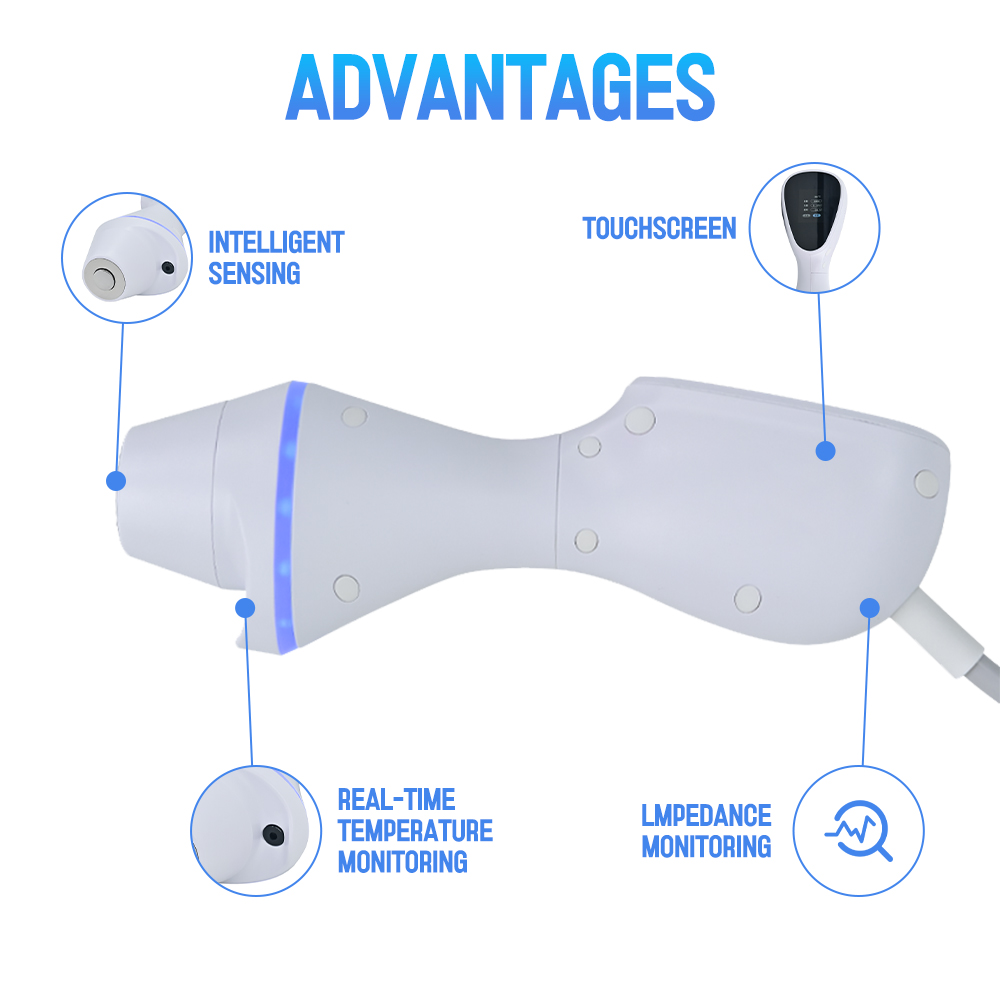
La tecnología funciona según un principio balístico. El aire comprimido acelera un proyectil dentro de la pieza de mano, creando una onda de presión. Esta onda viaja a través de un aplicador que debe permanecer en contacto directo con la piel, permitiendo que la energía llegue al tejido subyacente donde se origina el dolor.
2. ¿Por qué la fisioterapia con ondas de choque puede causar molestias?
La fisioterapia con ondas de choque está diseñada para alcanzar los tejidos profundos, no solo la superficie. Según la configuración utilizada, las ondas de choque pueden penetrar hasta 8 cm por debajo de la piel, afectando músculos, tendones, ligamentos y tejido perióstico. Estas zonas suelen estar inflamadas o dañadas, lo que las hace más sensibles a la estimulación.
Las ondas de choque ayudan a disolver los depósitos de calcio, mejoran la circulación sanguínea y estimulan la actividad celular. Cuando los nervios de la zona afectada responden a esta estimulación, los pacientes pueden sentir molestias. Esta sensación suele ser más notoria en enfermedades crónicas donde la sensibilidad tisular se ha desarrollado con el tiempo.
3. ¿Qué tan dolorosa es la fisioterapia con ondas de choque para la mayoría de los pacientes?
La mayoría de los pacientes describen la fisioterapia de ondas de choque como incómoda, más que intensamente dolorosa. La percepción del dolor varía considerablemente y depende de diversos factores, como la zona a tratar, la gravedad de la afección, la tolerancia individual al dolor y el nivel de energía seleccionado por el terapeuta.
Los sistemas profesionales de ondas de choque permiten un control preciso de la frecuencia y la intensidad, que suelen oscilar entre 1 y 21 Hz. Los terapeutas pueden aumentar gradualmente los niveles de energía a medida que los pacientes se acostumbran más a la sensación, lo que garantiza que el tratamiento siga siendo eficaz sin resultar abrumador.
4. ¿Cómo se siente la fisioterapia con ondas de choque durante el tratamiento?
Durante una sesión, los pacientes suelen sentir golpeteos rítmicos, presión o pulsos agudos en la zona tratada. La sensación puede resultar extraña al principio, especialmente para quienes se inician en la terapia. En algunos casos, puede producirse calor localizado a medida que aumenta la circulación y la temperatura del tejido, alcanzando en ocasiones los 43 °C.
Las sesiones son relativamente cortas, generalmente de 5 a 15 minutos. Muchos pacientes informan que las molestias disminuyen a medida que continúa la sesión o en sesiones posteriores, a medida que disminuye la sensibilidad del tejido.
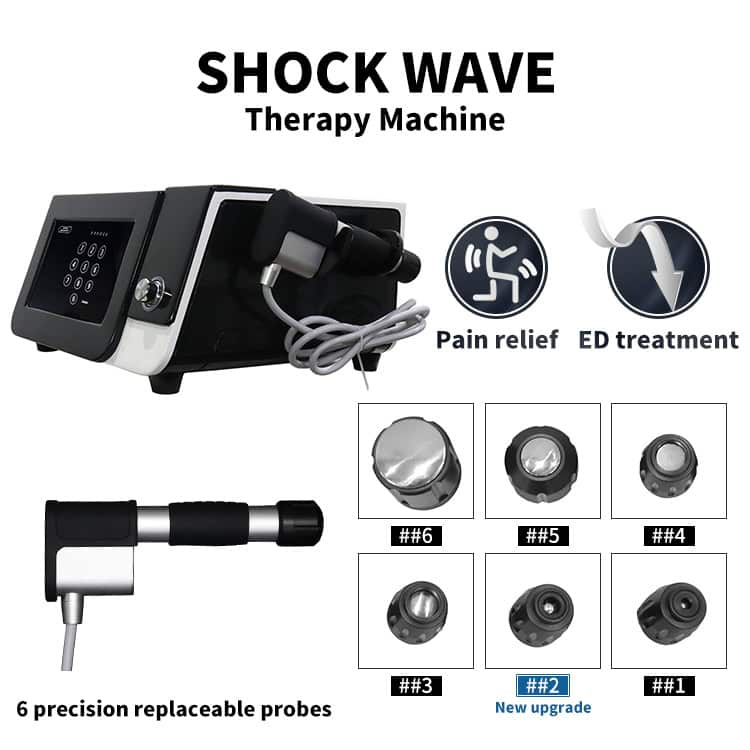
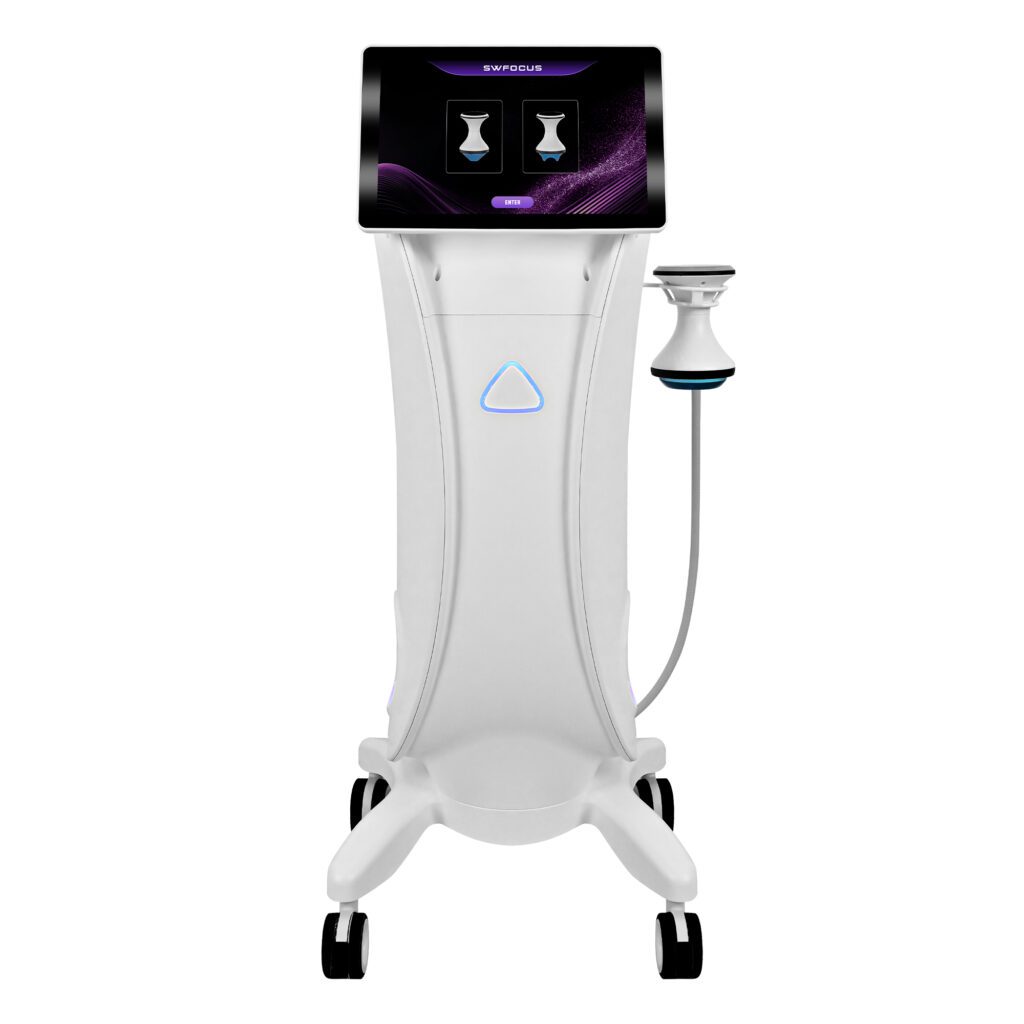
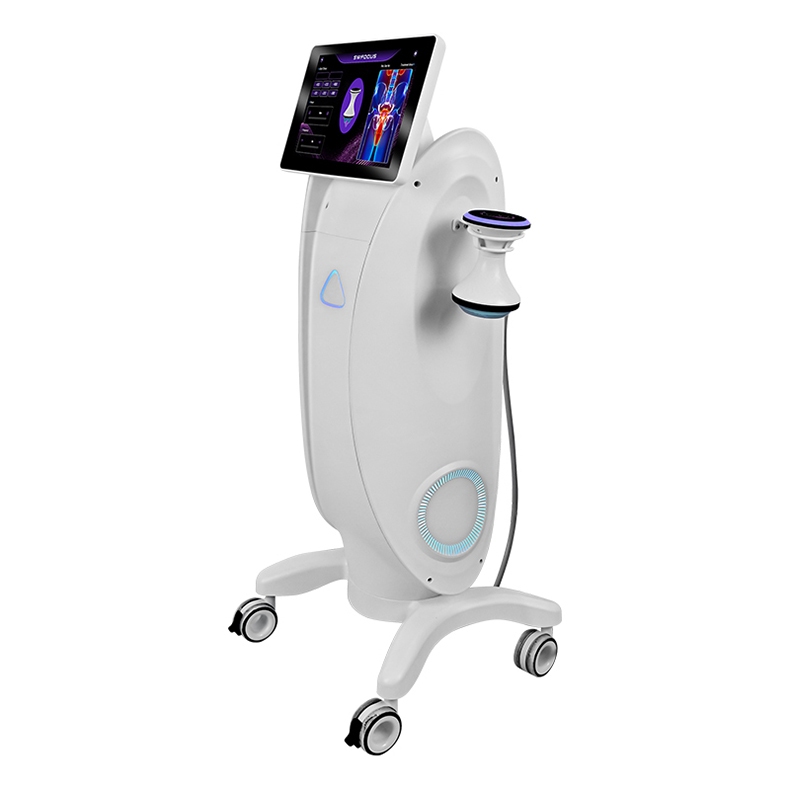
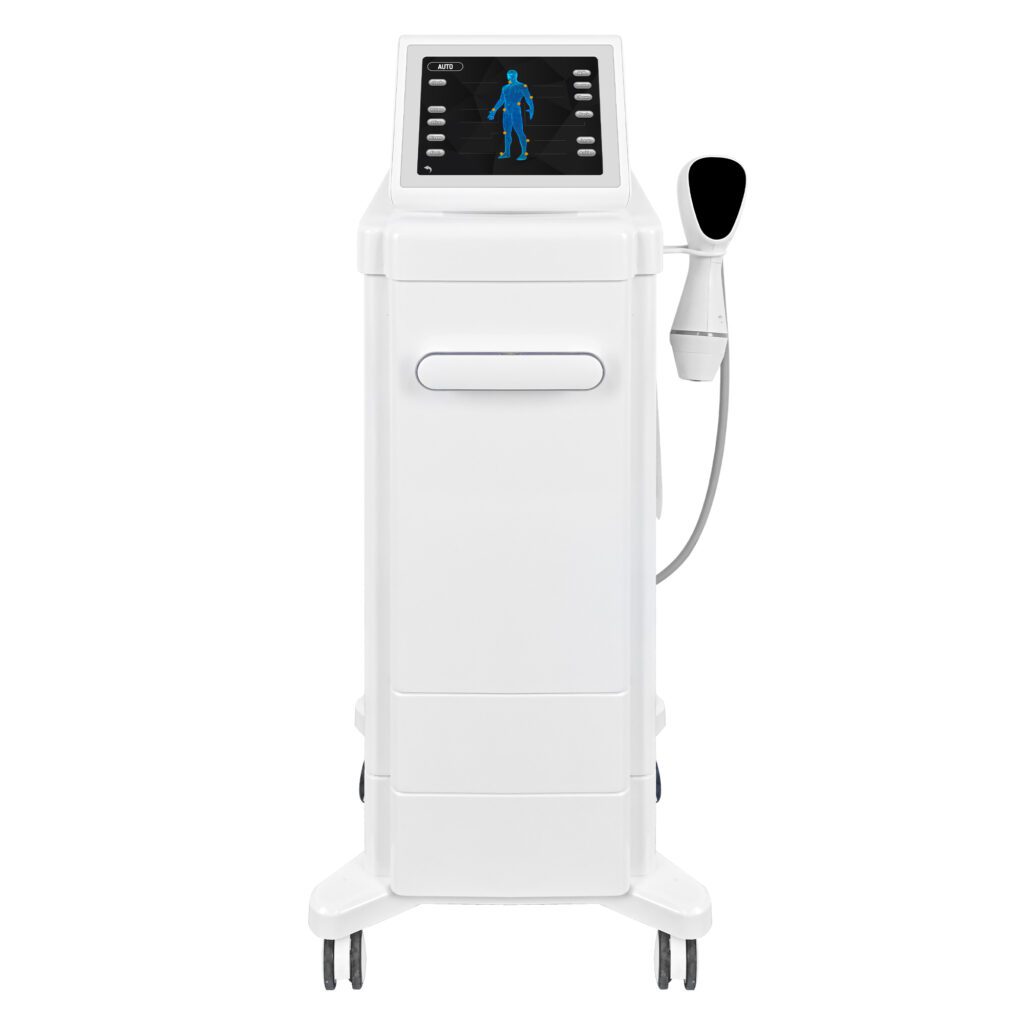
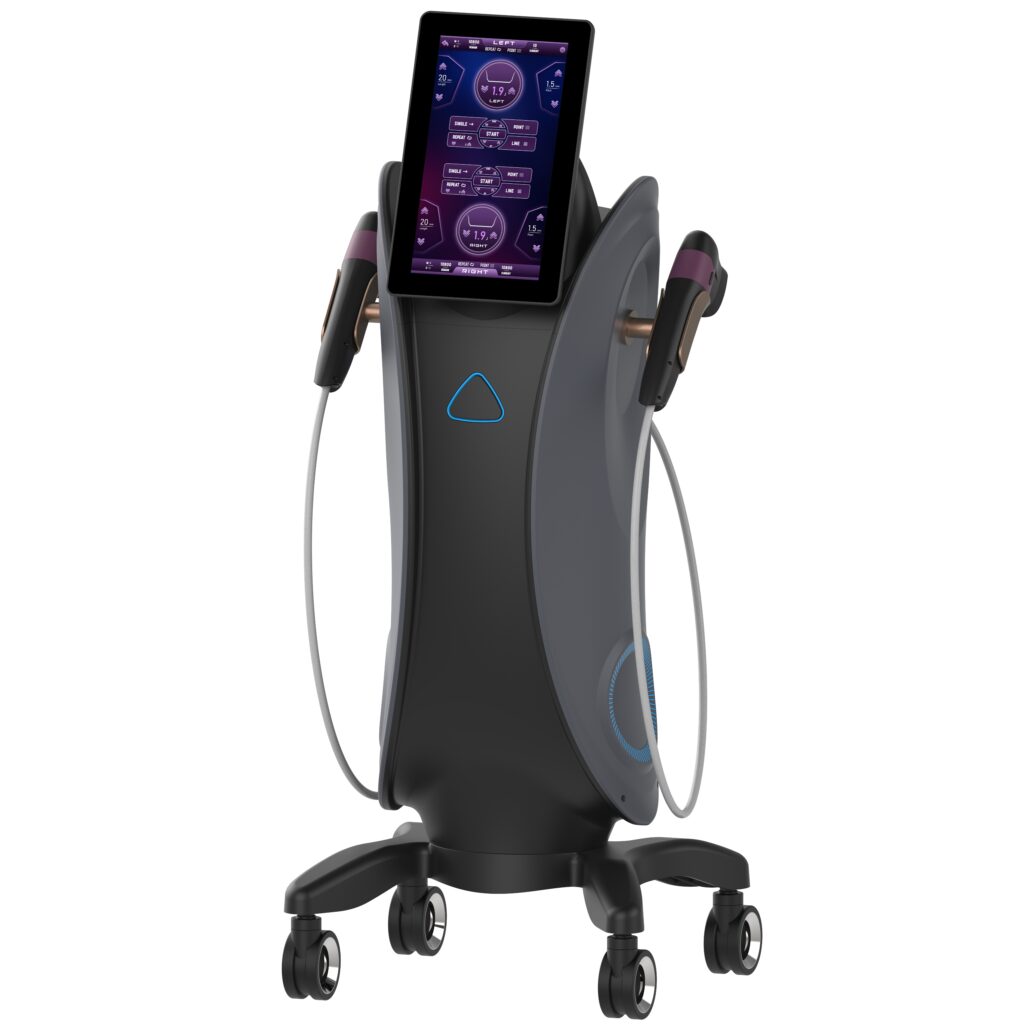
máquina de terapia de ondas de choque sw12
5. ¿El dolor significa que el tratamiento está funcionando?
Experimentar molestias no significa automáticamente que la fisioterapia de ondas de choque esté funcionando, pero una sensación leve o moderada es normal. La terapia de ondas de choque funciona con diferentes niveles de energía. Una energía más alta puede crear microdaños controlados que desencadenan la regeneración tisular, mientras que niveles más bajos ayudan a reducir el dolor y la inflamación.
El objetivo terapéutico es estimular la curación, no causar dolor innecesario. Un profesional cualificado siempre ajustará los parámetros del tratamiento si las molestias se vuelven excesivas.
6. ¿Qué sucede después de la fisioterapia con ondas de choque?
Después del tratamiento, es común experimentar dolor leve, enrojecimiento o sensibilidad en la zona tratada. Estos efectos son temporales y suelen desaparecer en un plazo de 24 a 48 horas. A diferencia de los procedimientos invasivos, la fisioterapia con ondas de choque no requiere tiempo de recuperación, aunque se puede recomendar a los pacientes que eviten la actividad física intensa durante un breve periodo.
Muchos pacientes comienzan a notar mejoras en el dolor y la movilidad después de varias sesiones, especialmente cuando la terapia se combina con ejercicios de estiramiento, fortalecimiento o rehabilitación.
7. ¿Se puede combinar la fisioterapia de ondas de choque con otros tratamientos?
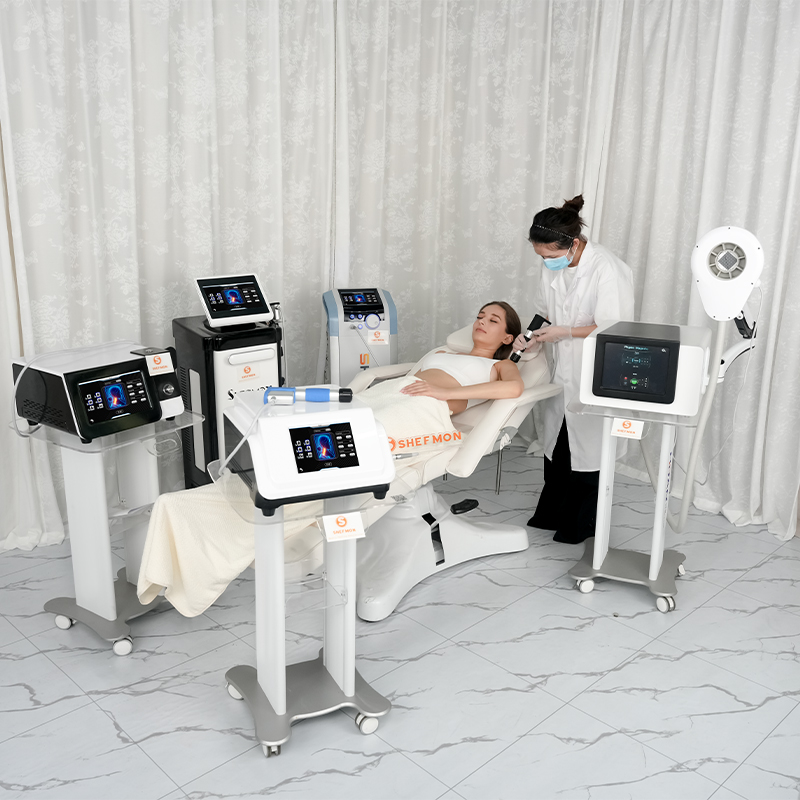
La fisioterapia con ondas de choque se utiliza a menudo junto con otras terapias no invasivas para mejorar la recuperación. Un enfoque complementario común es la magnetoterapia, que aplica campos magnéticos pulsados para reducir el dolor, mejorar la circulación y estimular la regeneración tisular. La combinación de estas terapias puede favorecer la curación tanto a nivel celular como estructural, especialmente en entornos de rehabilitación y lesiones deportivas.
https://shefmon.com/product/a0275e-3-in-1-combination-machine-pmst-wave-magnetotherapy/
Conclusión
Entonces, ¿es dolorosa la fisioterapia por ondas de choque? Para la mayoría de los pacientes que acuden por primera vez, la respuesta es que puede ser incómoda, pero suele ser tolerable y de corta duración. La sensación está estrechamente relacionada con la capacidad de la terapia para alcanzar los tejidos profundos y estimular la cicatrización. Cuando se administra con equipo profesional y entornos adecuados, la fisioterapia por ondas de choque ofrece una opción segura y no invasiva para el alivio del dolor y la recuperación. Comprender el proceso ayuda a los pacientes a abordar el tratamiento con expectativas realistas y mayor confianza.