









Laser cosmetic treatments sound a bit scary at first, don’t they? Burning beams of light, controlled damage, peeling skin—it’s no wonder people worry and ask, “Is my skin getting thinner?” Let’s clear the air once and for all, using science, common sense, and a little plain-English explanation.
Understanding the Basics of Laser Cosmetic Treatments
What Are Laser and IPL Treatments?
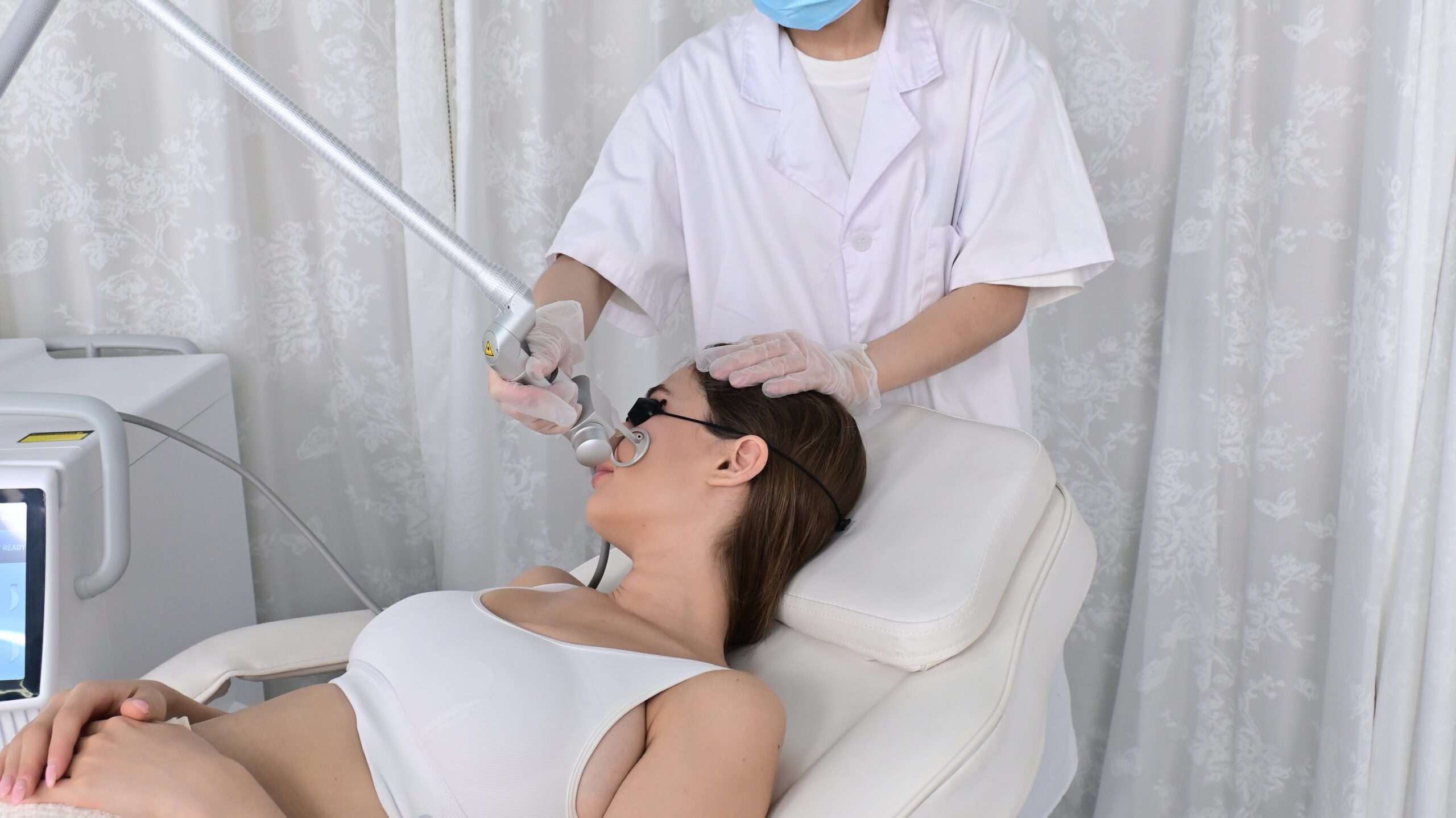
Laser and IPL treatments use focused light energy to target specific skin concerns. Think of it like a smart heat-seeking missile—it goes after pigment, hair follicles, acne scars, or wrinkles while leaving surrounding skin mostly untouched.
Lasers emit a single wavelength of light, while IPL uses a broad spectrum. Both aim to trigger skin renewal, not destruction.
Common Types of Cosmetic Lasers Used Today
CO₂ Fractional Lasers
CO₂ lasers, such as 10600nm fractional systems and 2910nm fiber fractional CO₂ lasers, are powerhouses for skin resurfacing. They create microscopic treatment zones that stimulate intense collagen production.
Picosecond & Q-Switched Lasers
Used mainly for tattoo removal and pigmentation, these lasers (like 1064nm/532nm picosecond YAG systems) work fast—breaking pigment into tiny particles without overheating the skin.
Diode Laser Hair Removal Systems
Diode lasers (755nm, 810nm, 940nm, 1064nm) target hair follicles deeply while protecting surface skin. They don’t resurface or thin the epidermis.
IPL (Intense Pulsed Light)
IPL isn’t a laser but acts similarly. It’s gentler and commonly used for redness, sun damage, and mild rejuvenation.
The Origin of the “Thinner Skin” Myth
Why People Believe Lasers Damage Skin
After laser treatment, skin may peel, flake, or look pink. To the untrained eye, this looks like thinning. But here’s the truth: shedding old skin doesn’t equal losing structure.
Confusing Peeling with Thinning
It’s like repainting a wall. Scraping off old paint doesn’t weaken the wall—it prepares it for a stronger, smoother finish.
How Skin Structure Actually Works
Epidermis vs Dermis Explained
Your skin has layers. The epidermis is the thin, protective outer layer. The dermis underneath is where collagen lives—and that’s where thickness and strength come from.
Collagen, Elastin, and Skin Thickness
Skin thickness depends on collagen density. More collagen = firmer, thicker, healthier skin.
What Really Happens to Skin During Laser Treatment
Controlled Thermal Injury and Healing
Lasers create controlled micro-injuries. This sounds bad, but it’s actually brilliant. The body rushes to repair the area, producing fresh collagen and elastin.
Collagen Remodeling Explained Simply
Imagine breaking old concrete so you can pour a stronger foundation. That’s laser treatment in a nutshell.
Do Lasers Thin the Skin? Scientific Perspective
Short-Term Changes vs Long-Term Results
Right after treatment, skin may appear thinner due to swelling reduction and peeling. Long-term? Studies show increased dermal thickness and improved skin quality.
Clinical Evidence on Skin Thickness
Histological studies consistently show thickened dermal layers after fractional laser treatments—not thinning.
When Can Skin Become Thinner After Laser Treatments?
Over-Treatment and Incorrect Settings
Yes, lasers can cause thinning—but only when abused. Excessive energy, too many passes, or treatments done too frequently can damage skin.
Unqualified Operators and Poor Protocols
A laser is a tool. In the wrong hands, even the best device can cause harm.
Laser Types and Their Impact on Skin Thickness
Fractional CO₂ Lasers (10600nm & 2910nm)
Used correctly, these lasers increase dermal density and improve scars, wrinkles, and laxity.
Picosecond and Q-Switched Lasers
They shatter pigment without damaging collagen—no thinning involved.
Diode Lasers for Hair Removal
Hair removal lasers target follicles, not skin structure. Skin thinning isn’t even on the radar.
IPL Devices vs True Lasers
IPL is gentler and rarely associated with structural skin changes.
Benefits of Proper Laser Treatment on Skin Health
Increased Dermal Density
More collagen equals thicker, stronger skin over time.
Improved Skin Barrier Function
New skin cells form a healthier protective layer.
Long-Term Skin Rejuvenation
Better texture, fewer wrinkles, tighter pores—what’s not to love?
Post-Laser Care and Skin Recovery
Why Aftercare Matters
Moisturizing, sun protection, and gentle skincare help skin rebuild correctly.
Mistakes That Delay Healing
Skipping sunscreen or over-exfoliating after treatment can sabotage results.
Who Should Avoid Aggressive Laser Treatments?
Sensitive and Compromised Skin Types
Very thin, steroid-damaged, or diseased skin may require milder options.
Medical Conditions to Consider
Autoimmune disorders, active infections, or poor wound healing demand caution.
Choosing the Right Laser Equipment Matters
Professional vs Home-Use Devices
Professional-grade systems offer precision, safety controls, and proven results.
Importance of Advanced Technology
Modern devices distribute energy evenly, reducing risks and improving outcomes.
Final Verdict – Thinner Skin or Stronger Skin?
So, does laser cosmetic treatment thin the skin? No—when done correctly, it actually makes skin stronger, thicker, and healthier. The myth comes from misunderstanding the healing process and from poorly executed treatments.
Laser technology, when used responsibly, is less like damage and more like a strategic reboot for your skin.
Conclusion
Laser cosmetic treatments don’t thin the skin—they train it to regenerate. Like going to the gym, controlled stress leads to strength. With proper equipment, correct settings, and professional expertise, laser treatments improve skin structure, boost collagen, and enhance long-term skin health. The key isn’t avoiding lasers—it’s choosing them wisely.
FAQs
1. Can laser treatments permanently thin the skin?
Only if overused or performed incorrectly. Proper treatments increase collagen.
2. Why does my skin look thinner after laser treatment?
Temporary peeling and redness can create that illusion during healing.
3. Are CO₂ lasers safe for repeated use?
Yes, when spaced correctly and performed by professionals.
4. Does IPL thin the skin over time?
No, IPL is non-ablative and does not affect skin thickness.
5. How can I protect my skin after laser treatment?
Use sunscreen, hydrate well, and follow post-care instructions strictly.