Does Freeze the Fat Really Work?
Introduction
Ever heard of a treatment that literally freezes your fat away? Sounds futuristic, right? Welcome to the world of fat freezing, or Cryolipolysis — a procedure that promises to sculpt your body without surgery, needles, or downtime. But the burning question remains: does it really work? Let’s dive deep into the science, the results, and the truth behind this popular trend.
Understanding the Science Behind Fat Freezing
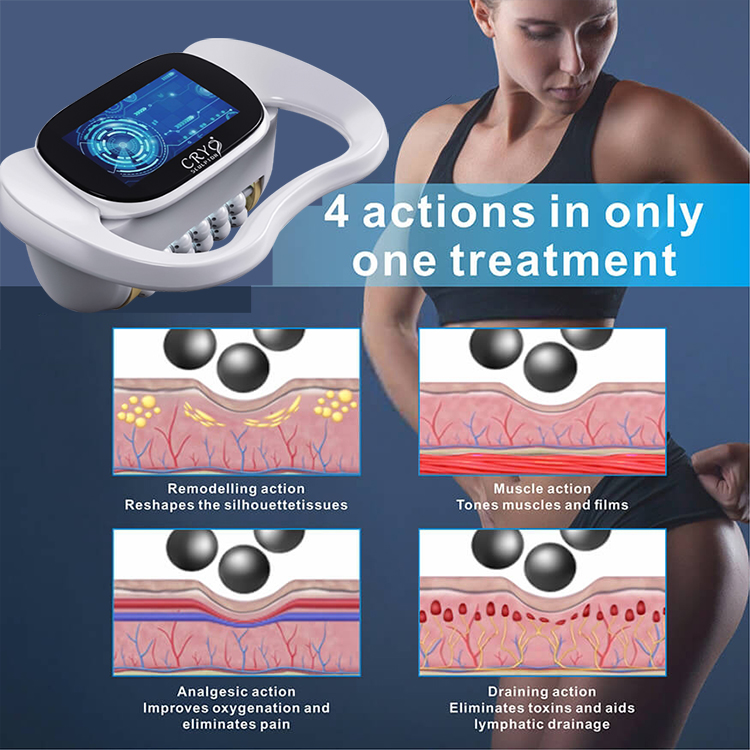
Fat freezing works through a process called Cryolipolysis, which targets fat cells by exposing them to cold temperatures. Unlike your skin or muscles, fat cells are more sensitive to cold. When frozen, these cells crystallize and die — then your body naturally eliminates them through metabolic processes over the following weeks.
Think of it like selective frostbite for fat. The cold doesn’t harm surrounding tissues, only the fat cells underneath the skin.
History and FDA Approval
Cryolipolysis was developed by Harvard scientists who discovered that fat cells could be destroyed by cold exposure without damaging the skin. The technology was first cleared by the FDA in 2010 under the brand name CoolSculpting, which quickly became the gold standard in non-invasive fat reduction treatments.
Since then, numerous other brands and technologies have emerged, all based on the same core principle.
The Procedure: What to Expect
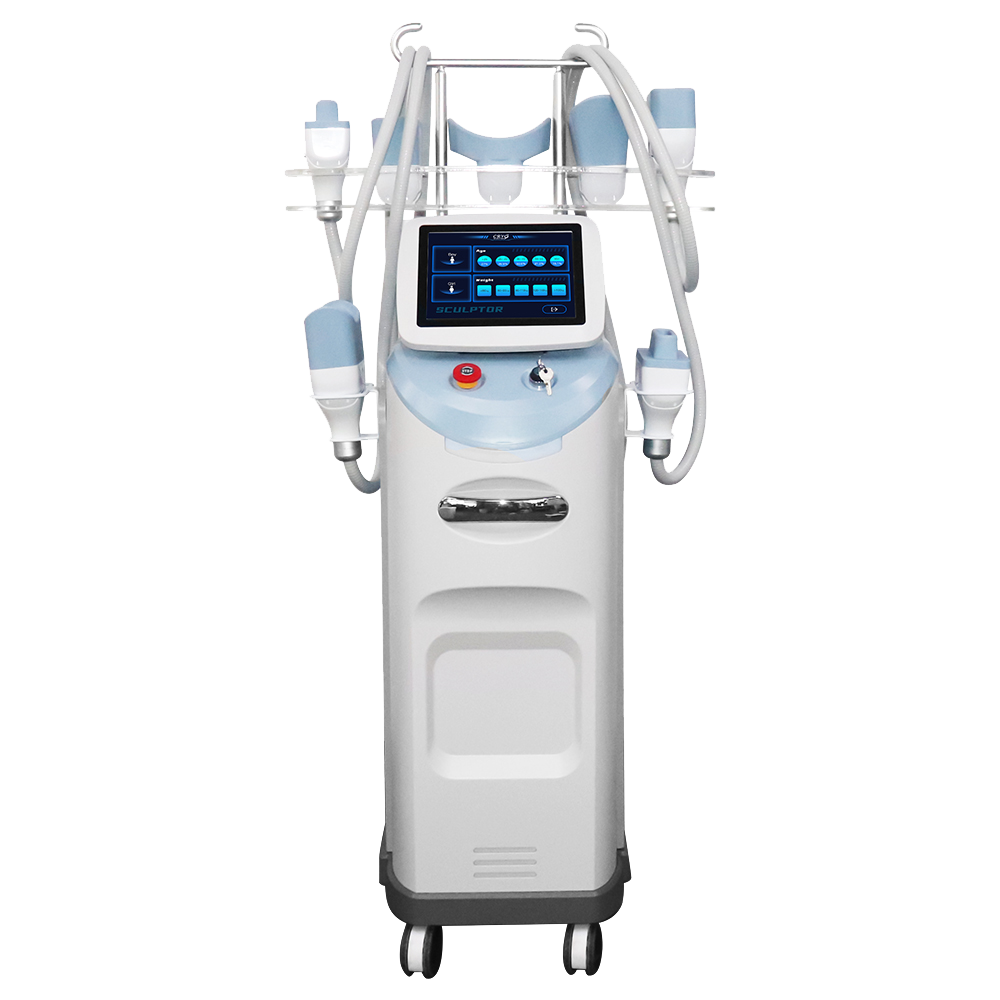
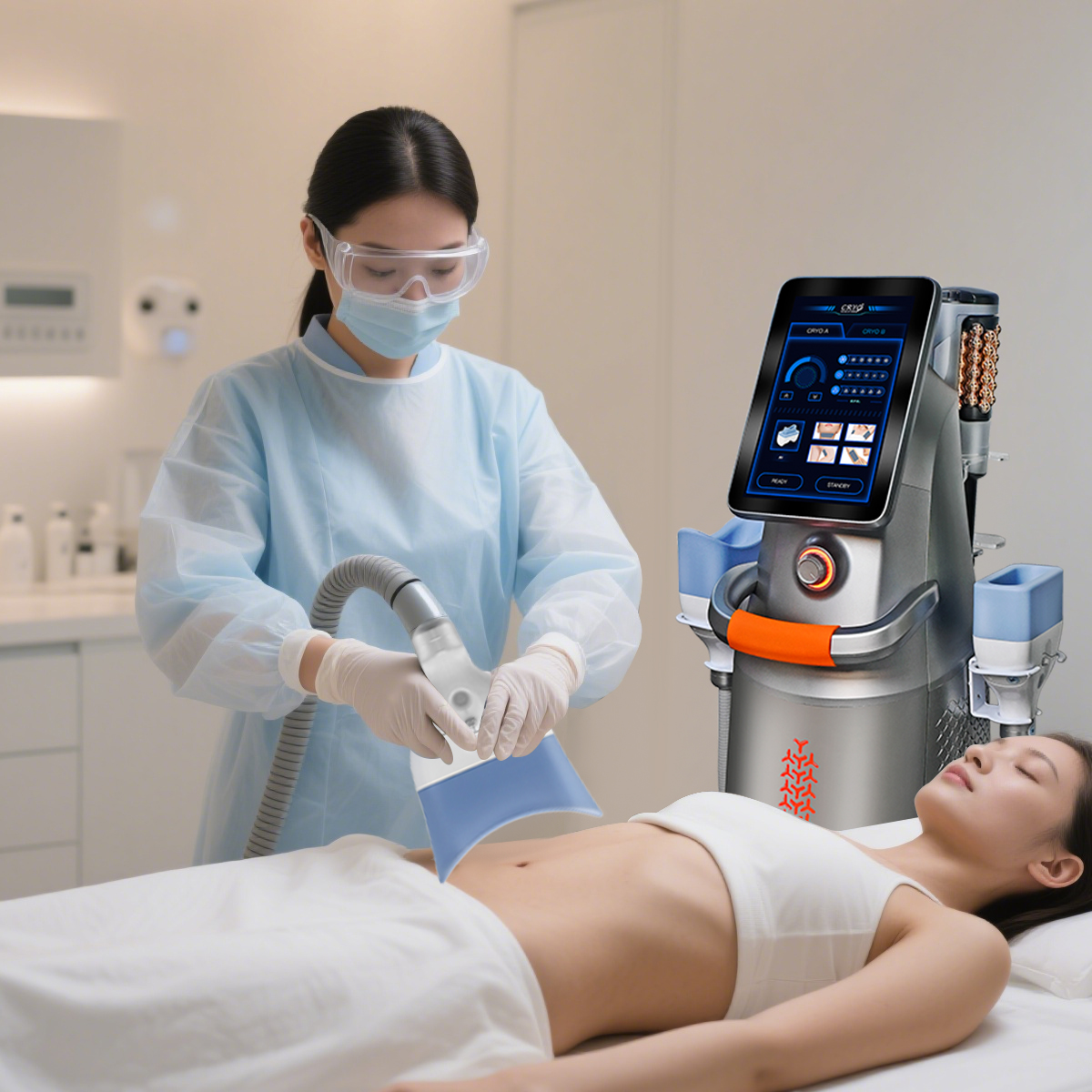
A typical session starts with marking the target area—like your abdomen, thighs, arms, or chin. A gel pad is placed to protect the skin, and then an applicator gently sucks in the fatty tissue. The cooling process begins, lasting around 35 to 60 minutes per area.
You might feel intense cold at first, followed by numbness. Afterward, the treated area may be red or tender, but you can return to your day immediately — no downtime required.
Who Is the Ideal Candidate?
Fat freezing isn’t for everyone. It’s designed for people close to their ideal weight who struggle with stubborn fat pockets resistant to diet and exercise. It’s not a weight-loss method but a body-contouring treatment.
Avoid it if you have conditions like cryoglobulinemia, cold agglutinin disease, or Raynaud’s phenomenon, as these involve sensitivity to cold.
Results: What You Can Expect
Results typically appear after 4 to 6 weeks, with full effects visible around three months post-treatment. The body gradually processes and removes the destroyed fat cells permanently.
However, results vary — you can expect about 20–25% fat reduction in the treated area per session.
Does It Actually Work?
In short: yes, it does — but with limits. Multiple clinical studies confirm that Cryolipolysis effectively reduces localized fat deposits. Research published in the Aesthetic Surgery Journal reported consistent fat reduction results and high patient satisfaction rates.
That said, results depend on factors like body type, metabolism, and lifestyle. It’s not magic, but it’s scientifically backed and proven effective for many people.
Benefits of Fat Freezing
Non-invasive: No needles or anesthesia required.
Minimal downtime: Go back to work or the gym the same day.
Natural-looking results: Gradual fat reduction avoids sudden body changes.
Permanent fat cell removal: Once gone, fat cells don’t come back (if you maintain your weight).
Potential Risks and Side Effects
Common side effects include redness, swelling, numbness, and mild bruising. These usually fade within days.
A rare but serious side effect is Paradoxical Adipose Hyperplasia (PAH) — where the treated fat area actually enlarges instead of shrinking. It’s uncommon but worth discussing with your practitioner.
Comparing Fat Freezing to Other Fat Reduction Methods
Liposuction removes large fat volumes instantly but involves anesthesia and recovery time.
Cryolipolysis is gentler and gradual, perfect for mild contouring.
Laser lipolysis and radiofrequency treatments also target fat but use heat instead of cold.
If you prefer non-surgical, low-risk procedures, fat freezing wins in convenience and comfort.
Myths and Misconceptions
Myth #1: Fat freezing helps you lose weight.
Wrong! It only reshapes specific areas — it’s not a weight-loss solution.
Myth #2: Results are instant.
Also false. The body needs time to metabolize dead fat cells, so patience is key.
Cost and Accessibility
Prices vary by clinic and region, but expect to pay $600–$1,200 per session. Larger areas like the abdomen may require multiple sessions.
Before and After Care Tips
Before:
Avoid anti-inflammatories to minimize bruising.
Stay hydrated and maintain stable weight.
After:
Massage the treated area to enhance results.
Eat healthy and exercise to prevent new fat accumulation.
Expert Opinions
According to dermatologists, fat freezing is one of the safest and most effective non-surgical fat reduction treatments available. Many recommend it as an alternative for those unwilling to undergo invasive surgery.
However, they stress realistic expectations — it sculpts, not transforms.
Conclusion
So, does freeze the fat really work? Absolutely — for the right person. If you’re already close to your goal weight and want to tackle small bulges that resist diet and workouts, Cryolipolysis can be a game changer. It’s safe, proven, and convenient — just don’t expect miracles overnight.
FAQs
1. How long do fat-freezing results last?
Results are permanent as long as you maintain your weight. Fat cells destroyed during treatment don’t return.
2. Can I freeze fat at home?
No. DIY fat-freezing methods are unsafe and ineffective compared to professional devices.
3. Is the treatment painful?
Most people describe it as mildly uncomfortable at first, then numb. Pain is minimal.
4. How many sessions do I need?
Typically 1–3 sessions per area, depending on your body goals.
5. Can fat freezing tighten loose skin?
Not significantly. It targets fat, not skin elasticity — consider combining with skin-tightening treatments for better results.