










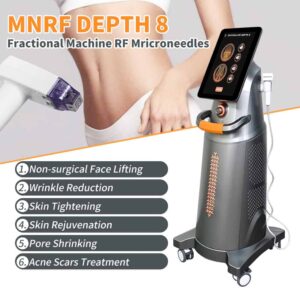
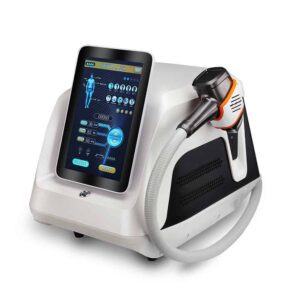
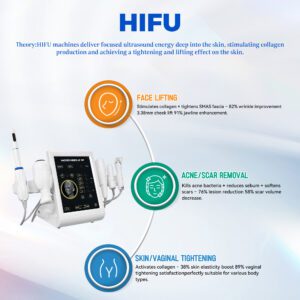

As non-surgical body contouring and skin tightening treatments continue to grow in popularity, clinics are often asked which technology delivers better results: RF cavitation or HIFU. Both are widely used in professional aesthetic practices, yet they work in very different ways and are recommended for different client needs. Understanding how clinics evaluate these technologies helps practitioners choose the right solution and helps clients set realistic expectations.
1. Understanding RF Cavitation in Clinical Practice
1.1 How RF Cavitation Works
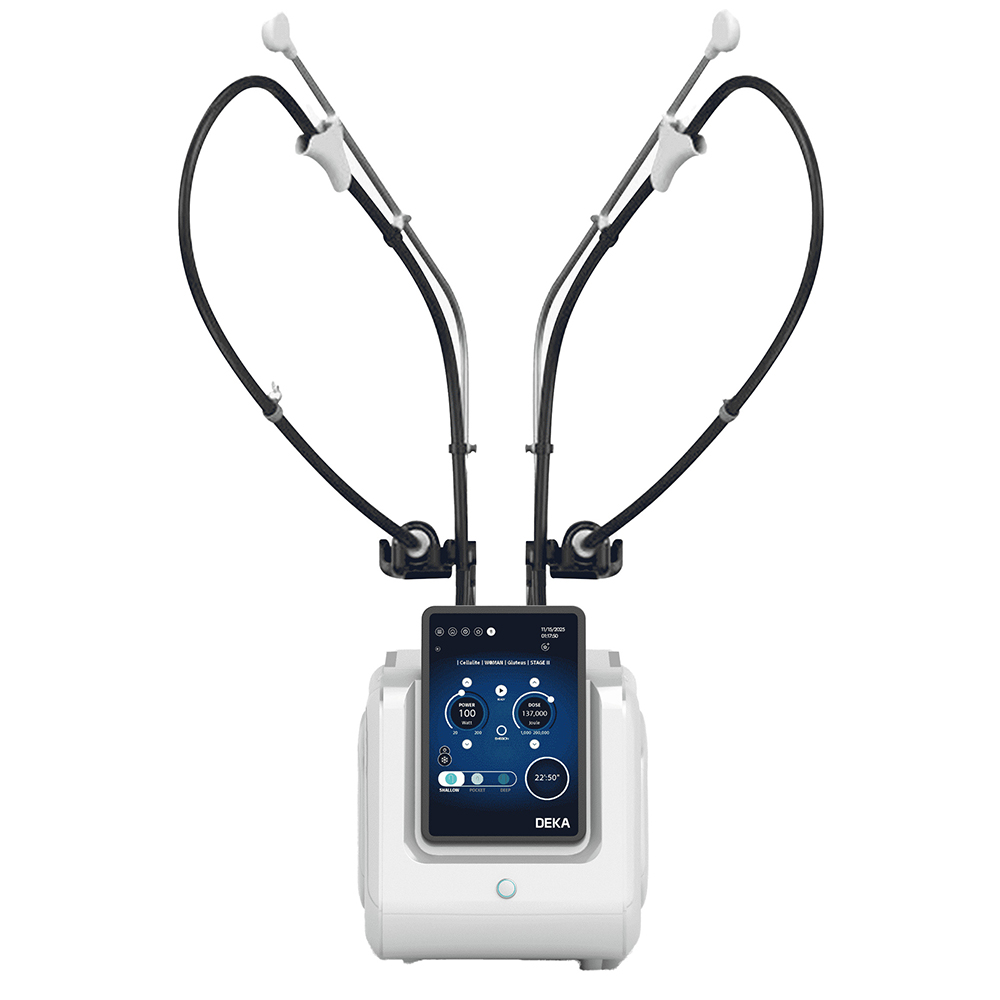
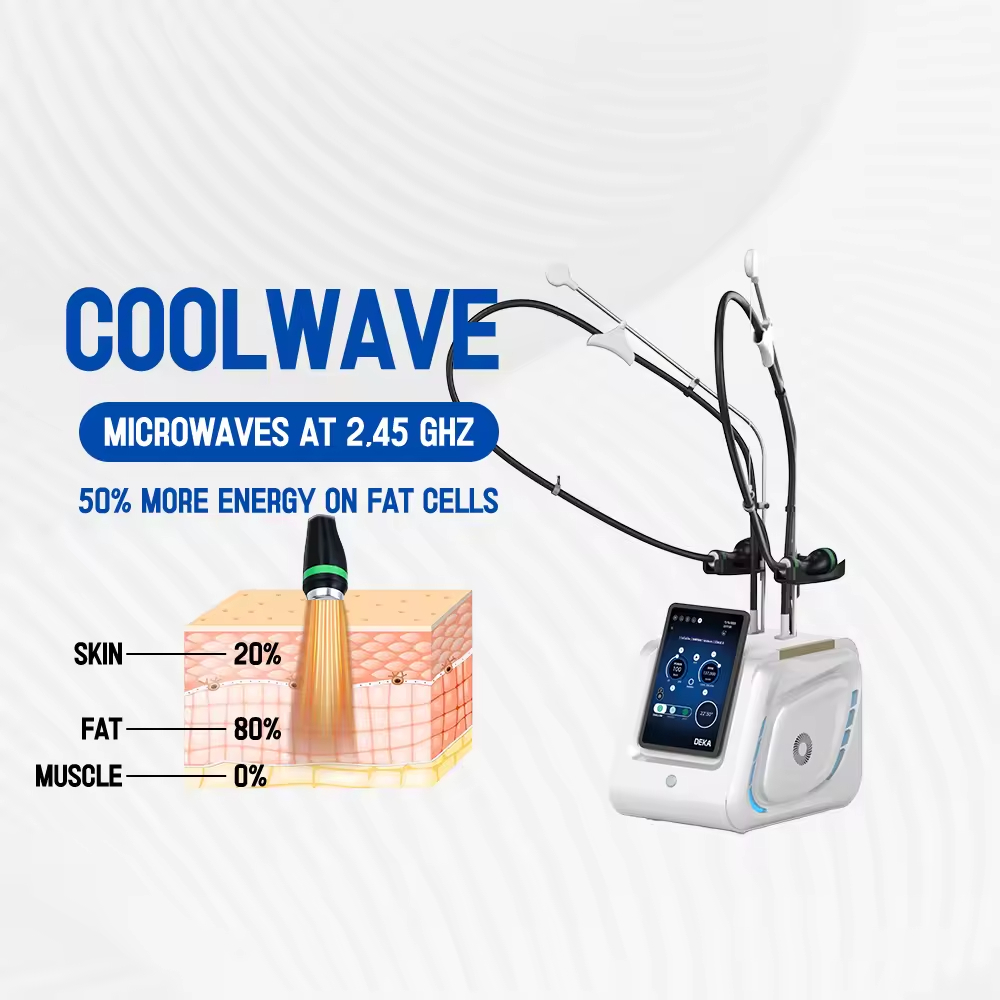
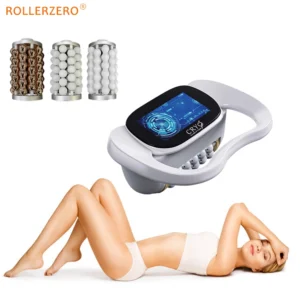
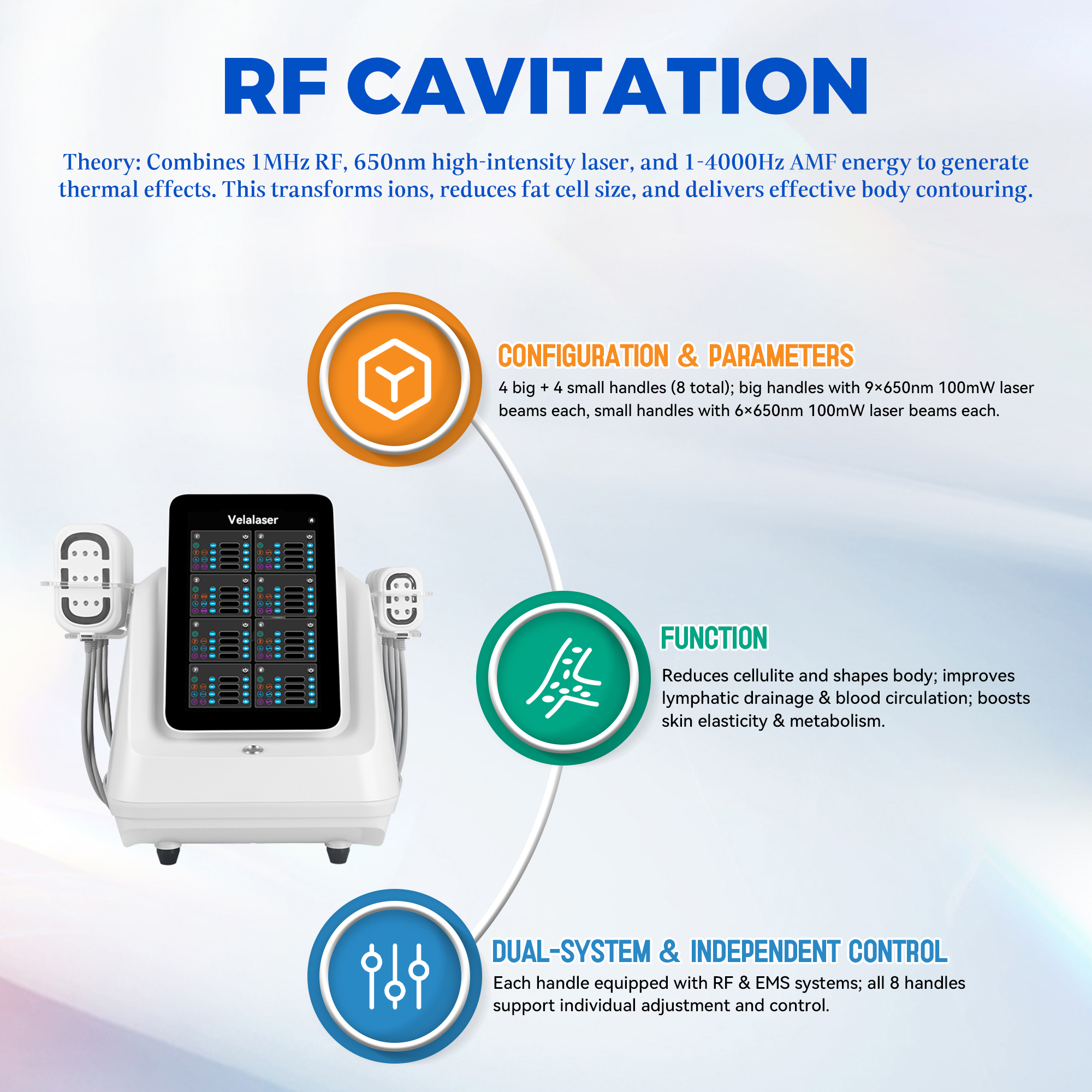
RF cavitation combines radio frequency energy with complementary technologies to target fat reduction and skin tightening simultaneously. Radio frequency generates controlled deep heat in the dermal and subcutaneous layers, typically reaching temperatures that stimulate collagen regeneration while helping shrink fat cells. When combined with modalities such as low-level laser and EMS, RF cavitation treatments become more comprehensive.
1.2 Why Clinics Recommend RF Cavitation
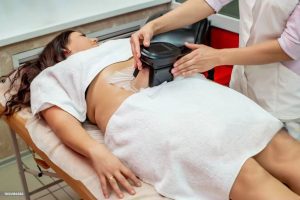
Clinics often recommend RF cavitation for clients seeking gradual body slimming, improved skin elasticity, and visible contouring without downtime. It is especially popular for treating larger body areas such as the abdomen, thighs, arms, and waistline. RF cavitation sessions are comfortable, repeatable, and suitable for clients who prefer progressive results over multiple treatments.
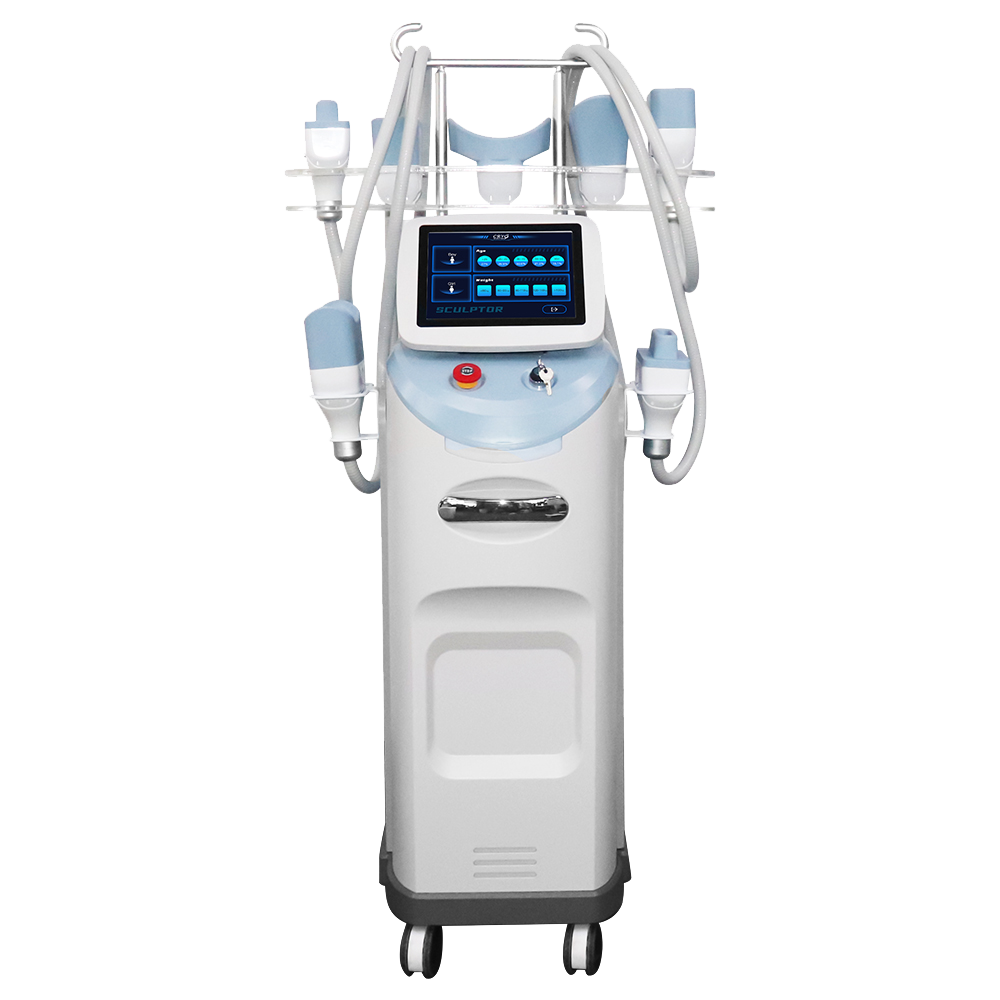
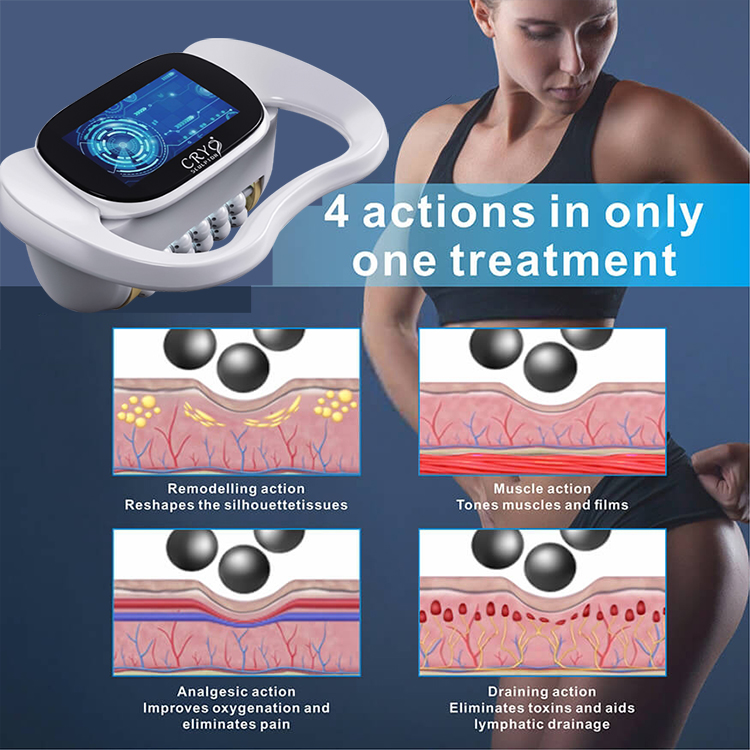
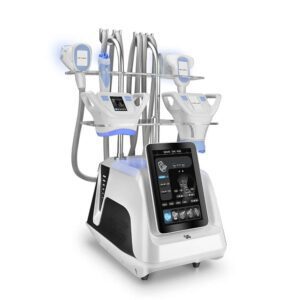
Professional devices like the 3-in-1 RF, EMS, and Lipo Laser system allow clinics to deliver multi-layer stimulation in one session, combining fat reduction, lymphatic drainage, and muscle toning in a single workflow. This versatility is one reason RF cavitation remains a clinic favorite.
https://shefmon.com/product/3-in-1-super-lipolaser-rf-ems-muscle-stimulator/
2. Understanding HIFU in Clinical Practice
2.1 How HIFU Technology Works
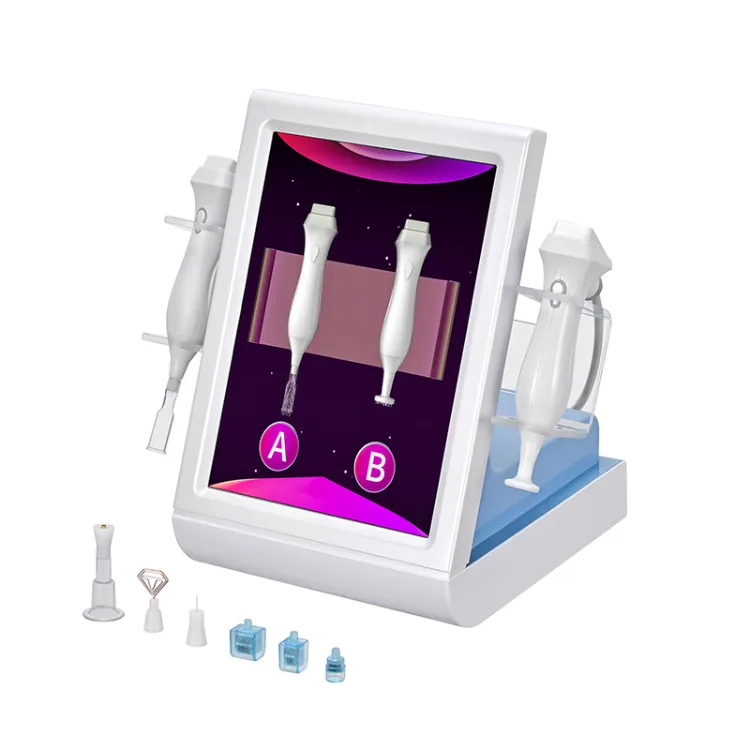
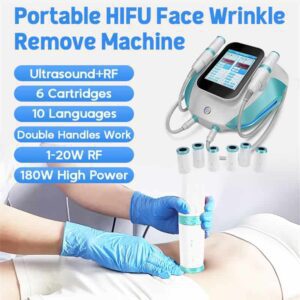
High Intensity Focused Ultrasound (HIFU) uses focused ultrasound energy to penetrate deep into tissue layers without damaging the skin surface. Unlike RF, which spreads heat more diffusely, HIFU concentrates energy at precise depths, creating thermal coagulation points that trigger tissue contraction and collagen remodeling.
2.2 Why Clinics Recommend HIFU
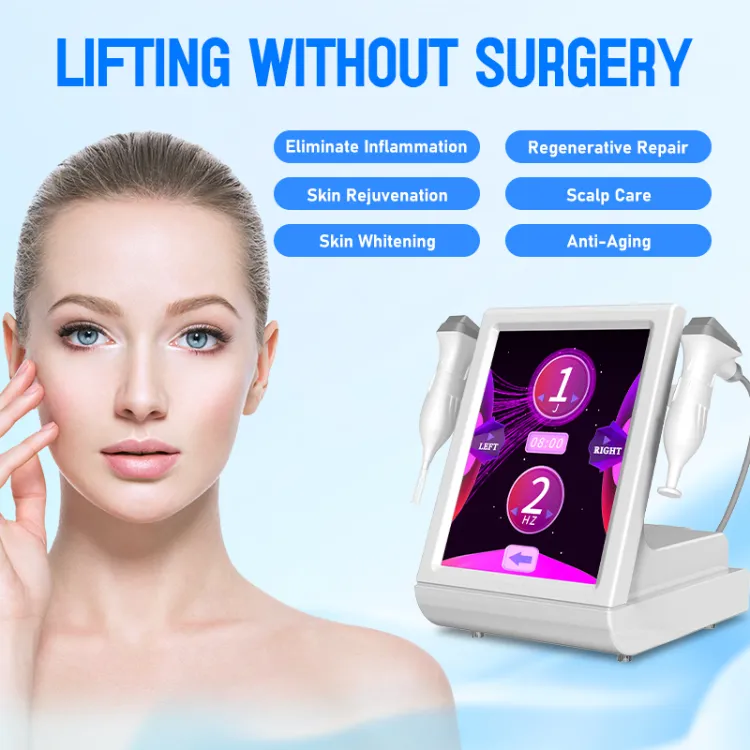
Clinics typically recommend HIFU for clients seeking noticeable lifting and tightening, particularly on the face, jawline, neck, and localized body areas. HIFU is often chosen when clients want stronger results with fewer sessions. It is considered closer to a “non-surgical lifting” solution rather than a gradual body slimming treatment.
Because HIFU targets deeper structural layers, clinics position it as a premium option for skin laxity rather than primary fat reduction. The treatment requires skilled operation and careful parameter control, which also influences clinic recommendations.
3. RF Cavitation vs HIFU: Key Differences Clinics Consider
3.1 Treatment Goals
Clinics recommend RF cavitation when the goal is body contouring, cellulite reduction, and overall skin firmness. HIFU is recommended when the main concern is lifting sagging skin or improving facial contours.
3.2 Treatment Comfort and Downtime
RF cavitation treatments are widely considered comfortable, producing a warm sensation with minimal discomfort. Clients can return to daily activities immediately. HIFU, while still non-invasive, may involve mild discomfort during treatment and temporary tenderness afterward, which clinics explain during consultations.
3.3 Treatment Areas
RF cavitation is preferred for larger body areas and full-body programs. HIFU is more commonly used for precise zones such as the face, neck, and targeted fat pockets. Some clinics use both technologies in different treatment plans rather than choosing one exclusively.

4. Why Many Clinics Combine RF-Based Systems Instead of Choosing HIFU Alone
4.1 Multi-Function Demand in Modern Clinics
Modern clinics often prioritize devices that can address multiple concerns with one platform. RF-based systems with added technologies like EMS and laser allow clinics to treat fat, skin, and muscle simultaneously, increasing treatment value and client satisfaction.
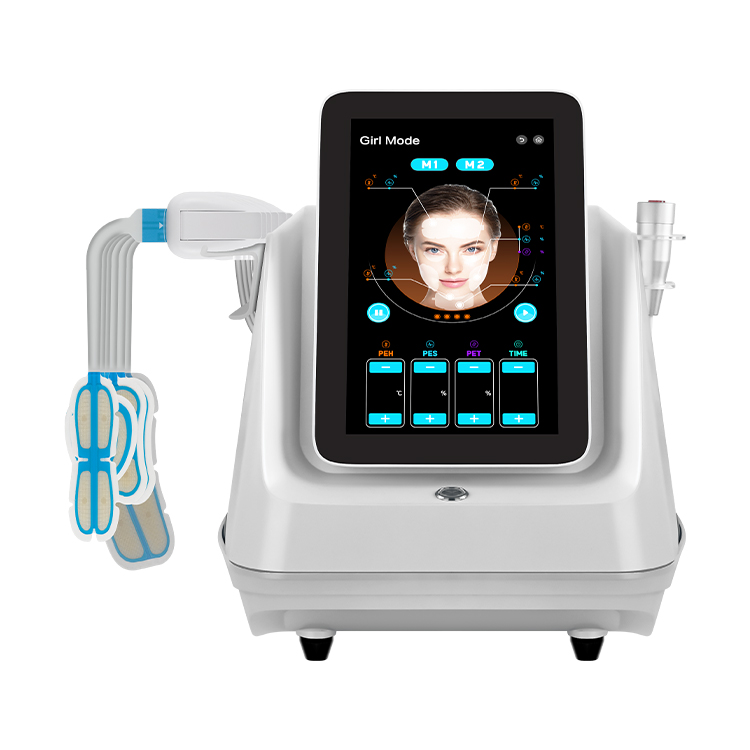
Advanced RF systems such as monopolar RF with TECAR technology are also used for face lifting, body slimming, and even physical therapy, making them highly versatile investments for clinics.
https://shefmon.com/product/448k-tecar-vertical-monopolar-rf-lifting-machine/
4.2 Business and Client Retention Considerations
From a business perspective, RF cavitation treatments encourage repeat visits, package sales, and long-term client relationships. HIFU, on the other hand, is often marketed as a less frequent, high-impact treatment. Clinics choose based on their service model, target clients, and revenue strategy.
5. Safety and Suitability from a Clinic Perspective
5.1 Client Suitability
Clinics recommend RF cavitation for a wide range of clients, including those new to aesthetic treatments. It is suitable for various skin types and body areas. HIFU is recommended more selectively, with careful screening for skin thickness, sensitivity, and treatment goals.
5.2 Risk Management
Both technologies are considered safe when performed correctly. Clinics value RF systems for their predictable temperature control and low risk profile. HIFU requires precise technique, and clinics emphasize operator training to ensure consistent results.
Abschluss
Clinics do not see RF cavitation and HIFU as interchangeable treatments but as complementary solutions serving different goals. RF cavitation is most often recommended for full-body contouring, skin tightening, and long-term slimming programs due to its comfort, versatility, and suitability for repeated sessions, while HIFU is preferred for targeted lifting and deeper structural tightening where stronger, more concentrated results are needed. By matching the technology to the client’s expectations, treatment area, and desired intensity of results, clinics can achieve safer outcomes and higher satisfaction.