


Recovering after childbirth is a journey that goes well beyond the first few weeks. Many women experience changes in Beckenbodenstärke Und urinary control due to the strain of pregnancy and delivery. While traditional pelvic floor exercises like Kegels are helpful, modern technologies now offer more efficient, evidence-based options to accelerate recovery and restore confidence. In this article, we’ll explore the most effective postpartum treatments, how they work, and which women can benefit most from them.

1. Understanding Postpartum Pelvic Floor Weakness
1.1 What Happens to the Pelvic Floor During Pregnancy and Birth
The pelvic floor is a group of muscles, ligaments, and connective tissues that support the bladder, uterus, and rectum. During pregnancy, these structures are stretched by the growing uterus and hormonal changes. Vaginal delivery — especially prolonged labor, large babies, or assisted delivery — can further weaken these muscles. The result can be:
-
Urinary incontinence (leakage when coughing, laughing, or exercising)
-
Pelvic pressure or heaviness
-
Reduced sensation during intercourse
-
Difficulty with core stability
Because the pelvic floor is so central to daily function, reducing weakness and restoring control is a primary goal of postpartum recovery.
2. Traditional Approaches: Kegel and Pelvic Floor Exercises
2.1 Why Exercises Alone May Not Be Enough
Pelvic floor muscle training — commonly known as Kegel exercises — involves contracting and relaxing the muscles that control urine flow. For some women, this works well. However, many struggle to correctly identify and engage the right muscles, leading to limited progress. Without proper muscle recruitment and consistent practice, results can be slow and incomplete.
2.2 The Role of Professional Guidance
Physical therapists trained in women’s health can guide proper technique, monitor progress, and adapt exercise programs. However, even with expert coaching, some women benefit from technologies that enhance muscle activation beyond voluntary contraction.
3. EMS Technology: A Game Changer for Pelvic Floor Strength
3.1 What Is EMS and How Does It Work
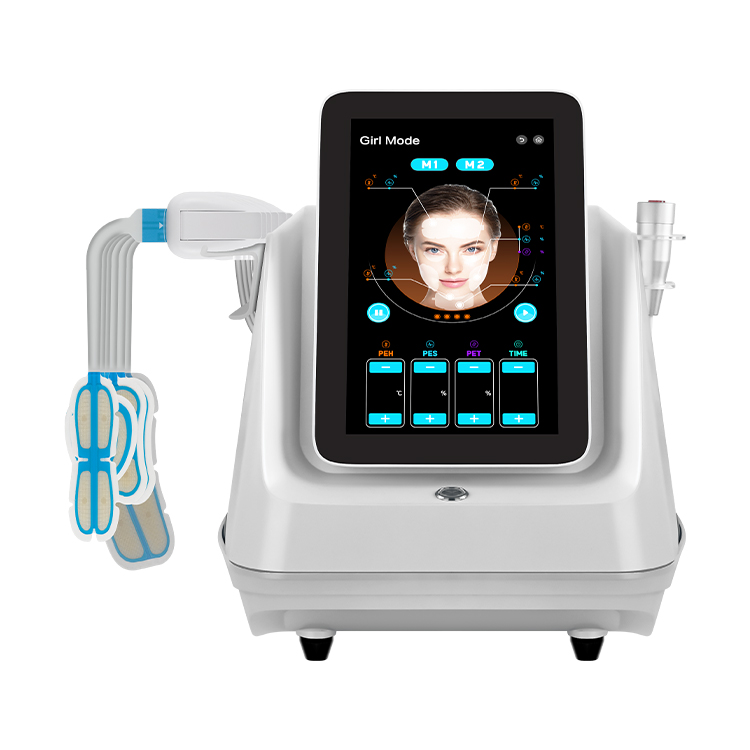
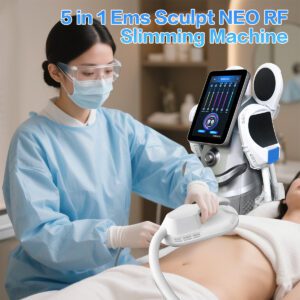
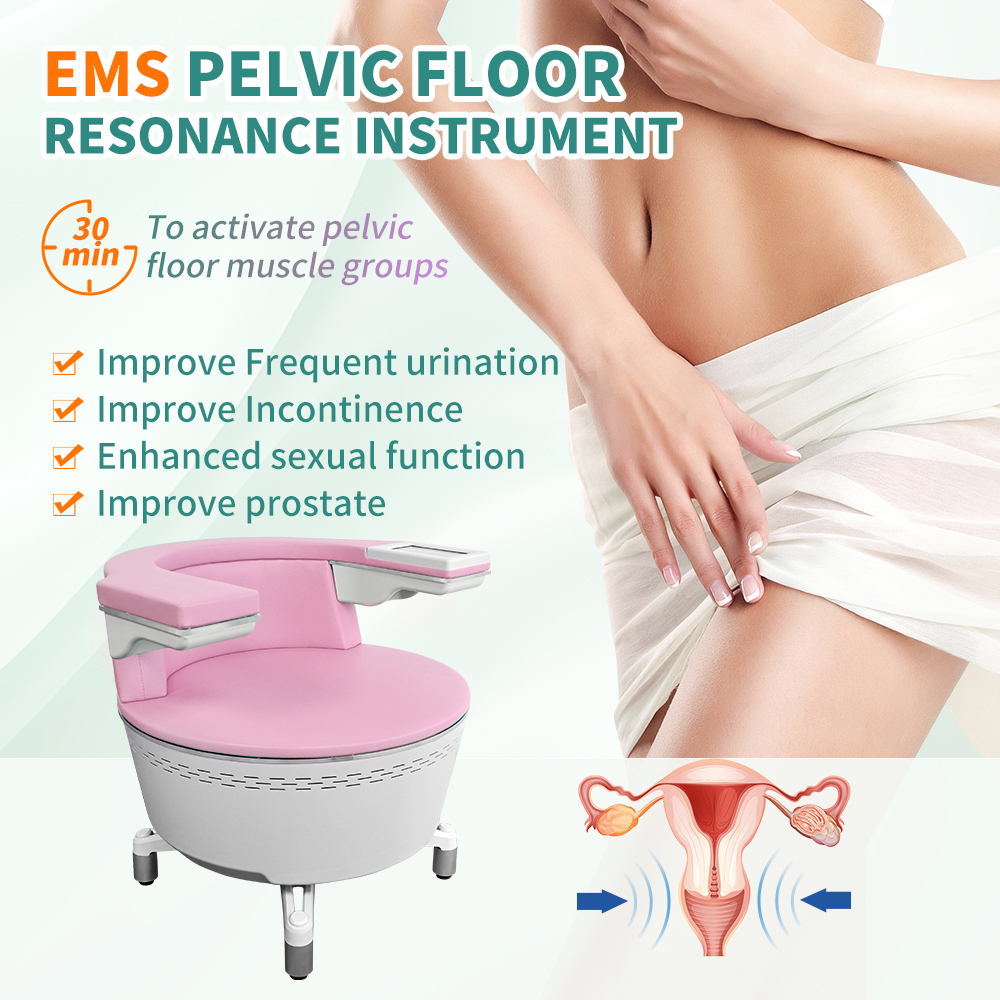
Electrical Muscle Stimulation (EMS) technology uses electromagnetic pulses to stimulate muscle contractions below the level of conscious control. This allows the pelvic floor muscles to contract at intensities far greater than typical Kegel exercises. Sessions are passive and comfortable, making EMS highly appealing for new mothers.
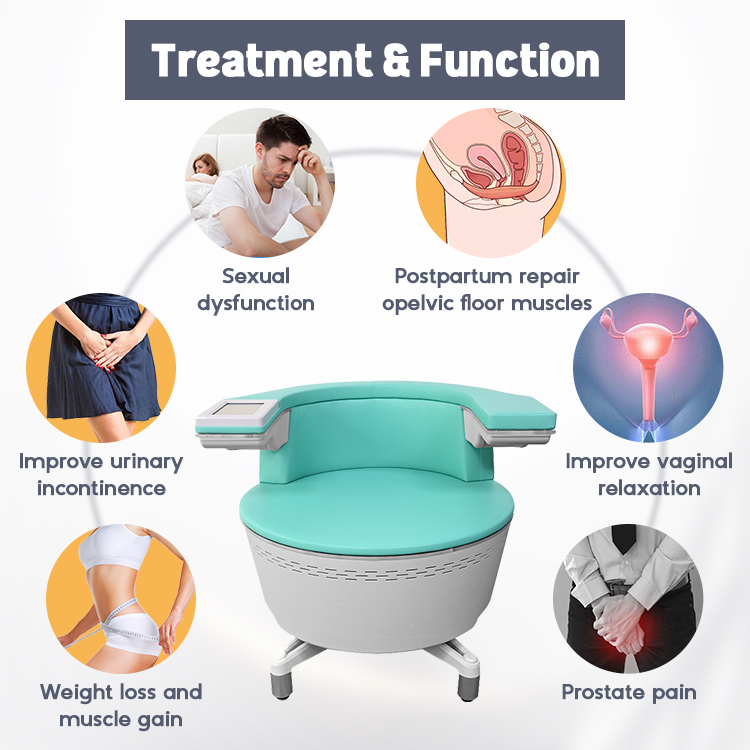
Der EMS-Stuhl zur Rückbildung nach der Geburt für Frauen, Beckenbodentrainer, EMS-Sitz, EMS-Beckenbodenmuskelstimulator is designed specifically for this purpose. Women simply sit on the ergonomic chair while the EMS system delivers targeted stimulation to pelvic floor muscles, helping them regain strength, endurance, and neuromuscular control.
https://shefmon.com/product/e0435-womens-postpartum-repair-new-ems-chair-pelvic-floor-chair-ems-seat-ems-pelvic-floor-muscle-stimulator/
3.2 Benefits of EMS for Urinary Control
EMS therapy provides several advantages, including:
-
Supramaximale Kontraktionen that exceed voluntary effort
-
Increased muscle tone and coordination
-
Improved bladder control and reduced incontinence
-
Support for core stability and postural muscles
Women who have difficulty performing traditional exercises — due to pain, lack of awareness, or time constraints — often see faster improvements with EMS support.
4. Laser Therapy: Supporting Perineal and Pelvic Tissue Healing
4.1 Fractional CO2 Laser for Perineal Recovery
While EMS directly targets muscles, laser therapy can support the soft tissues around the vagina and perineum, improving collagen production, elasticity, and microcirculation. This is particularly beneficial for women who experienced tearing or episiotomy during childbirth.
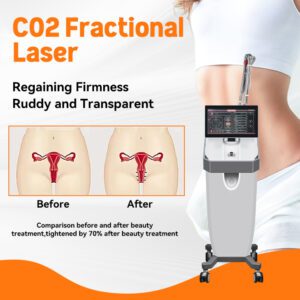
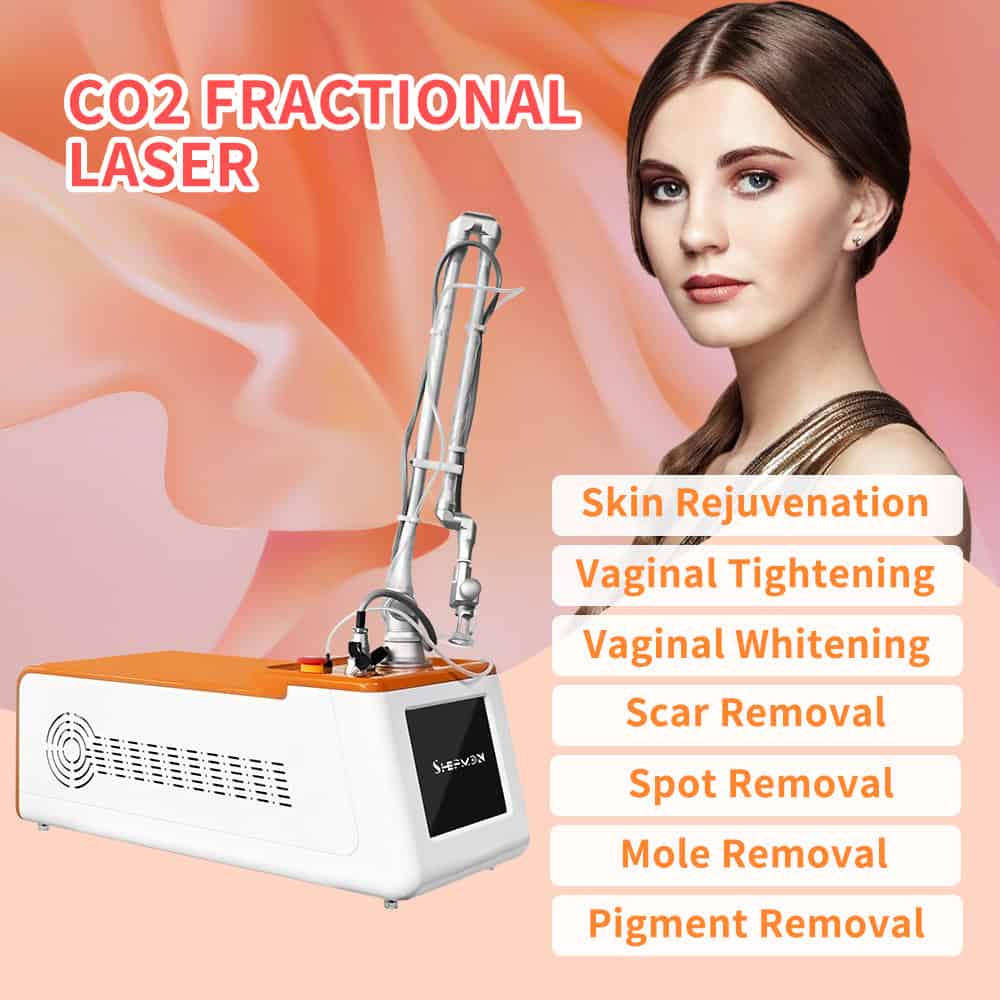
Der Shefmon 2910nm Fiber Fractional CO2 Ultra Laser delivers controlled micro-ablative columns in the tissue, encouraging new collagen formation and helping restore elasticity and strength in perineal skin and connective tissues. Many women report improved comfort, reduced tightness, and enhanced tissue quality after a series of sessions.
https://shefmon.com/product/shefmon-2910nm-fiber-fractional-co2-ultra-laser/
4.2 Addressing Postpartum Scars with Laser
In some cases, scars from perineal tears or surgical incisions can interfere with movement, sensitivity, or comfort. Fractional CO2 lasers, such as the Professionelles fraktioniertes CO2-Lasergerät zur Entfernung von Aknenarben mit 10600 nm, are excellent tools for remodeling scar tissue. While designed for facial and skin scar applications, similar fractional CO2 technology can be adapted for perineal scar treatment under clinical supervision, promoting smoother, more elastic tissue and helping reduce restrictions that may affect pelvic floor mechanics.
https://shefmon.com/product/a0529-professional-acne-scar-removal-10600nm-co2-fractional-laser-equipment/
5. Combining Treatments for Optimal Postpartum Outcomes
5.1 Why a Multi-Modal Approach Works
Postpartum recovery isn’t one-size-fits-all. The most effective plans often combine:
-
EMS technology to strengthen muscles
-
Laser therapy to enhance soft tissue healing and collagen regeneration
-
Targeted exercises and physiotherapy to improve functional movement
-
Lifestyle support such as hydration, nutrition, and pelvic health education
By addressing both muscle function and tissue quality, women can experience more comprehensive improvements in urinary control, pelvic support, and overall comfort.
5.2 Tailored Treatment Plans
A clinician experienced in postpartum care can assess your pelvic floor weakness, degree of incontinence, tissue condition, and personal goals to design a customized plan. For example, a woman with mild incontinence but significant perineal tightness might benefit first from laser therapy, followed by EMS-enhanced muscle strengthening.
CO2-Fraktionslaser-Resurfacing zum Verkauf 2024 in China vor und nach der Genesung und Kosten der Laserbehandlung gegen Falten
6. What to Expect During and After Treatment
6.1 EMS Sessions
EMS sessions are typically pain-free and require minimal preparation. Most women sit comfortably for about 20–30 minutes per session, and a course may include multiple weekly visits over several weeks. Results tend to accumulate over time, with many women noticing improved control and strength within a few weeks.
6.2 Laser Therapy Sessions
Laser therapy sessions involve brief applications of energy to targeted areas. Some mild redness, warmth, or temporary sensitivity may occur, but severe downtime is generally minimal. Collagen stimulation continues for weeks after treatment, contributing to progressive improvements in tissue quality.
6.3 Long-Term Benefits
With consistent treatment, women can expect stronger pelvic support, fewer episodes of urinary leakage, enhanced tissue elasticity, and a greater sense of body confidence. Many also find that a combination approach helps prevent long-term complications such as pelvic organ prolapse.
7. Who Should Consider These Treatments?
7.1 New Mothers with Urinary Incontinence
Women experiencing leakage after childbirth — even mild — may benefit significantly from EMS technology paired with rehabilitative exercise.
7.2 Women with Pelvic Floor Weakness
Regardless of incontinence, women who feel “loose” or lacking control in the pelvic region often notice improvements with EMS therapy.
7.3 Women with Perineal Tears or Scars
Laser therapy can support healing and restore elasticity in cases of tearing or surgical incision, helping reduce discomfort and improve functional movement.
7.4 Women Seeking Non-Invasive Recovery Options
For those who want to avoid surgical interventions, a combination of EMS and laser therapy offers a safe, effective, and non-invasive alternative.
Abschluss
Postpartum recovery of pelvic floor strength and urinary control is achievable with the right combination of treatments. EMS technology offers targeted muscle stimulation that goes beyond traditional exercises, helping women regain strength and control faster. Laser therapies, including fractional CO2 options, support soft tissue healing and tissue quality, enhancing the overall recovery experience. When applied under professional guidance as part of a tailored plan, these technologies offer modern, effective solutions for women navigating postpartum changes and striving for long-term pelvic health.