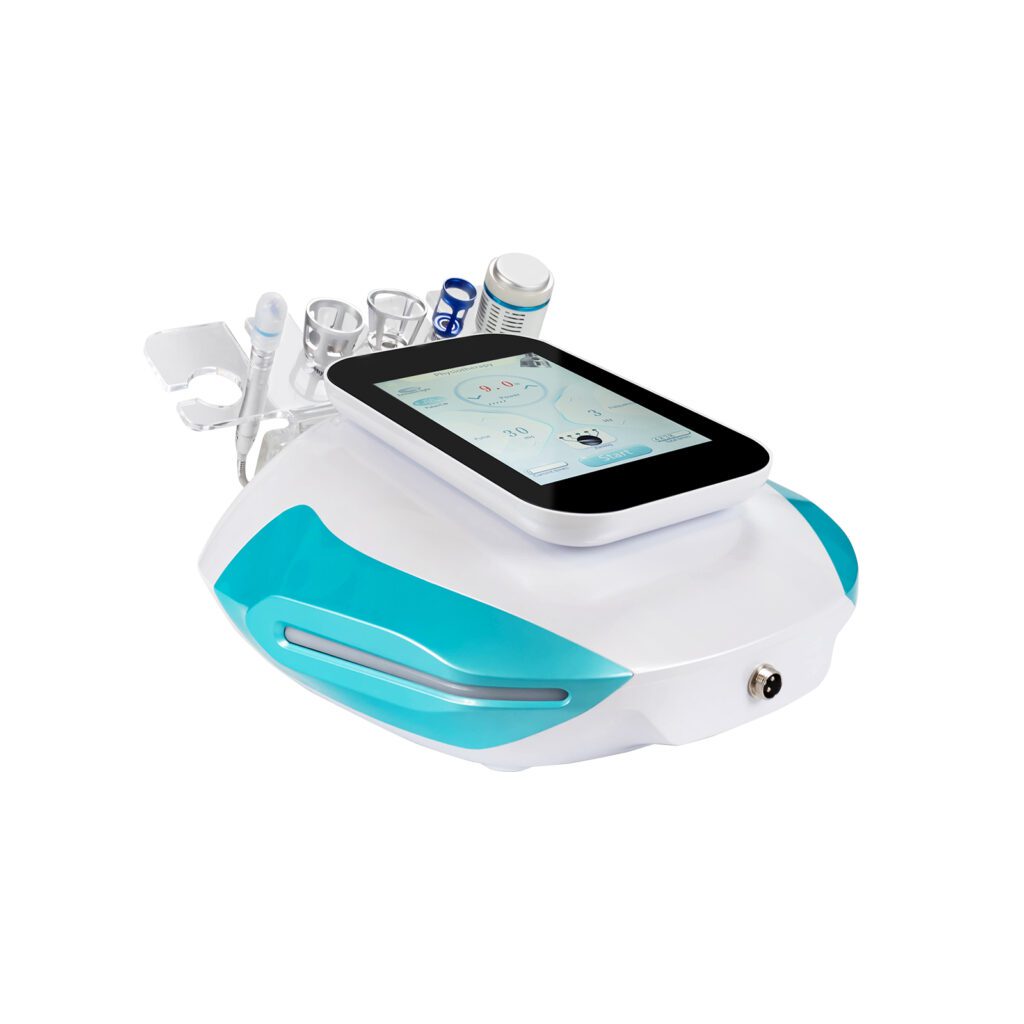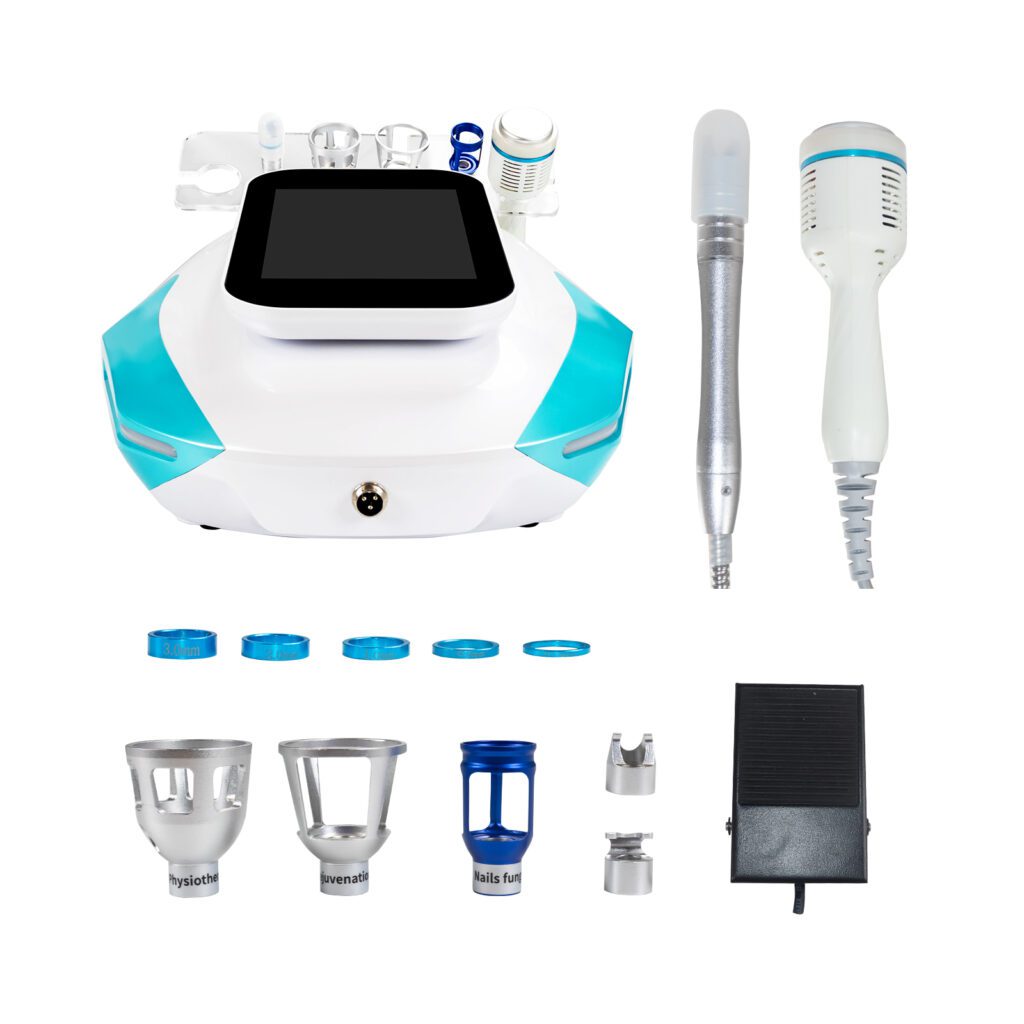
Needleless jet injection is a skin delivery technology that uses a high-pressure stream of liquid to penetrate the skin without conventional needles. It has gained attention in the professional beauty industry as an alternative approach to delivering selected skin care solutions. By combining controlled pressure, a precision nozzle, and specialized liquid delivery mechanisms, this technology is designed to transport formulations beyond the skin surface. Understanding how needleless jet injection works, what affects its delivery depth, and where it can be applied helps beauty professionals and equipment buyers evaluate its potential.
1. What Is Needleless Jet Injection Technology?
Needleless jet injection is a liquid delivery method that uses a high-velocity stream to pass through the skin barrier without a traditional needle. Unlike conventional mesotherapy, which relies on needles to deliver solutions into selected tissue layers, this technology uses mechanical pressure to accelerate liquid through a very small nozzle.
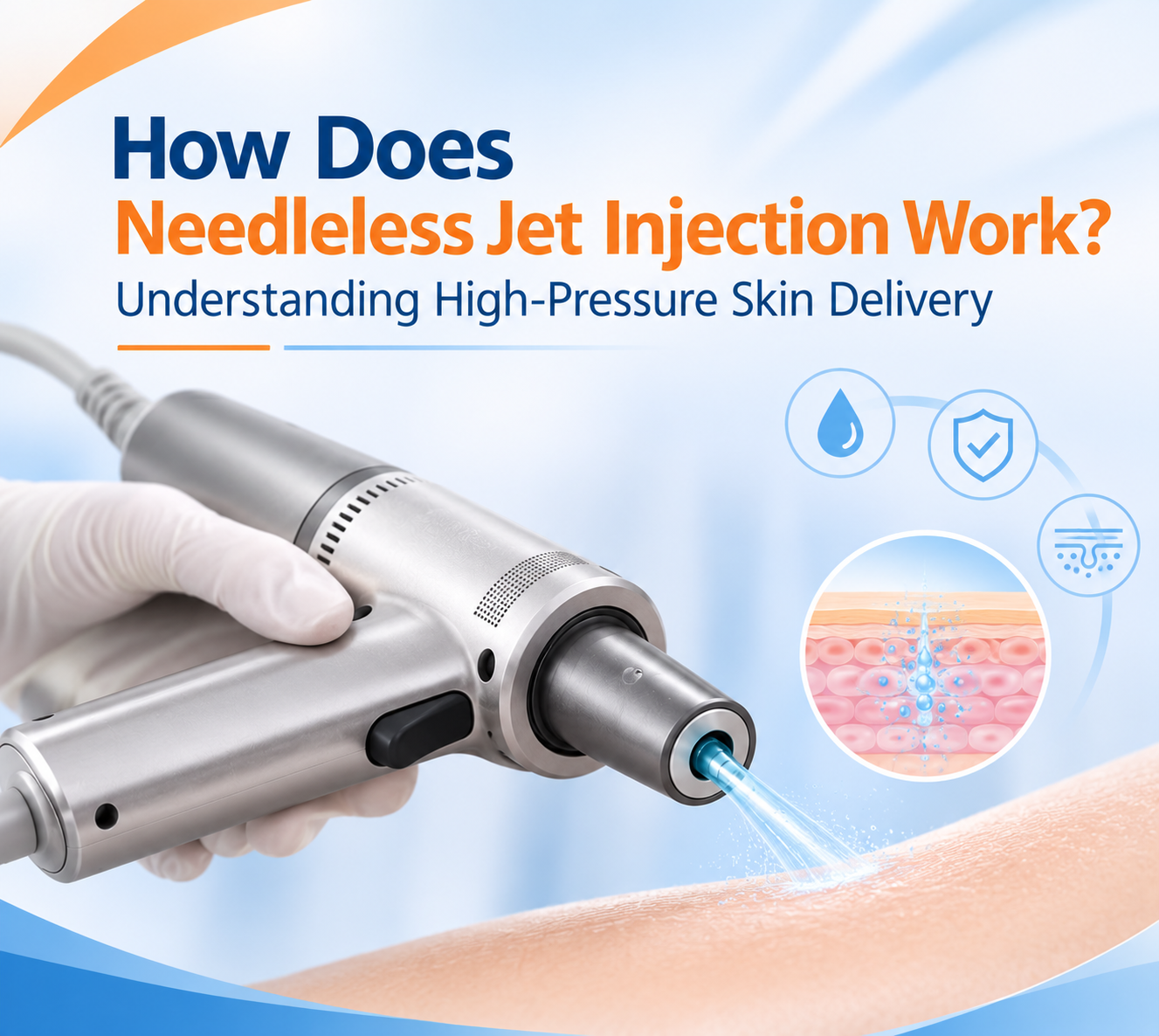
The process is based on controlled fluid dynamics. A power mechanism generates pressure inside the device, forcing the liquid through a precision opening at high speed. The resulting jet can penetrate the outer skin barrier and distribute liquid within the underlying tissue.
In aesthetic applications, needleless jet technology is used for treatments targeting skin hydration, rejuvenation, and overall skin appearance. Its needle-free delivery method makes it a distinct option for professional beauty businesses exploring alternative skin delivery technologies.
2. How Does Needleless Jet Injection Work?
Although equipment designs vary, most needleless jet injection systems follow a similar operating process.
2.1 Generating High Pressure
The process begins when the device activates its internal power mechanism. Depending on the design, this may involve compressed gas, a spring-loaded mechanism, or an electronically controlled actuator.
The generated force acts on the liquid inside a cartridge or delivery chamber, creating the pressure required for injection. Some systems allow operators to adjust pressure and delivery volume, providing greater control over treatment settings.
2.2 Creating a High-Speed Liquid Jet
The pressurized liquid is forced through a narrow nozzle, forming a concentrated, high-speed stream.
Nozzle diameter and geometry play important roles in jet formation. They influence the liquid’s exit velocity, stability, and distribution after leaving the nozzle.
The physical properties of the liquid also matter. For example, viscosity affects how easily a formulation flows through the nozzle and how the jet behaves during delivery.
2.3 Delivering Liquid Through the Skin Barrier
When the high-speed jet contacts the skin, its kinetic energy helps it penetrate the outer barrier. The liquid then spreads within the tissue according to the jet’s characteristics and the mechanical properties of the skin.
Unlike a conventional needle, which creates a physical path for liquid delivery, needleless jet injection relies on the force and behavior of the liquid stream itself.
The resulting delivery pattern is not necessarily limited to a single concentrated point. Depending on the operating conditions and formulation, liquid may spread across a wider area within the targeted tissue.
3. What Factors Affect Skin Delivery Depth?
Delivery depth is one of the most important technical considerations in needleless jet injection. It is not determined by pressure alone. Several factors work together to influence how liquid enters and spreads within the skin.
3.1 Injection Pressure and Jet Velocity
Pressure is a major factor in generating the liquid jet. Higher driving pressure can increase jet velocity, potentially allowing the stream to penetrate further under certain conditions.
However, greater pressure does not automatically mean better delivery. Excessive energy may increase tissue disruption and discomfort. Appropriate settings should take into account the delivery system, treatment area, and intended application.
3.2 Nozzle Diameter and Structure
The nozzle determines how liquid exits the delivery chamber. Its diameter, shape, and alignment influence jet speed, stability, and penetration behavior.
A precision nozzle helps produce a more controlled stream, making nozzle engineering an important consideration in needleless jet technology.
3.3 Liquid Viscosity and Formulation
Different skin care solutions have different physical properties. Thicker formulations may flow differently from low-viscosity liquids, affecting jet formation and delivery consistency.
Formulation composition, particle characteristics, and compatibility with the delivery mechanism should also be considered. Not every serum or injectable solution is suitable for high-pressure jet delivery.
3.4 Skin Characteristics and Treatment Area
Skin thickness, elasticity, anatomical location, and individual tissue characteristics can affect liquid penetration and distribution.
The same operating settings may not produce identical delivery patterns across different treatment areas or individuals. This is why appropriate treatment protocols and operator training are essential.
4. What Are the Applications of Needleless Jet Injection in Aesthetic Treatments?
Needleless jet technology has several potential applications in professional aesthetic care. The specific outcomes depend on the formulation, delivery conditions, and treatment protocol.
4.1 Deep Skin Hydration
Hydration-focused treatments are among the common applications associated with needleless mesotherapy. Compatible formulations containing suitable moisturizing ingredients may be delivered beyond the skin surface to support professional hydration treatments.
For example, hyaluronic acid is widely used in skin care because of its ability to attract and retain water. Its suitability for a particular jet delivery system depends on the formulation and the device’s compatibility requirements.
4.2 Skin Rejuvenation and Brightening
Some needleless jet treatments are used with selected formulations for skin care concerns such as dullness, uneven-looking skin tone, and rough texture.
The ingredients used play an important role in determining the intended treatment benefits. Liquid delivery technology itself should not be considered a whitening or anti-aging ingredient.
4.3 Fine Lines and Skin Texture Care
Hydration-focused skin care may help improve the appearance of fine lines associated with dryness. Treatments may also be designed to support smoother-looking skin and improve the appearance of rough texture.
However, needleless liquid delivery should not be confused with procedures that use thermal or focused energy to target deeper tissue structures.
4.4 Professional Facial and Body Care
Depending on the delivery system and its intended applications, needleless jet technology may also be incorporated into professional facial, neck, and body care services.
The treatment area, formulation, and operating parameters should always be selected according to the equipment’s specifications and applicable safety requirements.
5. What Should Professionals Consider When Evaluating Needleless Jet Technology?
For beauty salons, aesthetic centers, and professional equipment buyers, understanding the technical configuration is just as important as knowing the advertised treatment applications.
- Pressure control: Evaluate whether the system provides adjustable settings and consistent output.
- Nozzle precision: Examine nozzle diameter, manufacturing quality, stability, and replacement requirements.
- Delivery volume: Consider whether liquid output can be controlled according to different treatment requirements.
- Formulation compatibility: Confirm which liquids are suitable for the delivery mechanism.
- Handpiece ergonomics: A comfortable grip and manageable weight can improve handling during repeated treatments.
- Operating interface: Clear controls and an intuitive interface help operators manage treatment settings.
- Cleaning and maintenance: Review cleaning procedures, replaceable components, and routine maintenance requirements.
- Safety and training: Check operating instructions, contraindications, and the training required for professional use.
Evaluating these factors helps professionals distinguish between equipment based mainly on marketing claims and systems with practical, well-defined technical specifications.
Abschluss
Needleless jet injection works by converting mechanical or pneumatic energy into a high-speed liquid stream that can pass through the skin barrier without a conventional needle. Its delivery performance depends on several interacting factors, including pressure, jet velocity, nozzle geometry, liquid viscosity, and individual skin characteristics.
Für professionelle Schönheitsgeräte buyers, understanding these principles provides a more reliable basis for evaluating needleless mesotherapy technology. Rather than focusing only on advertised treatment functions or penetration depth, it is important to examine delivery control, formulation compatibility, nozzle design, operator usability, and maintenance requirements.
As high-pressure skin delivery technology continues to develop, understanding its capabilities and limitations will help professionals make more informed decisions about its role in aesthetic treatments.
Häufig gestellte Fragen
1. Is Needleless Jet Injection the Same as Traditional Mesotherapy?
No. Traditional mesotherapy uses needles to deliver solutions into selected skin layers, while needleless jet injection uses a high-pressure liquid stream without a conventional needle. Both methods involve liquid delivery, but their mechanisms are different.
2. Does Higher Injection Pressure Always Mean Deeper Delivery?
No. Pressure influences jet velocity, but delivery depth also depends on nozzle diameter, liquid viscosity, injection volume, and skin characteristics. Higher pressure is not automatically better or safer.
3. Can All Serums Be Used with Needleless Jet Injection?
No. Formulation viscosity, composition, sterility, and compatibility with the delivery system must be considered. Only solutions specifically suitable for the intended delivery method should be used.
4. Is Needleless Jet Injection Completely Non-Invasive?
Although it does not use a conventional needle, the high-speed liquid stream is designed to penetrate the skin barrier. Temporary redness, swelling, discomfort, or other local reactions may occur. Needle-free should not be interpreted as risk-free.
5. What Is the Difference Between Needleless Jet Injection and Ultrasound Skin Infusion?
Needleless jet injection uses a high-pressure liquid stream to penetrate the skin barrier, whereas ultrasound skin infusion uses acoustic energy to influence the movement of substances through the skin. They rely on different physical mechanisms and should not be considered interchangeable technologies.