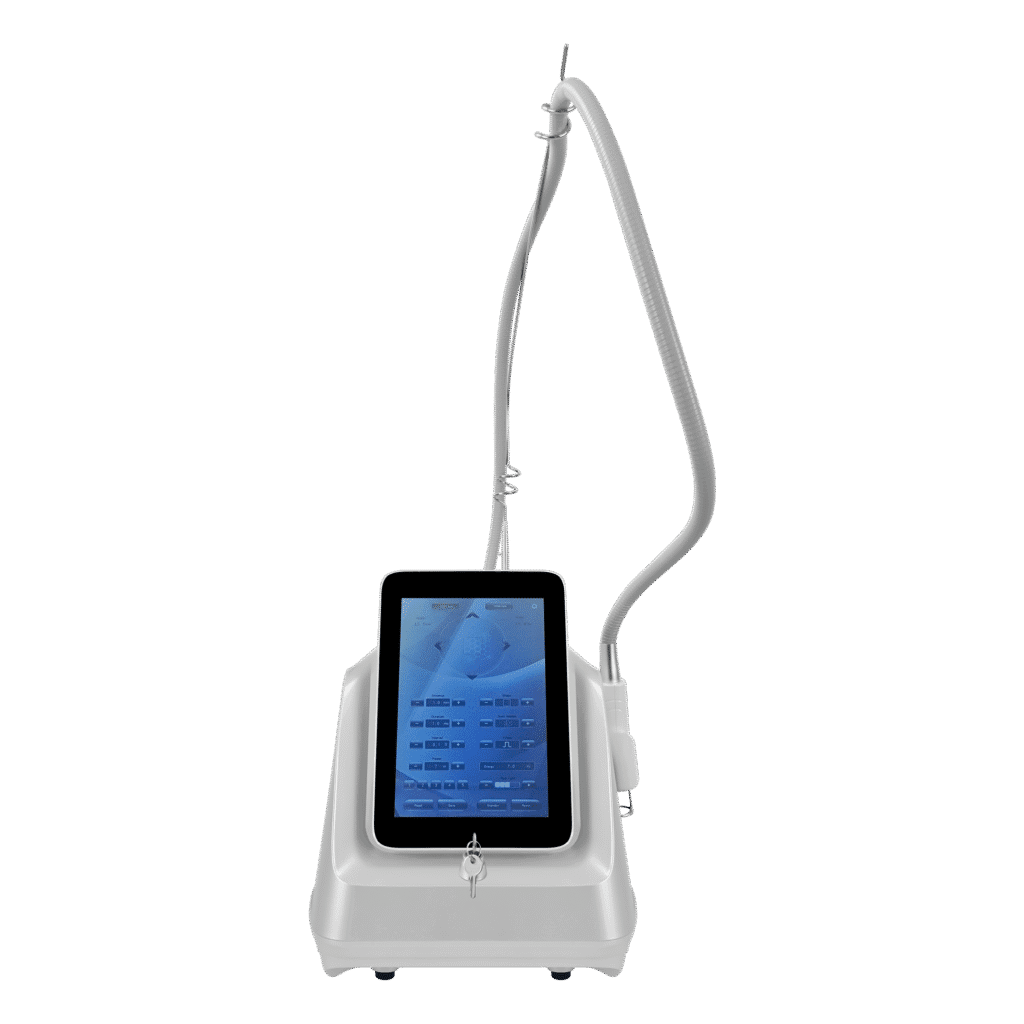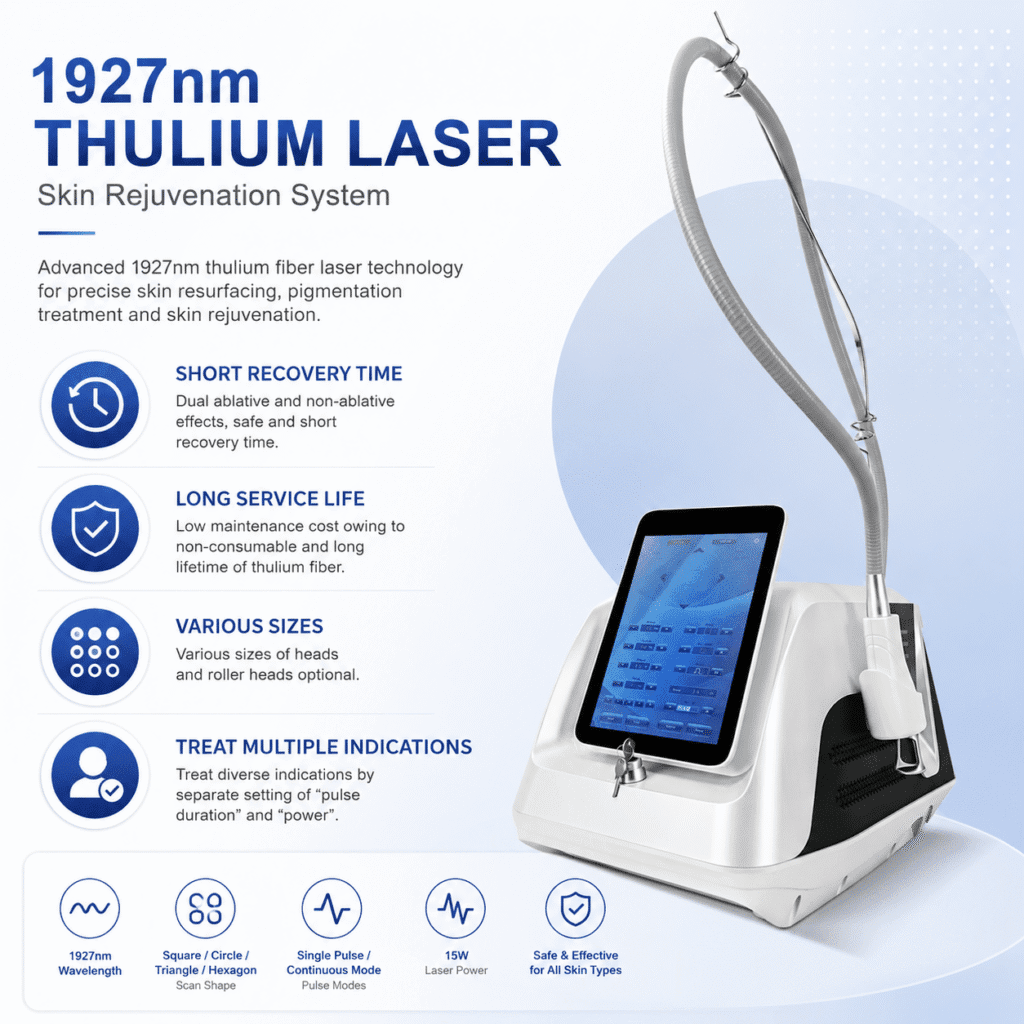
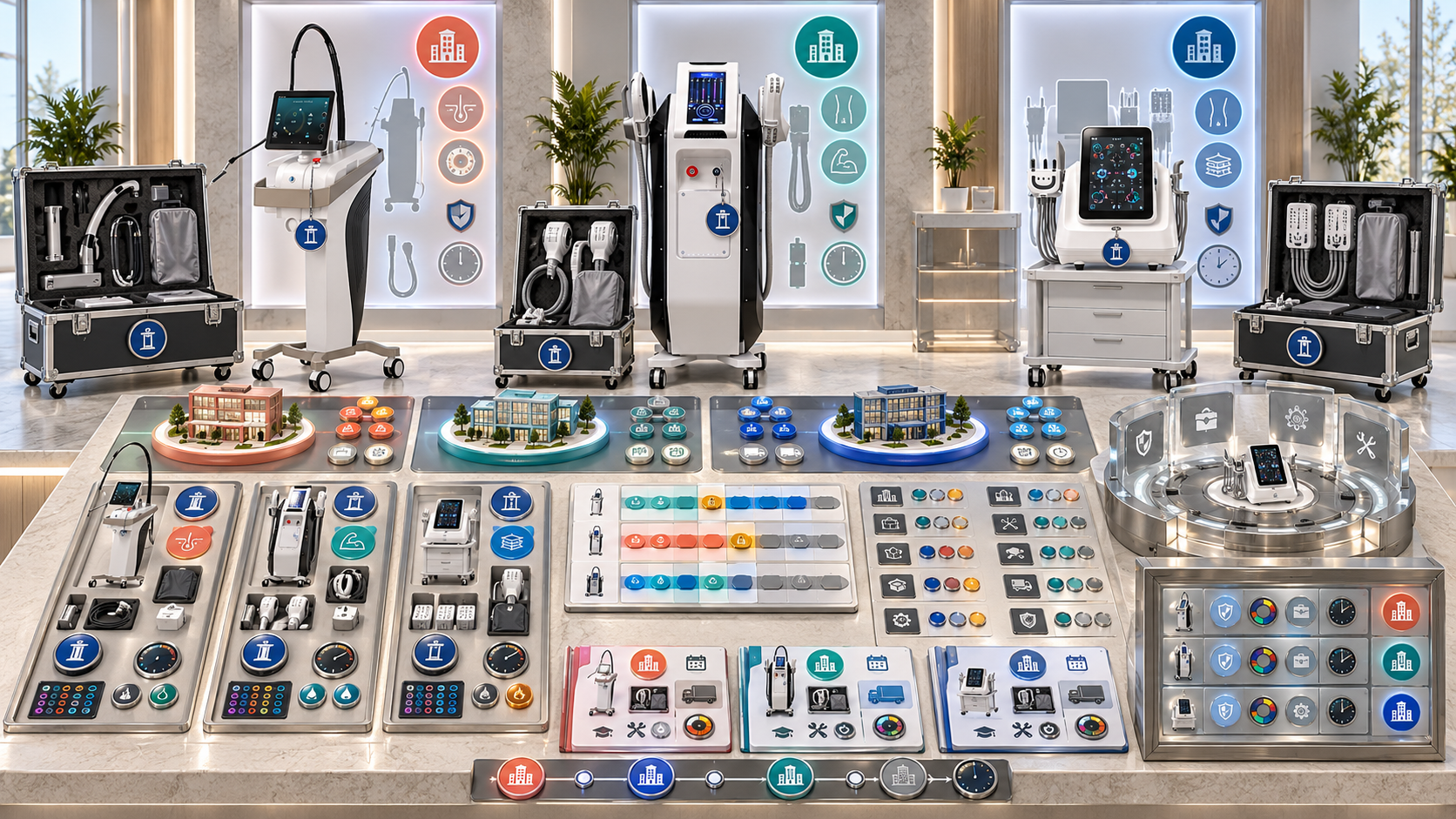
Loaning a beauty device to a qualified buyer, regional partner, or event team can make a product evaluation more practical. It can also create serious gaps when the unit leaves without a clear purpose, exact configuration record, named custodian, return date, or post-loan decision process.
A beauty device loan is a temporary transfer of custody. The distributor still needs to know where the asset is, who may access it, what components travelled with it, which activities are permitted, and whether the unit remains fit for the next appointment. Sales teams therefore need more than a shared calendar. They need an approval, handover, monitoring, return, and follow-up system.
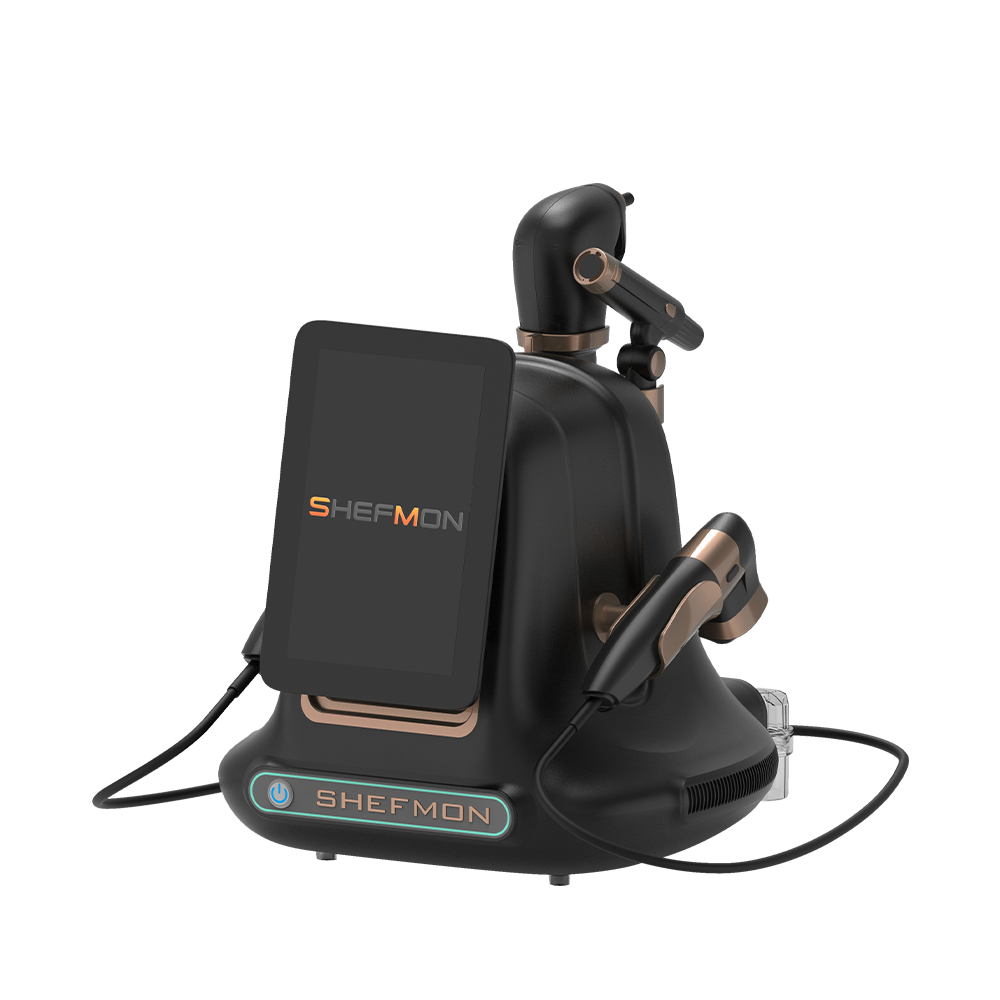
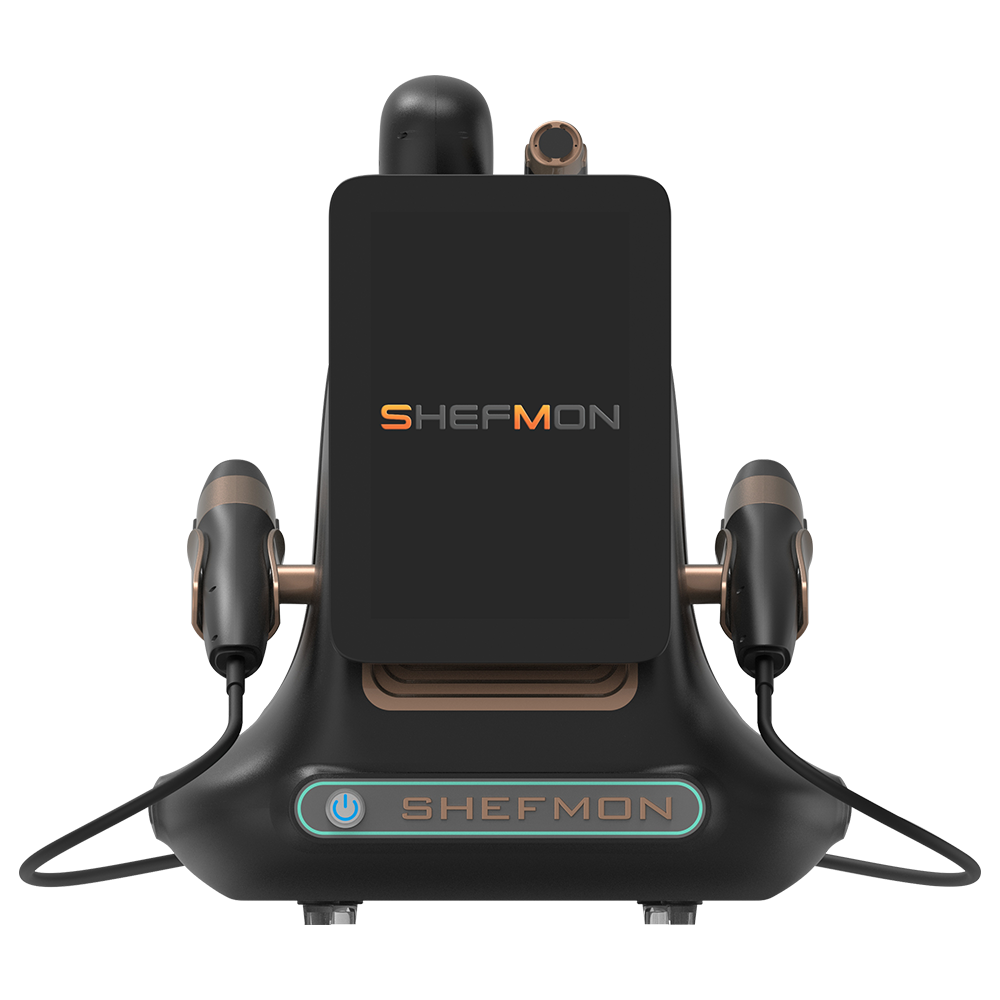
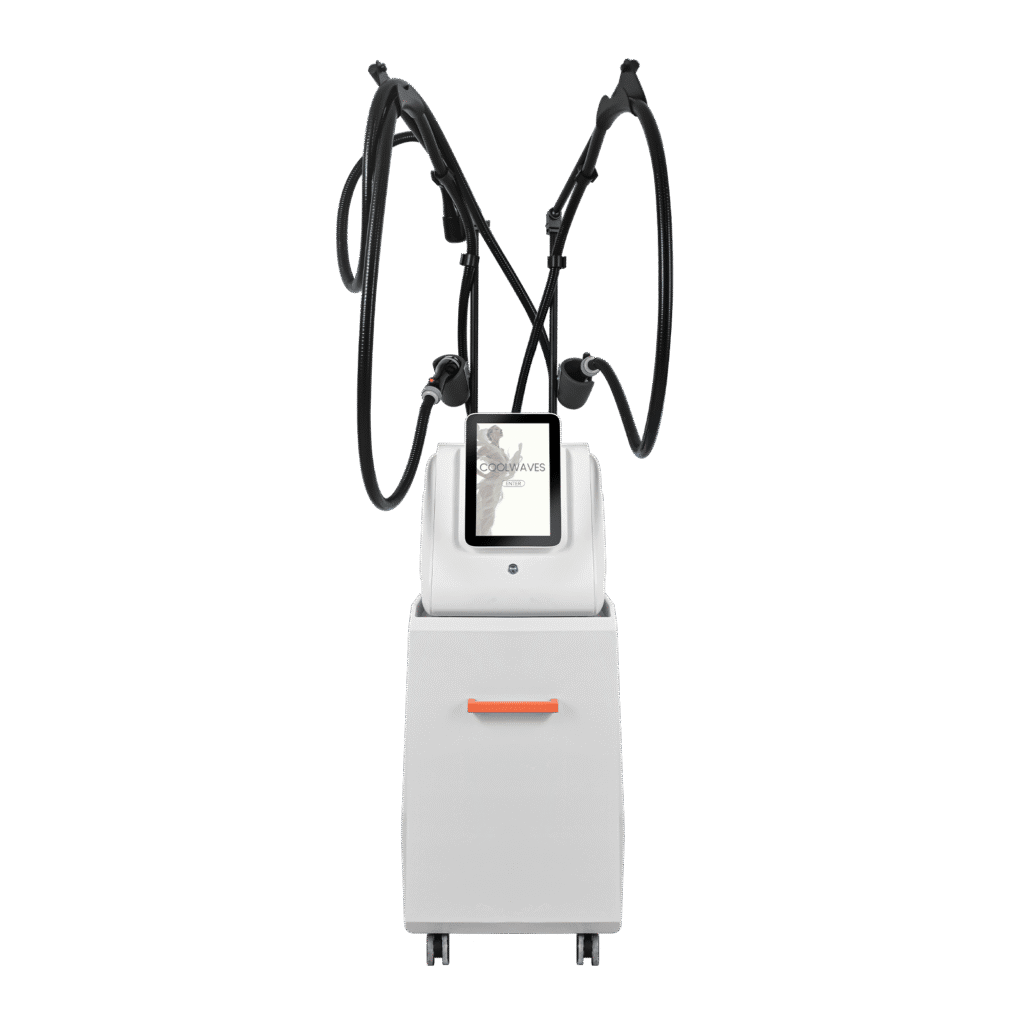
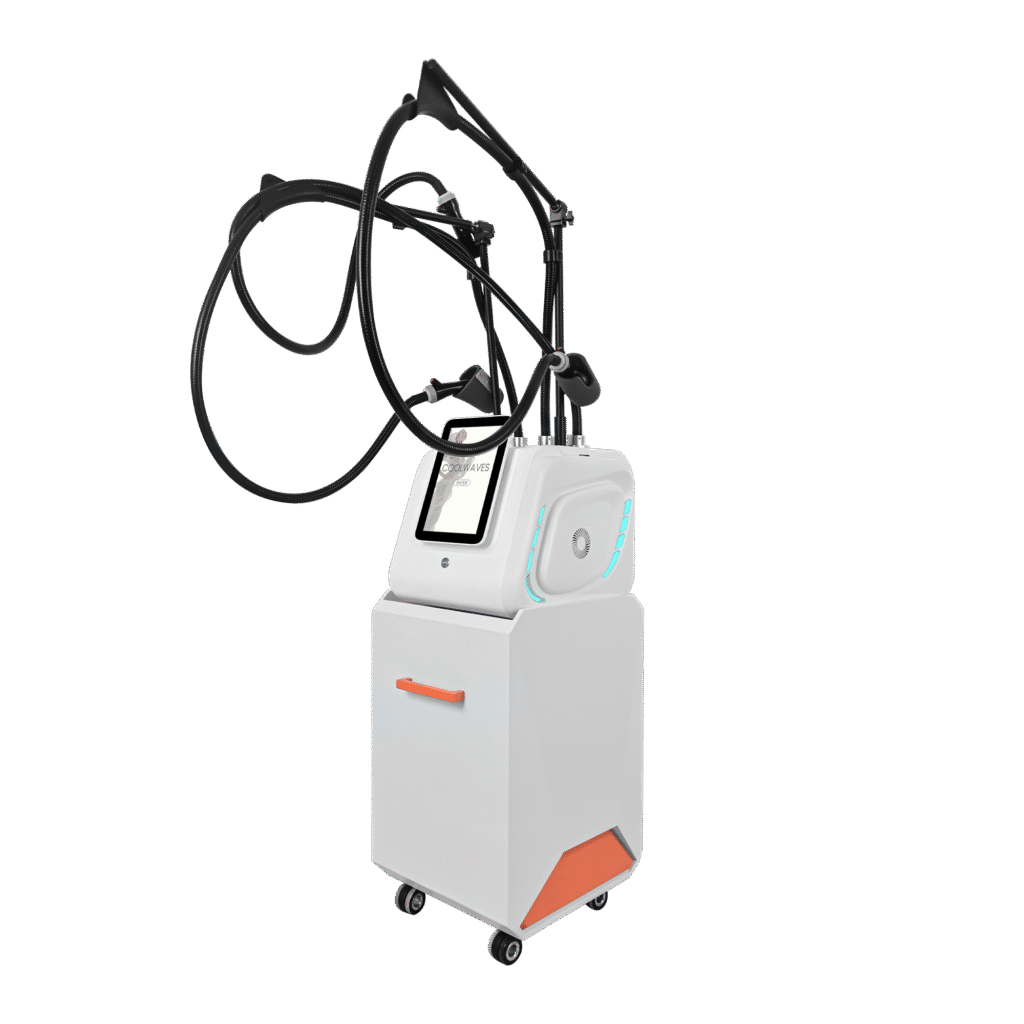
This guide explains how distributor sales teams can manage loan units from request to closure while presenting relevant SHEFMON Schönheitsgeräte. It covers buyer qualification, loan types, agreements, configuration control, logistics, condition evidence, overdue returns, damage, maintenance, and conversion into an accurate quotation.
Zusammenfassung
A controlled beauty device loan process should follow eight stages:
- Qualify the request. Confirm the borrower, business need, decision objective, site, staff, requested model, and evaluation period.
- Choose the right loan type. Separate guided demonstrations, short evaluations, partner displays, event loans, training loans, and temporary service replacements.
- Approve risk and availability. Check current bookings, model suitability, location readiness, support coverage, transport, and the effect on other sales opportunities.
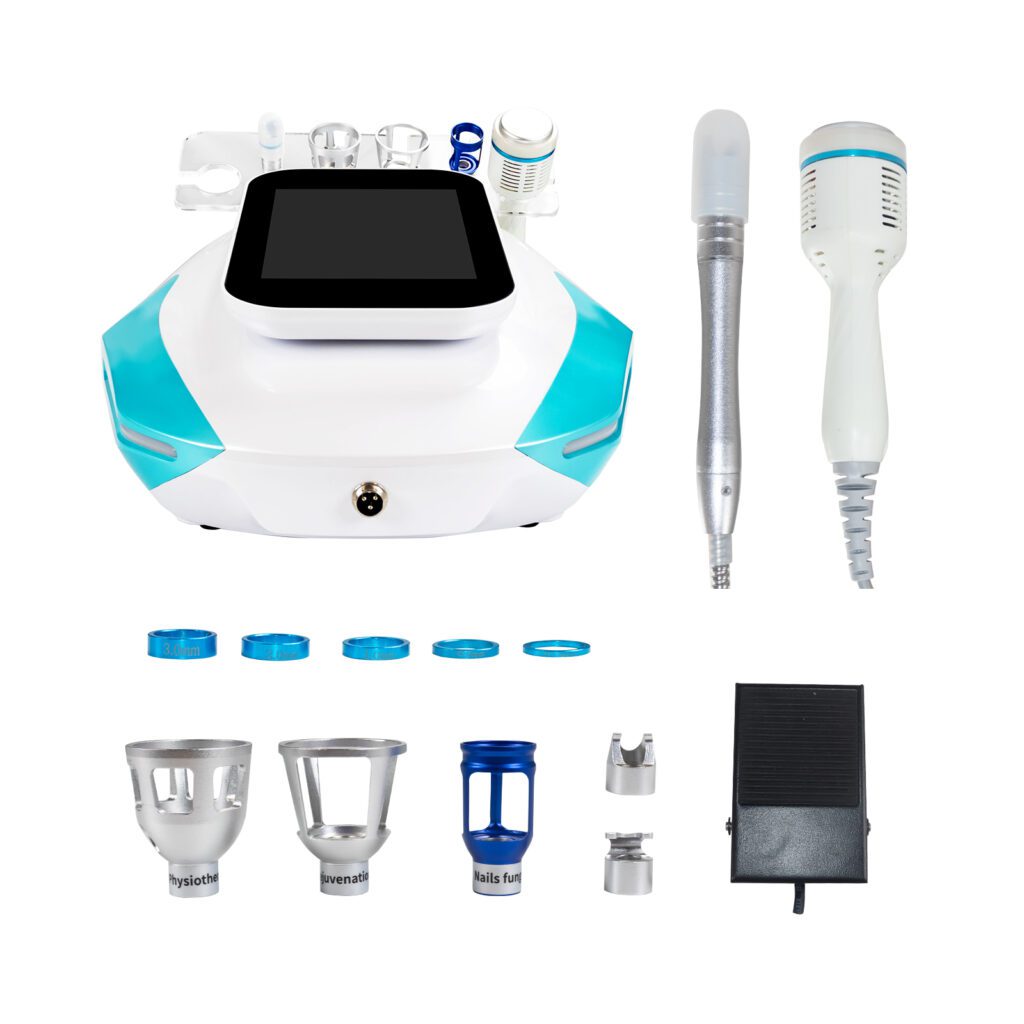
- Freeze the loan configuration. Record the asset ID, serial number, exact model version, handles, applicators, accessories, consumables, electrical details, and software status.
- Document custody. Use a locally reviewed agreement and a signed handover record with permitted use, users, dates, condition, loss or damage process, and return requirements.
- Support the active loan. Track location, responsible contacts, check-ins, issues, configuration changes, and return timing.
- Inspect the return. Quarantine the unit until identity, completeness, condition, operation, cleaning, maintenance, and records are verified.
- Close the commercial loop. Document what the buyer learned, which configuration is required, what remains unresolved, and whether the next step is a quotation, another specialist review, or closure.
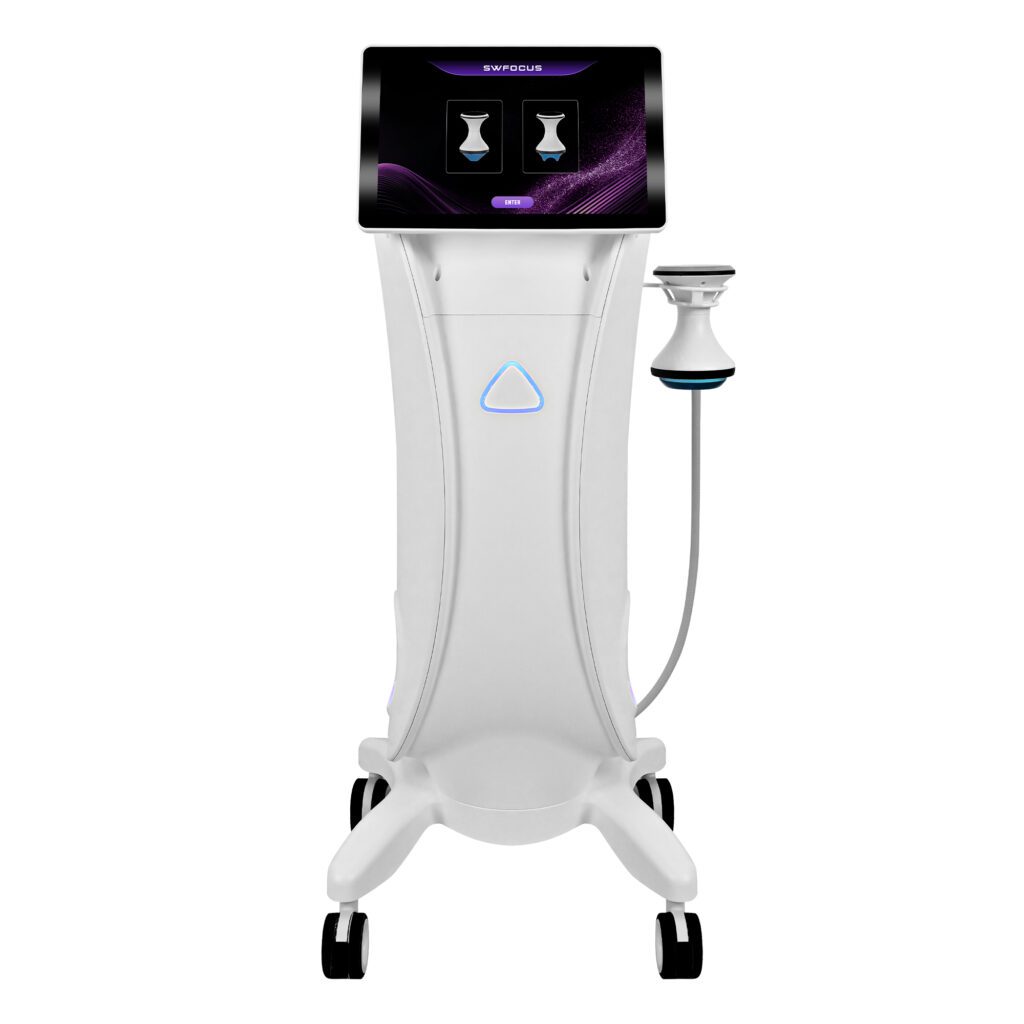
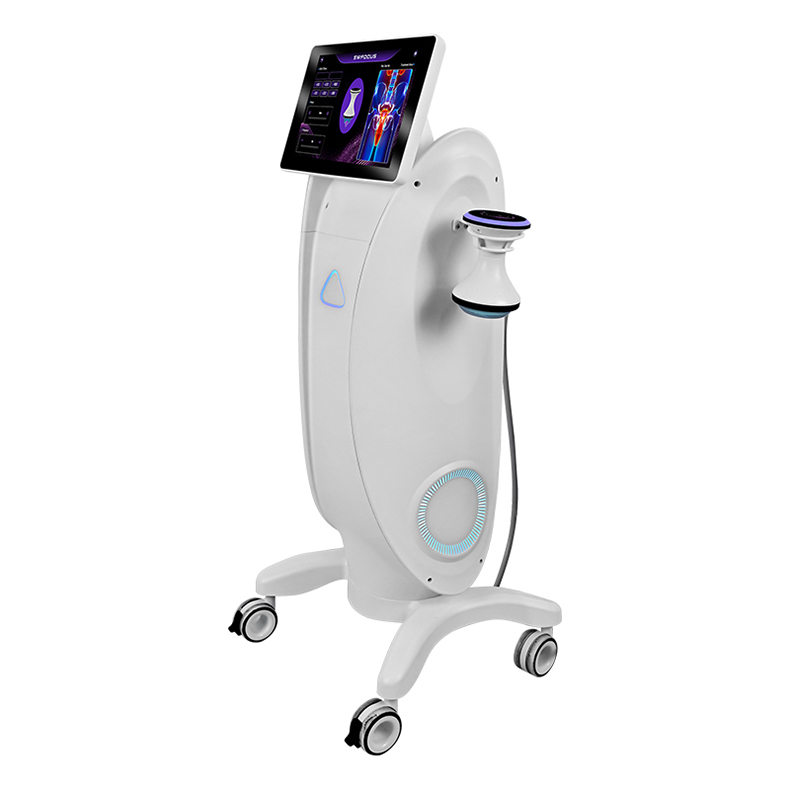
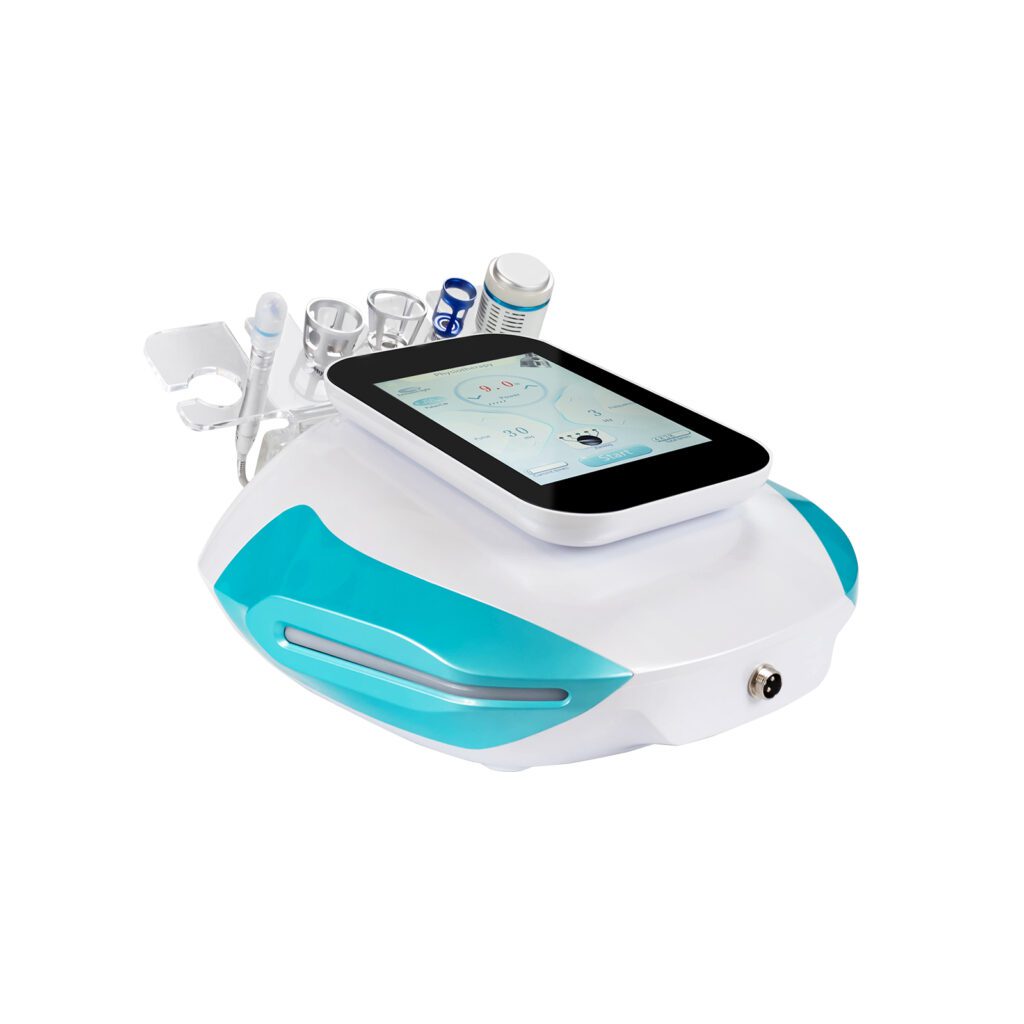
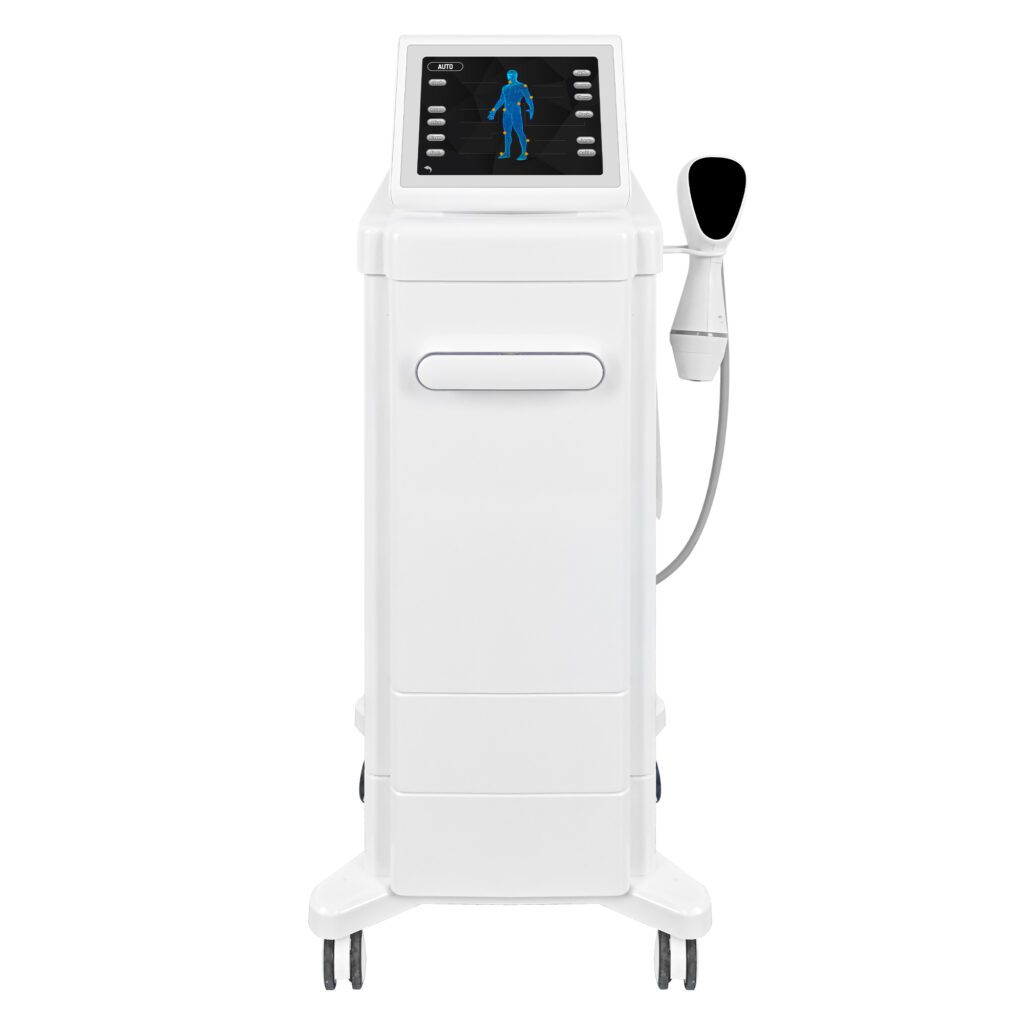
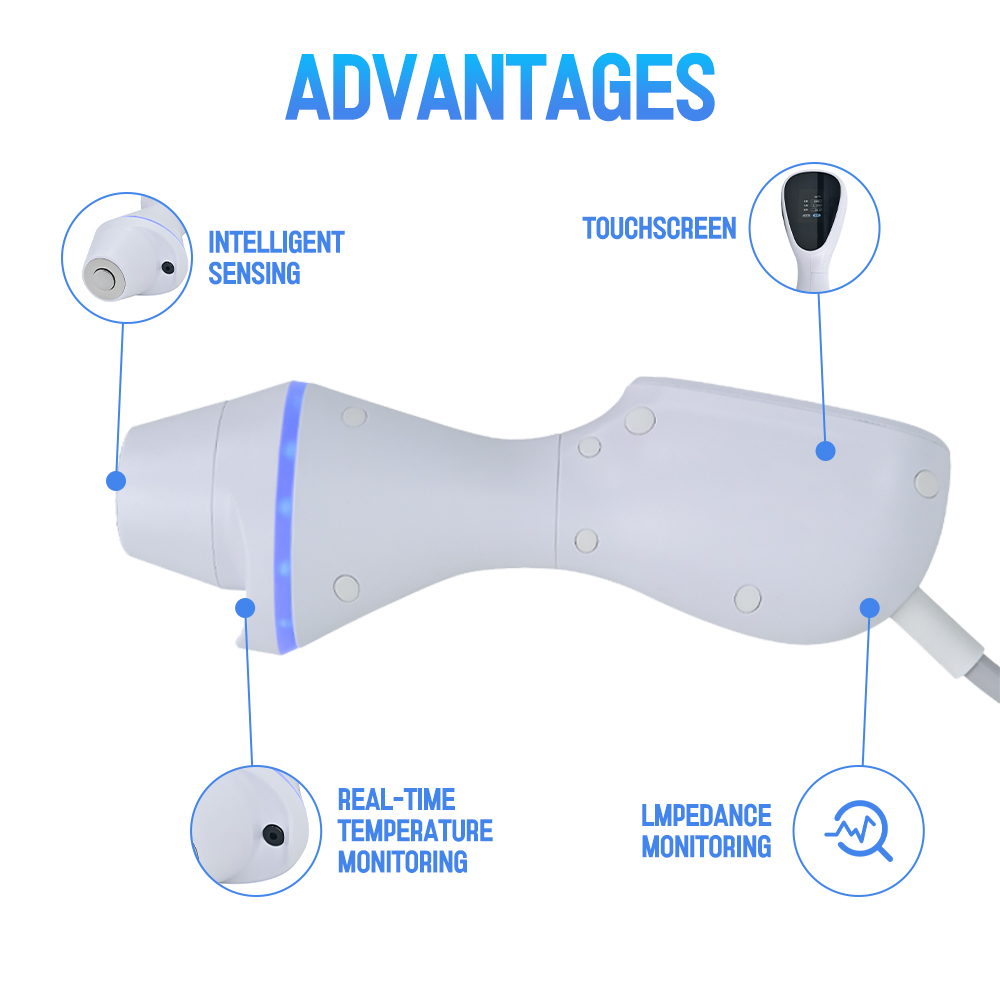
A0648 or B0155 may support a controlled evaluation when the borrower, site, functions, and component kit are appropriate. A0426, A0204, and A0152 generally require tighter professional, site, configuration, and presenter controls; they should not become unattended general-purpose loan units simply because a buyer asks.
1. Define a Loan Unit Clearly
A loan unit is a distributor-controlled asset temporarily placed outside its normal custody location for an approved purpose. It is not new saleable stock and should not be recorded as if ownership has transferred.
Every loan must identify:
- the physical unit by asset ID and serial number;
- the borrower organization and approved location;
- the individual accepting custody;
- the commercial or support purpose;
- the exact start and return dates;
- the permitted users and activities;
- the supplied configuration and component kit;
- the support and escalation route; and
- the decision required at the end of the period.
If the team cannot state these items, the request is still an inquiry rather than an approved loan.
2. Separate Loan Units from Other Equipment Statuses
Clear status prevents a temporary placement from becoming invisible inventory.
| Equipment status | Hauptzweck | Gewahrsam | Required sales-team control |
|---|---|---|---|
| New saleable stock | Fulfil a confirmed customer order | Distributor until delivery and acceptance | Preserve unused condition and match the order |
| Showroom demo unit | Support scheduled buyer presentations | Distributor location | Booking, configuration, condition, and presenter control |
| Loan unit | Approved temporary use outside normal location | Named external or internal borrower | Agreement, handover, active tracking, and return closure |
| Training unit | Develop staff capability | Training team or approved site | Training scope, high-use care, and component control |
| Service replacement unit | Maintain continuity during an approved repair case | Customer under support process | Link to service case, replacement scope, and recovery date |
| Sold former demo unit | Final transfer after disclosure and agreement | Buyer after acceptance | Condition, included items, support terms, and asset-register closure |
Do not label a service replacement as a sales evaluation to bypass support controls. Do not promise a showroom unit to a buyer until its status and existing reservations allow it to leave.
3. Create Approved Loan Types
Each loan type should have its own duration, controls, and expected result.
Guided on-site demonstration
The device travels with an authorized presenter and normally returns after the session or event. This suits configuration-sensitive products and sites that need a room-fit or workflow review.
Short buyer evaluation
The unit remains at an approved buyer location for a defined period. The borrower evaluates agreed product, room, staff, and service-menu questions. This requires a strong qualification and custody process.
Partner showroom loan
An approved regional partner displays the unit for scheduled prospects. The distributor defines who can present it, how leads are recorded, and when the unit is inspected or rotated.
Exhibition or campaign loan
The asset supports a named event, open day, or regional campaign. The request should include venue, dates, security, setup, staffing, lead capture, and return logistics.
Training loan
The device supports a documented internal or partner course. It should not automatically be represented as a buyer-ready showroom sample after intensive training use without inspection.
Temporary service replacement
This unit is linked to an existing support case and has a different commercial purpose from evaluation. Keep the repair reference, eligibility, configuration compatibility, delivery, and recovery plan in the service record.
4. Qualify the Borrower and the Business Need
The salesperson requesting the loan should submit a complete brief rather than asking the asset team to “send a demo.”
Aufzeichnen:
- legal or trading name of the borrower;
- physical loan location and site contact;
- buyer type, such as salon, med spa, clinic, body studio, or reseller;
- current services and relevant staff capability;
- product category and exact model requested;
- business decision the loan must support;
- questions that cannot be resolved remotely;
- proposed users and supervision;
- room, power, storage, cleaning, and security conditions;
- requested dates and any event deadline;
- technical and commercial contacts; and
- expected action after the loan.
A loan should answer defined questions. “The customer wants to try it” does not explain what will be evaluated or how the distributor will decide whether the loan succeeded.
5. Decide Whether a Loan Is the Right Access Method
Compare the loan with lower-risk ways to answer the buyer’s questions.
| Käuferbedarf | Loan may be appropriate | Better alternative may be |
|---|---|---|
| Inspect physical size and room fit | Short guided placement at the actual site | Dimension plan and video walkthrough if access is simple |
| Compare handles or applicators | Controlled kit review with complete component list | Specialist-hub session when components are costly or sensitive |
| Understand interface and setup | Guided evaluation with trained staff | Live remote demonstration for early-stage inquiries |
| Confirm service-menu role | Structured evaluation with predefined menu questions | Consultation and workflow mapping without moving the asset |
| Support a regional event | Approved event loan with appointments and security | Recorded content if the event lacks qualified prospects |
| Evaluate advanced operation | Only within appropriate professional, site, and supervision controls | Specialist-center demonstration or accompanied visit |
Do not use a loan to replace basic qualification. If the buyer has not selected a relevant category, a consultation and shortlist should come first.
6. Use an Approval Matrix
Approval authority should increase with duration, distance, asset value, category complexity, and level of external control.
| Approval factor | Lower-control request | Higher-control request |
|---|---|---|
| Dauer | Same-day guided session | Multi-week external placement |
| Standort | Distributor-managed venue | Remote buyer or partner site |
| Aufsicht | Authorized presenter remains present | Borrower has day-to-day custody |
| Gerätekategorie | Familiar model with simple display scope | Advanced or configuration-sensitive system |
| Component kit | Small, fixed accessory set | Several handles, applicators, cartridges, or consumables |
| Transport | Local distributor vehicle | Third-party freight or cross-border movement |
| Schedule impact | No conflicting booking | Removes the only unit from other qualified opportunities |
| Borrower history | Verified returning partner | New organization without an asset-care record |
The approver should be independent of the salesperson’s desire to progress the deal. Commercial urgency does not remove asset, safety, configuration, or custody requirements.
7. Check Availability Before Promising Dates
The central register should show:
- current location and custodian;
- confirmed future reservations;
- transport and setup buffers;
- inspection and maintenance windows;
- open faults or missing components;
- return risk from the current borrower;
- event commitments; and
- availability of an equivalent substitute.
Sales teams should request dates through this record. A chat message from one office should not override a confirmed loan elsewhere. Give the buyer a date only after asset availability, presenter availability, and logistics have all been checked.
8. Freeze the Exact Configuration
One model name can cover several possible configurations. The loan record must describe the physical sample that leaves.
Enthalten:
- asset ID and serial number;
- model and version;
- installed software or interface version where relevant;
- wavelength, handpiece, power, or spot-size selection where applicable;
- handles, applicators, cartridges, tips, cables, and foot controls;
- trolley, stand, case, protective items, and documents;
- electrical version, voltage, and plug;
- reusable and single-use items;
- demonstration consumables and quantities;
- optional components present; and
- available options not included in the loan.
Attach photographs of the full unit, serial label, screen status, components, cases, and any existing cosmetic marks. These images support both configuration accuracy and condition comparison.
9. Prepare a Complete Loan Agreement
Use a standard agreement reviewed for the markets in which the distributor operates. Sales staff should not improvise key terms in email.
The document should address, as applicable:
- parties and authorized contacts;
- asset and configuration schedule;
- approved site and permitted movement;
- start date, return date, and extension process;
- permitted purpose and users;
- training or supervision requirements;
- prohibited alteration, opening, resale, transfer, or sub-loan;
- cleaning, storage, security, and daily-care responsibilities;
- consumable and accessory treatment;
- fault, incident, loss, theft, and damage reporting;
- insurance, deposit, or financial responsibility where used;
- transport responsibility and delivery terms;
- inspection and acceptance at dispatch and return;
- privacy or record-handling obligations where relevant;
- early recall and overdue-return process; and
- governing terms required by local review.
The agreement and the handover checklist serve different purposes. The agreement establishes responsibilities. The handover proves which physical items and condition were accepted.
10. Use a Pre-Dispatch Release Gate
Do not release the device until every required item is complete.
The release gate should confirm:
- approved request and signed agreement;
- verified borrower and delivery location;
- asset identity and frozen configuration;
- current product and presentation material;
- completed operating and condition check;
- no unresolved fault that affects the permitted purpose;
- complete component and document count;
- approved cleaning and packing;
- transport case, labels, and handling instructions;
- named sender, carrier, receiver, and delivery window;
- training or presenter schedule; and
- central register status changed to “on loan.”
A last-minute event request should not bypass the gate. Change the presentation method if the asset cannot be prepared correctly.
11. Complete a Two-Sided Handover
The sending and receiving parties should verify the same list. The receiver records any mismatch before accepting custody.
| Übergabeabschnitt | Beweis |
|---|---|
| Identität | Asset ID, serial number, model, and label photographs |
| Konfiguration | Signed component and option schedule |
| Zustand | External images, screen or operating status, and noted marks |
| Completeness | Case-by-case count of handles, cables, accessories, and documents |
| Site receipt | Location, date, receiver, and delivery condition |
| User control | Approved users and completion of required orientation |
| Return | Due date, collection method, packaging, and contact |
| Ausnahmen | Missing, damaged, substituted, or restricted items |
If the delivery arrives damaged or incomplete, pause the evaluation and escalate. Do not let the borrower begin while responsibility remains unclear.
12. Control Who Can Use and Move the Unit
The borrower organization may employ many people, but the loan should name the individuals or roles allowed to access the device. Define whether operation is permitted, whether an authorized presenter must be present, and whether the unit can move between rooms or sites.
Require prior approval for:
- changing the loan address;
- transferring custody to another branch;
- adding users;
- connecting unlisted handles or accessories;
- installing software or changing protected settings;
- opening housings or arranging third-party repair;
- using nonapproved consumables; and
- taking the unit to an event.
A partner should not re-loan the asset to another prospect. The distributor must retain a direct custody chain.
13. Plan Active-Loan Check-Ins
The loan owner should remain responsible after delivery. Check-in frequency can depend on duration and risk.
A check-in can confirm:
- the device remains at the approved site;
- the named custodian is still responsible;
- no unreported fault, damage, or missing component exists;
- the approved evaluation is progressing;
- support questions have been logged;
- the configuration has not changed;
- the return date is still realistic; and
- the commercial follow-up meeting is scheduled.
Keep the record concise and factual. Repeated absence of replies is a custody warning and should trigger escalation before the due date.
14. Manage Extensions Before the Return Date
An extension is a new approval, not an informal courtesy.
Rezension:
- why the original period was insufficient;
- what decision remains outstanding;
- device condition and completeness;
- impact on the next reservation;
- support or maintenance due during the extension;
- continued site and user eligibility;
- additional transport or consumable needs;
- revised commercial follow-up; and
- updated agreement or written variation.
Approve a specific new end date. Do not convert a short evaluation into an open-ended placement because no one asked for the unit back.
15. Establish an Overdue-Return Escalation Path
Create scheduled actions rather than leaving each salesperson to negotiate alone.
An example path is:
- reminder before the due date with confirmed pickup instructions;
- same-day contact when the unit becomes overdue;
- sales-manager and asset-owner escalation if custody is not resolved;
- suspension of further loans or extensions for the borrower;
- formal recovery action under the agreement; and
- review of future eligibility after the asset returns.
Record every contact, commitment, and revised collection attempt. Update the booking calendar immediately so the next team does not plan around unavailable equipment.
16. Manage Faults, Damage, Loss, and Incidents
The borrower should stop using the unit and contact the named support route when a fault, unexpected condition, damage, loss, or incident occurs. The sales team should not diagnose technical problems through informal messages.
Erfassen:
- asset ID, location, date, and reporter;
- activity taking place;
- observable condition or message;
- photographs or video when appropriate;
- components connected;
- immediate actions taken;
- whether operation stopped;
- technical case reference;
- collection, repair, or replacement decision; and
- effect on the commercial evaluation.
Keep technical findings separate from assumptions about responsibility. Responsibility should be determined through the documented inspection and applicable agreement.
17. Match Loan Controls to SHEFMON Device Categories
Different models create different loan-management needs.
A0648 facial platform
Der A0648 9-in-1 Hydro-Mikrodermabrasionssystem may support a structured salon evaluation focused on physical format, included functions, accessories, tips, solution planning, setup, and facial-menu position. The loan kit should define liquids or consumables, waste handling, cleaning, tips, bottles, cables, and all included functions. A missing small accessory can make the returned system appear complete while reducing its next demonstration value.
B0155 Körperpflegeplattform
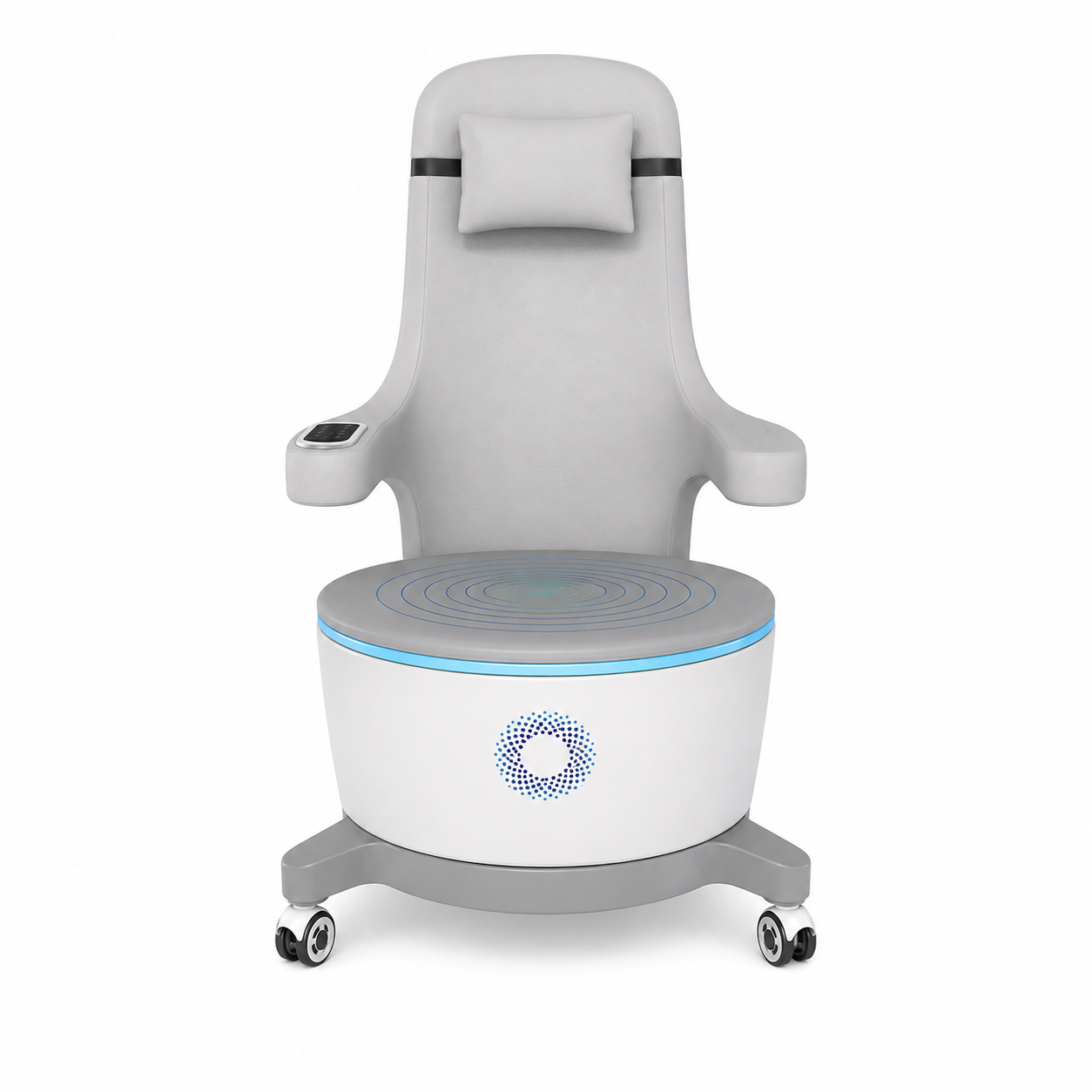
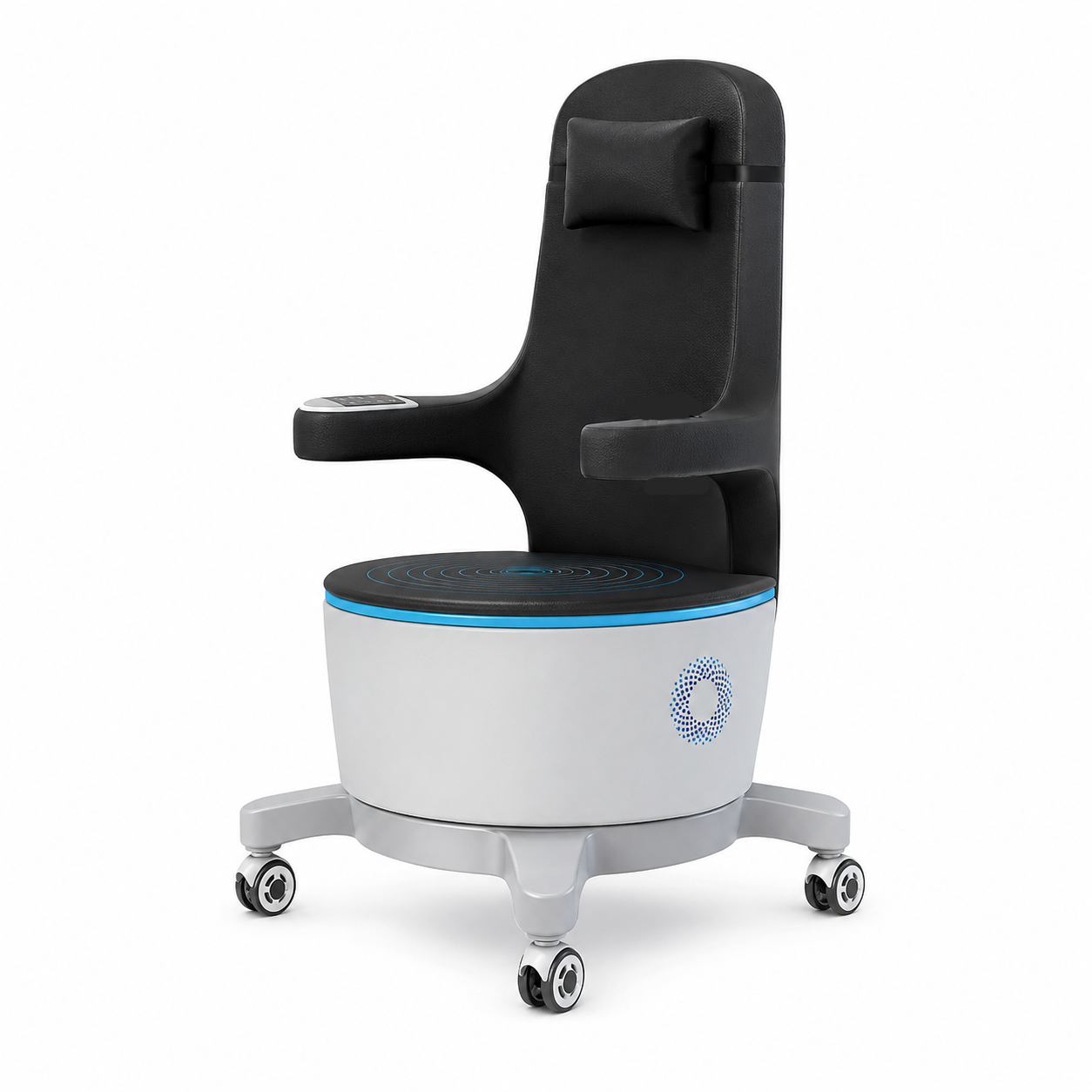
Der B0155 Desktop Endos Velapro lists vacuum roller, RF, rotating massage, and 80K cavitation functions. Its loan record should use a handle map, photographs, connection check, case count, cleaning process, and room-placement review. The borrower should evaluate defined service roles rather than treating every function as one combined protocol.
A0426 Diodenlaser
Der A0426 diode laser hair-removal device lists 755, 810, 940, and 1064 nm wavelengths. A loan must identify the actual wavelength and handpiece configuration, spot-size information, cooling arrangement, electrical version, accessories, protective setup, professional oversight, and permitted activity. Guided or specialist-controlled access is generally more appropriate than an unattended general evaluation.
A0204 fokussiertes HIFU
Der A0204 9D/7D focused HIFU system needs exact handpiece and cartridge records, depth and option explanation, consumable planning, qualified users, suitable environment, and technical support. A specialist appointment or accompanied loan can maintain better control when demand is occasional.
A0152 RF-Mikronadelung
Der A0152 RF-Mikroneedling-System requires a qualified professional setting, clear applicator and needle or cartridge controls, infection-control processes, training, and local review. It should not enter a self-guided loan pool intended for ordinary showroom display.
18. Quarantine and Inspect Every Return
Do not move a returned unit directly to the next buyer appointment. Give it a temporary “returned—inspection pending” status.
The return process should include:
- scan and confirm asset ID and serial number;
- photograph packaging and external condition;
- compare every item with the dispatch checklist;
- isolate any opened or single-use supplies;
- complete approved cleaning or decontamination steps;
- inspect cables, connectors, handles, applicators, cases, and protective items;
- perform the defined functional check;
- record wear, damage, fault codes, and missing items;
- open maintenance or recovery actions; and
- release the unit to available status only after approval.
If the asset is booked again, the next reservation begins after inspection and any corrective work, not at the carrier’s delivery time.
19. Reconcile Consumables and Replacement Components
Create separate rules for reusable components, chargeable consumables, included evaluation quantities, opened sterile items, cleaning supplies, and damaged accessories.
The closing record should show:
- quantities supplied;
- quantities used with approval;
- unused items returned;
- opened items that cannot re-enter stock;
- components replaced during the loan;
- missing or damaged items;
- replenishment responsibility; and
- stock or service transaction references.
Do not hide component losses inside a general “demo expense.” Repeated shortages may reveal a packaging, orientation, or custody problem that needs correction.
20. Convert the Evaluation into a Quote-Ready Record
The sales team should hold a structured review with the buyer after the loan.
Dokumentieren:
- which business questions were answered;
- which services the buyer intends to offer;
- exact model and loan configuration evaluated;
- configuration changes requested;
- required handles, applicators, cartridges, tips, or consumables;
- room, electrical, staffing, training, and support constraints;
- unresolved technical or local-requirement questions;
- preferred package and acceptable alternatives;
- target decision timing; and
- next owner and deadline.
The quotation must be built from the buyer’s approved requirements, not copied automatically from the loan kit. If the loan contained optional components, show them correctly in the offer.
21. Close the Loan Record Completely
A loan remains open until the physical and commercial records are complete.
Close only when:
- the unit is back under approved custody;
- return date and location are recorded;
- identity and full component count are confirmed;
- condition and functional checks are complete;
- cleaning or decontamination is complete;
- faults, damage, loss, and replenishment actions are assigned;
- maintenance status is updated;
- agreement obligations are reconciled;
- the commercial outcome is recorded; and
- the asset calendar shows its correct next status.
An order does not eliminate the need to close the loan. The demo asset and the customer order remain separate records unless a documented sale of that exact unit is approved.
22. Measure Loan-Program Performance
Use operational and commercial measures together.
| Metrisch | What it indicates | Weak interpretation to avoid |
|---|---|---|
| Qualified loan requests | Relevance of demand | Treating every request as equally suitable |
| Approval and rejection reasons | Whether policy fits real cases | Rewarding the highest approval rate |
| On-time dispatch and return | Scheduling and borrower discipline | Ignoring approved extensions |
| Complete return rate | Quality of kit and custody control | Counting repaired shortages as complete returns |
| Damage and missing-item rate | Asset-care risk | Assuming every issue is borrower fault before review |
| Downtime after return | Inspection, repair, and maintenance burden | Excluding cleaning and component replenishment |
| Quote-ready evaluations | Commercial usefulness of the loan | Counting follow-up messages without complete requirements |
| Configuration discrepancies | Accuracy between loan, discussion, and offer | Recording only errors discovered after order |
| Cost per qualified loan | Comparative program cost | Treating it as guaranteed profitability |
| Repeat eligibility by borrower | Reliability of partners and buyers | Approving repeat loans without current qualification |
Review by model, loan type, salesperson, region, and borrower class. A guided one-day session and a two-week partner placement should not share the same performance expectation.
23. Build a Sales-Team Loan Dashboard
The live dashboard should show:
- asset ID, model, and configuration summary;
- current status and physical location;
- borrower and custodian;
- salesperson and approver;
- loan type and purpose;
- dispatch, due, and expected collection dates;
- next confirmed booking;
- check-in status;
- open issue or service case;
- return-inspection status; and
- commercial follow-up status.
Use overdue, inspection-pending, missing-component, and configuration-question flags. Do not rely on sales pipeline software alone if it cannot represent physical custody and asset condition.
24. Loan Unit Management Checklist
Before release and closure, confirm:
- ☐ The borrower, site, users, purpose, and decision objective are qualified.
- ☐ The appropriate loan type and approval level are recorded.
- ☐ Asset availability and future bookings have been checked.
- ☐ The serial number and exact configuration are frozen.
- ☐ The agreement and handover schedule are complete.
- ☐ Condition photographs and component counts are stored.
- ☐ Transport, orientation, support, check-ins, and return are scheduled.
- ☐ Extensions, overdue returns, faults, damage, and loss follow defined escalation paths.
- ☐ The returned unit is quarantined until inspection is complete.
- ☐ The commercial outcome and quotation requirements are documented.
Häufig gestellte Fragen
1. What is the difference between a demo unit and a loan unit?
A demo unit describes the asset’s general presentation role. It becomes a loan unit when custody temporarily moves outside its normal location under an approved request, agreement, handover record, fixed period, and return process.
2. Should every qualified buyer receive a loan unit?
No. The buyer’s questions may be resolved through a showroom session, live video walkthrough, specialist visit, product data, or configuration consultation. Use a loan when temporary external placement adds necessary decision value and the borrower passes the required controls.
3. How long should a beauty device loan last?
Set the shortest period that can answer the approved evaluation questions while allowing delivery, orientation, and collection. Duration depends on the model, purpose, site, supervision, and schedule. Every loan needs an exact return date.
4. Can a borrower move the device to another salon or clinic location?
Only after the distributor approves the new site, custodian, users, transport, and any changed operating conditions. The borrower should not transfer or sub-loan the unit independently.
5. What should be photographed before dispatch?
Photograph the complete unit, serial label, display or status screen, all sides, existing marks, handles, applicators, cables, accessories, cases, packaging, and the full kit arranged for counting.
6. What happens when a buyer requests a loan extension?
Review the remaining decision need, asset condition, next booking, site and user eligibility, support requirements, and revised follow-up. Approve a specific new end date through the documented variation process.
7. Can advanced beauty devices be provided as unattended evaluation loans?
They should use tighter controls based on professional scope, site, configuration, training, supervision, consumables, protective measures, and local requirements. A specialist-center session or accompanied demonstration is often more appropriate.
8. When is a returned loan unit ready for the next customer?
Only after identity, component count, condition, cleaning, functional status, maintenance needs, faults, consumables, and documentation have been checked and an authorized person changes the asset to available status.
9. Should the quotation match the loan configuration exactly?
Only if that configuration matches the buyer’s approved requirements. Record what was physically supplied, what the buyer wants changed, and which options were discussed but absent. Review every difference before issuing the offer.
10. Which loan metrics matter most to sales managers?
Track qualified requests, approval reasons, on-time returns, complete returns, damage and missing items, post-return downtime, quote-ready evaluations, configuration discrepancies, and cost per qualified loan. Review them by model and loan type.
Abschluss
Beauty device loan management protects both the sales opportunity and the physical asset. Every loan needs a qualified purpose, appropriate model, exact configuration, approved borrower, signed custody record, defined support route, return date, inspection process, and commercial closeout.
Use controlled evaluations for models such as A0648 or B0155 when the site and buyer questions justify temporary placement. Apply stronger specialist and professional controls to A0426, A0204, and A0152. The objective is to help the buyer make an accurate decision while returning a complete, traceable, and serviceable unit to the distributor’s fleet.
Überprüfen Sie die SHEFMON Beauty-Geräte-Sortiment, consult the SHEFMON after-sales support overview, Und Kontaktieren Sie SHEFMON with the model, intended borrower, evaluation questions, site conditions, required configuration, staff capability, and support needs. SHEFMON can help provide relevant product and configuration information for a controlled loan plan.