









Regional equipment distributors serve more than one city, province, state, or neighboring market, but their buyers rarely have identical needs. One territory may be dominated by facial salons, another by hair-removal studios, and another by clinics or body-contouring centers. Copying the same inventory and sales mix into every territory can produce stock imbalance, weak demonstrations, and support obligations that local teams cannot meet.
A stronger approach combines a shared regional core with carefully selected local modules. This guide explains how distributors can plan SHEFMON beauty-device portfolios around buyer density, service demand, professional requirements, configuration control, demonstration coverage, inventory exposure, and after-sales capacity.
Zusammenfassung
- Build one regional core range for categories that recur across territories, then add local modules only where demand and support justify them.
- Profile each territory by buyer type, treatment-category demand, professional setting, room constraints, electrical requirements, language, and service coverage.
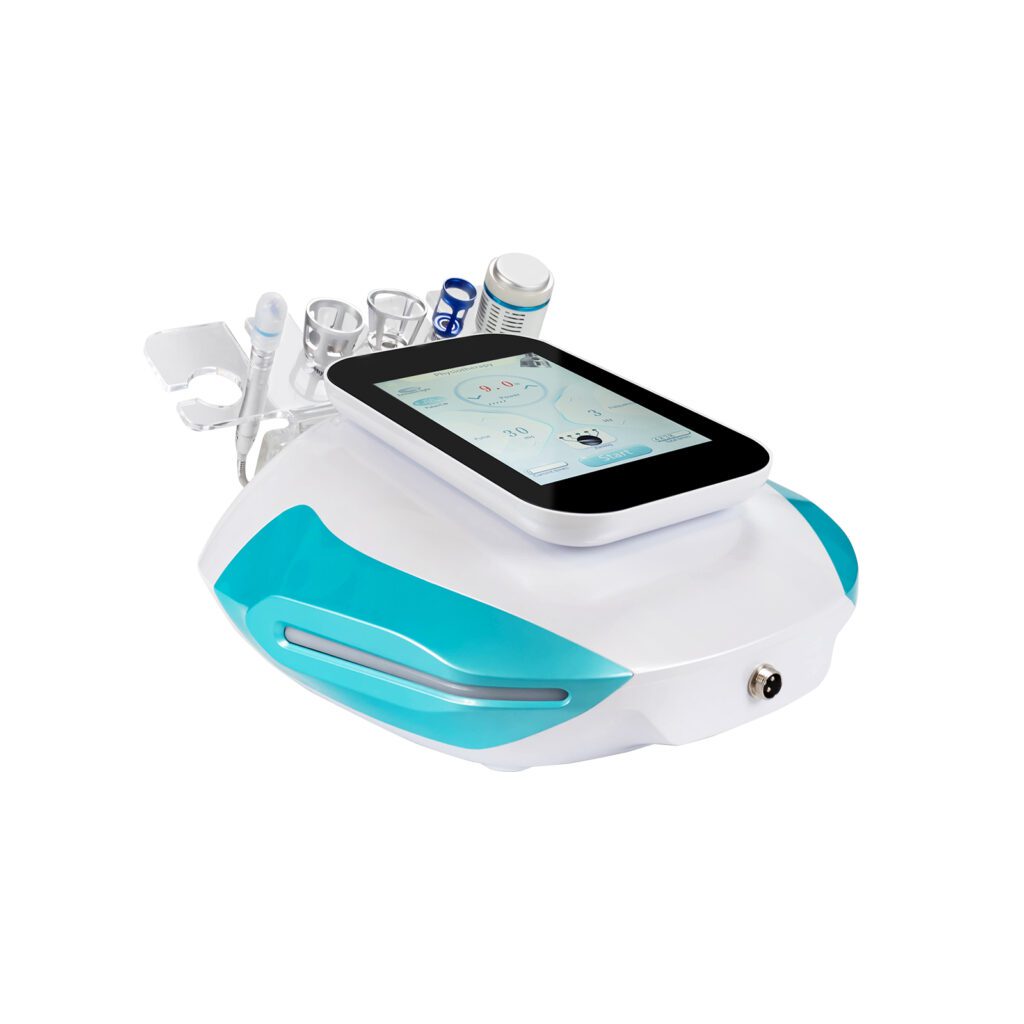
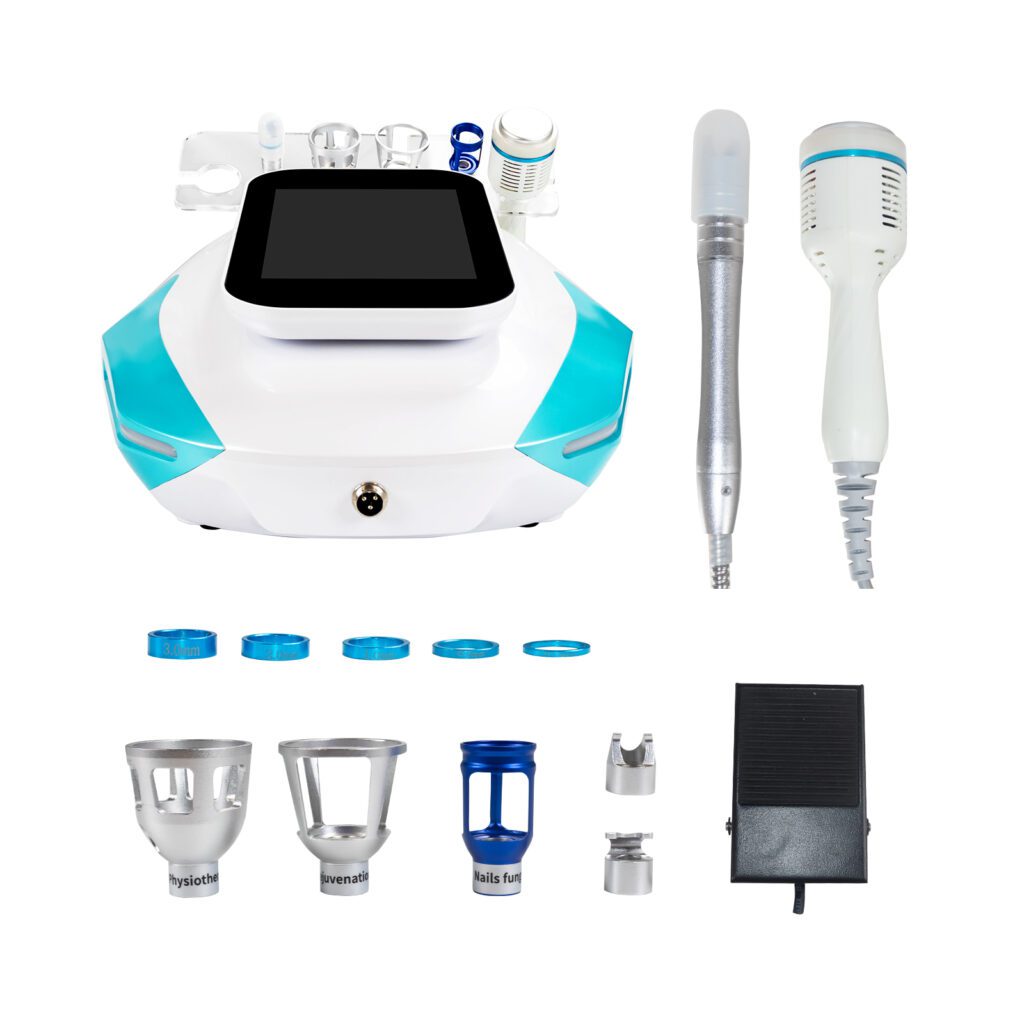
- Verwenden A0648 Hydro-Mikrodermabrasion as a potential cross-region facial foundation when salon and skin-care demand is broad.
- Position A0272-F Gesichts-EMS/RF as a facial-growth module for territories with established facial-device buyers.
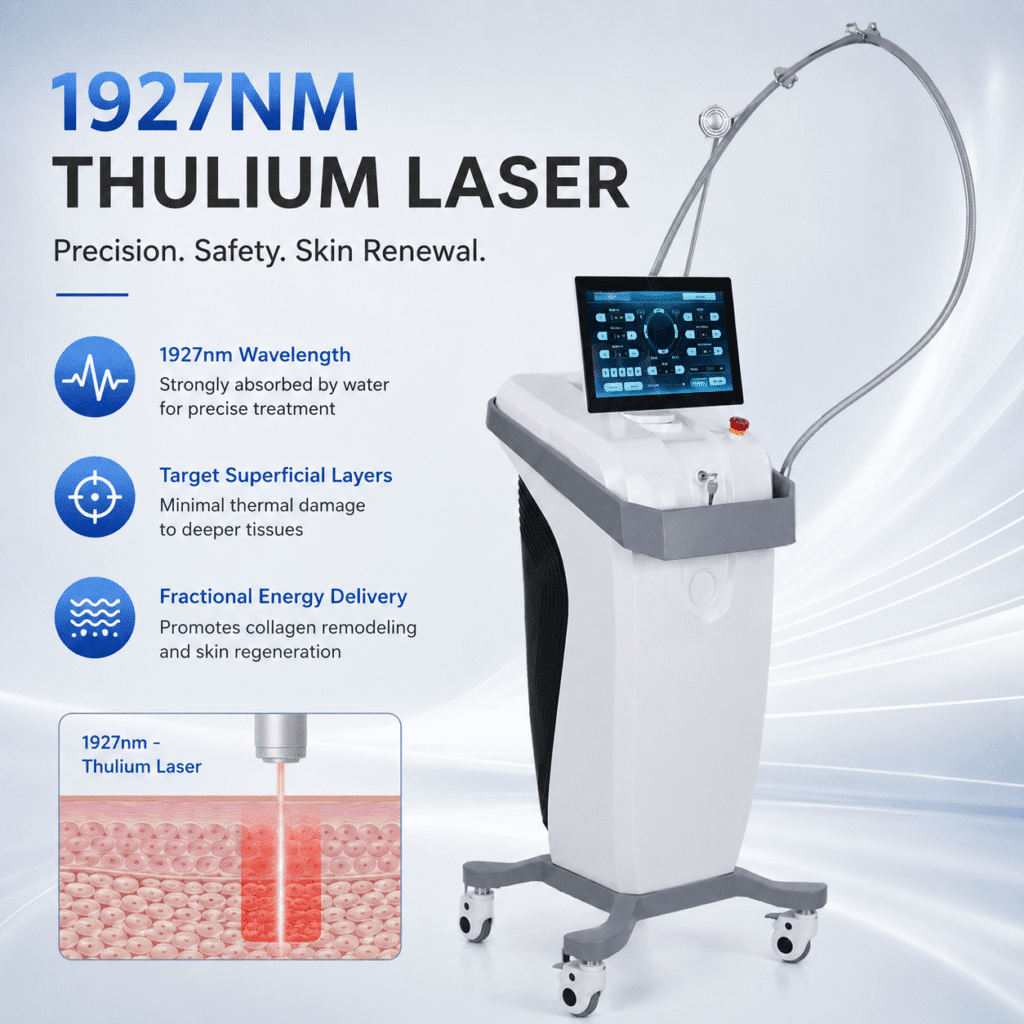
- Vergleichen A0423 Diodenlaser Und A0426 multi-wavelength diode laser for territories with qualified hair-reduction demand and adequate laser support.
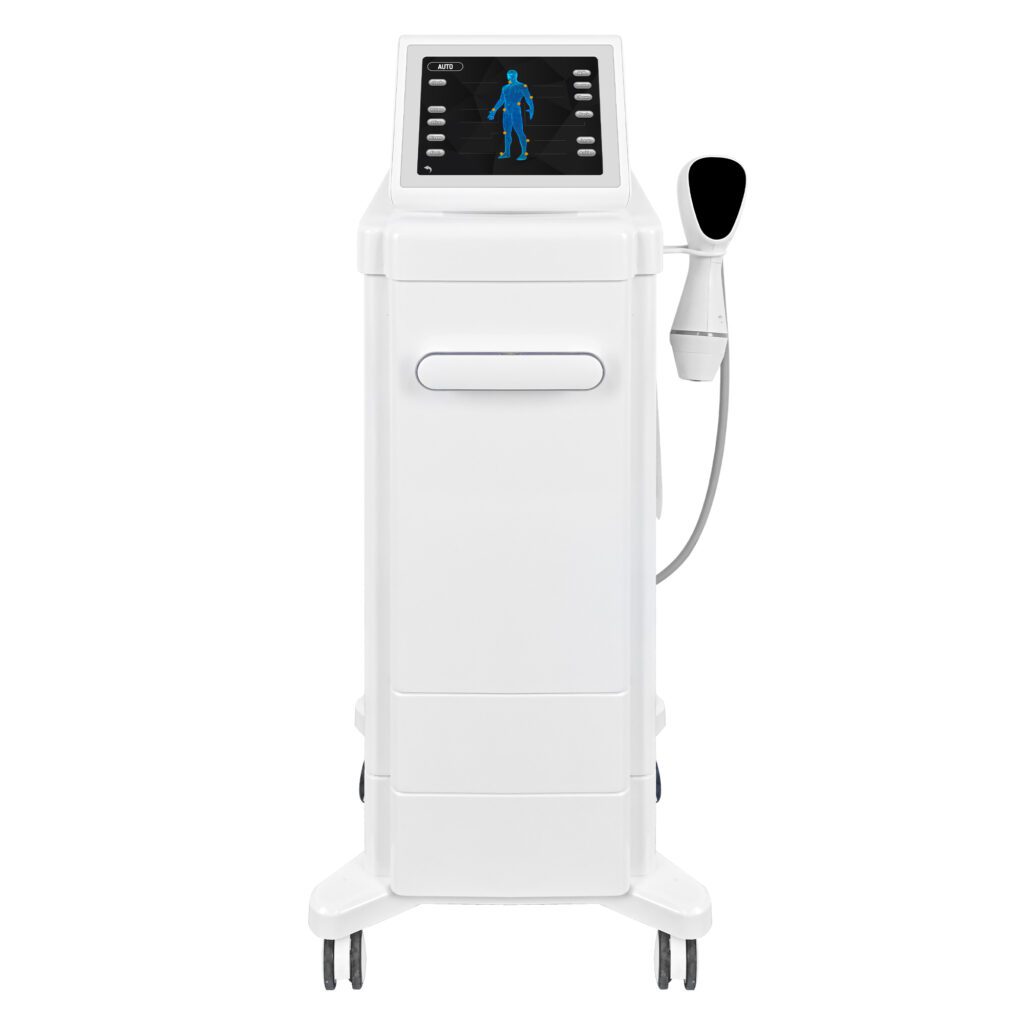
- Verwenden B0155 multifunction body care for broad body-service coverage; allocate A0241 muscle-focused equipment Und S9 localized cooling contouring only to territories with distinct specialist demand.
- Angebot A0204 focused HIFU Und A0152 RF-Mikronadelung through qualified clinic modules rather than as universal regional stock.
- Separate portfolio presence, demonstration access, local stock, shared regional stock, and supply-to-order status.
- Allocate demonstration and technical-service coverage by travel time and support capability, not sales territory labels alone.
- Review the portfolio using territory-level demand, quotation, configuration, service, and inventory data.
- Regional device packages describe equipment portfolios for different buyers; they do not establish same-day treatment combinations.
1. Define the Regional Portfolio Problem
A regional distributor has two competing needs. It must present a consistent brand and product logic across the region, while adapting the actual device mix to local buyer demand and operating conditions.
Too much standardization creates irrelevant stock. Too much localization creates duplicated demonstrations, inconsistent quotations, fragmented training, and difficult spare-part planning.
The planning objective is therefore:
> Maintain a shared product architecture while varying inventory, demonstration access, sales emphasis, and support depth by territory.
This distinction allows every territory to sell from the same approved portfolio without requiring every territory to hold every model.
2. Separate the Portfolio into Four Layers
| Portfolio layer | Zweck | Typical decision |
|---|---|---|
| Regional core | Categories relevant across most territories | Standard content, training, and selected stock |
| Territory module | Category with strong demand in specific locations | Local demonstration or targeted availability |
| Qualified specialist module | Device requiring narrower buyer or professional readiness | Controlled quotation and supply-to-order process |
| Opportunity watchlist | Early demand that is not yet ready for launch | Gather enquiries and operating evidence |
A model can remain in the approved regional catalog even when it is stocked in only one hub. The layer determines commercial treatment, not product quality.
3. Create a Territory Profile Before Allocating Devices
Profile every territory with the same fields so regional decisions can be compared.
Aufzeichnen:
- number and type of active buyer accounts;
- dominant facial, hair, body, and clinical service categories;
- new, growing, and established business mix;
- consultation-led versus walk-in service models;
- typical room size and form-factor constraints;
- local professional, licensing, insurance, and facility requirements;
- electrical and environmental requirements;
- preferred language for sales and operating information;
- travel time from the demonstration and service hub;
- availability of trained sales, application, and technical staff;
- demand for consumables and replacement components;
- current stock, ageing inventory, faults, and service history.
Avoid using population alone as a demand proxy. A smaller territory with concentrated med-spa or hair-removal buyers may justify deeper category support than a larger area with scattered general interest.
4. Score Category Fit by Territory
Use a weighted score to compare categories consistently.
| Kriterium | Empfohlenes Gewicht | Evidence |
|---|---|---|
| Qualified buyer demand | 20% | Enquiries, consultations, quotations, and lost opportunities |
| Buyer density | 15% | Relevant accounts within practical sales and support reach |
| Category adjacency | 10% | Fit with devices and services buyers already operate |
| Professional access | 10% | Appropriate operators, settings, and local requirements |
| Demonstration coverage | 10% | Access to a suitable demo and trained presenter |
| Technische Unterstützung | 15% | Installation, maintenance, fault response, and parts capability |
| Inventory suitability | 10% | Configuration stability, demand repeatability, and stock exposure |
| Consumable continuity | 5% | Ability to supply recurring items and replacements |
| Content readiness | 5% | Local-language and market-appropriate sales information |
Set minimum professional and support scores for advanced categories. A high demand total should not override an inability to install, train, maintain, or support the equipment.
5. Build the Regional Core Around Repeatable Categories
A regional core should be relevant in several territories, easy for sales teams to explain consistently, and supportable through shared training and service systems.
Potential core characteristics include:
- demand from more than one buyer segment;
- a stable product role;
- a standard or controllable configuration;
- manageable demonstration requirements;
- repeatable installation and training;
- understood consumables and maintenance;
- clear upgrade or adjacent-category routes.
For many salon-led regions, A0648 can serve as a facial core and B0155 as a broad body option. Hair reduction may also become a core category where qualified demand, laser controls, and technical service are established. The actual core should follow regional evidence.
6. Use A0648 as a Cross-Region Facial Foundation
SHEFMON A0648 is a vertical nine-function hydro microdermabrasion platform. Its clearest role is a facial category centered on cleansing, exfoliation, extraction, and hydration-oriented care.
It can fit a regional core when territories contain:
- new and established facial salons;
- beauty studios expanding beyond basic facial services;
- clinics seeking an accessible non-invasive facial lane;
- multi-service centers that need a facial foundation;
- resellers requiring a recognizable facial category.
Regional standardization should define the quoted configuration, included components, solution and tip requirements, cleaning documents, training materials, warranty route, and technical owner. Local teams can adapt the buyer examples and language without changing the model’s core role.
7. Add A0272-F as a Facial-Growth Module
SHEFMON A0272-F combines high-intensity facial electrical stimulation with RF-related positioning. It should occupy a separate facial tone-and-contour role from A0648.
Allocate this module where:
- territories already have a base of device-led facial businesses;
- existing buyers request a second facial category;
- sales teams can explain the difference from hydro facial care;
- demonstration and application training are available;
- buyers have room and appointment capacity for another facial lane.
A0272-F may be locally demonstrated in strong facial markets and supplied from a regional hub elsewhere. Portfolio presence does not require identical local inventory.
8. Build a Hair-Reduction Module with A0423 or A0426
SHEFMON A0423 Und SHEFMON A0426 are diode-laser options. The A0426 page lists multi-wavelength positioning, 600 W or 1200 W options, several spot-size options, and semiconductor, water, and TEC cooling. Confirm the exact supplied configurations before allocating stock or publishing comparisons.
Hair reduction becomes a regional module when the territory has:
- repeated area-specific buyer demand;
- appropriately trained and authorized operators;
- laser-suitable rooms and protective processes;
- clear local professional and facility requirements;
- technicians able to install and support the selected configuration;
- a reliable route for handpiece, cooling, maintenance, and fault questions.
Der American Academy of Dermatology’s laser hair removal guidance emphasizes provider experience and consultation about suitability and risks. Distributor qualification should therefore include the buyer’s professional setting and local requirements.
9. Use B0155 for Broad Body-Service Coverage
SHEFMON B0155 combines larger and smaller vacuum-roller functions, rotating handles, RF-related functions, light, and 80K cavitation. Its portfolio role is broad multifunction body care.
B0155 may fit the regional core or a territory module when buyers want:
- a first device-assisted body category;
- flexible body-service coverage rather than one narrow specialization;
- a desktop platform for an established salon or studio;
- a body foundation that can later lead to a specialist category.
Regional materials should keep vacuum-roller, rotating-handle, RF-related, light, and cavitation functions clear without turning them into unsupported outcome claims. Local teams need room, privacy, positioning, handle cleaning, record, maintenance, and application guidance.
10. Allocate A0241 to Muscle-Focused Territories
SHEFMON A0241 is positioned around electromagnetic muscle stimulation with RF-related functions. It belongs in a muscle-focused body module.
Prioritize it in territories where:
- body centers or med spas already operate structured body programs;
- enquiries consistently specify a muscle-focused category;
- the sales team can distinguish it from broad body care and localized cooling;
- the exact handle and applicator configuration is understood;
- application training, maintenance, and technical support are available.
It may be appropriate for shared regional demonstration rather than local stock when buyer density is moderate or configurations vary.
11. Allocate S9 to Localized Cooling Markets
SHEFMON S9 is a vacuum-assisted cooling-contouring platform. It should form a distinct localized cooling module.
Before allocating demonstration or stock, confirm:
- qualified demand for the cooling-contouring category;
- exact applicator package and consumables;
- buyer assessment, monitoring, documentation, aftercare, and follow-up capability;
- local professional and facility requirements;
- technician readiness for installation, maintenance, and faults;
- realistic travel and response coverage from the service hub.
Der FDA overview of non-invasive body contouring explains that these technologies are not intended to treat obesity or improve health and outlines risks that vary by technology. Regional sales messages should maintain this boundary in every language.
12. Create a Qualified Clinic Module with A0204 and A0152
Advanced clinic equipment should not become universal regional inventory merely because a territory has premium buyers.
A0204 focused HIFU
SHEFMON A0204 is a modular focused-HIFU platform. Its page lists standard and optional handles and cartridges with different treatment depths. Regional planning must control the exact configuration, cartridge availability, professional setting, training information, records, maintenance, and technical support.
A0152 RF-Mikronadelung
SHEFMON A0152 lists multiple needle configurations and a 0.5–7 mm depth range. Support planning must include appropriate clinical oversight, infection-control information, single-use needle traceability, sharps handling, detailed records, aftercare, follow-up, and complication response.
Der FDA RF microneedling safety communication notes reports of serious complications and advises consumers to seek a licensed health-care provider with appropriate training and experience.
These models may be presented regionally but routed through qualified territory teams, controlled demonstrations, and supply-to-order quotations.
13. Build a Territory Allocation Matrix
| Territory profile | Core emphasis | Optional module | Controlled module |
|---|---|---|---|
| Salon-dense metropolitan area | A0648 facial foundation | A0272-F or B0155 | Hair reduction when support is ready |
| Hair-specialist market | A0423 oder A0426 | A0648 facial care | Body specialization by evidence |
| Body-service cluster | B0155 | A0241 or S9 | One additional specialization after validation |
| Clinic-led urban hub | A0648 and/or A0272-F | A0423/A0426 or B0155 | A0204 or A0152 after qualification |
| Mixed secondary-city territory | A0648 plus one broad adjacent category | Shared regional demonstration | Specialist equipment supplied to order |
| Emerging territory | One validated core category | Watchlist and remote content | No advanced allocation until support exists |
The matrix illustrates portfolio roles. It does not mean that every buyer in a territory needs the same equipment.
14. Separate Catalog Presence from Physical Allocation
A regional portfolio can use five availability states:
1. Catalog approved — the model may be presented with current verified information. 2. Local demonstration — a demo is available inside the territory. 3. Regional demonstration — buyers travel to or receive support from a shared hub. 4. Local or hub stock — a defined configuration is held as saleable inventory. 5. Supply to order — configuration and destination requirements are confirmed before commitment.
Publish availability at the configuration level. A territory should not advertise “A0426 in stock” if only one power or handpiece configuration is held and the buyer has not confirmed the required version.
15. Plan Regional Inventory by Role
Inventory decisions should reflect the device’s portfolio role and demand pattern.
Core stock candidate
A repeatable configuration serving several buyer segments, with established installation, training, and service. A0648 may fit this role in facial-led regions.
Limited territory stock
A product with verified local demand but variable volume or configuration. A0272-F, B0155, or a selected laser configuration may fit, depending on evidence.
Demonstration-led product
A system that benefits from buyer evaluation but does not justify multiple saleable units across territories.
Supply-to-order specialist
A device whose configuration, professional requirements, or support burden needs buyer qualification. A0241, S9, A0204, and A0152 may begin here in many regional structures.
Supply roles should be reviewed from actual enquiry, quotation, sale, service, and inventory data rather than from product prestige.
16. Allocate Demonstration Units by Coverage
A demonstration network should minimize duplicated capital while keeping qualified buyers within practical reach.
For every demo unit, define:
- primary collection and approved buyer types;
- physical location;
- territories served;
- trained presenters;
- booking and transport rules;
- setup, cleaning, and inspection records;
- consumable responsibility;
- maintenance status;
- whether the unit is saleable;
- backup content when the device is unavailable.
Facial foundation equipment may justify several local demos. A specialist body or advanced clinic device may be better placed in one regional center with qualified staff.
17. Map Technical Support by Travel Time
Administrative borders do not reflect service reality. Map support using travel time, technician skills, spare-part access, and response capability.
Build a support matrix with:
- installation owner;
- remote troubleshooting owner;
- on-site service territory;
- trained model families;
- common replacement components;
- escalation contact;
- loan or continuity policy where applicable;
- documentation language;
- expected communication steps.
Do not allocate a complex category to a territory because sales demand is high if the support route remains undefined.
18. Plan Consumables and Components Separately
Device inventory and recurring-item inventory behave differently.
Schiene:
- A0648 tips, solutions, and category-specific consumables;
- A0204 cartridges and exact compatibility;
- A0152 single-use needle types and traceability;
- S9 applicator-related consumables and replacements;
- model-specific handles, cables, filters, or wear items;
- cleaning and protective materials;
- territory consumption rate;
- expiry or storage constraints where applicable;
- replenishment source and service reserve.
A territory may not need a saleable device in stock but may still need local consumables and replacement items for its installed base.
19. Standardize the Core, Localize the Module
Regional consistency should cover:
- model naming;
- primary category role;
- configuration codes;
- included and optional components;
- approved specification source;
- training and service documents;
- warranty route;
- quotation fields;
- version control.
Territory localization may cover:
- language;
- dominant buyer examples;
- approved local claims;
- professional and facility requirements;
- electrical configuration;
- stock and demonstration availability;
- local training calendar;
- local support contact.
This structure keeps product facts stable while allowing relevant regional selling.
20. Build Buyer Packages for Each Territory
Facial-salon territory package
A0648, mit A0272-F as the next facial-depth option
Supports a facial foundation and a clearly separated tone-and-contour category.
Facial-and-hair territory package
A0648 + either A0423 or A0426
Serves salons or med spas building separate facial and hair departments.
Face-and-body territory package
A0648 + B0155
Gives mixed-service businesses distinct facial and broad body categories.
Body-center territory package
B0155 + either A0241 or S9
Pairs broad body care with one verified muscle-focused or localized cooling specialization.
Clinic-hub package
A0648 + A0272-F + either A0204 or A0152
Combines core and targeted facial lanes with one qualified advanced pathway.
Regional demonstration package
A0648 + one laser model + B0155 + one locally relevant specialist
Provides cross-category demonstration coverage without displaying every catalog model.
These packages describe equipment coverage. They do not prescribe combined treatments, client progression, or same-day use.
21. Give Territory Teams a Portfolio Playbook
The playbook should contain:
- territory profile and priority buyer segments;
- regional core and local modules;
- approved model roles;
- stock, demonstration, and supply-to-order status;
- configuration and quotation rules;
- product comparison sheets;
- buyer qualification questions;
- room and operating requirements;
- training and service contacts;
- consumable and component plan;
- professional or clinical gates;
- cross-category package examples;
- content and claim rules;
- data fields for review.
Sales teams should be able to explain why a model is prioritized locally without presenting other approved models as inferior.
22. Route Enquiries to the Right Territory
Regional enquiry forms should collect:
- buyer country, city, or service area;
- business type and existing services;
- intended device category;
- professional setting and staff roles;
- room and electrical constraints;
- expected workload;
- preferred configuration or undecided options;
- demonstration need;
- stock or supply-to-order preference;
- training, documentation, consumable, and maintenance requirements.
Route the enquiry by both geography and category capability. A nearby general sales office may not be the correct owner for a laser or advanced clinical enquiry.
23. Use Regional Data to Rebalance the Portfolio
Review the following by territory and category:
- qualified enquiries;
- quotation-to-order progression;
- reasons for lost or deferred opportunities;
- configuration requested versus quoted;
- demonstration usage and travel burden;
- local and shared stock movement;
- stock age and transfers;
- installed base and consumable demand;
- training completion;
- installation, fault, and maintenance volume;
- technical response time;
- warranty and support patterns;
- buyer type and business stage.
Compare territories using the same definitions. A high number of general enquiries should not outweigh a smaller number of qualified orders and a supportable installed base.
24. Decide When to Promote a Territory Module
Move a module toward deeper local support when:
- qualified enquiries repeat across the review period;
- a stable configuration emerges;
- buyers can access suitable training and professional support;
- demonstration demand justifies local placement;
- technical service can meet the expected workload;
- consumables and components can be maintained;
- quotation and sales data support the inventory exposure.
Move a module back to shared demonstration or supply to order when demand weakens, configurations fragment, stock ages, or support performance declines.
25. Common Regional Portfolio Mistakes
Giving every territory the same inventory
Use one approved catalog with different physical allocations based on demand and support.
Treating every enquiry as regional demand
Separate general interest from qualified buyer, configuration, demonstration, and quotation evidence.
Expanding sales coverage beyond service coverage
Map installation and technical response before promoting a complex category.
Stocking specialist systems in every branch
Shared demonstration and supply-to-order processes may serve moderate demand more effectively.
Localizing product facts
Translate and adapt buyer examples, but keep model names, configurations, included components, and approved specifications centrally controlled.
Grouping all body demand together
B0155, A0241, and S9 represent broad body care, muscle-focused services, and localized cooling.
Offering advanced equipment as a prestige tier
A0204 and A0152 require appropriate professional settings and operating controls.
Treating regional packages as treatment sequences
Equipment planning does not establish client suitability or device-combination protocols.
26. Regional Portfolio Planning Checklist
Before approving the regional plan, confirm that:
1. every territory uses the same profile fields; 2. the regional core and local modules are clearly separated; 3. each device has one primary business role; 4. territory scores include demand, professional access, demonstrations, support, and inventory; 5. exact configurations and included components are controlled centrally; 6. catalog presence is separate from local stock; 7. demonstration ownership and coverage are documented; 8. technical service is mapped by travel time and capability; 9. consumables and replacement components have their own plan; 10. local language and market requirements are documented; 11. advanced systems use qualified enquiry and quotation routes; 12. buyer packages preserve distinct category roles; 13. territory data uses consistent definitions; 14. promotion and reduction rules are defined for every module; 15. portfolio packages remain separate from treatment protocols.
Häufig gestellte Fragen
1. Should every regional branch carry the same beauty-device range?
No. Use one approved regional catalog and vary stock, demonstration access, local emphasis, and support depth according to territory demand and capability.
2. What belongs in a regional core portfolio?
Choose categories with repeatable demand across several territories, a stable commercial role, manageable configurations, and established training, maintenance, and support. A0648 may serve as a facial core in salon-led regions.
3. How should a distributor decide whether A0272-F needs local stock?
Review qualified facial-device demand, installed facial clients, demonstration usage, configuration stability, sales conversion, and local support. Where demand is moderate, regional demonstration and hub stock may be sufficient.
4. Should A0423 and A0426 be offered in every territory?
Only where the distributor can confirm market demand, professional and facility requirements, exact configurations, protective processes, training, installation, cooling-system support, and maintenance coverage.
5. How should regional distributors divide body devices?
Position B0155 as broad multifunction body care, A0241 as a muscle-focused module, and S9 as localized cooling contouring. Allocate each according to its own demand and support evidence.
6. Where should A0204 and A0152 sit in a regional portfolio?
Place them in a qualified clinic module. They may be regionally presented but should use controlled demonstrations, professional-setting checks, exact configuration review, and supply-to-order quotations unless evidence supports another status.
7. Is a regional demonstration unit the same as local stock?
No. A demonstration unit supports buyer evaluation and training. Saleable inventory, location, configuration, and availability should be confirmed separately.
8. How should a distributor plan spare parts and consumables regionally?
Use the installed base, model configuration, consumption, service history, travel time, and criticality of each item. A territory may need consumables and components even when new devices are supplied from a hub.
9. When should a territory receive its own specialist demo?
Add a local demo when qualified demand repeats, the configuration is stable, trained presenters and technical support are available, and buyer access or travel data justifies the allocation.
10. What information should regional distributors confirm with SHEFMON?
Confirm current model names, configurations, included and optional components, electrical requirements, training information, consumables, replacement parts, maintenance, warranty, technical documents, service process, availability, and destination-market details for each planned territory.
Abschluss
Regional portfolio planning works best when distributors maintain a common product architecture and vary physical allocation by territory. A0648 can form a facial foundation, A0272-F can support facial-market growth, and A0423 or A0426 can serve qualified hair-reduction territories. B0155 provides broad body coverage, while A0241 and S9 belong in distinct specialist modules. A0204 and A0152 should remain inside qualified clinic pathways.
Erkunden SHEFMON beauty-device categories Und Kontaktieren Sie SHEFMON with your territory profiles, buyer mix, preferred categories, demonstration plan, support coverage, and shortlisted models. This information will help confirm configurations for a practical regional portfolio.