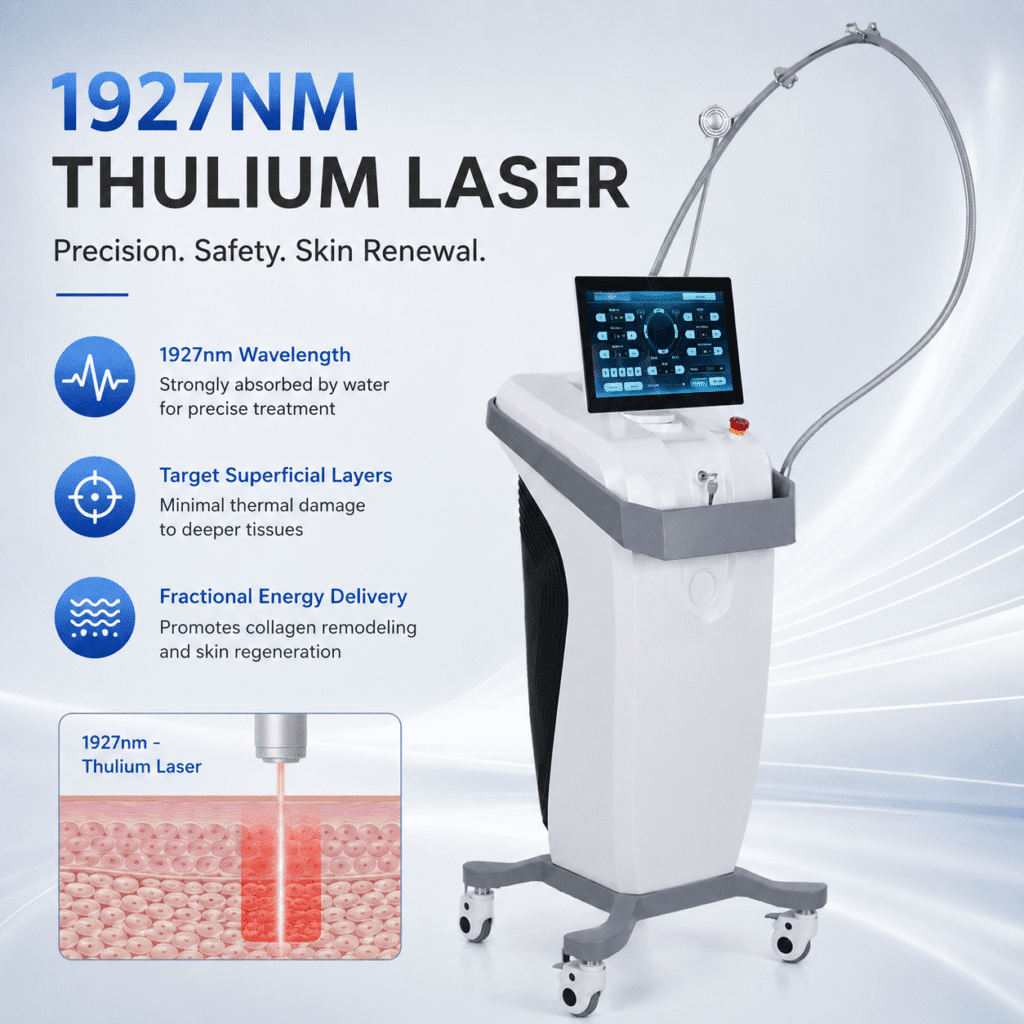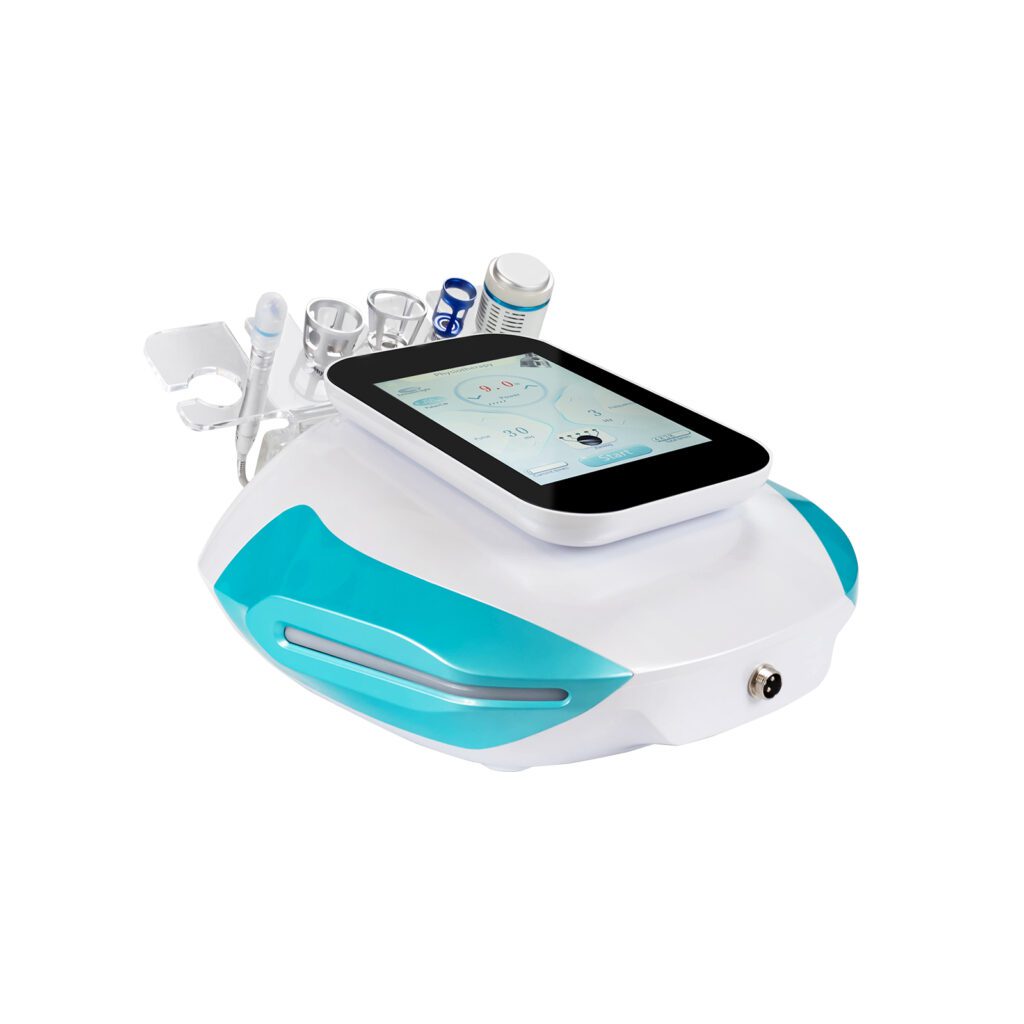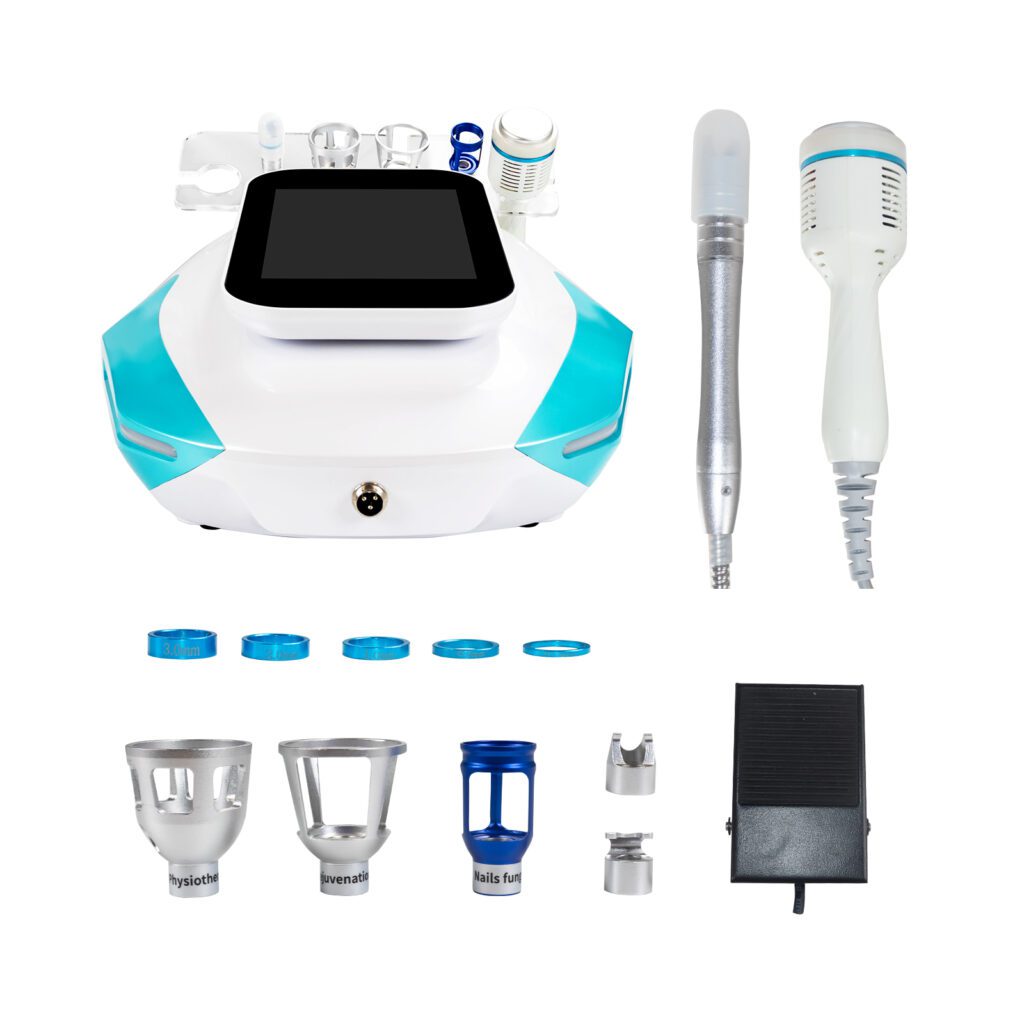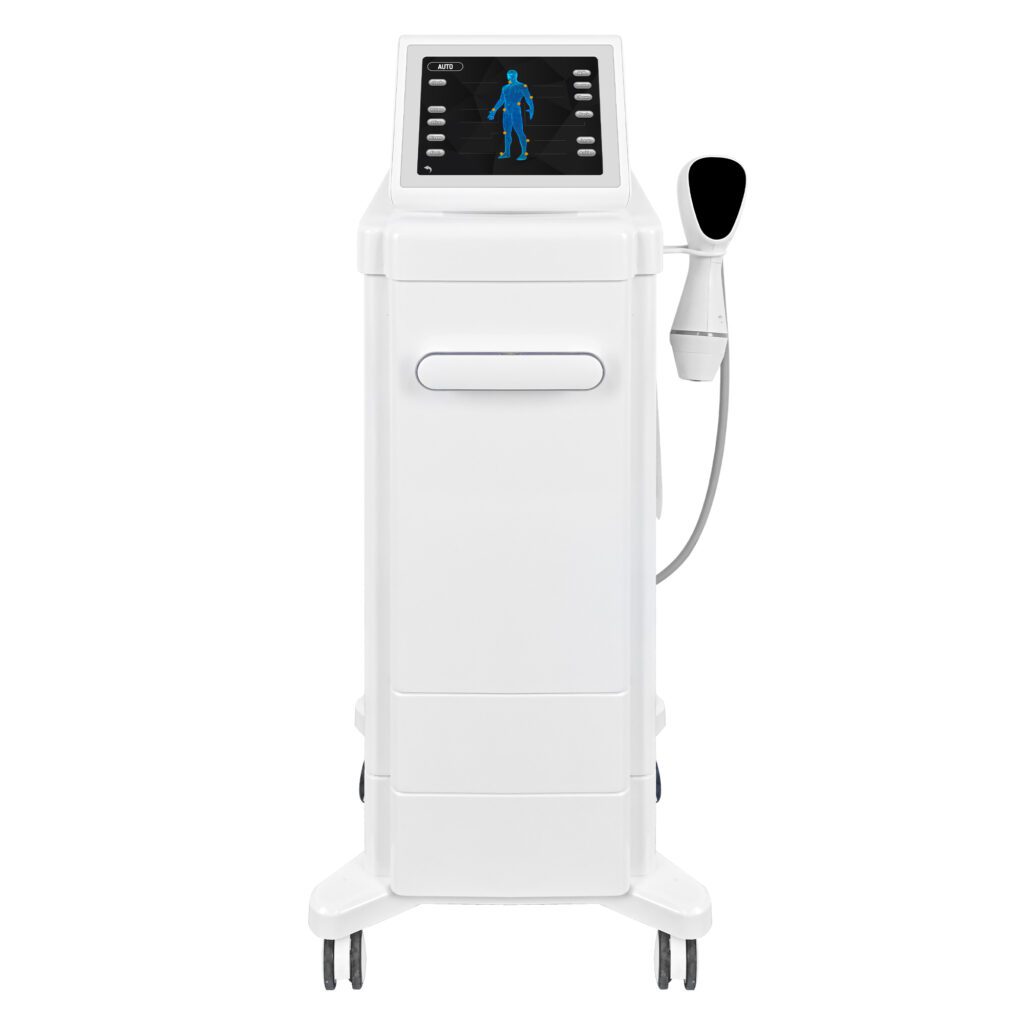










Appointment length can make a beauty-device menu easier to understand and easier to schedule, but only when the time categories represent real differences in service scope and resources. A short appointment should be a complete, controlled service with a narrower purpose. A standard appointment should allow the full core workflow. A premium appointment may add consultation time, a distinct technology, broader personalization, or a higher-touch experience. It should not promise a better result simply because it is longer.
This guide shows salons, med spas, skin clinics, hair-reduction practices, and body studios how to plan short, standard, and premium appointment formats around selected SHEFMON beauty devices. It covers menu roles, room blocks, staff, cleaning, device packages, and advanced-service boundaries without turning a time tier into an unsupported treatment protocol.
Zusammenfassung
- Define appointment tiers by total resource use, not by the minutes a device is active.
- Include consultation checks, room setup, service delivery, records, cleaning, reset, and contingency in every booking block.
- Verwenden A0648 Hydro-Mikrodermabrasion to create distinct short and standard facial formats from approved service cards.
- Verwenden A0272-F Gesichts-EMS/RF as a separate targeted facial category; do not hide it inside a longer A0648 booking.
- Organize A0423 oder A0426 hair-reduction bookings by defined area and measured workflow rather than by “short,” “premium,” or laser-power labels alone.
- Verwenden B0155 for selected short or standard body-care formats only when the function, handle, and area are clearly limited.
- Halten A0241 muscle-focused services Und S9 localized cooling contouring in modality-specific schedules.
- Behandeln A0204 focused HIFU Und A0152 RF microneedling as qualified advanced pathways. Do not force them into a salon premium-time tier.
- Time and test every service before publishing duration or capacity.
- Let a premium tier add genuine value through scope, specialist time, privacy, review, or experience rather than unnecessary devices.
- Device packages describe menu coverage. They do not establish same-day compatibility or a fixed service sequence.
1. Define the Three Appointment Formats
The tier name should tell clients and staff what kind of appointment they are booking.
| Appointment format | Menu purpose | Appropriate difference | What it should not mean |
|---|---|---|---|
| Kurz | A focused, complete service with a narrow goal and controlled scope | Fewer approved steps, one defined area or function, established returning-client route | A rushed version of a service that omits required checks, records, or cleaning |
| Standard | The full core service workflow | Complete approved service card, normal consultation check, standard documentation and reset | A universal duration copied across unrelated technologies |
| Prämie | A distinct scope, technology, specialist input, privacy, review, or hospitality experience | More professional or room resources and an honestly described difference | Automatic access to higher-risk technology or guaranteed better results |
These are commercial appointment formats. Suitability still comes from the relevant assessment, and the exact time should be established through device guidance and measured local workflow.
2. Calculate the Fully Loaded Appointment Block
Do not set the booking duration from treatment time alone. Measure the complete room cycle.
Fully loaded block = preparation + client check + service + documentation + aftercare + cleaning + reset + operating buffer
The exact elements vary by category:
- preparing the room, device, components, solutions, contact materials, and protective items;
- confirming client identity, service, current changes, and approval status;
- positioning and privacy arrangements;
- device checks and service delivery;
- recording the device, configuration, area, components, settings process, operator, and response;
- explaining aftercare and next steps;
- processing fluid paths, cleaning handpieces, handling single-use items or sharps, and resetting the room;
- allowing for questions, stock replacement, or an unexpected pause.
A short service is valid only when all required tasks fit inside its block without compression.
3. Build Time Tiers from Observed Workflow
Avoid selecting arbitrary 30-, 60-, and 90-minute tiers before the service exists. Use a measured setup process.
1. Complete the service card and decide the approved scope. 2. Run supervised internal simulations with the correct room, device, stock, and records. 3. Time preparation, client-facing steps, documentation, cleaning, and reset separately. 4. Repeat the simulation with different trained operators. 5. Investigate wide variation rather than averaging away a missing step. 6. Add a realistic buffer for questions, handoffs, and operational interruptions. 7. Publish the duration only after the business can meet it consistently. 8. Review the block whenever the device configuration, form, cleaning process, room, or service scope changes.
This method makes “short,” “standard,” and “premium” internal planning categories before they become marketing labels.
4. Use A0648 for a Short Facial Format
The vertical A0648 is a nine-function hydro microdermabrasion platform. Its current page presents hydro and vacuum-based cleansing, exfoliation, extraction, hydration-oriented care, and supporting facial functions.
The device can support a short service when the business creates a narrower, complete service card. A client-facing example is Focused Cleanse and Hydrate Facial.
The short card should define:
- suitable client route, including whether it is for new or approved returning clients;
- one primary cleansing and hydration-oriented goal;
- the limited approved function set;
- required tips, solutions, and components;
- room setup and service sequence;
- change check, response record, and aftercare;
- fluid-path and handpiece cleaning;
- conditions that require a standard consultation, deferral, or referral.
Do not simply shorten the standard facial by skipping consultation checks or cleaning. Reduce the approved scope before reducing the block.
5. Use A0648 for the Standard Facial
The standard A0648 service can support a broader approved facial-care workflow. A menu name such as Komplette Hydro-Gesichtsbehandlung distinguishes it from the focused short format without guaranteeing a result.
| A0648 format | Short appointment | Standard appointment |
|---|---|---|
| Primary purpose | One narrow cleansing and hydration-oriented goal | Full core facial-care experience under the approved service card |
| Client route | Defined new-client option or current returning-client approval | Facial assessment and current change check |
| Function scope | Limited approved set | Broader approved set selected after assessment |
| Anpassung | Limited choices that fit the shorter block | More time for function selection and client communication |
| Records and cleaning | Complete and unchanged | Complete and unchanged |
| Escalation | Move to standard consultation when the goal or information exceeds the short scope | Defer, refer, or route to another technology when appropriate |
The standard service is not automatically stronger. It provides more scope and time within the same device category.
6. Create a Premium Facial Experience Without Adding Unnecessary Technology
A premium appointment can remain centered on A0648 when the difference is real and transparent. It may include:
- a longer consultation or review;
- more privacy or a dedicated room;
- additional time for one approved facial-care priority;
- enhanced documentation or progress review where appropriate;
- a named senior operator or service owner;
- hospitality elements that do not interfere with safe delivery;
- priority rebooking or a planned maintenance review.
The service description should say what the premium difference is. Avoid claiming that extra time or amenities produce a superior clinical outcome.
Do not add every A0648 function merely to justify the tier. The assessment still determines the approved function set.
7. Keep A0272-F as a Separate Targeted Appointment
The A0272-F product page describes high-intensity facial electrical stimulation combined with RF. It represents a different technology from A0648 and needs its own consultation and service card.
It may occupy a premium-priced position because it uses different equipment, staff time, and workflow. Its correct menu identity is still Beratung zu Gesichtston und -kontur or another accurate technology-led category, not “Premium Hydro Facial.”
The booking block should include:
- technology-specific assessment;
- correct operator, room, device, and accessories;
- placement and contact materials;
- settings selection process;
- response record, aftercare, and review;
- cleaning and reset.
A longer A0648 booking and an A0272-F booking should remain separate options. Appointment length alone does not make the technologies interchangeable.
8. Example Facial Appointment Menu
| Menu entry | Format | Gerät | Client-facing difference |
|---|---|---|---|
| Facial Discovery Consultation | Beratung | None predetermined | Clarifies the goal and appropriate service category |
| Focused Cleanse and Hydrate Facial | Kurz | A0648 | Narrow approved function set for one clear facial-care goal |
| Komplette Hydro-Gesichtsbehandlung | Standard | A0648 | Full core A0648 service card with broader approved selection |
| Signature Hydro Review Facial | Premium experience | A0648 | Added consultation, review, privacy, or service-owner time |
| Beratung zu Gesichtston und -kontur | Targeted technology | A0272-F | Separate electrical-stimulation and RF service pathway |
The menu should state whether first-time clients can book a service directly or must start with consultation. Online booking rules must match the published description.
9. Do Not Apply Facial Time Tiers Directly to Hair Reduction
Hair-reduction scheduling depends heavily on the defined area, exact configuration, assessment route, room process, and documentation. “Short laser” and “premium laser” provide less useful information than an area-based menu.
Verwenden:
- laser hair-reduction consultation;
- small-area service;
- medium-area service;
- large-area service;
- permitted multi-area booking;
- active-plan or progress review.
The business can map these entries to its internal short, standard, and extended room blocks after measuring them. Publicly, the area category is the more meaningful choice.
10. Compare A0423 and A0426 for the Hair Schedule
The current A0423 and A0426 pages list 600 W and 1200 W handpiece options, 15 × 15, 15 × 20, and 15 × 30 mm spot options, multiple wavelength positioning, and semiconductor, water, and TEC cooling. Buyers need to confirm the delivered handpiece, wavelength configuration, spot options, accessories, electrical requirements, operating footprint, protective items, training information, and service access.
Equipment configuration and workflow can affect room planning, but they should not be converted into promised treatment speed before the exact system and process are tested.
Der American Academy of Dermatology laser hair removal FAQ emphasizes qualified consultation and discusses preparation, repeated sessions, variable outcomes, and possible side effects. Appointment tiers should never promise permanent removal, universal suitability, or a fixed number of visits.
11. Build a Hair Area-to-Time Matrix
| Hair booking | Public definition | Internal scheduling control |
|---|---|---|
| Beratung | Initial or full reassessment appointment | Required information, test process where applicable, consent, and decision outcome |
| Kleiner Bereich | One area on the approved small-area list | Measured room block for that area and current configuration |
| Mittlerer Bereich | One area on the approved medium-area list | Measured room block plus setup, records, and cleaning |
| Große Fläche | One area on the approved large-area list | Longer block, privacy, positioning, stock, and turnover needs |
| Multi-area | A permitted set of named areas | Maximum scope, combined block, operator workload, and booking rules |
| Rezension | Decision-focused appointment | Previous response, current changes, next action, and follow-up |
Do not let reception decide the area category from a free-text description. Maintain a current area dictionary and escalation route for unclear requests.
12. Use B0155 for Focused and Standard Body-Care Formats
The B0155 product page lists larger and smaller vacuum rollers, rotating handles, RF-related functions, light, and 80K cavitation. Its multiple functions can support different appointment formats if each format has a defined goal, area, handle, and service card.
Focused body-care appointment
Use one approved function or handle for one defined area and goal. This can fit a shorter room block when assessment, positioning, service, documentation, cleaning, and reset have been timed and validated.
Standard body-care appointment
Allow a broader but still controlled function set, a larger defined scope, or more time for positioning and review. The standard format should not automatically use all B0155 handles.
Premium body-care experience
Premium value can come from a longer consultation, additional privacy, a named service owner, review time, or hospitality. If the technology changes, create a different category rather than hiding it inside the premium label.
The FDA’s non-invasive body contouring overview explains that technologies differ in intended effects, limitations, and risks. Do not present B0155 services as weight-loss treatment or guarantee permanent body change.
13. Keep A0241 and S9 in Their Own Schedules
The A0241 is positioned around electromagnetic muscle stimulation and RF. The S9 is presented as a vacuum-assisted cooling-contouring platform. These are not longer versions of a B0155 service.
A0241 schedule
Build a Muscle-Focused Body Consultation and a measured service block based on the exact supplied applicators, area, placement, operator process, records, cleaning, and review. Avoid exercise-equivalent claims and universal program schedules.
S9 schedule
Build a Localized Cooling Consultation and a separate block covering applicator planning, area preparation, monitoring, records, aftercare, cleaning, and follow-up. Confirm the included applicator set and destination-market requirements.
These services may be commercially premium, but their booking length must come from the modality workflow rather than from a salon-wide premium-time template.
14. Keep Advanced Procedures Outside the Appointment Ladder
Focused HIFU and RF microneedling need qualified pathways.
A0204 focused HIFU
The A0204 page presents a modular focused-HIFU system with multiple standard and optional handles, cartridges, and treatment depths. The business should confirm the exact configuration and build a consultation, cartridge plan, consent, service record, aftercare, review, and escalation route.
A0152 RF microneedling
The A0152 page lists several needle configurations and adjustable depths from 0.5 to 7 mm. Its schedule must include professional assessment, procedure preparation, infection-control steps, single-use stock, sharps handling, consent, detailed records, aftercare, room processing, and complication response.
The FDA’s 2025 Sicherheitskommunikation bei RF-Mikronadelung identifies RF microneedling as a medical procedure and reports serious complications with certain uses. It advises clients to seek a licensed healthcare provider with training and experience.
Do not shorten an advanced process to fit a standard block or sell it as a premium facial purely because the booking is longer.
15. Build an Appointment Card for Every Format
| Appointment-card field | Required information |
|---|---|
| Public name | Client-facing service or consultation name |
| Format | Short, standard, premium experience, targeted technology, or advanced pathway |
| Goal | The primary client request the appointment serves |
| Gerät | Exact model and delivered configuration |
| Entry gate | Consultation, current approval, change check, or professional review |
| Service scope | Approved functions, area, components, and boundaries |
| Staff and room | Authorized roles and the correct treatment environment |
| Total block | Preparation, service, records, aftercare, cleaning, reset, and buffer |
| Stock | Tips, solutions, heads, handles, cartridges, needles, applicators, contact materials, and protective items |
| Exit | Rebook, reassess, pause, refer, close, or escalate |
When the card changes, re-time the service. A longer form, new cleaning requirement, different component, or revised aftercare process can affect the total block.
16. Create Premium Value Honestly
Premium does not have to mean stronger energy or more devices. It can include:
- a longer or senior-led consultation;
- a private room or quieter schedule;
- additional time for questions and goal review;
- enhanced but appropriate documentation;
- a dedicated service owner;
- priority booking under transparent terms;
- a follow-up contact or review appointment;
- amenities that do not interfere with the service process.
State exactly what is included. Avoid vague language such as “maximum results,” “medical-grade upgrade,” or “ultimate transformation” unless the claim is properly supported and appropriate for the service.
17. Build Device Packages Around Appointment Coverage
Package A: One-device facial schedule
Device: A0648
Use separate short and standard service cards, plus an optional premium experience built around consultation, review, or hospitality. This is suitable for a compact facial salon.
Package B: Facial schedule with a targeted technology
Geräte: A0648 + A0272-F
A0648 supports short and standard facial care; A0272-F adds a separate targeted appointment. This package gives the menu more depth without pretending every longer booking uses both devices.
Package C: Facial and hair schedule
Geräte: A0648 + A0423 or A0426
The facial department uses short and standard formats. The hair department uses consultation and area tiers mapped to measured room blocks.
Package D: Facial and body schedule
Geräte: A0648 + B0155
Each department can have focused and standard service cards. Staff, rooms, turnover, and records remain separate.
Package E: Multi-service growth schedule
Geräte: A0648 + A0272-F + either A0423/A0426 or B0155
Choose the third category according to demand, rooms, authorized staff, and cleaning capacity. The package creates multiple appointment families rather than one long combined service.
Package F: Clinic schedule with one advanced pathway
Geräte: A0648 + A0272-F + either A0204 or A0152
Keep the advanced model on its own qualified schedule. It should not occupy an ordinary premium facial slot without the complete advanced workflow.
18. Match the Menu to the Business Model
| Business | Best use of appointment formats | Geräteausrichtung |
|---|---|---|
| Compact facial salon | One short facial, one standard facial, one premium experience or targeted consultation | A0648; later A0272-F |
| Etabliertes Gesichtsstudio | Short and standard A0648 plus a distinct targeted facial technology | A0648 + A0272-F |
| Hair-reduction practice | Consultation plus precisely defined area blocks | A0423 oder A0426 |
| Körperstudio | Focused and standard formats within one modality, separate schedule for each added modality | B0155; later A0241 or S9 |
| Med Spa | Core facial schedule plus one specialist or advanced lane | A0648 + A0272-F + selected specialist device |
| Hautklinik | Maintenance schedule, targeted non-invasive appointments, and separately controlled procedures | A0648 + A0272-F + A0204 or A0152 |
Device ownership does not determine professional authorization. The business must verify operator qualifications, device status, documentation, and local requirements.
19. Protect Cleaning and Documentation Time
Short appointments often fail operationally because non-visible work is removed first. Protect:
- client change checks and identity confirmation;
- device and component checks;
- accurate service records;
- aftercare and contact information;
- fluid-path processing where applicable;
- handpiece, handle, applicator, and room cleaning;
- single-use item and sharps handling where applicable;
- fault reporting and device release;
- room reset and stock replacement.
Use booking buffers, blocked cleaning time, or a room-assistant workflow where appropriate. Do not rely on staff completing records after the next client arrives.
20. Plan Capacity with the Longest Reliable Block
For each service card, record the observed range across trained staff and real room conditions. Build the published block around a duration the business can meet consistently, including the required buffer.
Then review:
- available device hours after maintenance and checks;
- operator hours by authorization level;
- treatment-room availability;
- cleaning and reset capacity;
- consultation and review slots;
- stock and consumable limits;
- demand mix among short, standard, targeted, and advanced bookings;
- downtime and rebooking capacity.
A menu filled with short appointments can still overload cleaning, reception, and room turnover. Capacity should follow the complete workflow.
21. Price Appointment Formats Transparently
Prices vary by market, configuration, staff, room, consumables, and operating costs. The price presentation should still explain the scope.
- State the appointment type and what it includes.
- Show whether consultation is separate, included, or credited under the business’s policy.
- Define area tiers for hair and body services.
- Explain the difference between longer consultation time and a different technology.
- Publish cancellation, late-arrival, rescheduling, package, and expiry terms as required.
- Do not shorten required tasks when a client arrives late; use the business’s rescheduling or scope-adjustment process.
- Avoid implying that premium pricing guarantees superior outcomes.
22. Test the Menu Before Publication
Run sample bookings for:
- a new client who selects a short service;
- a returning client with no reported change;
- a returning client whose information triggers reassessment;
- a client who booked the wrong facial technology;
- a hair enquiry with an unclear area description;
- a body client requesting several modalities;
- an advanced-service enquiry submitted through a salon menu;
- a late arrival;
- a device fault or room closure;
- a service requiring extra cleaning or documentation time.
The test should show whether reception, consultation staff, operators, rooms, records, and stock all support the published appointment format.
23. Measure Whether the Time Tiers Work
Schiene:
- average and range of fully loaded room time by service card;
- appointments starting or ending late;
- records completed within the allocated block;
- cleaning and reset tasks completed correctly;
- clients booking the wrong format;
- short appointments converted because the goal exceeded scope;
- premium appointments whose stated difference was not delivered;
- hair-area bookings corrected at consultation;
- advanced enquiries routed away from ordinary salon tiers;
- overtime, skipped breaks, room bottlenecks, and device downtime.
Revise the service scope or block when the workflow repeatedly exceeds the schedule. Pressuring staff to work faster does not fix an inaccurate menu.
24. Common Appointment-Planning Mistakes
Cutting required steps from the short service
Narrow the goal and approved function set. Keep checks, records, aftercare, and cleaning complete.
Making premium mean more devices
Premium value can come from consultation, privacy, personalization, or review. Multiple devices require a supported protocol, not a pricing label.
Using one duration for all technologies
A0648, A0272-F, laser hair reduction, body modalities, focused HIFU, and RF microneedling have different workflows.
Scheduling hair reduction by client estimate alone
Use an exact area dictionary and confirm the booking during the assessment process.
Treating advanced procedures as longer facials
A0204 and A0152 require separate professional pathways and should not be compressed into salon time tiers.
Ignoring room reset and downtime
Published capacity must leave space for cleaning, stock, maintenance, faults, and follow-up.
25. Final Appointment-Menu Checklist
Before launch, confirm that:
1. short, standard, and premium have written definitions; 2. the fully loaded block includes every required task; 3. short services use a narrower approved scope rather than skipped controls; 4. A0648 formats have distinct service cards; 5. A0272-F remains a separate technology pathway; 6. hair bookings use an exact area dictionary; 7. B0155 formats specify function, handle, area, and cleaning; 8. A0241 and S9 retain modality-specific schedules; 9. A0204 and A0152 remain qualified advanced pathways; 10. every service has been timed through repeated simulations; 11. pricing explains scope without promising results; 12. device packages do not imply same-day use.
Häufig gestellte Fragen
1. What is the difference between short, standard, and premium beauty appointments?
A short appointment delivers a narrow, complete service; a standard appointment provides the full core service card; and a premium appointment adds a genuine difference in scope, specialist time, privacy, review, or experience. The labels should not rank individual suitability or guarantee results.
2. Which SHEFMON device can support both short and standard facials?
A0648 can support both formats when the business creates different approved service cards. The short format uses a narrower function set, while the standard format allows the complete core workflow. Required assessment, records, aftercare, and cleaning remain intact.
3. Can A0272-F be included in a premium A0648 facial?
Do not include it automatically. A0272-F uses facial electrical stimulation and RF and needs its own technology-specific assessment and service card. The business may offer both categories, but same-day use requires separate professional review.
4. How should laser hair-reduction appointment lengths be organized?
Use a consultation followed by precisely defined small, medium, large, or permitted multi-area services. Measure the complete workflow for every area category and exact A0423 or A0426 configuration before publishing durations.
5. Can B0155 support a short body appointment?
Yes, when the service is limited to one suitable goal, defined area, and approved function or handle, and when the complete assessment check, positioning, delivery, records, cleaning, and reset fit the tested block.
6. Should A0241 and S9 use the salon’s premium time block?
They should use modality-specific schedules. A0241 is positioned around muscle stimulation and RF; S9 uses vacuum-assisted cooling. Their assessment, applicators, positioning, monitoring, records, cleaning, and follow-up differ from B0155 and from each other.
7. Can HIFU be offered as a premium long facial?
A0204 should remain a qualified focused-ultrasound consultation and procedure pathway. Its booking length follows the exact configuration, professional process, consent, cartridge plan, records, aftercare, and review rather than a salon premium-time label.
8. Can RF microneedling be shortened for a smaller area?
Any area and timing decision belongs to the qualified clinical process and device instructions. The clinic must preserve assessment, consent, infection control, single-use stock, sharps handling, documentation, aftercare, room processing, and complication response. It should not market a compressed salon version.
9. Does a premium service need more than one beauty device?
No. A premium experience can use one device and add meaningful consultation, privacy, personalization, review, or service-owner time. Multiple devices should be used only under a supported and individually approved protocol.
10. What should a buyer send SHEFMON for appointment-menu planning?
Share the business type, country or market, current menu, planned short and standard services, premium experience, rooms, staff roles, expected bookings, cleaning process, and shortlisted models. Ask for exact configurations, included components, operating requirements, training information, consumables, maintenance needs, warranty, technical documentation, service process, and shipping details.
Abschluss
Short, standard, and premium appointment formats work when they reflect real differences in service scope and resources. A0648 can support focused and complete hydro facial cards. A0272-F adds a separate targeted facial category. A0423 or A0426 hair-reduction services should follow area-based schedules, while B0155, A0241, and S9 need modality-specific body blocks. A0204 and A0152 remain qualified advanced pathways.
Erkunden SHEFMON professional beauty devices Und Kontaktieren Sie SHEFMON with your proposed menu, room blocks, staffing plan, and expected appointment mix. This information will help compare suitable models and confirm the exact configuration needed for a workable schedule.