





Laser technology has become one of the most important categories in the modern aesthetic industry. From hair removal and skin resurfacing to pigmentation correction and tattoo removal, laser treatments allow beauty clinics, medical spas, and aesthetic centers to provide a wider range of services with high client demand. However, building a successful laser treatment portfolio is not simply about purchasing multiple machines. Clinics need to understand different laser technologies, treatment applications, client needs, and business opportunities. A complete laser equipment portfolio should include complementary systems that cover the most popular aesthetic concerns while creating long-term revenue potential. This article explains how professional clinics can build a balanced laser equipment portfolio by combining different wavelengths and technologies.
1. Understand the Main Categories of Aesthetic Laser Technology
1.1 Different Lasers Solve Different Skin Concerns
A common mistake when selecting laser equipment is focusing only on the machine specifications instead of treatment applications. Different lasers are designed for different targets within the skin.
Professional aesthetic laser systems mainly include:
- Hair removal lasers
- Fractional resurfacing lasers
- Pigment and tattoo removal lasers
- Skin rejuvenation lasers
Each technology uses specific wavelengths and energy delivery methods to achieve different treatment effects.
1.2 Why Clinics Need Multiple Laser Technologies
Clients usually have multiple aesthetic concerns. A customer interested in hair removal may later require skin rejuvenation, pigmentation treatment, or scar improvement.
By offering multiple laser services, clinics can:
- Attract more client groups
- Increase treatment options
- Kundenbindung verbessern
- Create additional revenue streams
A complete laser portfolio allows clinics to become a more comprehensive aesthetic destination.
2. Start With a Professional Diode Laser Hair Removal System
2.1 Hair Removal Is a High-Demand Treatment Category
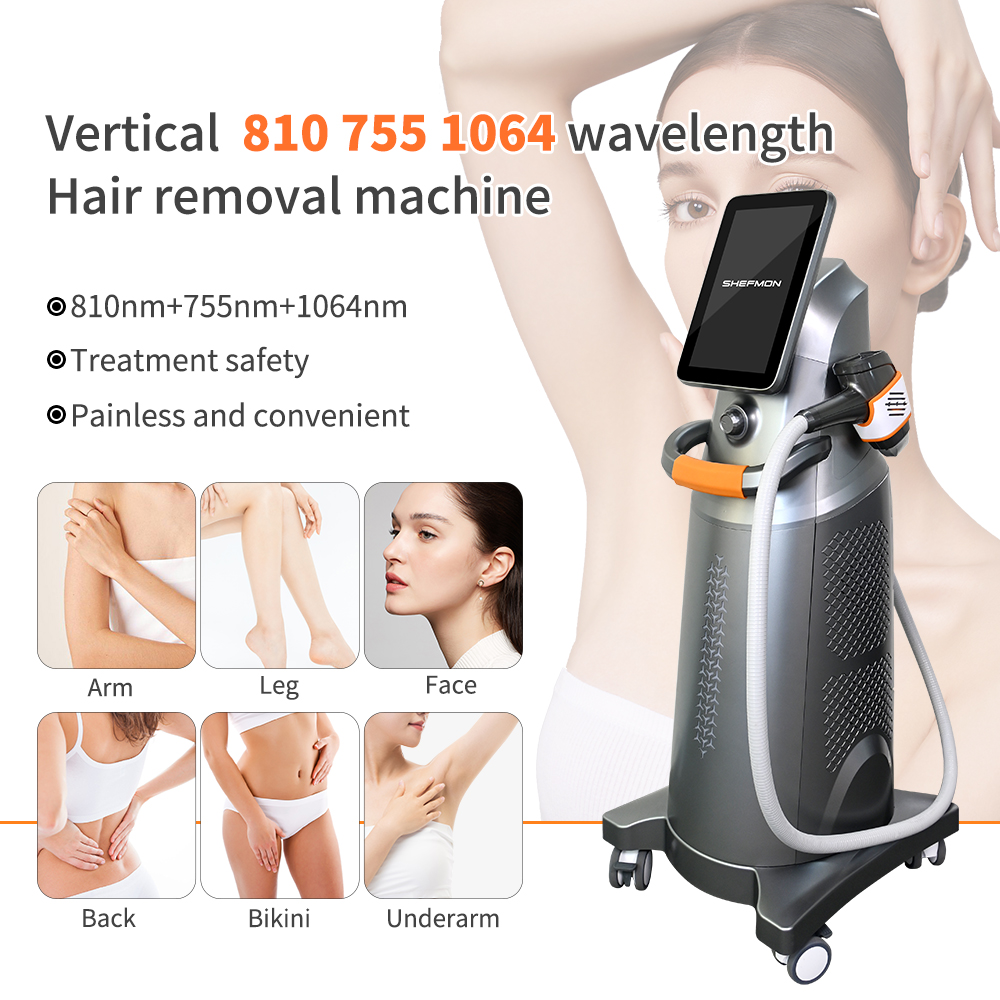
Laser hair removal remains one of the most popular non-invasive aesthetic procedures worldwide. A professionelles Diodenlasersystem is often the first laser investment for many clinics because it provides repeat treatment opportunities.
Modern diode laser machines may combine multiple wavelengths, such as:
- 755 nm
- 810 nm
- 940 nm
- 1064 nm
This combination allows practitioners to treat different skin tones and hair types.
2.2 Benefits of Multi-Wavelength Diode Laser Technology
Different wavelengths provide different penetration depths and absorption characteristics:
755 nm Wellenlänge
- Suitable for lighter skin and fine hair
- Strong melanin absorption
- Useful for delicate hair removal areas
810 nm Wellenlänge
- A versatile option for common hair removal treatments
- Suitable for many body areas
940 nm Wellenlänge
- Provides additional wavelength flexibility for customized treatments
1064 nm Wellenlänge
- Tieferes Eindringen
- Suitable for darker skin types and thicker hair
A multi-wavelength diode laser machine helps clinics provide safer and more personalized treatments for a wider range of clients.
3. Add Fractional CO2 Laser for Skin Resurfacing Treatments
3.1 Why CO2 Laser Is Important in a Laser Portfolio
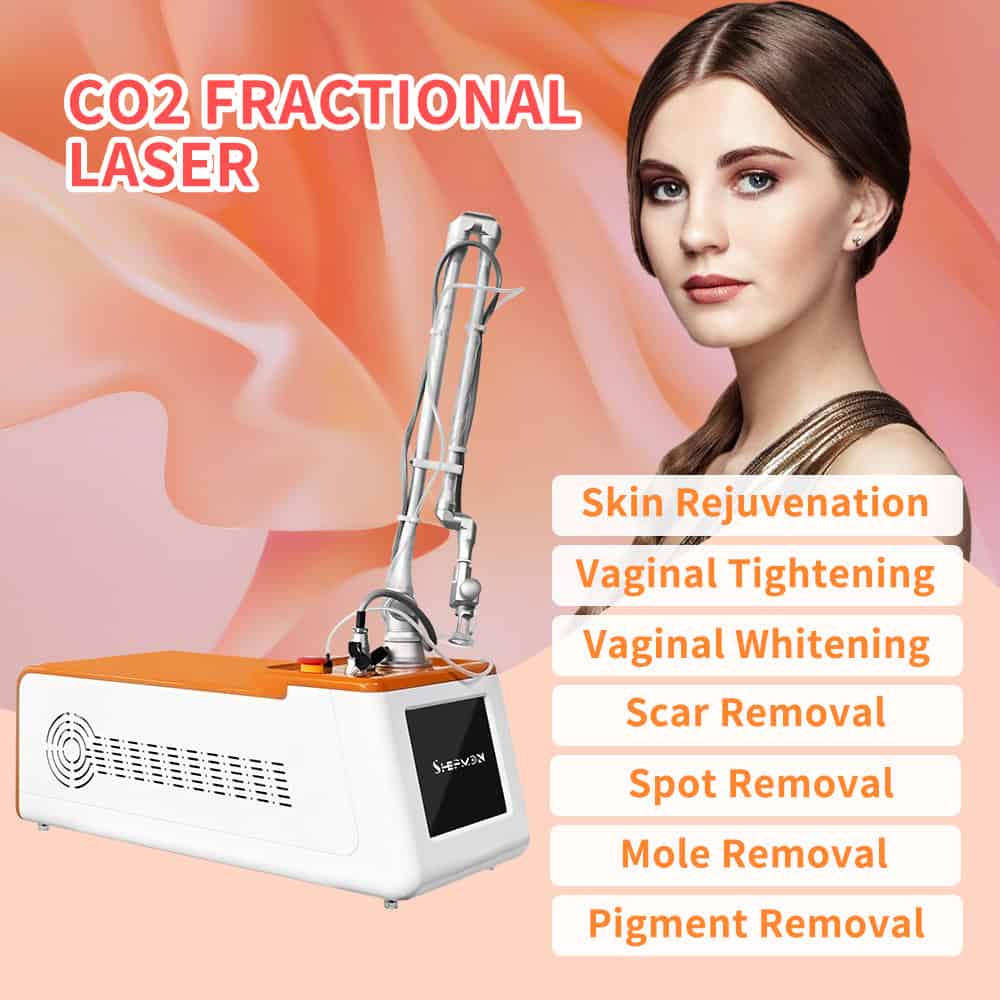
After hair removal, skin rejuvenation is another major demand area. Fractional CO2 laser technology is widely used for advanced skin resurfacing because it targets the skin renewal process through controlled micro-ablation.
A 10600nm fractional CO2 laser equipment creates microscopic treatment zones in the skin, stimulating natural healing responses and collagen remodeling.
3.2 Common Applications of Fractional CO2 Laser
A professional CO2 fractional laser can support treatments for:
- Aknenarben
- Operationsnarben
- Brandnarben
- Feine Fältchen
- Verbesserung der Hautstruktur
- Sonnenschäden
- Hautverjüngung
Compared with traditional full-surface laser resurfacing, fractional technology creates controlled treatment areas, which can reduce recovery time while maintaining effective skin renewal.
3.3 Why CO2 Laser Expands Clinic Services
Adding fractional CO2 laser equipment allows clinics to move beyond basic beauty treatments and offer more advanced skin correction services.
Es kann Kunden anziehen, die Folgendes suchen:
- Anti-Aging-Lösungen
- Narbenverbesserung
- Hauterneuerung
- Texturverfeinerung
4. Include Q-Switched or Pico Laser for Pigmentation and Tattoo Removal
4.1 The Growing Demand for Pigment Treatments
Pigmentation problems and unwanted tattoos are common concerns among aesthetic clients. A complete laser portfolio should include a technology specifically designed for pigment-targeting treatments.
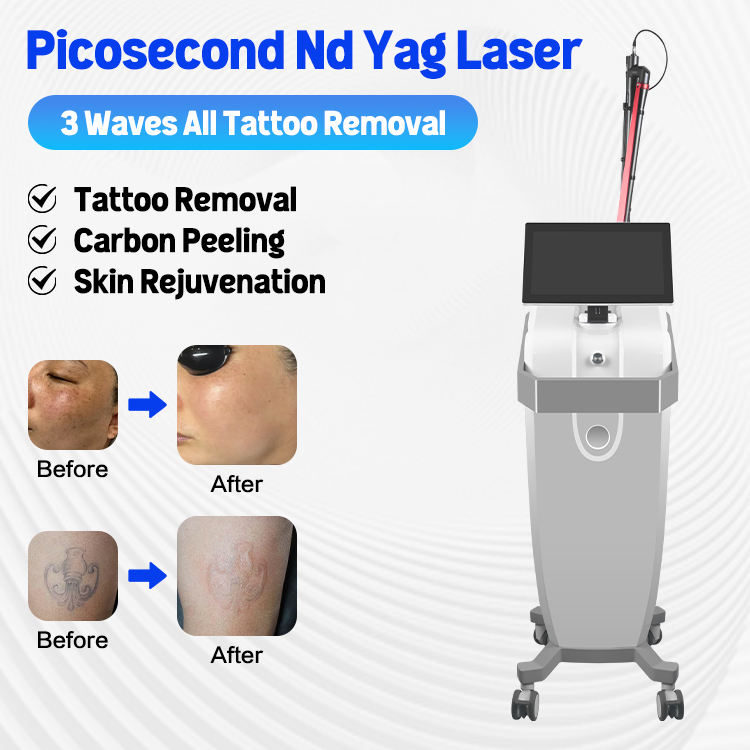
Q-switched Nd:YAG and picosecond laser systems are widely used because they deliver extremely short energy pulses to break down pigment particles.
4.2 Applications of Pico and Q-Switched Laser Systems
A 1064nm and 532nm laser system can be used for:
- Black and dark tattoo removal
- Colored tattoo treatment
- Sommersprossen
- Altersflecken
- Sonnenflecken
- Ungleichmäßige Pigmentierung
The two wavelengths provide different absorption characteristics:
532 nm Wellenlänge
- Targets superficial pigments
- Commonly used for red, orange, and some lighter pigment concerns
1064 nm Wellenlänge
- Tieferes Eindringen
- Suitable for darker pigments and deeper skin concerns
4.3 Why Picosecond Technology Adds Value
Picosecond laser technology uses ultra-short pulses to deliver energy efficiently while minimizing unnecessary heat accumulation.
For clinics, adding this technology creates opportunities for premium treatments with higher service value.
5. Consider Advanced Fractional Laser Options
5.1 Different CO2 Technologies Meet Different Market Needs
In addition to traditional fractional CO2 systems, newer ultra fractional laser technologies provide more treatment flexibility.
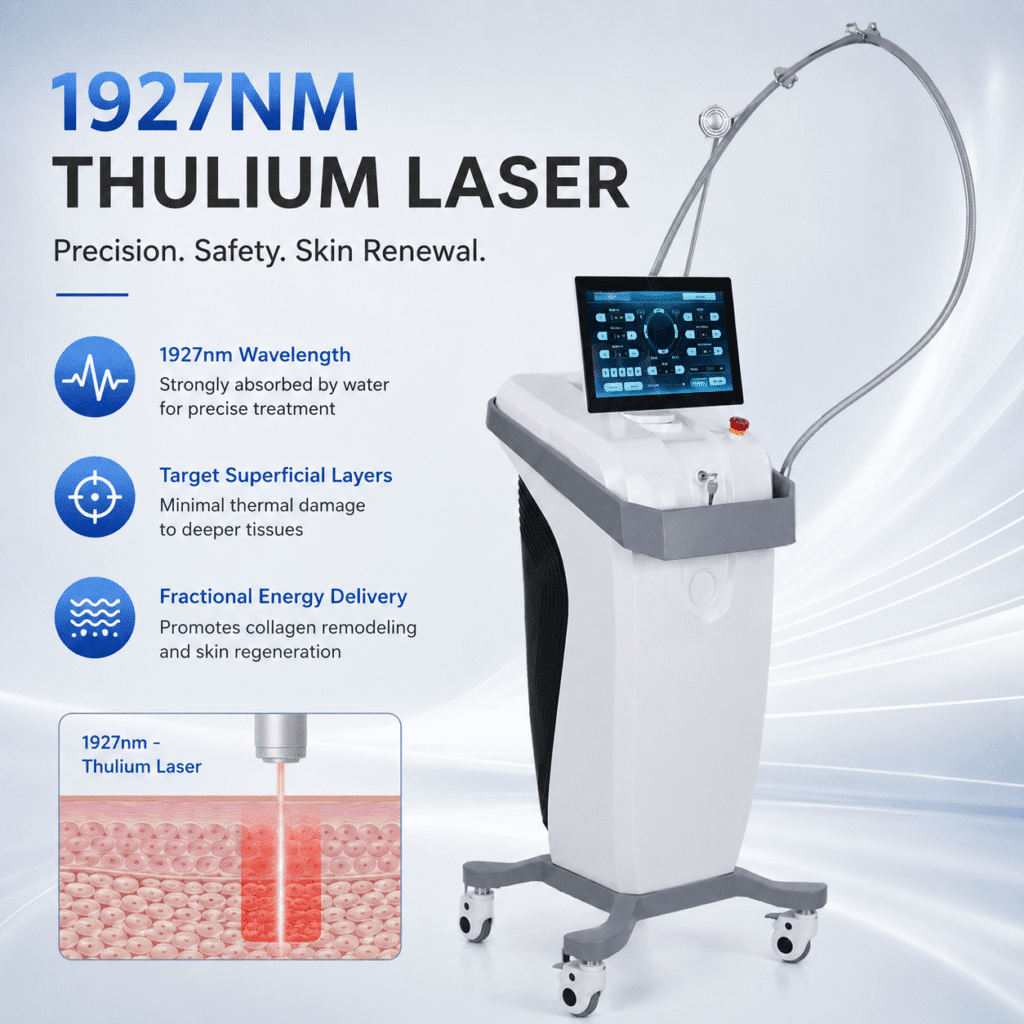
A 2910nm fiber fractional CO2 ultra laser machine represents another approach to skin rejuvenation by combining precise energy delivery with advanced fractional treatment concepts.
5.2 Expanding Anti-Aging and Skin Repair Services
Advanced fractional laser systems can support:
- Hautstraffung
- Texturverbesserung
- Reduzierung feiner Linien
- Hautregeneration
Offering multiple resurfacing options allows clinics to design treatment plans according to different skin conditions and client expectations.

6. How to Create a Balanced Laser Portfolio Strategy
6.1 Cover the Most Popular Client Needs First
When building a laser equipment portfolio, clinics should prioritize technologies with strong market demand:
- Haarentfernung
- Hautverjüngung
- Pigmentkorrektur
- Scar treatment
- Tattooentfernung
These categories cover a large percentage of aesthetic treatment requests.
6.2 Choose Complementary Technologies
The best portfolio is not simply a collection of machines. Each device should complement the others.
Zum Beispiel:
- Diode laser attracts regular hair removal clients.
- CO2 fractional laser provides advanced skin renewal.
- Pico/Q-switched laser handles pigmentation and tattoo concerns.
- Ultra fractional laser expands premium rejuvenation services.
Together, these systems create a complete aesthetic solution.
7. Important Factors Before Purchasing Laser Equipment
7.1 Evaluate Technology and Specifications
Clinics should consider:
- Laser wavelength options
- Energiestabilität
- Leistung des Kühlsystems
- Behandlungsarten
- Handstückqualität
- Expected service life
Reliable specifications directly influence treatment consistency.
7.2 Consider Supplier Support
Equipment quality is only one part of a successful investment. Clinics should also evaluate:
- Schulungsunterstützung
- Technische Unterstützung
- Garantieservice
- Ersatzteilverfügbarkeit
- Marketingmaterialien
Long-term supplier support helps clinics operate efficiently after purchase.
Abschluss
Building a complete laser equipment portfolio requires strategic planning rather than simply purchasing individual machines. A successful aesthetic clinic should combine different laser technologies to cover major treatment categories, including hair removal, skin resurfacing, pigmentation correction, and tattoo removal. A multi-wavelength diode laser provides a foundation for high-demand hair removal services. Fractional CO2 lasers expand advanced skin rejuvenation capabilities, while Q-switched and picosecond lasers address pigmentation and tattoo concerns. Additional fractional laser technologies can further enhance premium anti-aging services. By selecting complementary laser systems, professional clinics can create a comprehensive treatment menu, attract more clients, and build sustainable growth in the competitive aesthetic market.